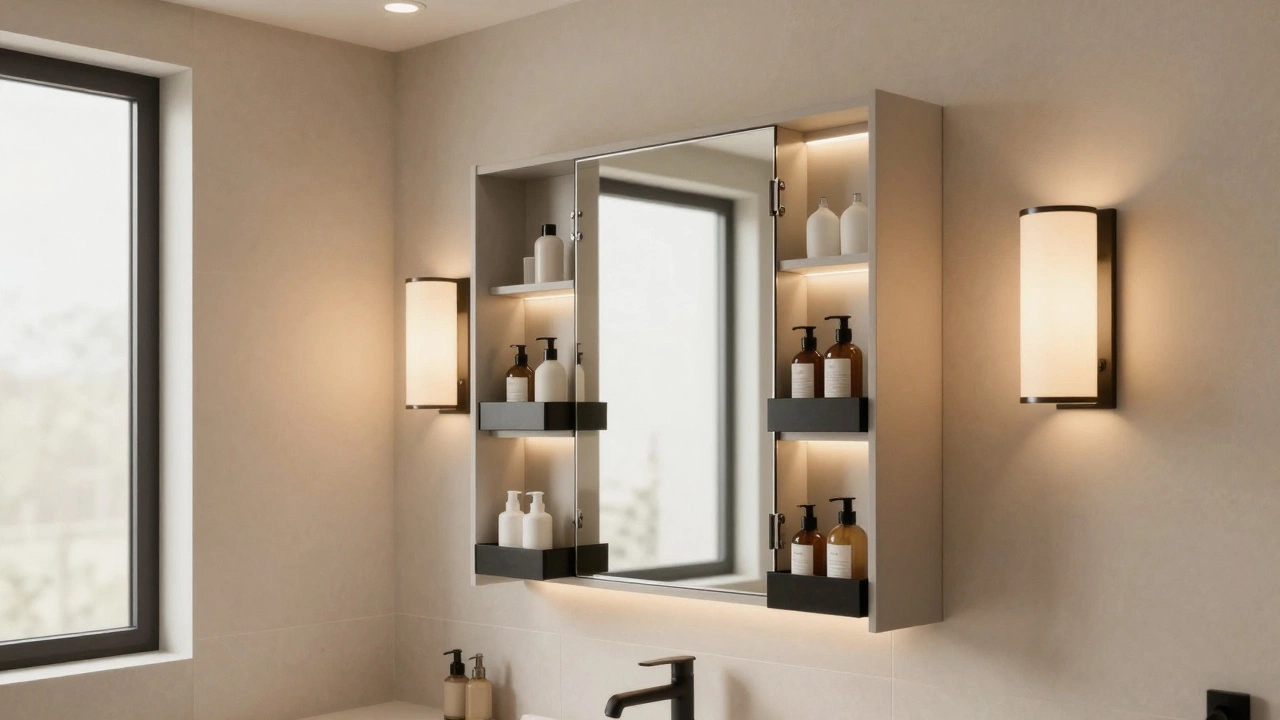
Bathroom Value: How to Get Real Worth from Your Bathroom Upgrades
When we talk about bathroom value, the return you get from spending money on your bathroom, whether through small upgrades or major changes. It’s not about how much you spend—it’s about what sticks. A $5,000 renovation that looks nice but feels cold doesn’t add real value. But a $300 swap of outdated hardware for brushed nickel, plus a new shower curtain and a few well-placed towels, can make your bathroom feel like a spa and actually raise your home’s appeal. This is what smart homeowners in the UK are learning: bathroom upgrades, small changes that improve function, comfort, or appearance without tearing down walls are where the real return hides.
Most people think luxury bathroom, a space that feels expensive, calm, and well-made, even if it’s not large means marble countertops and heated floors. But that’s not true. A luxury bathroom is defined by texture, light, and attention to detail. Think thick cotton towels that feel heavy in your hands. A mirror that doesn’t fog up. A faucet that doesn’t drip. These aren’t just nice-to-haves—they’re what buyers notice when they walk in. And according to real estate data, homes with well-kept, thoughtful bathrooms sell faster and for more money. You don’t need to re-tile everything. You just need to fix what’s broken, replace what’s worn, and make it feel intentional.
bathroom accessories, the small items that complete the space—towel bars, soap dispensers, toilet paper holders, rugs, and lighting are the secret sauce. They’re cheap, easy to change, and make a huge difference. A dull plastic soap dispenser looks cheap. A heavy ceramic one looks like it belongs in a boutique hotel. A faded shower curtain looks tired. A textured, neutral-toned one looks calm. These aren’t decorations—they’re signals. They tell people you care about the details. And that matters more than you think. Buyers don’t just look at square footage. They feel the space. If your bathroom feels like an afterthought, they’ll assume the rest of the house is too.
What’s missing from most bathroom makeovers is the understanding that bathroom renovation, a full overhaul of plumbing, layout, or structure isn’t always the answer. Sometimes, it’s the opposite. The most valuable changes are the quiet ones: replacing a leaky faucet, cleaning grout, adding a dimmer switch, or putting in a heated towel rail. These don’t make headlines. But they make people linger. They make your bathroom feel like a place you want to be, not just use.
Below, you’ll find real, practical advice from homeowners and designers who’ve done this without going broke. You’ll learn how to pick the right accessories, avoid common mistakes that kill value, and spot the upgrades that actually pay off. No fluff. No trends. Just what works—and why.