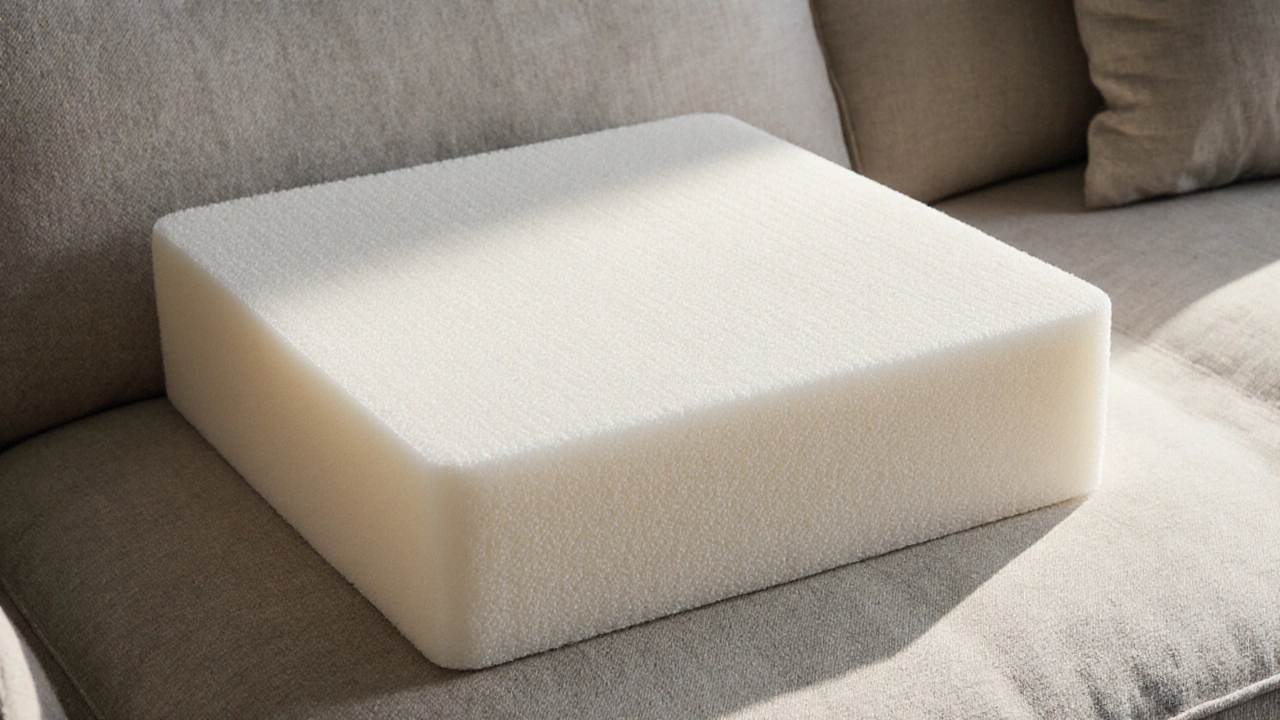
Couch Cushion Replacement: How to Fix Saggy Sofas Without Buying New
When your couch cushion replacement, the process of swapping out worn-out sofa cushions to restore comfort and support. Also known as sofa cushion refilling, it’s one of the most cost-effective ways to breathe new life into an otherwise solid piece of furniture. Most people think they need a new couch when the cushions flatten out—but that’s rarely true. The frame, legs, and springs are often fine. It’s just the foam and fabric that gave up. Replacing them costs a fraction of a new sofa and gives you back that perfect sit you forgot you missed.
Not all foam is created equal. High-density polyurethane foam lasts longer and holds shape better than cheap, low-density stuff. If your cushions feel like pancakes, you’re probably sitting on foam that’s been crushed for years. Look for foam with a density of at least 1.8 lb/ft³—anything lower won’t last more than a couple of years. You’ll also want to check the cushion foam types, the different materials used inside sofa cushions, including foam, down, and hybrid blends. Memory foam offers contouring support, while high-resilience foam bounces back faster. Down blends feel plush but need fluffing. Most modern sofas use foam because it’s low-maintenance and durable.
Getting the right size matters too. Measure your current cushions—length, width, and depth—before ordering replacements. Don’t guess. Even a half-inch difference can make the cover look sloppy or the cushion slide out. And don’t forget the sofa cushion sizes, standard and custom dimensions used in sofa manufacturing, often matching seat depth and back height. If you have a sectional, note which cushion goes where. Corner pieces, armrests, and seat cushions aren’t always the same. Some people buy new covers too, which is smart if the fabric is stained or faded. You can even mix and match: keep the old cover if it’s clean, and just slip in new foam.
Why do people skip this fix? They think it’s too complicated. But it’s not. Most cushions unzip. You pull out the old foam, slip in the new one, and zip it back up. No tools needed. If your cushions are sewn shut, a local upholstery shop can open and resew them for under $20. That’s cheaper than a new coffee table. And if you’re replacing cushions on a couch you’ve had for five years or more, you’re not just fixing a cushion—you’re extending the life of your whole living room setup.
Think about it: a good sofa lasts 15 to 25 years. Why replace the whole thing when only one part is broken? Replacing cushions is like changing the tires on your car. You don’t buy a new car every time the tread wears down. You fix what’s worn. The same logic applies here. And with so many online stores offering custom-cut foam and zippered covers, it’s easier than ever to get the exact fit for your couch. You can even match the color of your existing cover if you’re careful.
There’s no magic number for when to replace cushions, but if they’ve lost more than an inch of height, if you sink in past your knees, or if you wake up with a sore back after sitting for 20 minutes—it’s time. Don’t wait until the fabric tears or the frame starts creaking. Fix it early, and your sofa will thank you for years.
Below, you’ll find real guides from people who’ve done this exact job—how they measured, what foam they picked, where they ordered it, and how much it cost. No fluff. Just what worked.