What Is a Spoon and Fork Together Called? The Real Name for This Common Utensil
A spoon and fork together aren't called a spork-they're part of a place setting. Learn the real term, how they're used, and why they're paired this way at meals.
When you pick up a dinner fork and spoon, the basic eating tools used at every meal in most homes. Also known as tableware, these pieces are the quiet heroes of your dining experience—they don’t shout for attention, but they make or break how you feel at the table. It’s not about fancy designs or matching sets. It’s about how they fit your hand, how they balance, and whether they feel like they’re meant to be used every day.
A good dinner fork and spoon aren’t just bought for looks. They’re chosen for weight, material, and durability. Most people don’t realize that the thickness of the metal, the curve of the spoon bowl, or even the grip on the fork tines affects how easy it is to eat without fumbling. Stainless steel is the standard for a reason—it resists rust, holds up to dishwashers, and doesn’t bend when you’re trying to spear a potato. But not all stainless steel is the same. Cheaper versions feel flimsy, like they’ll snap if you press too hard. Higher-quality ones have a solid heft, the kind that makes you feel like you’re eating with something built to last. And yes, that matters more than you think. If your fork bends every time you try to get the last bite of lasagna, you’re not just annoyed—you’re wasting money on stuff that doesn’t hold up.
Related to this are cutlery sets, complete collections of dining utensils designed to match and function together, which often include knives, serving spoons, and dessert forks. But here’s the thing: you don’t need a 20-piece set to have great everyday tools. Many homes only use the dinner fork and spoon regularly. The rest sit unused in drawers, collecting dust. Focus on getting a few solid pieces that feel right in your hand, not a whole set just because it’s on sale. Look for pieces with seamless transitions between handle and metal—no joints that catch food or trap grime. And avoid anything with a plastic or rubber grip unless you’re using it for kids. Real quality means the material itself is comfortable, not a coating trying to make up for bad design.
People who care about their kitchen and dining space notice the little things. A well-made dinner fork and spoon don’t just serve food—they make meals feel more intentional. They’re the reason your morning oatmeal doesn’t feel like a chore, and your Sunday roast feels like an event. They’re part of the rhythm of your home. You won’t find them in ads shouting about luxury, but you’ll feel them every time you sit down to eat.
Below, you’ll find real advice from people who’ve tested these tools in everyday life—what works, what doesn’t, and what you should actually look for when buying your next set. No fluff. Just what makes a fork and spoon worth keeping around.
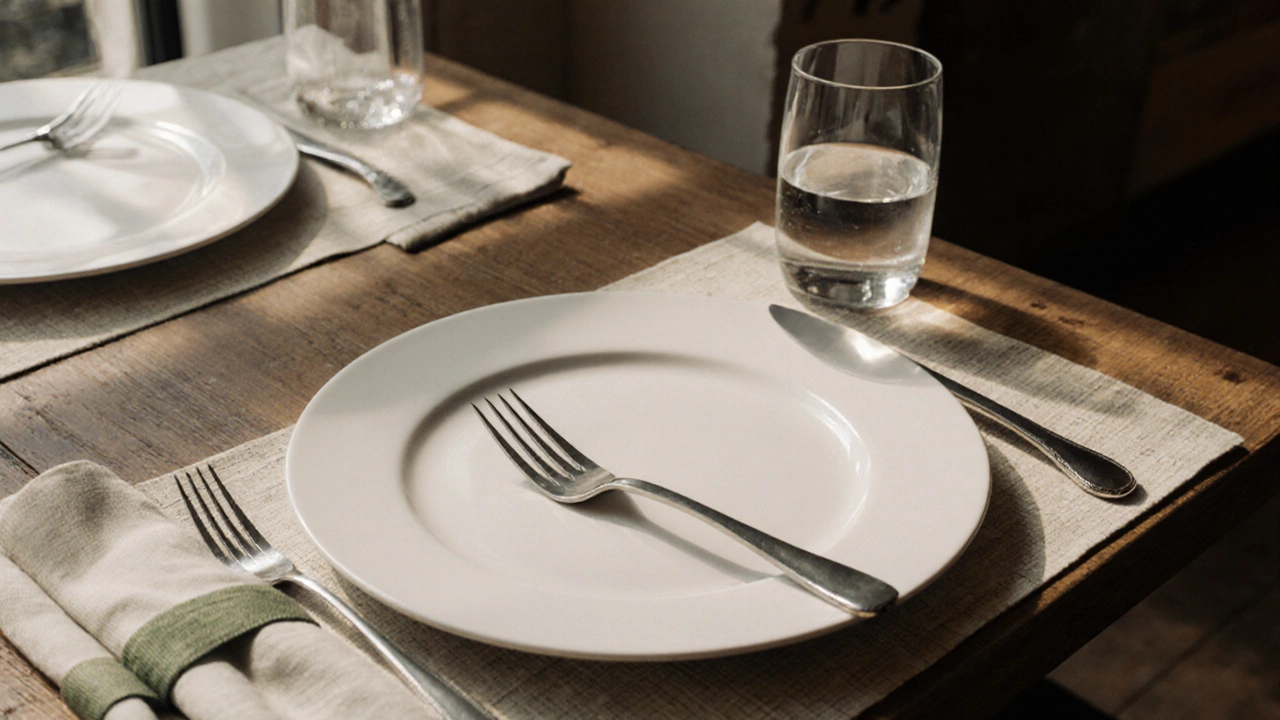
A spoon and fork together aren't called a spork-they're part of a place setting. Learn the real term, how they're used, and why they're paired this way at meals.