High-Density Foam Cushions: What Makes Them Last Longer and Feel Better
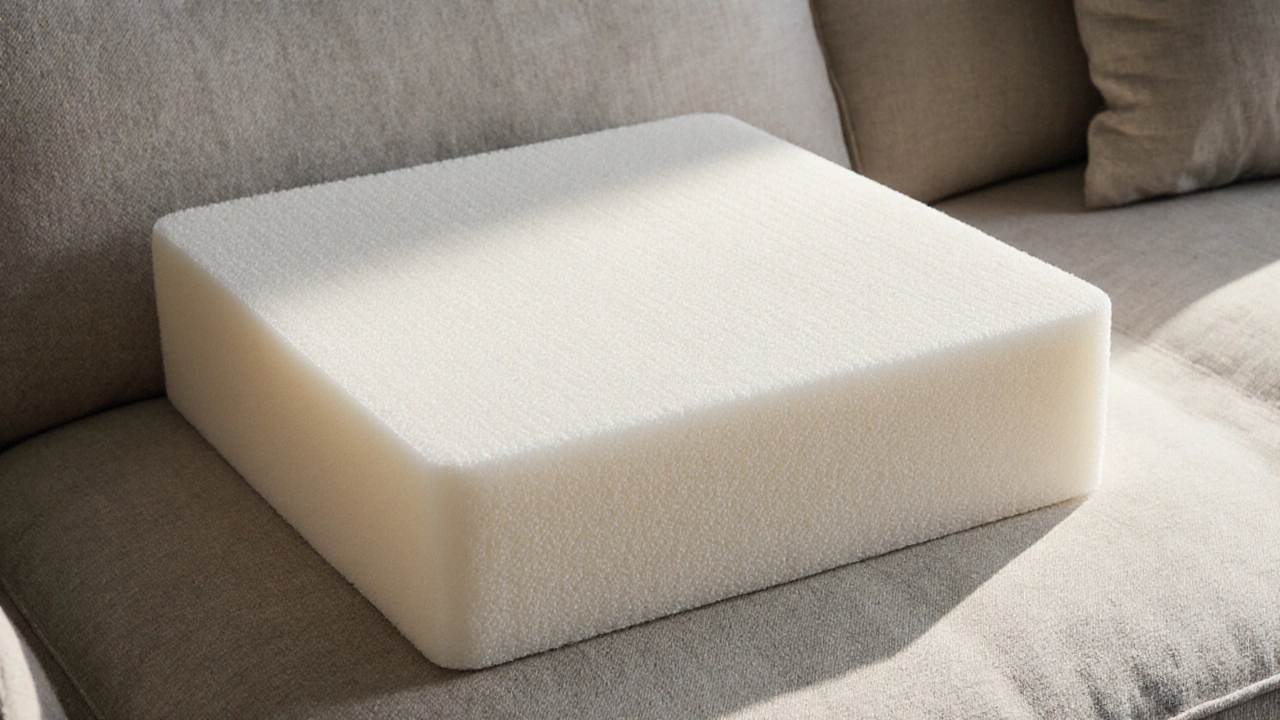
When you sit on a sofa that still feels supportive after years, chances are it has high-density foam cushions, a type of cushion filling made from compressed polyurethane foam with a weight of 2.5 pounds per cubic foot or higher. Also known as high-resilience foam, it doesn’t collapse like cheaper foam and holds its shape through daily use, pets, kids, and lazy weekends. This isn’t just marketing talk — it’s why some sofas last 20 years while others look worn out after two.
Not all foam is created equal. Low-density foam (under 1.8 lbs/ft³) compresses fast, loses bounce, and turns flat and lumpy. High-density foam, on the other hand, pushes back. It’s the same material used in commercial office chairs, airline seats, and high-end furniture brands. You’ll find it in sofas built for families, pet owners, or anyone who actually sits on their couch. It doesn’t feel hard — it feels firm in a good way. Like sitting on a well-made mattress instead of a deflated air pillow.
The foam’s density isn’t the only thing that matters. The cover fabric, how it’s sewn, and whether it’s wrapped in polyester fiber or down all affect comfort. But if the foam inside is weak, nothing else fixes it. That’s why replacing worn-out cushions with high-density foam cushions, a durable, long-lasting cushion filling option for sofas and seating is often cheaper than buying a whole new sofa. And if you’re shopping for a new one, check the specs — brands that list foam density are usually the ones who care about quality.
It’s not just about comfort. Poor foam leads to bad posture, back pain, and that sinking feeling you get when you sit down. High-density foam keeps your hips and spine aligned. It’s why people who switch from cheap sofas to ones with this foam say they feel like they’re sitting on clouds — but clouds that don’t collapse.
You’ll see this same foam mentioned in posts about replacement sofa cushions, custom or pre-made cushions designed to restore comfort to aging sofas, how to pick the right durable sofa foam, foam specifically engineered for long-term support in high-use seating, and even why expensive sofas are worth the price. These aren’t random articles — they’re all connected by one thing: the foam inside.
Below, you’ll find real guides on how to measure your cushions, what density to look for, how to order replacements without guessing, and which brands actually deliver on their promises. No fluff. Just what works — and what doesn’t — when it comes to sitting comfortably for years to come.