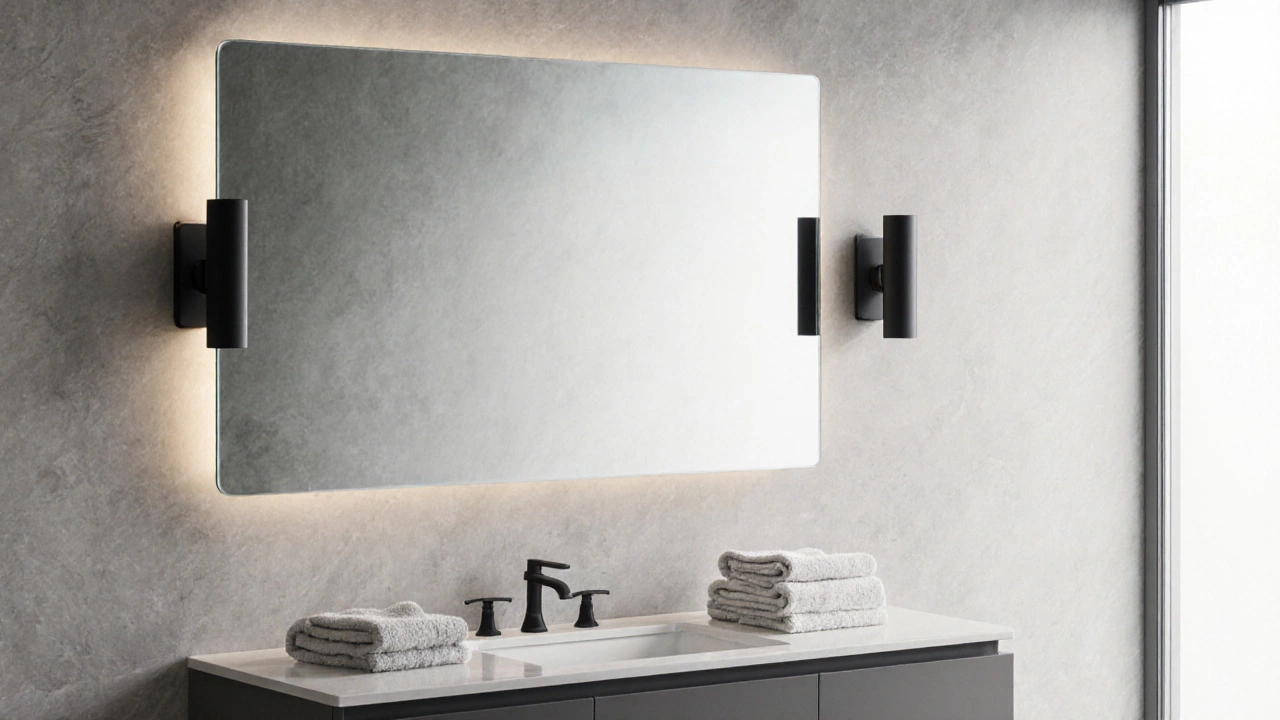
Mirror Styles: Types, Trends, and How to Choose the Right One for Your Home
When you think about mirror styles, the different designs and frames that define how a mirror looks and functions in a room. Also known as mirror designs, it’s not just about seeing your reflection—it’s about adding depth, light, and personality to your space. Not all mirrors are created equal. A simple wall mirror can make a tiny room feel twice as big, while a ornate antique frame can turn a bathroom into a spa-like retreat. The right mirror style doesn’t just reflect your face—it reflects your taste.
What makes one mirror better than another? It’s not just the glass. The frame material, what the border of the mirror is made from—wood, metal, plastic, or even recycled materials plays a huge role in durability and style. A solid wood frame lasts decades and adds warmth, while a thin plastic frame might look cheap and warp over time. Then there’s the mirror quality, how clear and distortion-free the reflection is, determined by glass thickness and silver backing. A low-quality mirror might have a greenish tint or blur your edges, especially around the corners. And don’t overlook the mirror placement, where you put it—above a vanity, opposite a window, or in a dark hallway—can change how much light it brings into the room. A well-placed mirror can cut lighting costs and make a room feel brighter without adding a single bulb.
Some mirror styles are more than just decorative. trick mirror, a type of mirror designed to create optical illusions—like infinity mirrors or funhouse curves aren’t just for amusement parks. Modern homes use them in entryways to create the illusion of more space, or in bathrooms with LED lighting to add drama. These aren’t gimmicks—they’re smart design tools used by interior pros. Whether you’re going for minimalist, farmhouse, industrial, or glam, there’s a mirror style that fits. You can find sleek, frameless mirrors for modern kitchens, ornate gilded ones for traditional bedrooms, or even mirrored cabinets that hide storage behind a reflective surface.
You’ll also notice how many of the posts here focus on what really matters: not just how a mirror looks, but how it performs. People are asking if expensive mirrors are worth it, how thickness affects clarity, and whether the frame can be repaired or replaced. These aren’t just aesthetic choices—they’re practical ones. A mirror that warps or falls off the wall isn’t just ugly, it’s a safety risk. That’s why the best choices balance looks with longevity. You don’t need to spend a fortune, but you do need to know what to look for.
Below, you’ll find real guides from homeowners and designers who’ve been there—checking glass thickness before buying, fixing wobbly frames, choosing the right size for a narrow hallway, or even turning a cheap mirror into a statement piece with paint and trim. Whether you’re upgrading a bathroom, redecorating a living room, or just tired of your old, foggy mirror, there’s something here that’ll help you make a smarter, more confident choice.