When Should You Not Hang Curtains? Practical Reasons to Skip Window Drapes
Curtains aren’t always necessary. Learn when skipping them improves light, view, and simplicity in your home-especially in Auckland’s bright, modern spaces.
When you choose no curtains, a deliberate design choice to simplify windows and let in natural light without fabric coverings. Also known as bare windows, it’s not about neglect—it’s about intention. Many homeowners skip curtains because they want cleaner lines, easier cleaning, or a modern look that lets the view speak for itself. This isn’t just a trend; it’s a practical shift in how people think about windows. You don’t need fabric to control light or protect privacy. In fact, a growing number of homes—especially in urban apartments, minimalist interiors, and Scandinavian-style spaces—have moved away from traditional drapes entirely.
What replaces curtains? blinds, adjustable slats made of wood, aluminum, or vinyl that offer precise light control are the most common substitute. They’re low-profile, easy to wipe down, and come in neutral tones that blend into walls. Then there’s shutters, fixed or movable panels mounted directly on the window frame, which add structure and timeless charm. Some people use window films, tinted or frosted adhesive sheets that provide privacy without blocking light. And for those who still want softness, sheer panels or roman shades tucked just above the window frame offer a whisper of texture without bulk.
People who skip curtains often do it for practical reasons. If you have pets or kids, fabric collects dust, fur, and fingerprints. Curtains can also trap heat in summer and block warmth in winter. Without them, you can open windows fully for ventilation, clean glass without wrestling with rods, and make small rooms feel bigger by removing visual clutter. But it’s not just about function. A room with no curtains feels more open, more connected to the outdoors. It lets sunlight flood in evenly, reduces shadows, and highlights architectural details like trim or molding.
Still, there are trade-offs. You lose the ability to completely darken a room for sleep or movies. Privacy becomes a bigger concern on ground floors or near neighbors. That’s why many use a combo: blinds for daily control, and a single blackout shade pulled down only at night. Others install interior shutters that swing closed when needed. The key is planning. Don’t just remove curtains and call it done. Think about how you use each room. Do you need total darkness in the bedroom? Then blinds alone won’t cut it. Is your living room facing a busy street? Consider frosted film or layered blinds.
What you’ll find below are real, tested ideas from people who’ve gone the no curtains route. From how to pick the right blinds for a bay window, to why some homeowners swap curtains for indoor plants as natural filters, to how to make a kitchen window look intentional without fabric—these posts cover the details most guides ignore. You’ll learn what works in small apartments, what fails in sunny rooms, and how to avoid the one mistake that makes bare windows look cheap instead of chic. This isn’t about following a trend. It’s about making your windows work better for your life.
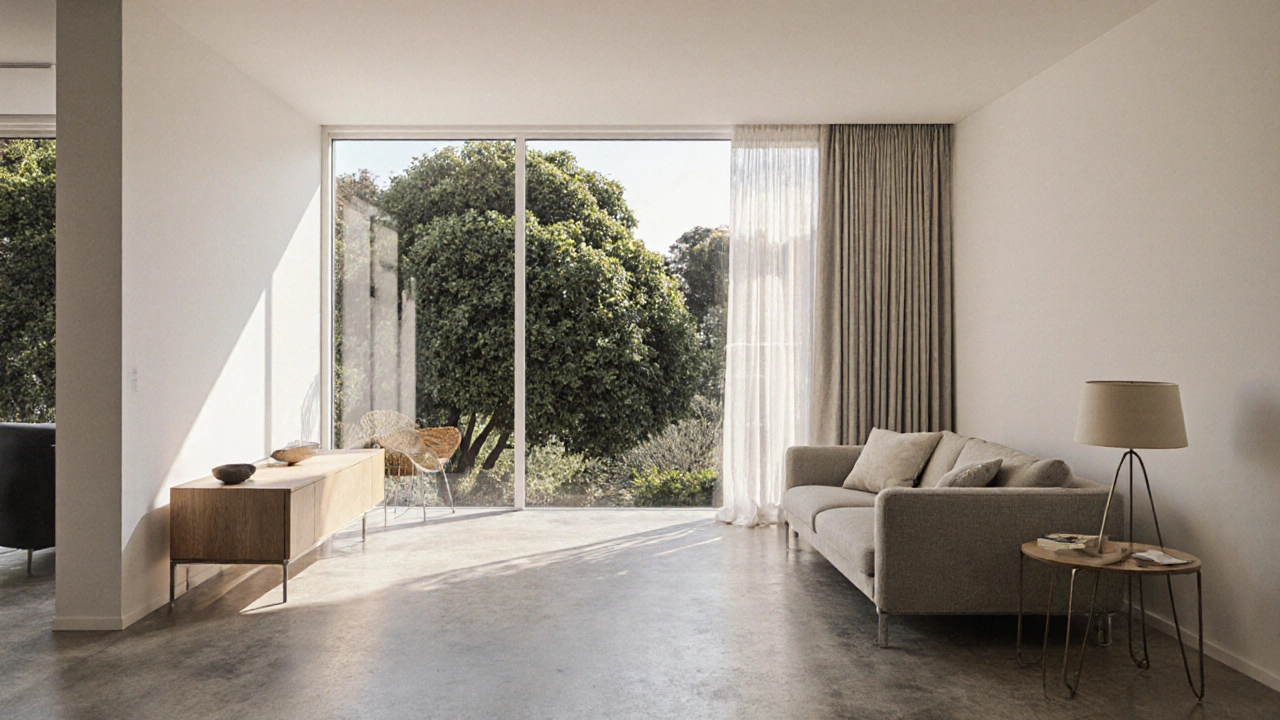
Curtains aren’t always necessary. Learn when skipping them improves light, view, and simplicity in your home-especially in Auckland’s bright, modern spaces.