What Is a Spoon and Fork Together Called? The Real Name for This Common Utensil
A spoon and fork together aren't called a spork-they're part of a place setting. Learn the real term, how they're used, and why they're paired this way at meals.
When you sit down to eat, the place setting, the arranged collection of dishes, utensils, and glassware assigned to one person at a table. Also known as a table setting, it’s not just about looks—it’s about function, rhythm, and respect for the meal. Think of it like a well-tuned instrument: every piece has a role, and if one’s out of place, the whole experience feels off.
A proper place setting starts with the basics: a dinner plate, a salad plate if needed, a fork on the left, a knife and spoon on the right, and a glass above the knife. But it doesn’t stop there. Napkins? They go either on the plate or to the left of the fork. Dessert utensils? They’re placed above the plate or brought out later. The dinnerware you choose—whether it’s ceramic, stoneware, or fine china—sets the tone. And don’t forget the tableware—the spoons, forks, knives—that do the actual work. These aren’t just accessories; they’re tools that shape how you experience food.
People often think formal place settings are only for holidays or fancy dinners. But even a weeknight meal benefits from a thoughtfully arranged table. It slows you down. It makes food taste better. It turns eating into an event, not just a task. You don’t need a full 12-piece setup for Tuesday night. Start with the essentials: one plate, one fork, one knife, one spoon, one glass. Add a napkin. That’s it. That’s a place setting that works.
What you see in your kitchen or dining room matters. A cluttered table feels chaotic. A clean, intentional one feels calm. That’s why so many of the posts here focus on small upgrades—how a single new set of napkins or a better-quality fork can change how you feel at the table. It’s not about being fancy. It’s about being present.
Below, you’ll find real advice on choosing the right dinnerware, organizing your table for everyday use, fixing common mistakes people make with utensils, and even how to store your place settings so they last. Whether you’re setting a table for one or for ten, these posts give you the practical, no-fluff tips that actually work.
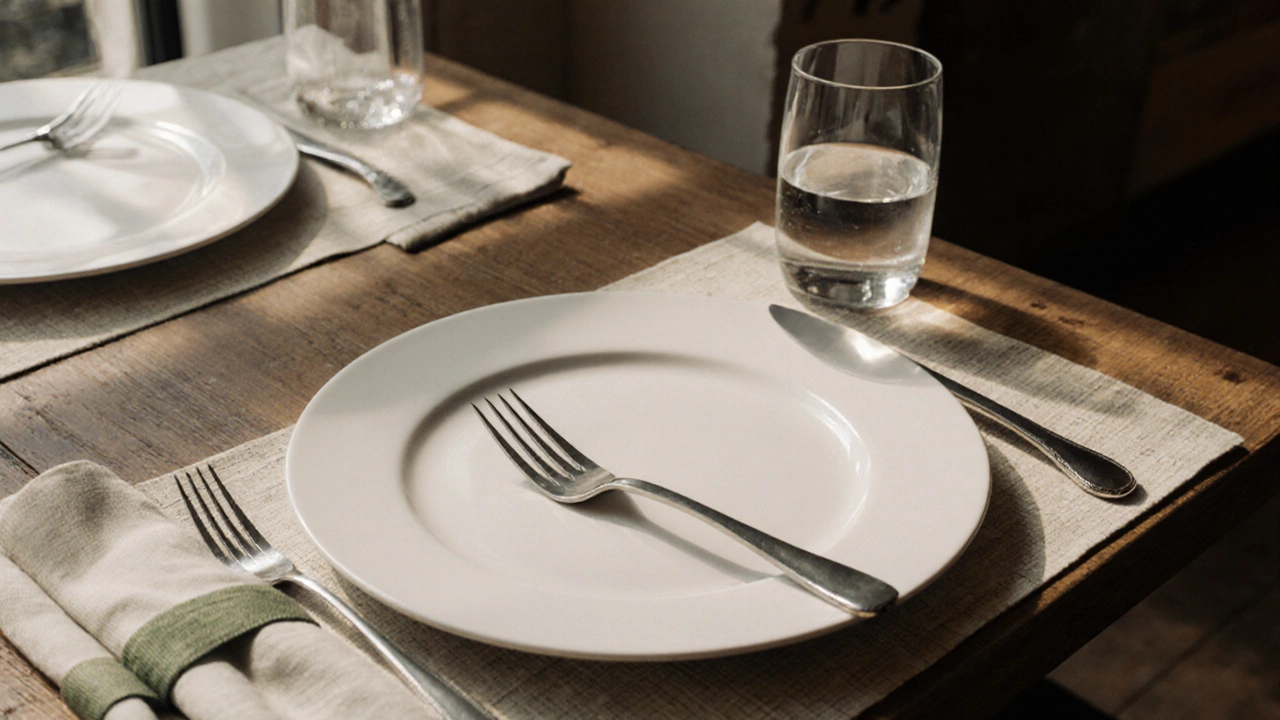
A spoon and fork together aren't called a spork-they're part of a place setting. Learn the real term, how they're used, and why they're paired this way at meals.