What Type of Rug Is Best on Top of Carpet? Expert Guide for 2026
Learn which rug types work best on carpet-focusing on backing, thickness, and material. Avoid slipping, bunching, and damage with expert tips for 2026.
When you buy a rug, you’re not just buying the top layer you see—you’re buying the whole thing, including the rug backing, the hidden layer on the bottom that holds everything together and keeps the rug from sliding or unraveling. Also known as rug backing material, it’s what keeps your rug in place, protects your floor, and determines how long the rug will last. Most people never think about it until their rug starts slipping, curling, or leaving marks on hardwood. But the truth is, rug backing is just as important as the wool, cotton, or synthetic fibers on top.
There are few main types of rug backing you’ll run into: latex, rubber, jute, and synthetic blends. Latex backing, a common, affordable option, sticks well to floors and resists slipping. Also known as natural latex, it’s great for light to medium traffic areas but can break down over time, especially in humid spaces. Rubber backing, often used in high-traffic areas or commercial spaces, offers superior grip and durability. Also known as non-slip rug backing, it’s ideal for kitchens, hallways, and homes with pets or kids. Then there’s jute backing, a natural fiber that’s breathable and eco-friendly, often found in handwoven or high-end rugs. Also known as natural fiber backing, it’s less grippy but adds to the rug’s overall quality and breathability. The wrong backing can ruin your floor—latex can stain hardwood, rubber can trap moisture under tiles, and cheap synthetics can crumble after a year.
It’s not just about slipping. Poor backing leads to premature wear, uneven flattening, and even indoor air quality issues if it off-gasses chemicals. A good backing works with your floor type—hardwood, tile, laminate, or concrete—and matches how you use the room. If you have pets, go for rubber. If you want an eco-friendly option in a low-traffic room, jute works. If you’re on a budget and just need something to hold for a few years, latex is fine—but watch for cracking.
You’ll also find rugs with additional padding built into the backing. That’s not the same as a separate rug pad. Built-in padding adds cushion but doesn’t replace the grip and protection a proper backing provides. Many people buy a rug, then buy a rug pad on top, thinking they’ve covered all bases. But if the backing is failing, no pad will fix the underlying problem.
What you’ll find in the posts below are real, practical insights from people who’ve been there—whether it’s how to tell if your rug’s backing is failing, which backing types work best with specific floors, or why skipping a rug pad isn’t as smart as it seems. We’ve pulled together guides on rug durability, cleaning mistakes that damage backing, and how to choose a rug that lasts. No fluff. No marketing hype. Just what you need to know before you buy—or replace—the next rug in your home.
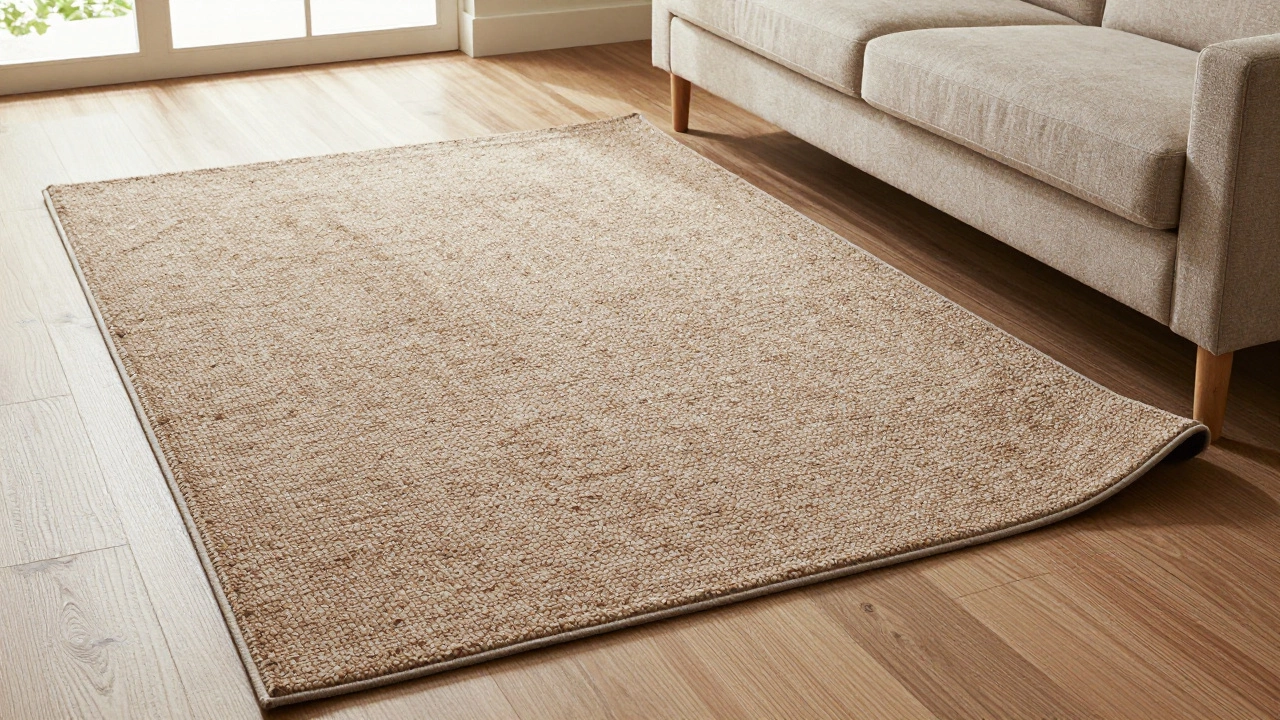
Learn which rug types work best on carpet-focusing on backing, thickness, and material. Avoid slipping, bunching, and damage with expert tips for 2026.

Learn how to spot a high-quality rug by checking the pile, knot count, fringe, backing, smell, dye, and price. Avoid cheap imitations and invest in a rug that lasts decades.