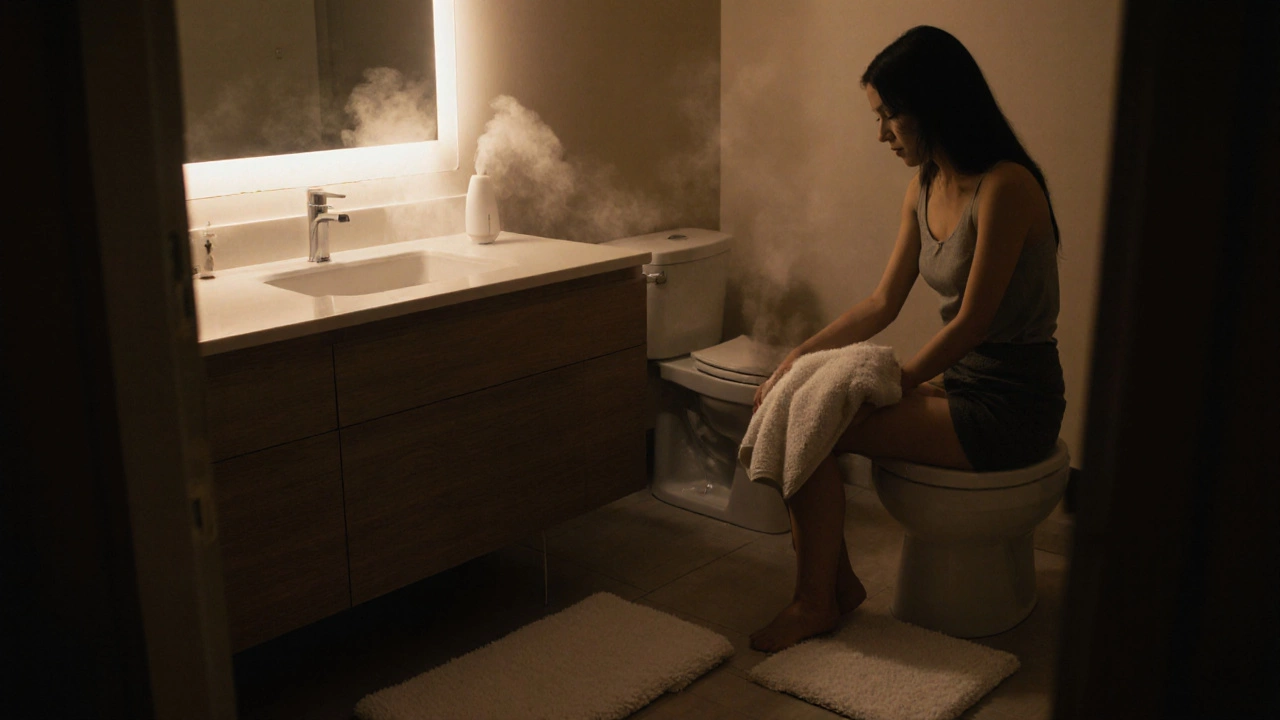
Stress Reduction at Home: Simple Ways to Calm Your Space and Mind
When you walk into your home, does it feel like a refuge—or another thing to manage? True stress reduction, the process of lowering mental and physical tension through environmental changes. doesn’t need meditation apps or expensive spa days. It starts with the space around you. A cluttered closet, a harsh light, a worn-out couch—these aren’t just annoyances. They’re silent stressors. And fixing them doesn’t require a renovation. It just requires knowing what matters.
Think about storage solutions, organized systems that reduce visual chaos and mental overload. Studies show clutter increases cortisol levels. But it’s not about having more bins—it’s about having the right kind. Walk-in closets that actually hold your clothes, pantries where you can see what you have, garage shelves that keep tools off the floor. These aren’t luxury upgrades. They’re mental reset buttons. Then there’s calming home decor, design choices that lower heart rate and quiet the mind through color, texture, and light. It’s not just about painting your walls beige. It’s choosing a soft blue-green for your bathroom, like the one that reduces stress better than white or gray. It’s picking a rug with a natural wool texture that feels grounding underfoot, not a shiny synthetic one that reflects harsh light. It’s hanging curtains only when they add peace—not when they block the view you love.
And it’s not just about what you see. It’s about what you touch. A couch that sinks too fast after two months? That’s not just frustrating—it’s exhausting. Long-lasting cushions made with high-density foam don’t just save money—they save your energy. Same with bedding. Wrong pillows or old sheets can wreck your sleep, and poor sleep feeds stress like fuel. Replacing them isn’t indulgence. It’s maintenance. Even small things—like mirrors placed to bounce natural light into dark corners—can shift your mood without you even realizing it.
You don’t need to overhaul your whole house. You just need to fix the things that drain you. The posts below show exactly how. From how to pick a mirror that opens up a room, to why skipping curtains in some spaces actually lowers stress, to what makes a rug last decades instead of years—these aren’t trends. They’re practical, tested ways to turn your home into a quiet place where you can finally breathe.