What Is the Best Quality Material for a Rug? Top Fibers Compared
Discover the best quality materials for rugs-wool, silk, nylon, and more. Learn which fibers last longest, handle pets and traffic best, and offer the best value over time.
A wool rug, a floor covering made from natural sheep’s wool, prized for its softness, resilience, and ability to insulate. Also known as natural fiber rug, it’s one of the most trusted choices for homes that want comfort that lasts. Unlike synthetic fibers that flatten over time, wool fibers bounce back—making wool rugs ideal for high-traffic areas like living rooms, hallways, and bedrooms. They don’t just look good; they actually improve your home’s comfort by trapping heat in winter and staying cool in summer.
What sets a wool rug, a floor covering made from natural sheep’s wool, prized for its softness, resilience, and ability to insulate. Also known as natural fiber rug, it’s one of the most trusted choices for homes that want comfort that lasts. apart isn’t just the material—it’s how it’s made. Hand-knotted wool rugs from skilled artisans can last decades, while machine-made ones still outperform synthetics in durability and stain resistance. Wool naturally repels dirt and resists static, so it doesn’t attract dust like polyester or nylon. It’s also flame-resistant and biodegradable, making it a smarter, safer choice for families and pet owners. If you’ve ever walked barefoot on a thick wool rug in the morning, you know why it’s a favorite for cozy homes.
When you shop for a wool rug, a floor covering made from natural sheep’s wool, prized for its softness, resilience, and ability to insulate. Also known as natural fiber rug, it’s one of the most trusted choices for homes that want comfort that lasts., price often reflects quality. A high-quality wool rug isn’t cheap, but it’s not just a decoration—it’s an investment. Look for density (more knots per square inch means longer life), pile height (medium pile balances comfort and durability), and whether it’s 100% wool or blended. Avoid rugs labeled "wool blend" unless you know what’s in it—some are mostly synthetic with just a hint of wool. The best ones come from regions with long wool traditions, like Nepal, India, or Iran, and often have slight variations in color and pattern that tell you they’re handmade, not mass-produced.
Wool rugs also play well with other home elements. They pair naturally with wooden floors, modern sofas, and even rustic kitchens. You’ll find them in homes where people care about texture, warmth, and lasting value—not just trends. If you’ve read about high quality rug prices or wondered why some rugs cost three times more than others, the answer often starts with wool. It’s not magic—it’s material science, craftsmanship, and centuries of use.
Below, you’ll find real guides on what to look for when buying, how much to spend, and how to keep your wool rug looking great for years. No fluff. Just clear, practical info from people who’ve lived with these rugs—and learned what works.
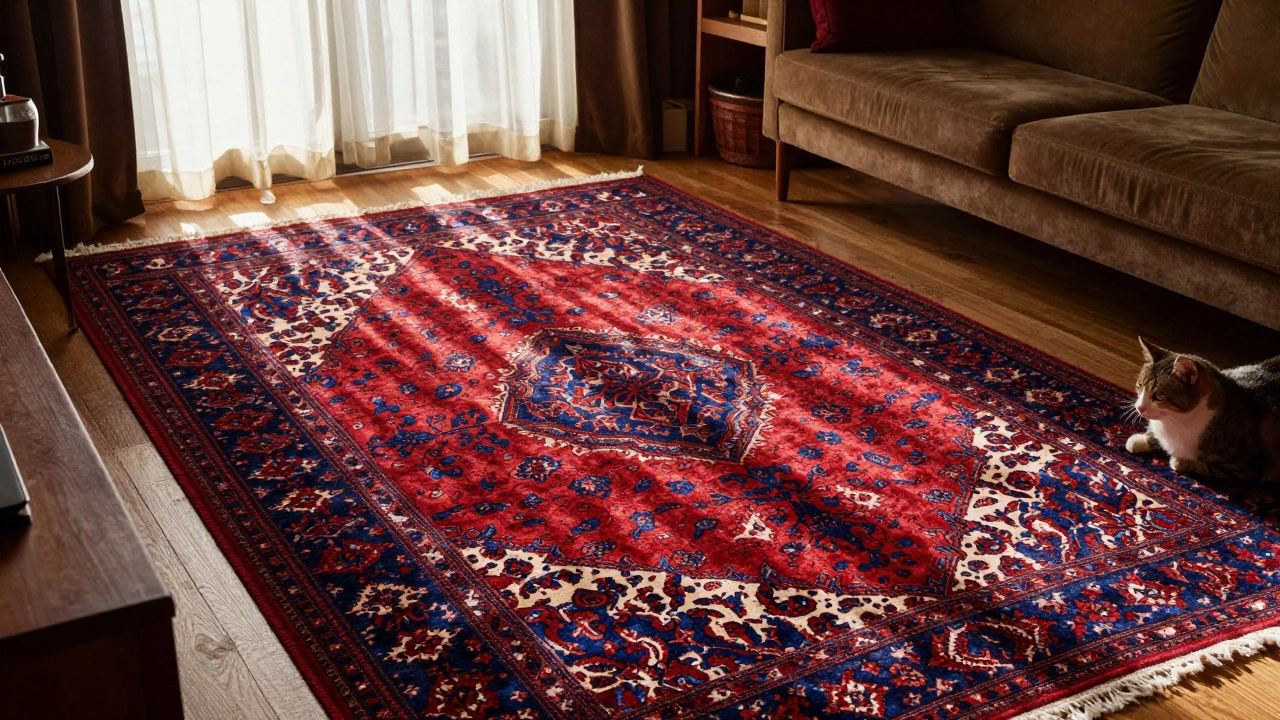
Discover the best quality materials for rugs-wool, silk, nylon, and more. Learn which fibers last longest, handle pets and traffic best, and offer the best value over time.

Learn how to spot a high-quality rug by checking the pile, knot count, fringe, backing, smell, dye, and price. Avoid cheap imitations and invest in a rug that lasts decades.