Baseboard Curtains: What They Are, When to Use Them, and Why They Matter
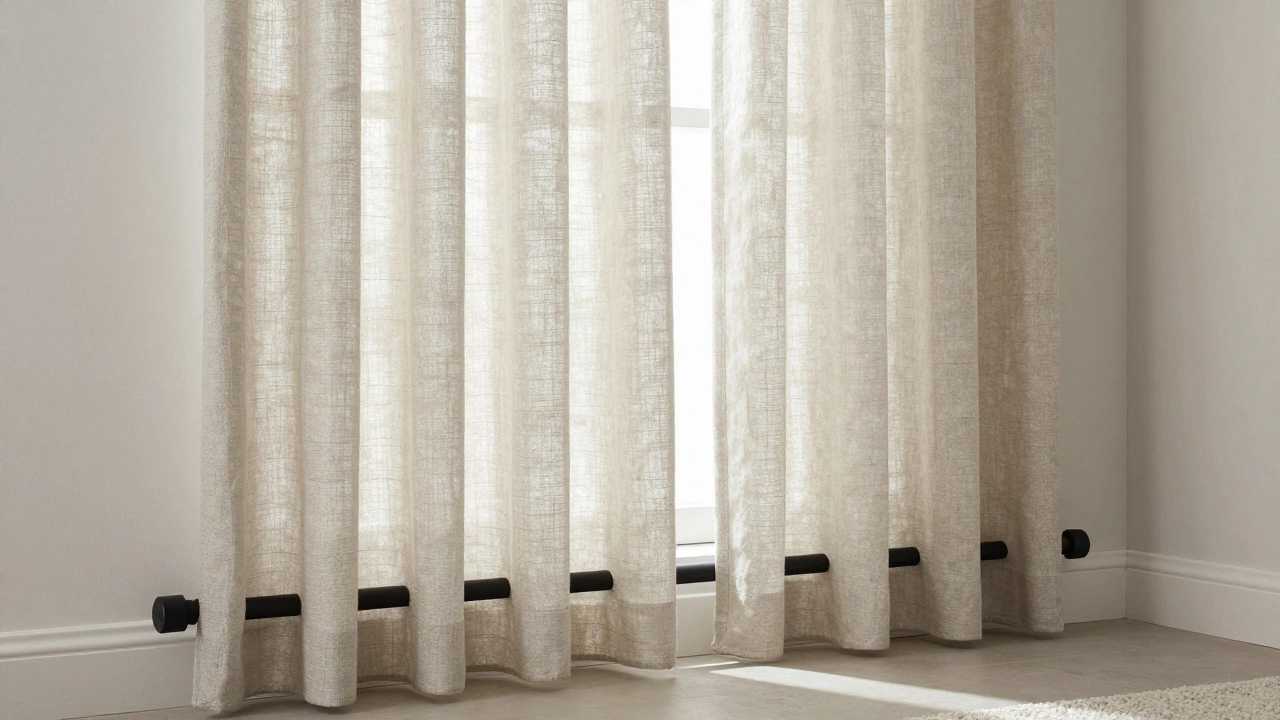
When people talk about baseboard curtains, window coverings that hang low, just above the floor, often used to frame windows without blocking natural light or views. Also known as floor-length curtains, they’re not just a design choice—they’re a practical tool for controlling how light enters a room and how space feels. Unlike traditional curtains that pool on the floor or stop at the windowsill, baseboard curtains sit right above the baseboard, creating a clean, modern line that draws the eye downward and makes ceilings appear taller.
But here’s the thing: baseboard curtains aren’t always the right call. In homes with radiant heating, they can block warmth from rising. In small spaces, they can make the floor look cluttered if the fabric is too heavy or dark. And if your windows are already framed by trim or have built-in shelving, adding curtains at baseboard level can feel redundant. Many homeowners in Auckland and other sun-drenched areas skip them entirely because they want maximum light and a minimalist look. That’s not a mistake—it’s a smart choice based on climate, layout, and lifestyle.
What you really need to think about is curtain rod placement, where you install the hardware that holds your curtains, which directly impacts how light flows and how spacious a room feels. Mounting rods too low—right above the baseboard—can make windows look smaller and cut off natural light. Mounting them higher, closer to the ceiling, opens up the wall and creates the illusion of height. That’s why most pros recommend hanging curtains higher than you think, even if you want them to touch the floor. And if you’re using window treatments, any covering installed over a window to control light, privacy, or aesthetics, including curtains, blinds, or shades, the material matters just as much as the position. Lightweight linens or sheer fabrics work best for baseboard-length styles because they don’t drag or collect dust.
There’s also a big difference between curtains that brush the floor and those that hover just above it. If your floor is uneven, or you have pets, or you clean often, a half-inch gap can save you from stained hems and constant vacuuming. That’s why many modern homes use curtains that end 1/2 to 1 inch above the baseboard—clean, practical, and still elegant. It’s not about following trends. It’s about matching the function to your daily life.
And let’s not forget the connection between curtains and curtain installation mistakes, common errors like hanging rods too low, using the wrong hardware, or choosing fabric that’s too heavy for the rod. A lot of people buy beautiful curtains, then ruin the look with bad installation. They use flimsy rods that bend, hang them too close to the window frame, or pick fabrics that look great in the store but drag on the floor at home. These aren’t just cosmetic issues—they change how the whole room works.
So if you’re considering baseboard curtains, ask yourself: Are you trying to soften a room, or are you trying to make it feel bigger? Do you need privacy at night, or do you want to keep the view clear all day? Is your floor level, or do you have underfloor heating? The answers will tell you whether baseboard curtains are a fit—or if you’re better off with blinds, no curtains at all, or curtains hung higher.
Below, you’ll find real advice from people who’ve tried every option—from hanging curtains too low to skipping them entirely. You’ll see what works in small apartments, what fails with pets, and what actually makes a difference in how a room feels. No fluff. Just what you need to decide for your space.