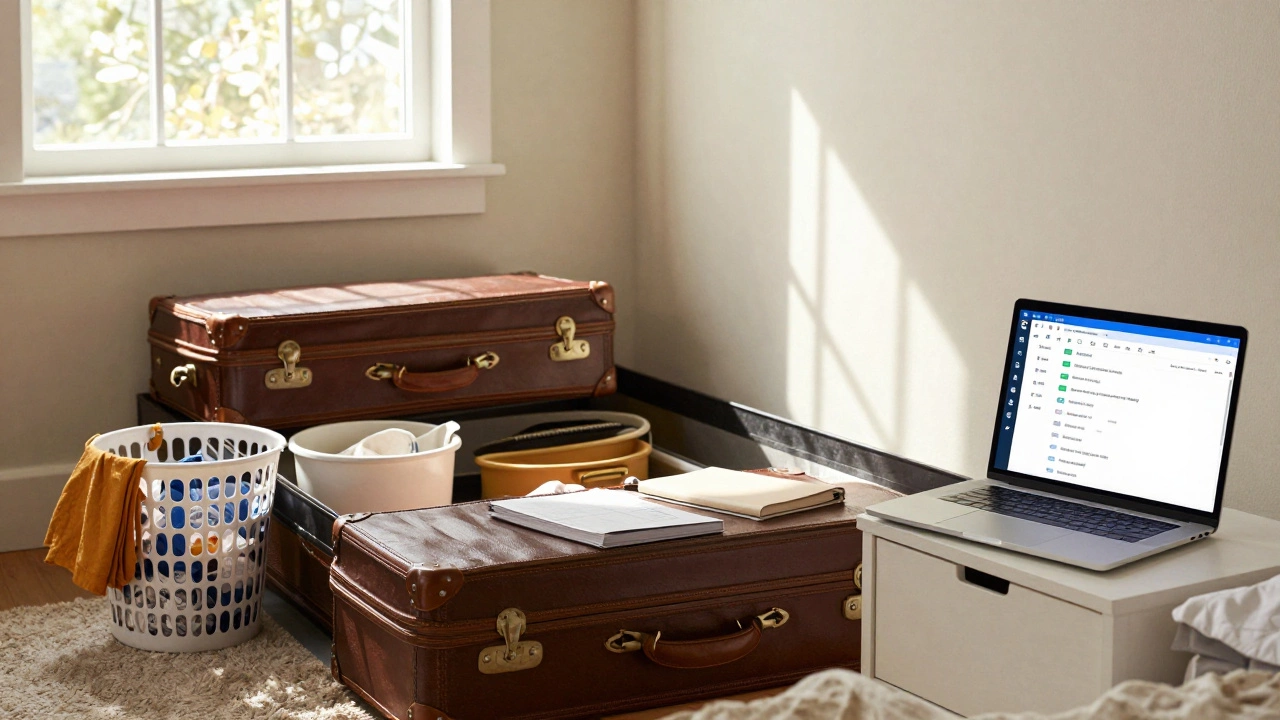
Free Storage Solutions: Smart Ways to Organize Your Home Without Spending a Dollar
When you think of free storage solutions, practical ways to organize your home without buying new products. Also known as DIY storage hacks, they’re not about fancy bins or expensive shelves—they’re about using what you already own to create order in messy spaces. You don’t need a budget to fix clutter. You just need to see your stuff differently.
Think about your closet organization, how you arrange clothes, shoes, and accessories in your bedroom closet. Most people leave hanging space empty, toss socks in drawers, or pile sweaters on the floor. But a simple towel rack on the side of your closet? That’s instant shelf space for folded jeans. An old shoebox with the top cut off? Perfect for storing scarves or belts. These aren’t tricks—they’re common sense. And they’re backed by real results: homes with smart storage see up to 8% higher resale value, according to buyer surveys. You don’t need to renovate to add value. You just need to stop wasting vertical space.
Same goes for the bathroom storage, how you manage towels, toiletries, and cleaning supplies in a small bathroom. That awkward space above the toilet? Install a floating shelf made from a reclaimed wood board and brackets you already have. Use mason jars to hold cotton balls, brushes, or q-tips—no need to buy plastic organizers. Even the back of the door can hold a hanging shoe organizer turned into a toiletry caddy. These aren’t Pinterest fantasies. They’re what real people do in real homes with real budgets.
And don’t forget the garage storage, how you keep tools, sports gear, and seasonal items tidy in your garage or shed. A pegboard from a hardware store might cost $20—but you can build one for free using scrap wood and nails. Hang bikes, rakes, or garden tools from hooks made from old coat hangers. Stack plastic bins from last year’s holiday decorations on a shelf made from cinder blocks and a plywood board. These aren’t just space-savers—they’re time-savers. No more digging through boxes for the drill or the pool noodles.
What ties all these together? It’s not money. It’s awareness. The people who win at storage aren’t the ones with the biggest homes or the deepest pockets. They’re the ones who notice unused corners, wasted walls, and forgotten containers. They turn empty space into functional space. They stop seeing clutter as inevitable and start seeing it as a design problem with a simple fix.
Below, you’ll find real examples from real homes—how to turn a cereal box into a drawer divider, how to use tension rods to create instant shelf space under the sink, how to repurpose a bookshelf as a pantry organizer. No fluff. No ads. Just what works.