Can You Get Free Storage? Real Ways to Save Space Without Spending a Dollar
 Dec, 7 2025
Free Storage Calculator
How Much Free Storage Can You Create?
Estimate how much storage space you can create using cloud services, home organization techniques, and decluttering—no costs involved.
Your Free Storage Potential
Based on methods in the article: How to get free storage
Everyone needs more storage. closets overflow, garages turn into junkyards, and your phone keeps warning you that you’re out of space. But what if you could get free storage - real, usable, no-strings-attached space - without buying a single shelf or paying for a subscription? The answer isn’t magic. It’s strategy.
Free Cloud Storage Isn’t Just for Photos
You’ve probably heard of Google Drive, Dropbox, or iCloud. Most people think these are just places to back up vacation pics. But they’re way more powerful than that. Google gives you 15GB of free storage across Gmail, Drive, and Photos. That’s enough for 3,000 high-res photos, 3,750 MP3s, or 1,500 Word documents. If you’re not using it for more than selfies, you’re wasting space.
Microsoft OneDrive gives you 5GB free with a Microsoft account. Not much? Maybe. But if you use Windows or Office, it’s already there. You can store tax files, school projects, or PDF manuals without touching a hard drive. And here’s the trick: combine them. Use Google for photos, OneDrive for work docs, and iCloud for iPhone backups. You’re not paying a cent, and you’ve got over 25GB of free cloud space.
Some services even reward you for referring friends. Dropbox used to give 500MB extra per referral - still works in some regions. Not a huge amount, but it adds up. And don’t forget Amazon Drive - it still offers 5GB free for Prime members, even if you don’t use it for shopping.
Use What’s Already in Your Home
You don’t need to buy a new cabinet to find storage. You just need to look differently at what’s already there.
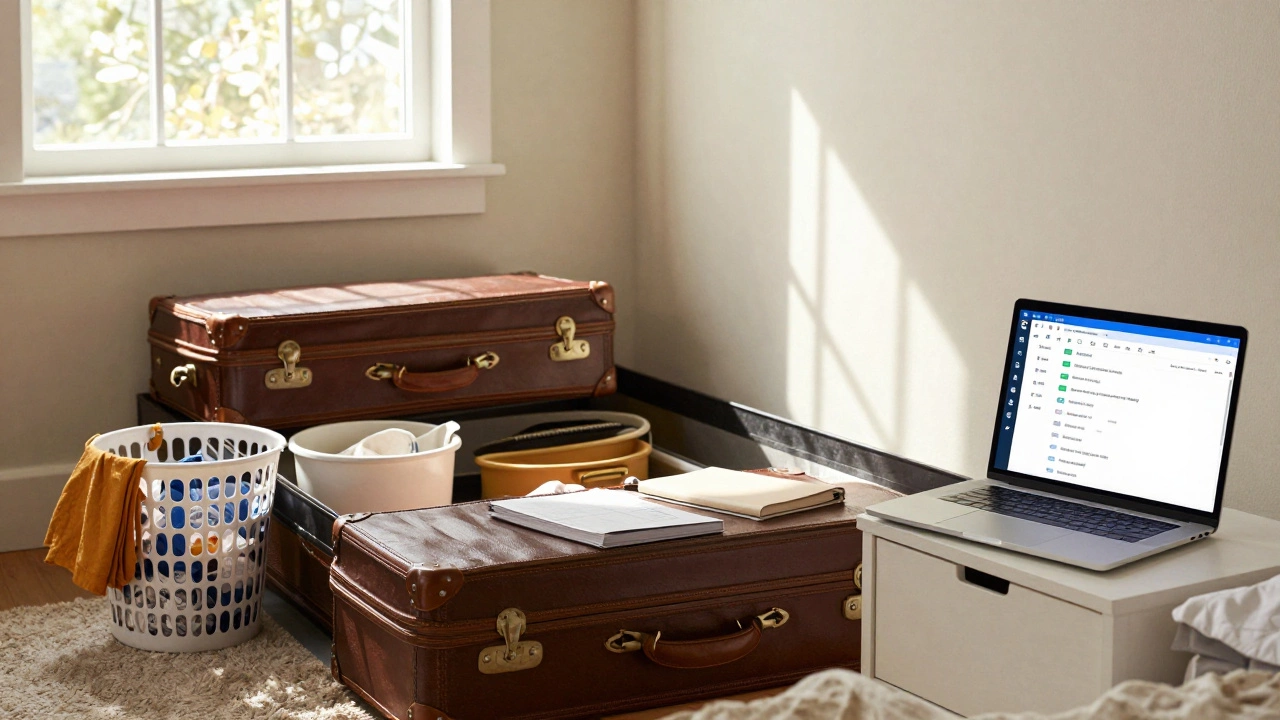
Under the bed? That’s 1,000+ cubic inches of empty space. Slide-in bins with wheels cost less than $15, but you don’t even need to buy them. Old suitcases, shoeboxes, or even clean laundry baskets work fine. Stack them vertically if you have high ceilings. Seasonal clothes, extra bedding, or holiday decorations? They belong under there - not in the garage.
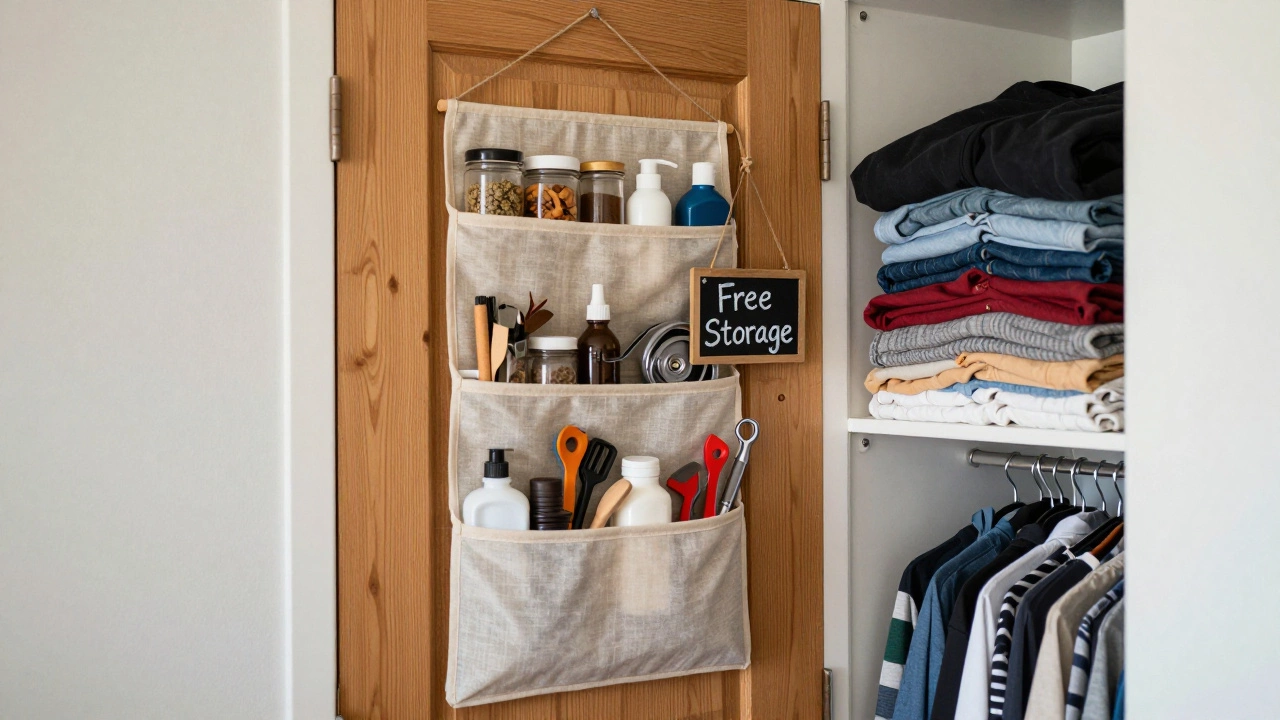
Behind doors is another goldmine. Over-the-door organizers aren’t just for shoes. Hang one in the pantry for spices. Put one in the bathroom for toiletries. Use a hanging shoe rack in the closet for scarves, belts, or tools. These cost under $10 and turn wasted vertical space into instant storage.
Stairs? If you have a staircase with open space underneath, build simple drawers or shelves. Even a DIY crate system made from reclaimed wood adds 3-4 storage spots without costing anything but time. And if you’re renting? Use adhesive hooks, tension rods, or stackable bins that don’t require nails.
Swap, Don’t Buy
Do you own something you haven’t used in a year? Chances are, someone else needs it - and they’ve got something you want.
Local Facebook groups, Buy Nothing Project communities, or neighborhood apps like Freecycle are full of people giving away furniture, tools, storage bins, and even bookshelves. You don’t need to pay. You just need to ask. One person in Auckland gave away three plastic storage bins last month because they moved to a smaller apartment. Someone else picked them up and used them to organize their garage.
Library book sales are another hidden source. They often sell old plastic bins, crates, and even wooden shelves for $1 or $2. You’re not getting free storage, but you’re paying pennies for something that would cost $30 in a store. And since libraries clean and sort these items, they’re usually in great condition.
Repurpose What You Already Own
That old dresser with the broken drawer? Turn it into a storage unit. Remove the drawer, cut a hole in the top, and use it as a hidden storage box for blankets or cables. A ladder? Lean it against the wall and hang baskets from the rungs. A wooden pallet? Sand it down, add casters, and turn it into a rolling storage cart.
Empty cereal boxes? Cut them in half and use them as dividers in drawers. They’re rigid, lightweight, and free. Old jars from pickles or pasta sauce? Wash them out and use them for screws, nails, craft supplies, or spices. You’re not buying containers - you’re reusing trash.
Even cardboard boxes can be turned into smart storage. Cover them with fabric or wrapping paper, label them clearly, and stack them under the bed. They’re not fancy, but they’re free, functional, and easy to replace.
Declutter to Create Space
Free storage isn’t just about finding more room. It’s about needing less room.
Studies show the average household owns over 300,000 items. That’s not a typo. Most people keep things “just in case.” But “just in case” items take up space, create stress, and make it harder to find what you actually use.
Try this: pick one drawer or shelf. Empty it completely. Put everything on the floor. Now, sort into three piles: keep, donate, toss. Be ruthless. If you haven’t used it in 12 months, you probably don’t need it. If you’re unsure, put it in a box, label it “maybe,” and store it out of the way. If you haven’t opened it in six months, donate it.
After decluttering, you’ll notice something: your existing storage feels bigger. That’s because you’re no longer cramming useless stuff into every corner. Space isn’t about size - it’s about clarity.
Use Public and Shared Spaces
Not everything needs to live in your home.
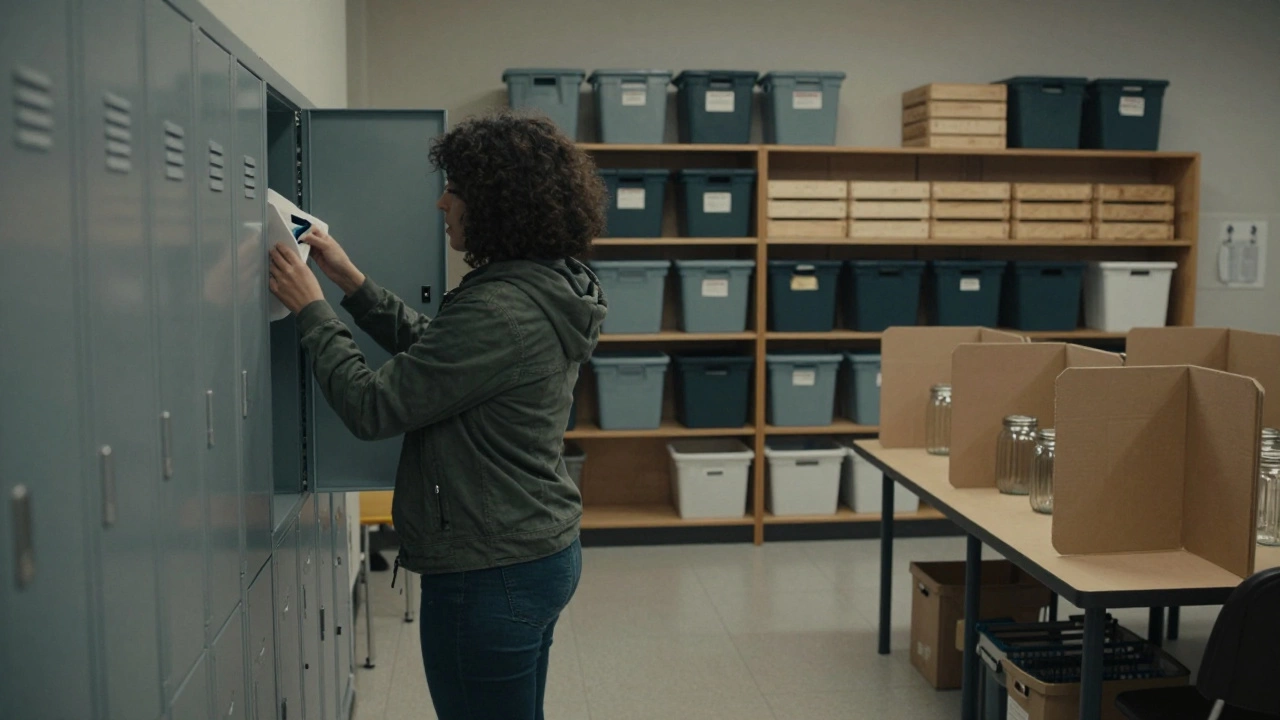
Many libraries in New Zealand offer free storage lockers for students, freelancers, or people working remotely. Auckland Libraries, for example, have lockers available at some branches for book drop-offs and personal item storage. They’re not for long-term use, but if you need a safe spot to leave your laptop or documents while running errands, it’s free.
Community centers, co-working spaces, and even some gyms offer lockers for members. If you’re a gym member, you probably already have access to one. Use it for workout gear, spare shoes, or even a small toolkit.
And don’t forget your car. If you’re not using your trunk for daily driving, it’s a perfect place to store emergency supplies - jumper cables, a first-aid kit, a blanket, or extra winter gear. Just keep it organized with a storage bin so it doesn’t become a mess.
Free Storage Is About Mindset, Not Money
There’s no secret app or hidden government program that gives you free storage. But there are dozens of low-cost, zero-cost ways to create space - if you’re willing to look, repurpose, and let go.
Cloud storage? Free. Under-bed bins? Free if you use what you have. Over-door organizers? $5 at a thrift store. Decluttering? Free. Swapping? Free.
Real storage isn’t about buying more boxes. It’s about using what you’ve got better. It’s about thinking differently. And that’s something no price tag can buy.
Can you really get free cloud storage without signing up for anything?
No, you need to create a free account with services like Google, Microsoft, or Apple. But you don’t need to pay. These accounts are free to sign up for, and they give you 5-15GB of storage right away. You’re not required to upgrade, and you can use the space for documents, photos, and backups without spending a cent.
Is free storage safe for important documents?
Yes, if you take basic precautions. Use strong passwords and enable two-factor authentication. Most major providers encrypt your data. For sensitive files like tax returns or legal documents, add a password-protected ZIP file before uploading. Don’t store passwords or Social Security numbers directly in the cloud - keep those on an encrypted USB drive at home.
What’s the best free storage option for photos?
Google Photos is the most popular free option. It offers unlimited storage for photos compressed to 16MP and videos at 1080p. If you want original quality, you get 15GB shared with Google Drive and Gmail. Apple’s iCloud gives 5GB free, and Amazon Photos gives 5GB free for Prime members. For most people, Google Photos strikes the best balance between quality and space.
How do I stop my closet from overflowing without buying organizers?
Start by removing everything and sorting into keep, donate, toss. Then, fold clothes vertically like files - this lets you see everything at once. Use hangers with clips for scarves or belts. Hang a shoe organizer on the back of the door for small items. You don’t need fancy bins - clean cardboard boxes or old baskets work just as well.
Can I get free storage bins from local businesses?
Yes. Grocery stores, pharmacies, and even coffee shops often have extra plastic bins or cardboard boxes they’re about to throw out. Ask at the back or customer service desk. Many will gladly give them away. You can also check Buy Nothing groups or Freecycle - people often post free storage containers there.