Utensils vs Kitchenware: The Difference Explained (With Examples)
Confused by kitchen terms? Learn the clear difference between utensils and kitchenware. This guide breaks down definitions, examples, and how to organize your kitchen effectively.
Ever stared at a drawer full of odd‑looking tools and wondered what they’re for? You’re not alone. Knowing the basics of kitchen utensils can turn cooking from a guess‑work chore into a smooth, enjoyable routine. Below is a quick rundown of the most common tools, why you need them, and a few tricks to get the most out of each.
Spatula – The all‑rounder for flipping pancakes, stirring sauces, and scraping batter from bowls. A silicone head handles heat better than plastic and won’t scratch non‑stick pans.
Wooden Spoon – Perfect for stirring soups and stews. Wood won’t conduct heat, so your hand stays cool, and it won’t melt if you leave it in a hot pot.
Whisk – Ideal for beating eggs, emulsifying dressings, or whisking dry ingredients into batter. A balloon whisk adds air for fluffy results; a flat whisk is better for sauces.
Tongs – Grab and lift items without a fork. Look for a lock‑hinge design for easy storage and silicone tips for grip on hot pans.
Peeler – A sharp blade makes quick work of potatoes, carrots, or apples. Adjustable thickness settings let you choose thin or thick slices.
Garlic Press – Crushes cloves in seconds. If you’re a garlic fan, this beats mincing by hand and releases more flavor.
Microplane Zester – Fine grating for citrus zest, Parmesan, or nutmeg. A small, flat surface means you can zest right over the bowl with no extra mess.
Measuring Cups & Spoons – Accuracy matters for baking. Use a clear, stackable set so you can measure dry and liquid ingredients without swapping tools.
Silicone Baking Mat – Replaces parchment paper for cookies and roasted veggies. It’s reusable, sticks to nothing, and spreads heat evenly.
Now that you know what each tool does, here are three simple habits to keep them working longer:
When you’re picking new utensils, focus on durability over flash. A solid stainless‑steel ladle will outlast a cheap plastic one, and a well‑made silicone spatula can handle 300°F without melting.
Got a favorite kitchen gadget you swear by? Share it with us in the comments—you might just help another home cook discover a new time‑saver.
Whether you’re a beginner or a seasoned chef, the right utensils make cooking feel effortless. Keep this guide handy, stock up on the basics, and add a few specialty tools as you go. Your meals (and your sanity) will thank you.
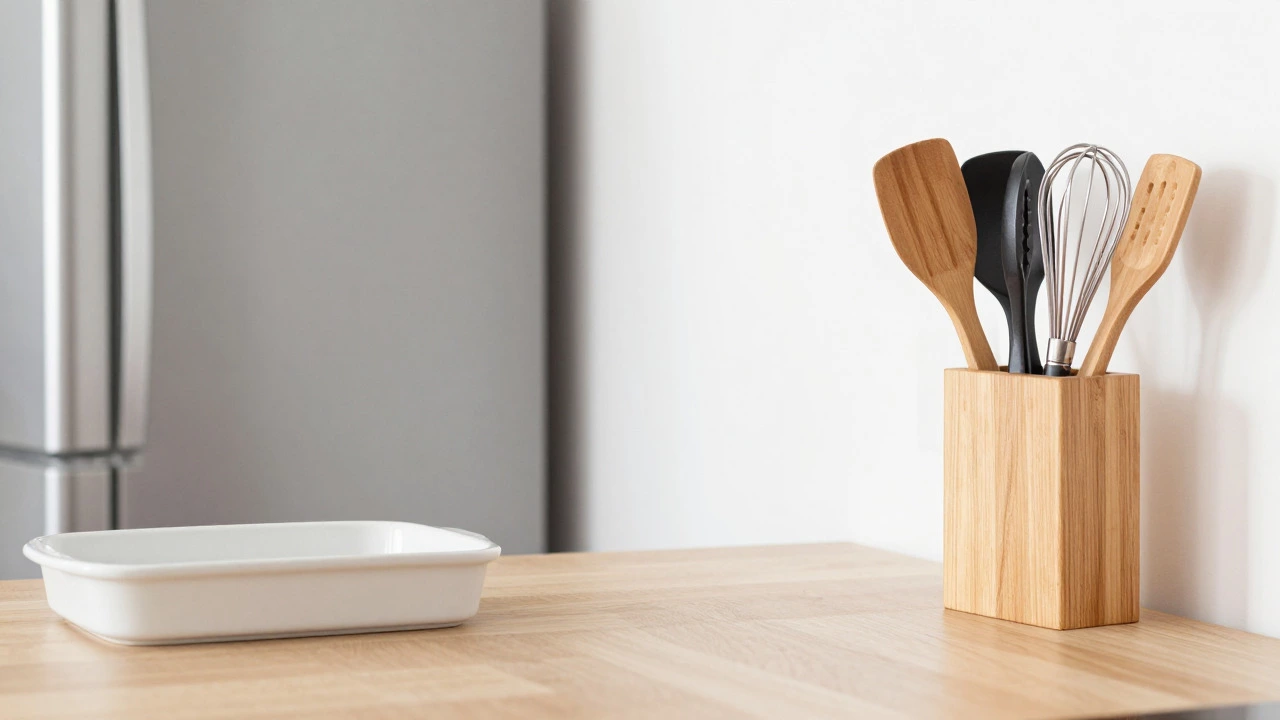
Confused by kitchen terms? Learn the clear difference between utensils and kitchenware. This guide breaks down definitions, examples, and how to organize your kitchen effectively.

Ever wondered if there's a fancier way to say 'fork and spoon'? This article digs into the words you can use and where they come from. Learn about the origins, how the terms change around the world, and how you can sound a bit more polished at your next dinner party. You'll pick up fun facts and some practical kitchen tips along the way. Feel confident talking about your utensils, whether you’re setting the table or shopping for something new.

Ever wonder what gear pro chefs actually use in their kitchens? This article lays out the real essentials, from knives to pans and even the little gadgets you might not think about. You'll pick up practical tips, find out why certain tools matter, and see what makes chef choices so different from what's stacked in your junk drawer. There's no fluff—just solid advice you can actually use. If you're looking to upgrade your kitchen game, this guide is for you.

Curious about whether your forks and knives count as kitchenware? Let's break it down. You'll discover how cutlery fits into the broader category of kitchen essentials, learn its crucial role in everyday meals, and get handy tips on choosing the right pieces for your kitchen. Perfect whether you're setting up a new home or refreshing your current setup.