Cheap vs Expensive Rugs: What You’re Really Paying For
Discover the real differences between cheap and expensive rugs. Learn how materials, construction, and dyes affect durability, aesthetics, and value.
Thinking about buying a new rug? You’ll quickly see a huge price spread – from a $50 runner to a $2,000 masterpiece. The big question is: does the price always mean better quality? The short answer is no, but there are clear signs that tell you when a rug will last and look great for years.
First, focus on the material. Natural fibers like wool, silk, and cotton usually out‑perform synthetics when it comes to durability and feel. Wool, for example, resists stains, stays soft, and bounces back after heavy foot traffic. Silk gives a luxurious sheen but is best for low‑traffic areas. Synthetic rugs made from polypropylene or nylon can be cheap and easy to clean, but they often flatten quickly and can feel plasticky.
Here are the key things to check before you click ‘add to cart’:
If a rug checks most of these boxes, you’re probably looking at good quality, regardless of the brand name.
Many shoppers ask, “Is $400 too much for a rug?” The answer depends on what you expect. For $400 you can usually get a well‑made wool rug in a medium size (4‑5 ft square). That price often covers solid construction, decent backing, and a nice pile height. It won’t have designer branding or exotic silk, but it will hold up in a busy living room.
If you have a tighter budget, synthetic rugs can look good and hide stains, but they may need replacement sooner. On the other end, spending $1,000 or more can buy hand‑knotted silk or high‑grade wool with intricate designs – perfect for low‑traffic spaces where you want a statement piece.
So, match the rug’s purpose with your budget. High‑traffic areas deserve durable wool or a tough synthetic; a guest room or hallway can get away with a cheaper option.
Bottom line: don’t let price alone decide. Check fiber type, density, backing, and edge work. When those fundamentals are solid, you’ll get a rug that looks great and lasts long, whether it costs $400 or $4,000.
Ready to shop? Use these tips as a checklist, compare a few options, and choose a rug that fits your style and your life. Happy rug hunting!
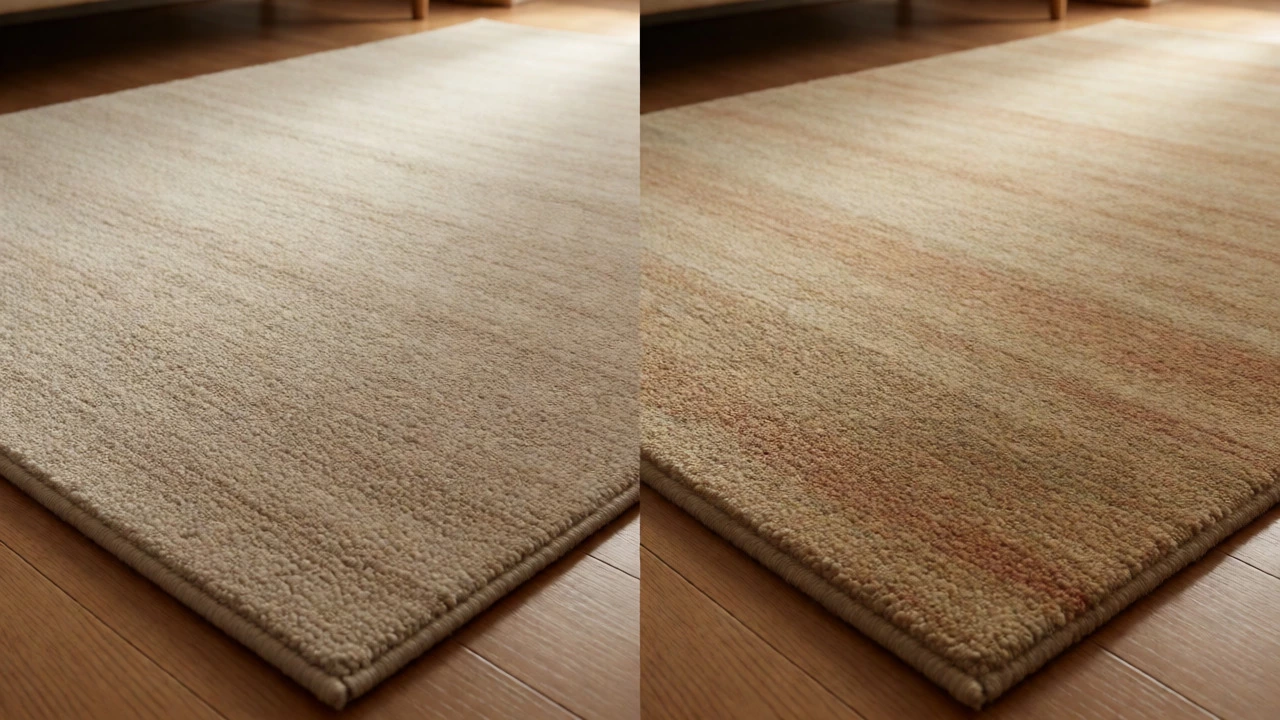
Discover the real differences between cheap and expensive rugs. Learn how materials, construction, and dyes affect durability, aesthetics, and value.
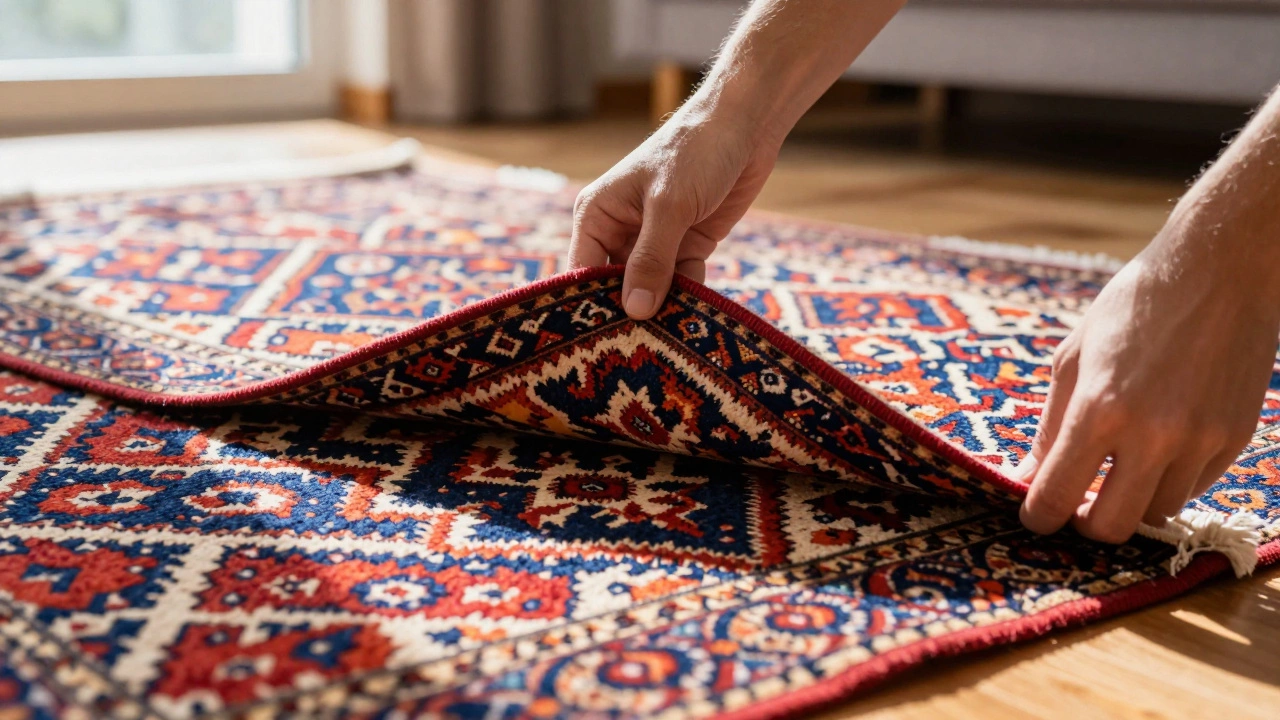
Flip your rug over to reveal its true story. Learn how to identify hand-knotted, tufted, and machine-made rugs by examining the backing. Discover what the underside says about quality, durability, and value.

Ever wondered what makes a rug worth its weight in gold? Spotting an expensive rug goes beyond just its price tag. From material and craftsmanship to knots and dyes, there are telltale signs that set luxury rugs apart. This guide will help you understand the key features that indicate a rug's true value using practical tips and insights.
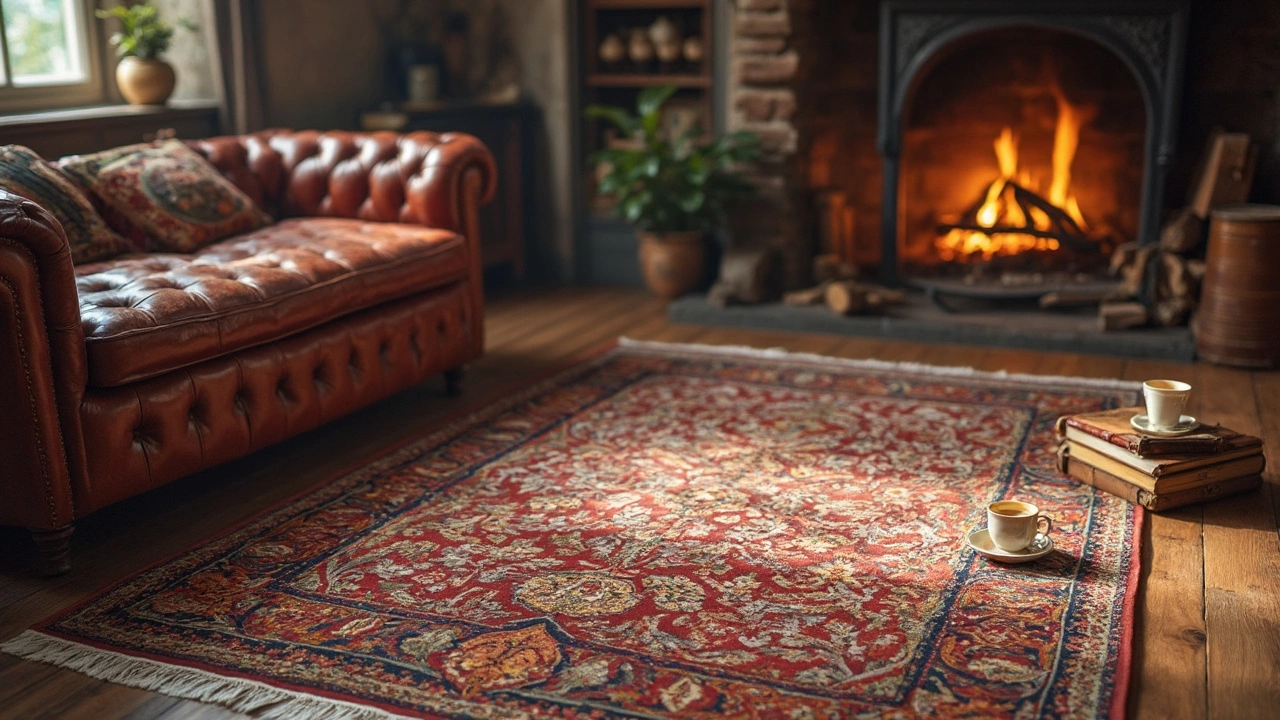
Choosing a high-quality rug can be tricky, but knowing what to look for makes it much easier. From checking the material to observing the craftsmanship, this guide will help you identify a rug worth investing in. We'll explore key elements like weave, design clarity, and backing. These insights will demystify the process, ensuring you bring home a piece that stands the test of time.