Cheap vs Expensive Rugs: What You’re Really Paying For
 Sep, 3 2026
Rug Value Calculator
Stop guessing if a $2,500 rug is worth it. Enter your budget and expected usage to see the real annual cost.
The Verdict
Why The Difference?
| Feature | Cheap (Synthetic) | Expensive (Natural) |
|---|---|---|
| Material | Polypropylene, Polyester | New Zealand Wool, Silk |
| Durability | Pile flattens quickly | Springs back, lasts decades |
| Eco-Impact | High (Petroleum-based) | Low (Biodegradable) |
| Resale Value | None | Can retain or appreciate |
You walk into a home goods store and see two rugs that look almost identical. One is $80. The other is $2,500. They have the same pattern, similar colors, and both promise to make your living room feel cozy. So, what’s the actual difference? Is it just branding, or are you getting something fundamentally better for your money?
Here’s the truth: the gap between a cheap rug and an expensive rug isn’t always obvious at first glance. It hides in the knots per inch, the type of dye used, and how the wool was sourced. But once you know what to look for, you can spot the difference from across the room.
The Foundation: Materials Matter More Than Design
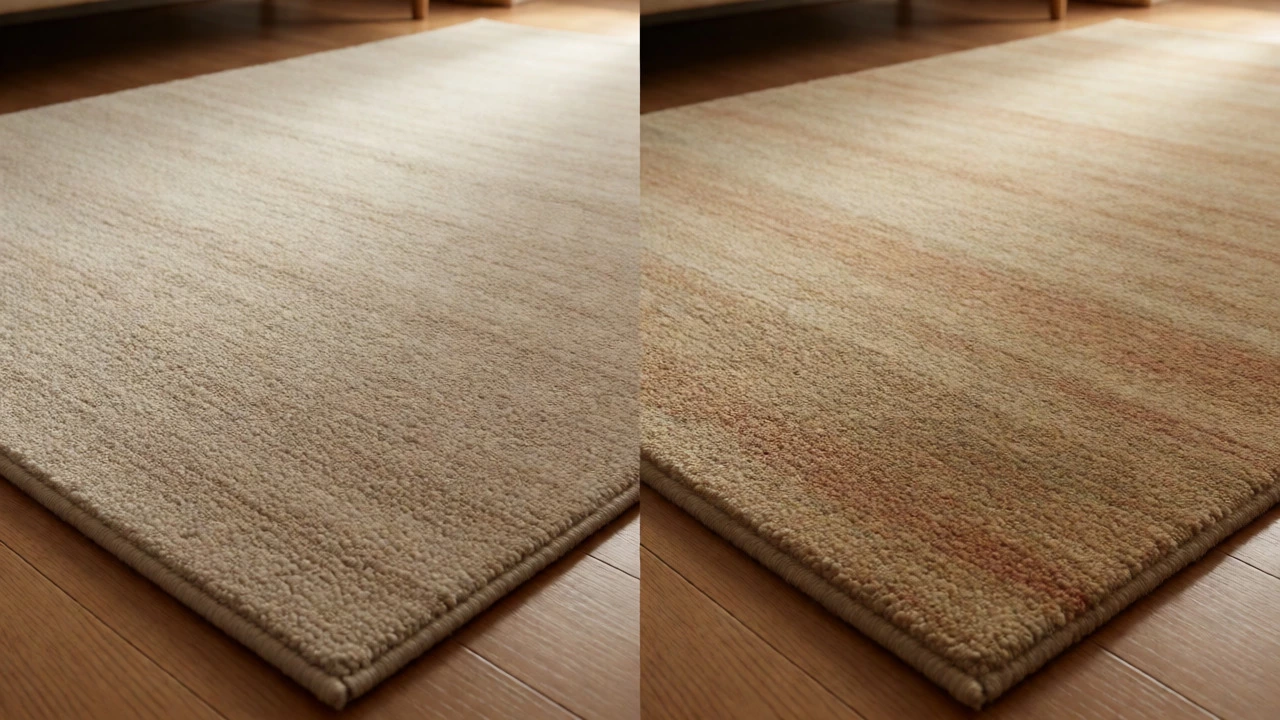
Let’s start with the raw ingredients. Most budget-friendly rugs are made from synthetic fibers like polypropylene (often called olefin) or polyester. These plastics are cheap to produce, stain-resistant, and lightweight. If you spill red wine on a polypropylene rug, you can often blot it up without a trace. That sounds great, right? But here’s the catch: these fibers flatten over time. Within two years of heavy foot traffic, a cheap synthetic rug will look tired. The pile gets crushed, and the rug loses its bounce.
On the flip side, expensive rugs typically use natural fibers, most commonly wool or silk. Wool is naturally resilient. It springs back after being walked on, which means a high-quality wool rug can last decades, not just seasons. It’s also fire-resistant and regulates humidity, making your home feel more comfortable. Silk adds a luminous sheen that synthetics can’t mimic, but it requires careful maintenance.
| Feature | Cheap Rug (Synthetic) | Expensive Rug (Natural) |
|---|---|---|
| Primary Material | Polypropylene, Polyester | New Zealand Wool, Silk, Cotton |
| Lifespan | 1-3 Years | 10-50+ Years |
| Feel Underfoot | Plastic-like, stiff | Soft, springy, warm |
| Eco-Impact | High (petroleum-based) | Low (biodegradable) |
How It’s Made: Machine-Made vs. Hand-Knotted
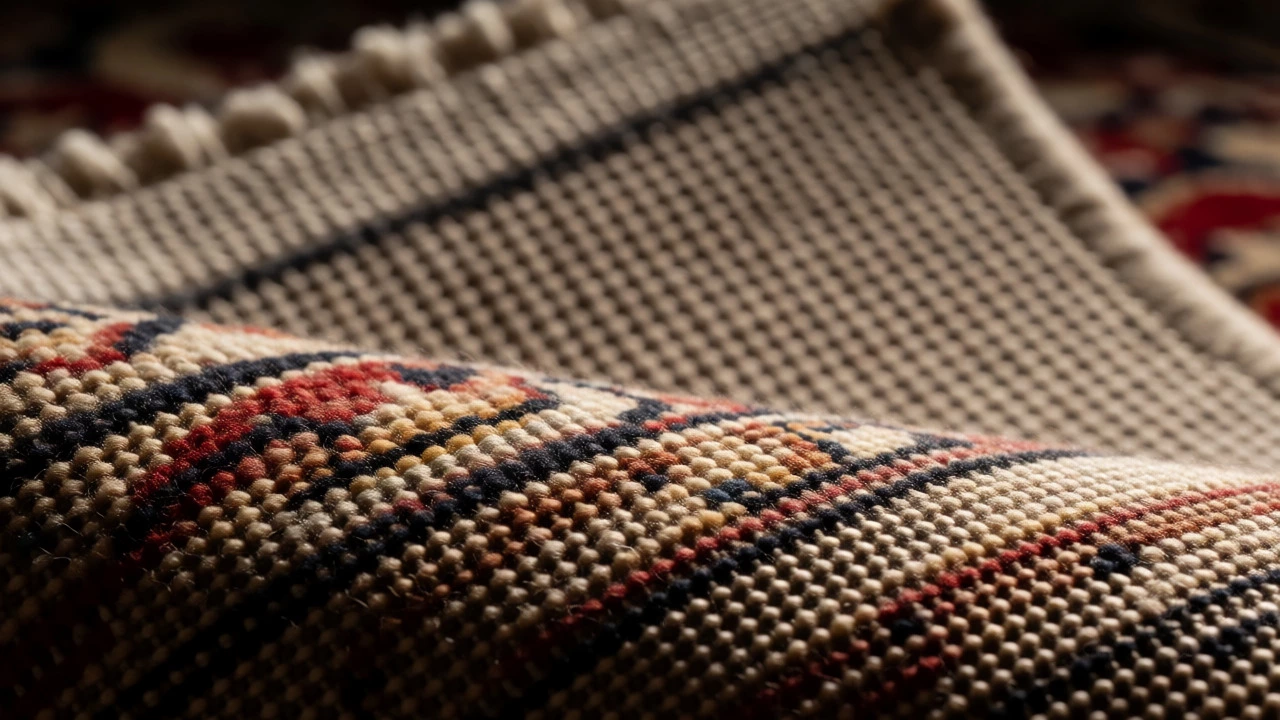
The construction method is the biggest driver of price. A machine-made rug is produced by a power loom. These machines punch thousands of tufts into a backing material every minute. It’s fast, efficient, and uniform. Every knot looks exactly like the next. This consistency is why machine-made rugs are affordable. However, they lack soul. They are mass-produced commodities.
An expensive rug is often hand-knotted. This process involves tying individual knots onto warp threads by hand. A skilled weaver might tie only 10 to 20 knots per square inch (KPSI) if they are working quickly, but high-end Persian or Oriental rugs can exceed 100 KPSI. Imagine tying a knot 100 times in a space the size of your thumbnail. Now imagine doing that for months. That’s where the labor cost comes in.
There’s also tufted rugs, which sit in the middle. A worker uses a gun to push yarn through a primary backing, then glues a secondary backing on. Tufted rugs are faster than hand-knotting but slower than machine-weaving. They offer a soft pile but often suffer from shedding because the glue can degrade over time.
Dye Quality: Why Colors Fade Differently
Have you ever noticed how some rugs look vibrant for a year, then suddenly turn dull or muddy? That’s usually a dye issue. Cheap rugs use acid dyes or reactive dyes applied in bulk batches. While modern technology has improved colorfastness, these dyes can still bleed when wet. If you clean a cheap rug improperly, the blue might run into the white, ruining the pattern.
Expensive rugs often use vegetable dyes or high-grade chrome dyes. Vegetable dyes, derived from plants, roots, and insects, age beautifully. Instead of fading away, they mellow out, developing a patina that collectors love. This is known as "abrash"-a slight variation in color within the same hue that gives handmade rugs depth and character. Synthetic rugs don’t have abrash; their colors are flat and uniform, which can look artificial under bright sunlight.
Design Originality: Copyright vs. Artistry
Look closely at the pattern. Does it look slightly off-center? Are the lines perfectly straight? In a machine-made rug, yes. The computer controls every pixel. But this perfection can feel sterile. Many cheap designs are also copies. Brands take popular patterns from traditional Persian or Turkish motifs, simplify them, and print them en masse. You aren’t buying art; you’re buying a photocopy of art.
Expensive rugs are often original designs created by artisans. Even if the design is traditional, the execution varies. No two hand-knotted rugs are identical. Small imperfections-a slightly uneven border, a tiny knot variation-are proof of human touch. These flaws add value because they tell a story. When you buy an expensive rug, you’re supporting a craft tradition that dates back centuries, not just decorating a floor.
Durability and Long-Term Value
Think about total cost of ownership. A $100 rug that needs replacing every three years costs you $300 over nine years. A $900 hand-knotted wool rug that lasts thirty years costs less per year and retains resale value. Yes, high-quality rugs can be sold later. Antique and vintage pieces often appreciate in value, especially if they are well-maintained.
Synthetic rugs rarely hold value. Once they show wear, they are discarded. There’s no market for a five-year-old polypropylene rug. Wool rugs, however, are durable assets. With proper care-regular vacuuming and occasional professional cleaning-they become heirlooms. My grandmother’s rug is over forty years old, and it looks better now than it did when new. Try that with a big-box store find.
Health and Environmental Impact
This is a factor many people ignore until they smell the new rug. Cheap synthetic rugs often emit volatile organic compounds (VOCs). That "new carpet" smell is actually chemicals off-gassing from adhesives and plasticizers. For households with allergies, asthma, or young children crawling on the floor, this matters. Polypropylene can trap static electricity and dust, which is harder to remove than from natural fibers.
Natural fiber rugs are hypoallergenic and breathable. Wool traps dust particles deep within the fiber rather than letting them float in the air, improving indoor air quality. Plus, wool is biodegradable. When a wool rug finally reaches the end of its life, it breaks down naturally. A synthetic rug sits in a landfill for hundreds of years, shedding microplastics as it degrades.
When Should You Buy Which?
So, do you always need to spend big? Not necessarily. Context is key. Here’s a quick guide:
- Buy a cheap rug if: You’re renting, have pets that chew, or have small kids who spill everything. High-traffic entryways or mudrooms are also good spots for durable, washable synthetics.
- Buy an expensive rug if: It’s the centerpiece of your living room, you want warmth and comfort underfoot, you care about sustainability, or you view it as a long-term investment.
- Consider mid-range (tufted/hand-tufted) if: You want the look of handmade without the full price tag, but accept that it won’t last forever.
Ultimately, the difference between a cheap and an expensive rug is about intention. One is a disposable commodity; the other is a crafted object. Knowing this helps you decide where to save and where to splurge.
Do expensive rugs really last longer?
Yes. High-quality wool rugs can last 20 to 50 years or more with proper care. Synthetic rugs typically degrade in structure and appearance within 2 to 5 years due to pile crushing and fiber breakdown.
Are synthetic rugs bad for health?
They can be. Cheap synthetic rugs often off-gas VOCs from adhesives and plastics, which may irritate sensitive individuals. They also generate more static and can harbor dust mites differently than natural fibers.
Can I wash a hand-knotted rug at home?
It’s risky. Hand-knotted wool rugs require professional cleaning to prevent shrinkage, color bleeding, and damage to the foundation. DIY washing can ruin the structural integrity of expensive rugs.
Why are some handmade rugs cheaper than others?
Price depends on knot density (KPSI), material quality, and country of origin. Lower KPSI means fewer knots and less labor. Coarser wools or lower-grade silk also reduce costs compared to premium New Zealand wool or pure silk.
Is a tufted rug considered cheap or expensive?
Tufted rugs are mid-range. They are more expensive than machine-made but cheaper than hand-knotted. They offer a soft feel but rely on glue, which can fail over time, limiting their lifespan compared to knotted rugs.