70-30 Rule in Interior Design: A Simple Guide for Perfect Cushion Arrangement
 Feb, 5 2026
70-30 Cushion Ratio Calculator
How It Works
The 70-30 rule means 70% of your cushions should match the dominant color (usually your sofa), while 30% should be an accent color. This creates visual harmony without overwhelming your space.
For a 4-cushion sofa: 3 dominant + 1 accent = 70-30 ratio
Your Cushion Calculator
Recommended Arrangement
Enter the number of cushions to see your ideal arrangement
Real-World Examples
See how the 70-30 rule works across different room settings:
| Room Type | Dominant Color | Accent Color | Arrangement |
|---|---|---|---|
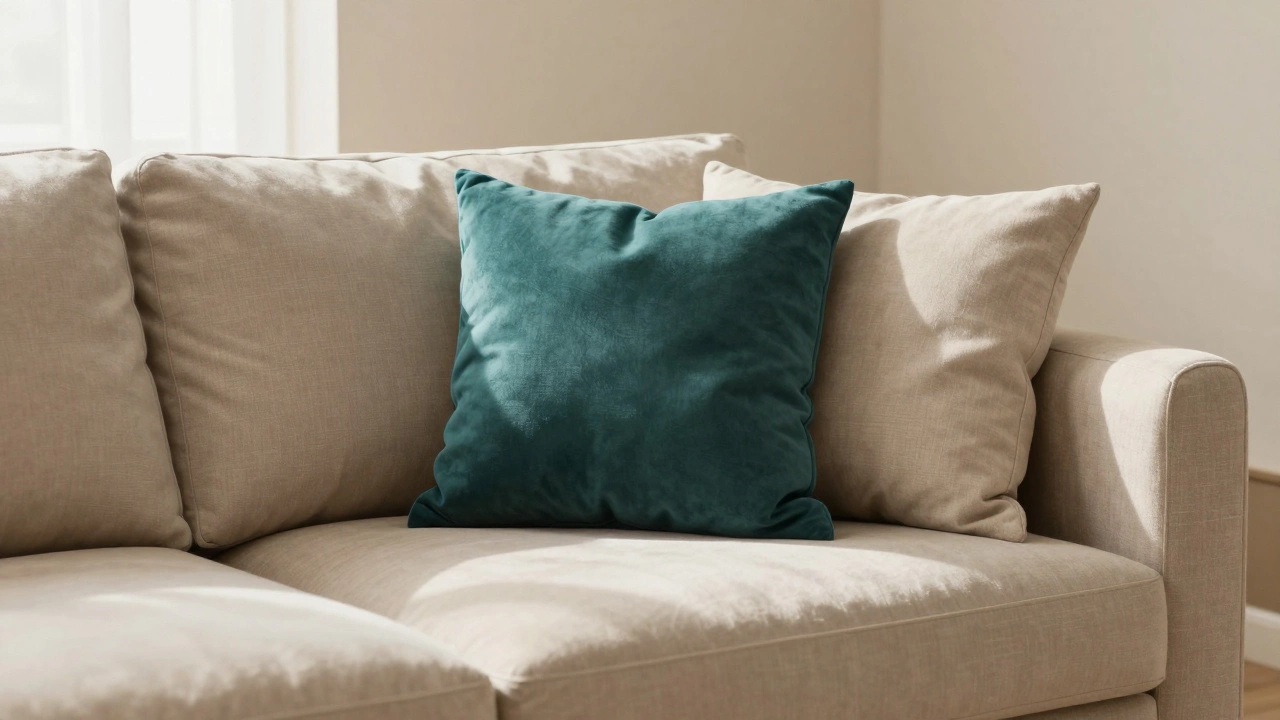
| Living Room | Beige sofa | Deep teal | 3 beige, 1 teal |
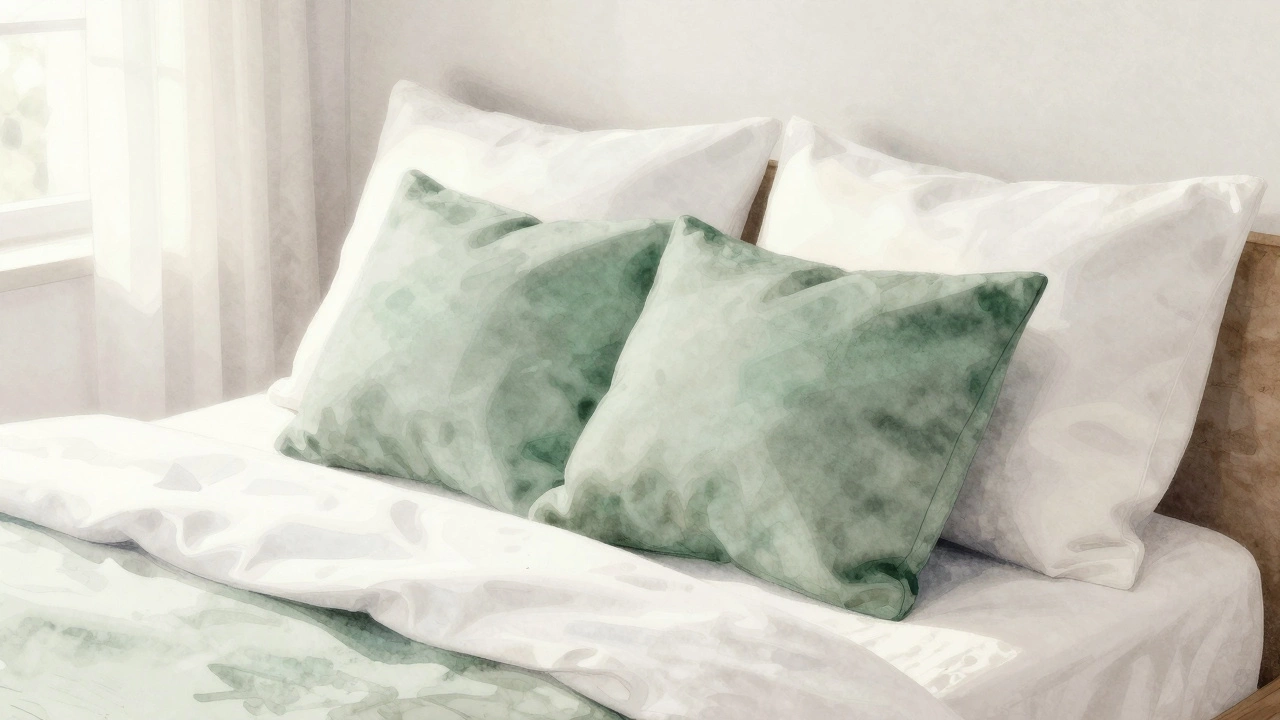
| Bedroom | Soft white bedding | Warm mustard | 2 white, 1 mustard |
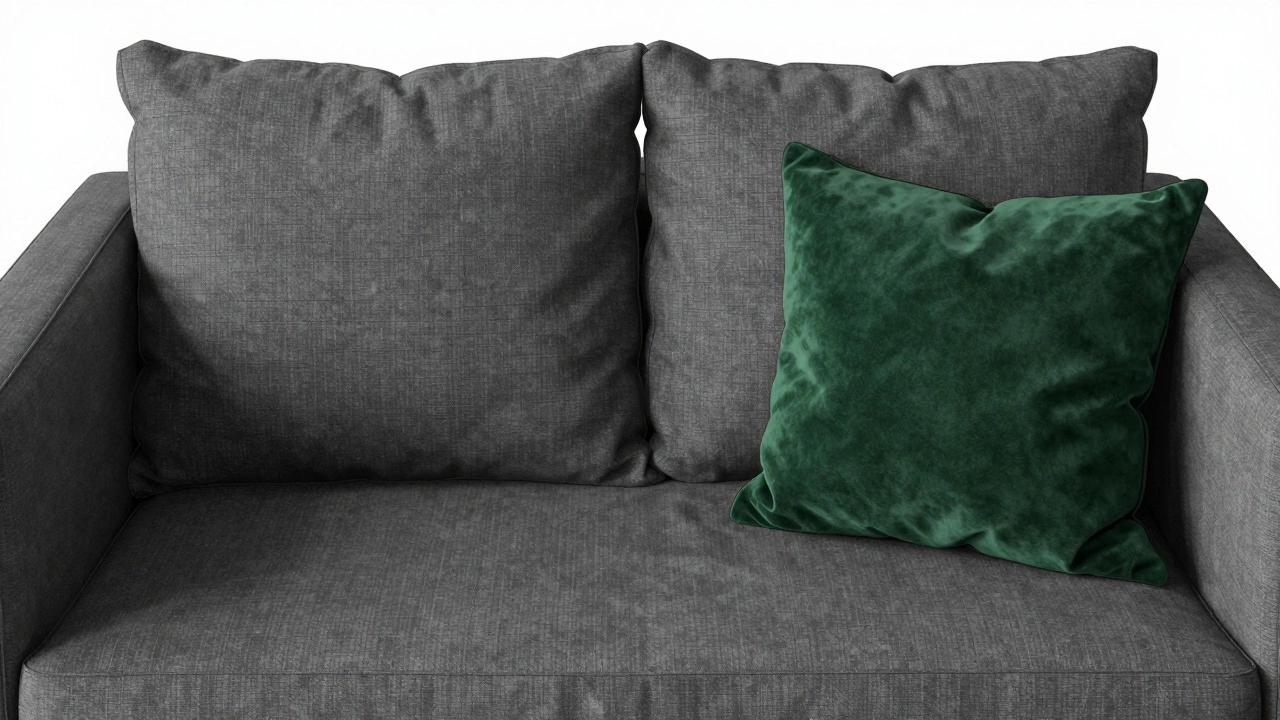
| Home Office | Charcoal chair | Forest green | 2 charcoal, 1 green |
Ever arranged a set of cushions on your sofa only to feel something's off? That's probably because you're not following the 70-30 rule-a simple trick that turns chaotic cushion arrangements into harmonious designs. This isn't some fancy designer secret. It's a straightforward color ratio that works for any room, and cushions are the easiest place to start.
What exactly is the 70-30 rule?
70-30 rule is a design principle where 70% of a space uses a dominant color or element, and 30% uses an accent to create balance. Think of it like baking: you need mostly flour (70%) and just a pinch of sugar (30%) to get the right taste. In interior design, the dominant color is usually neutral-like beige, gray, or white-and the accent color pops. When applied to cushions, this means most of your cushion covers should match the sofa's main color, while a smaller portion introduces contrast.
How the rule works for cushions
Let's say your sofa is a soft gray. Following the 70-30 rule, 70% of your cushion colors should be gray too. The remaining 30% could be a bold blue or warm terracotta. For a standard three-seater sofa, this usually means two gray cushions and one accent-colored one. Four cushions? Three gray and one accent. The key is proportion, not exact numbers. If you have a patterned sofa, like a subtle geometric print, the rule still applies: 70% of the cushion colors should match the sofa's base tone, while 30% introduces a new shade.
| Room Type | Dominant Color | Accent Color | Cushion Ratio |
|---|---|---|---|
| Living Room | Beige sofa | Deep teal | 3 beige, 1 teal |
| Bedroom | Soft white bedding | Warm mustard | 2 white, 1 mustard |
| Home Office | Charcoal chair | Forest green | 2 charcoal, 1 green |
Common mistakes people make
Many try to use the 70-30 rule but mess up the basics. One big error is using too many accent colors. If you put three blue cushions and one beige on a beige sofa, you're breaking the rule. The accent should feel intentional, not overwhelming. Another mistake is ignoring texture. If all your cushions are smooth fabric, even with the right colors, the arrangement looks flat. Mix textures-like a velvet accent cushion with a linen main cushion-to add depth without changing the color ratio.
Also, people often forget the room's overall color scheme. The 70-30 rule applies to the whole space, not just cushions. If your walls are pale yellow (70%), your cushions should support that. Using bright red cushions on a yellow wall might clash, even if the cushion ratio is perfect. Always check how cushions interact with other elements like rugs or curtains.
Practical tips for different rooms
Living rooms need energy. Use a neutral sofa (like charcoal or cream) with cushions that follow 70-30. For example, two cream cushions and one rust-colored one. Rust adds warmth without overpowering. In bedrooms, go softer. A white duvet cover with two white pillows and one sage green one creates calm. For home offices, keep it professional but not boring. A black desk chair with two black cushions and one deep burgundy adds subtle sophistication.
Don't forget about size. Mix large, medium, and small cushions, but keep the color ratio intact. A large navy cushion with two medium gray ones and a small mustard accent works well. The size variation adds interest while staying within the 70-30 balance.
Step-by-step guide to applying the rule
Start by identifying your room's dominant color. Look at walls, large furniture, and flooring. That's your 70%. Next, choose one accent color that complements it. Test it with paint samples or fabric swatches. Then, count your cushions. For a sofa with three cushions, two should be dominant color, one accent. For four cushions, three dominant, one accent. Finally, add texture variation within the ratio. If your dominant color cushions are smooth, make the accent cushion textured-like woven or embroidered.
Pro tip: Take a photo of your arrangement. Step back and squint. If the accent color jumps out too much, you've used too much. If everything blends together, you need more contrast. The sweet spot is when the accent feels intentional but not distracting.
Frequently Asked Questions
Can I use patterns for the 70-30 rule?
Absolutely. Patterns work as long as they follow the color ratio. If your dominant color is beige, choose a beige-based pattern for 70% of cushions. For the 30% accent, use a pattern that includes your accent color-like a geometric print with teal accents. Avoid mixing multiple patterns unless they share the same color family.
What if my sofa is already patterned?
Identify the base color in the pattern. That's your dominant color (70%). Then choose one accent color that appears in the pattern but isn't dominant. For example, if your sofa has a floral print with cream base and rose accents, use cream cushions for 70% and rose for 30%. This keeps the pattern cohesive.
Does this rule apply to bed pillows too?
Yes. For a bed, the duvet cover is usually the dominant color (70%). Use two standard pillows in that color and one accent pillow (30%). If your duvet is white, use white pillows for 70% and a soft lavender one for 30%. This creates a relaxed, layered look without clutter.
How does lighting affect the rule?
Natural light changes how colors look. Test your cushion colors in different lighting. A blue accent might look vibrant in daylight but dull at night. For rooms with low light, use brighter accents. For sunny rooms, softer accents prevent overwhelming. Always check how your cushions look at different times of day before finalizing.