How to Spot a Quality Rug: A Buyer's Guide
Learn how to spot a quality rug by checking density, materials, and construction. Avoid overpaying for fakes with this expert buyer's guide.
Rugs can change a room in seconds. They add color, soften hard floors, and hide traffic marks. But with so many options, it’s easy to feel stuck. This guide gives you the basics you need to pick a rug that fits your style, budget, and lifestyle.
First, think about the material. Wool is soft, warm, and naturally resistant to stains – great for living rooms with kids or pets. Synthetic fibers like polyester or polypropylene are budget‑friendly and hold up well in high‑traffic areas such as hallways. If you want a luxurious feel, silk offers a shine you can’t get from other fabrics, but it needs careful cleaning and is best for low‑traffic spots.
Natural fibers like jute or sisal are perfect for a casual, earthy vibe. They’re hard‑wearing, but they don’t feel as plush underfoot. When you decide on material, also check the pile height. Low‑pile rugs work well on sliding doors or under furniture, while high‑pile feels cozy in bedrooms or reading nooks.
Measure the space before you buy. A common mistake is grabbing a rug that’s too small, leaving exposed floor that looks unfinished. As a rule of thumb, leave about 18‑24 inches of bare floor around the rug in a living room. In a bedroom, the rug should extend at least a foot beyond the bed on each side.
Placement matters for comfort and acoustics. Layering a rug over carpet can add texture and reduce noise, but choose a thin, non‑slip rug so it doesn’t bunch up. If you’re covering a wooden floor, a rug pad prevents slipping and protects both the rug and the floor.
Style is where you get to have fun. Modern geometric patterns fit a sleek décor, while Persian or tribal designs add a classic touch. If you’re not sure, start with a neutral color—beige, gray, or ivory—then add accent pillows or throws for pops of color.
Durability also plays a role. Look for rugs with a tight knot count if you’re eyeing hand‑knotted pieces; more knots usually mean a longer‑lasting rug. For machine‑made rugs, check the backing – a sturdy, non‑slip backing extends the rug’s life.
Cleaning doesn’t have to be a nightmare. Vacuum weekly to lift dust, and spot‑clean spills right away with a mild detergent. For deeper cleaning, a professional steam clean once a year keeps the fibers fresh without damaging the texture.
Finally, set a realistic budget. You can find decent quality wool rugs for $200‑$400, while high‑end silk pieces can exceed $1,000. Remember, a higher price often means better material and craftsmanship, but you don’t need to break the bank to get a rug that lasts.
With these tips in mind, you’re ready to browse our rug collection and pick the one that feels right for your home. Whether you need a cozy bedroom rug, a durable hallway runner, or a statement piece for the living room, Cozy Cove has options that match every taste and price point.
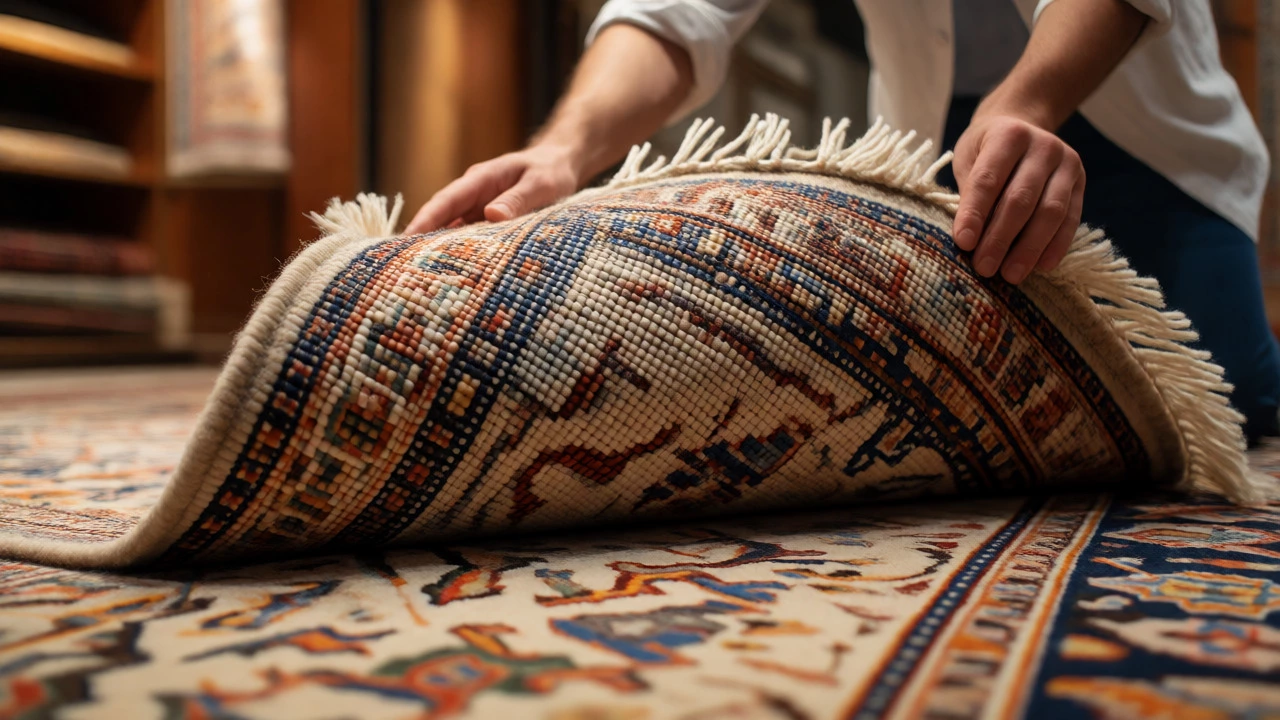
Learn how to spot a quality rug by checking density, materials, and construction. Avoid overpaying for fakes with this expert buyer's guide.
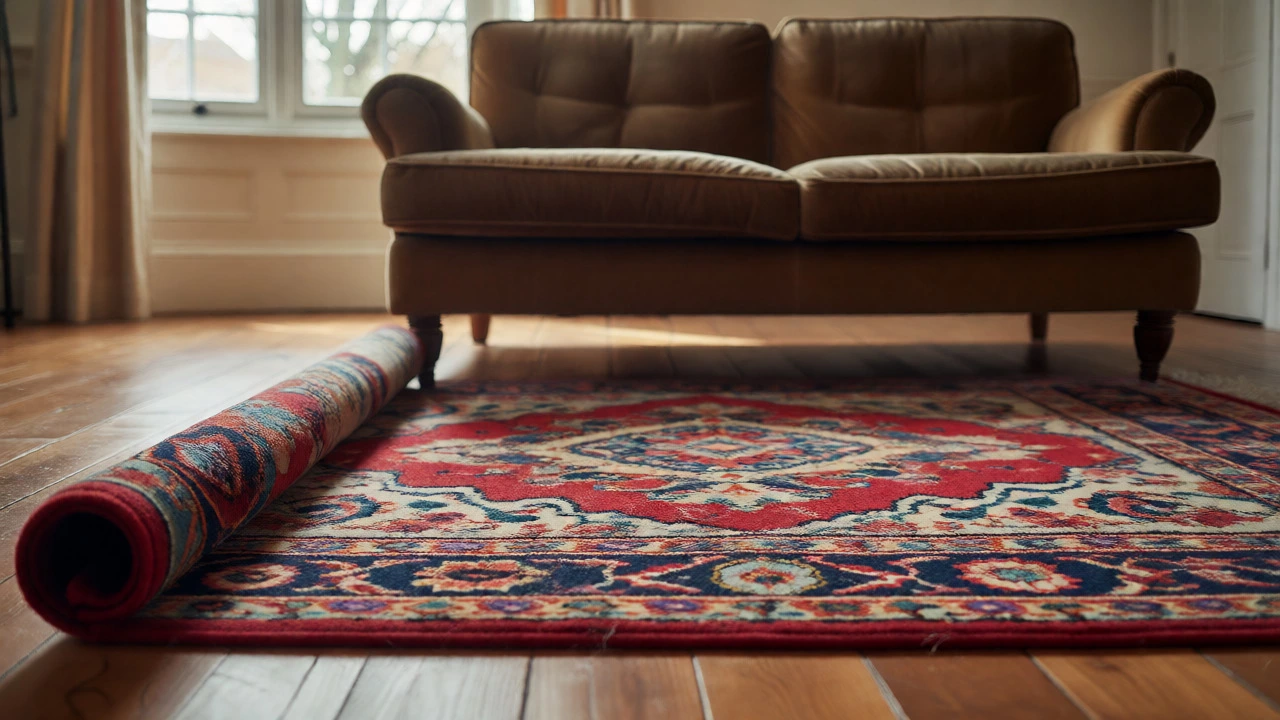
Learn when and how to safely place furniture on a new rug. Discover tips to prevent permanent indentations and extend your rug's lifespan.
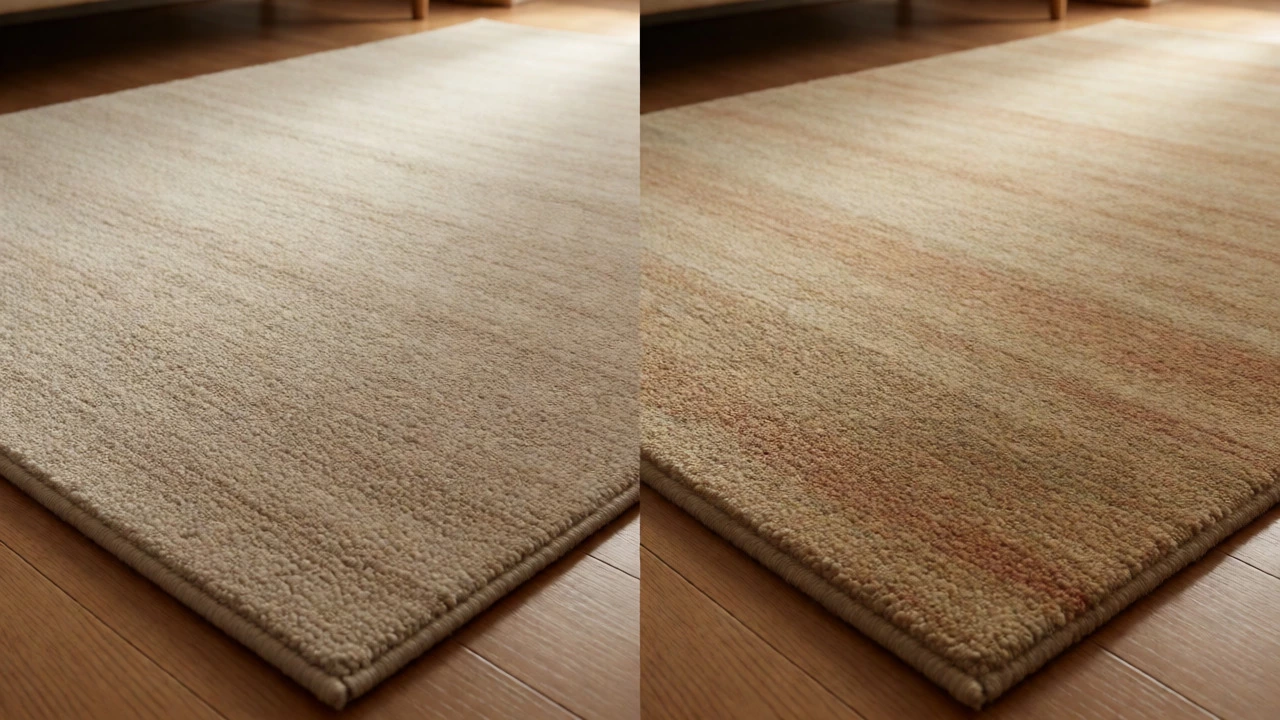
Discover the real differences between cheap and expensive rugs. Learn how materials, construction, and dyes affect durability, aesthetics, and value.
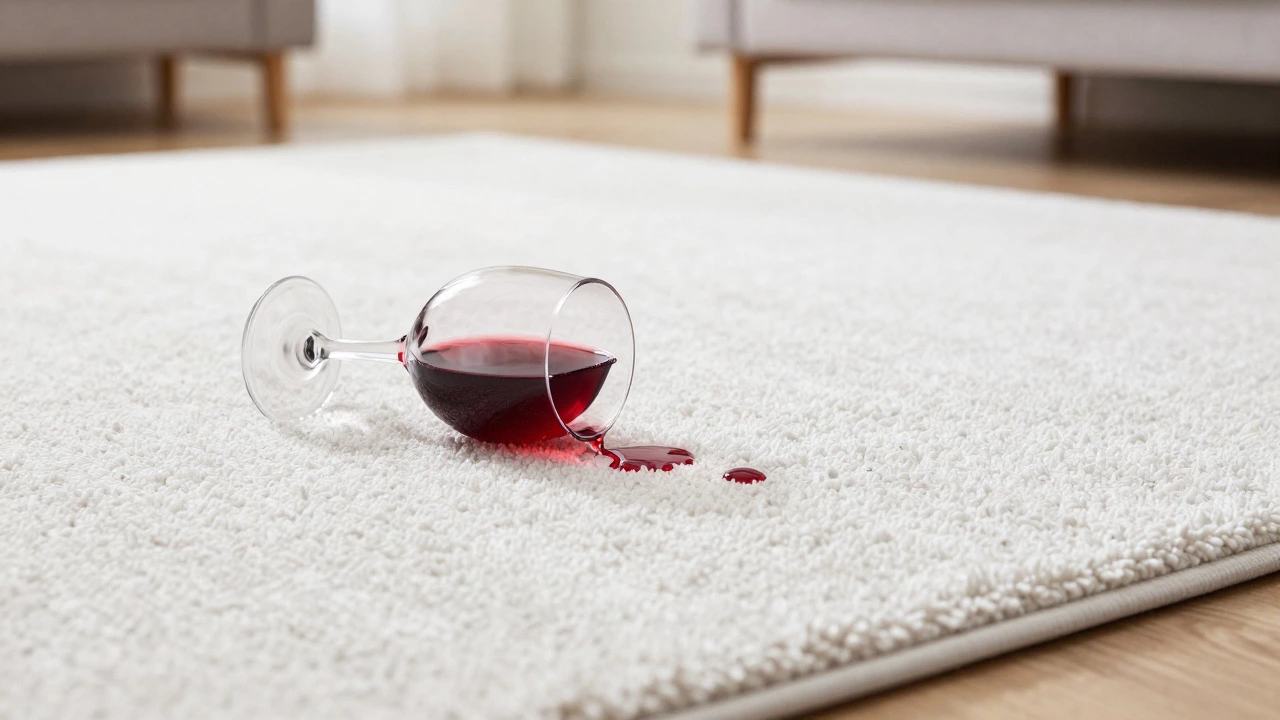
Discover which rug materials and styles are easiest to maintain. Learn why nylon and polypropylene beat wool for busy households, plus practical cleaning routines that save time.
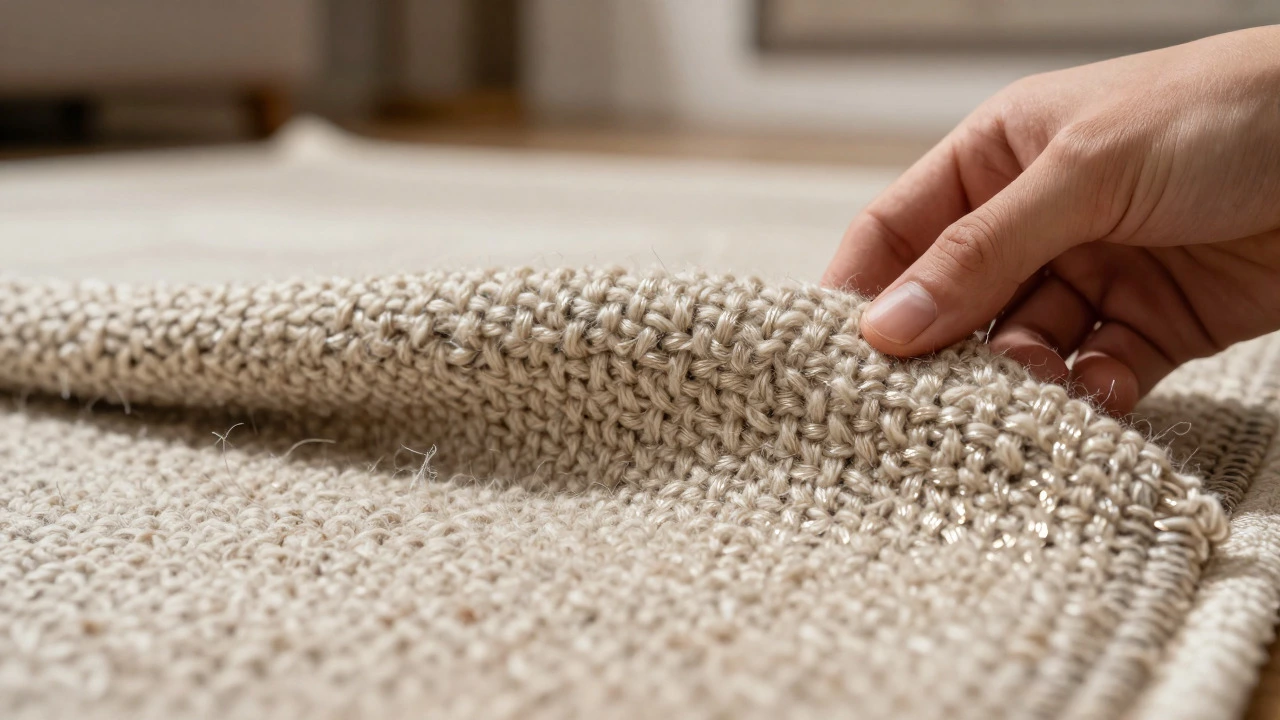
Learn how to identify expensive rugs by examining knot count, fiber quality, and construction methods. Discover the signs of hand-knotted authenticity and natural dyes.
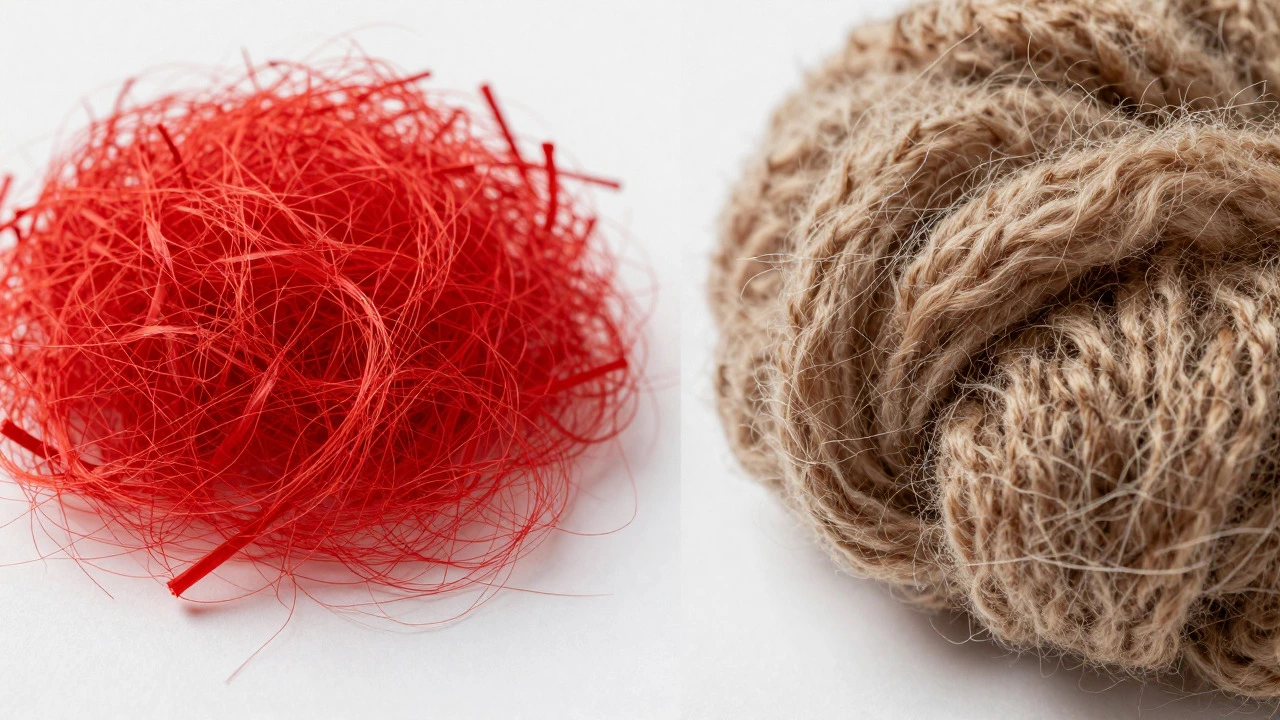
Discover why some rugs cost $30 while others cost $300. We break down materials, construction, and hidden costs to help you choose wisely.
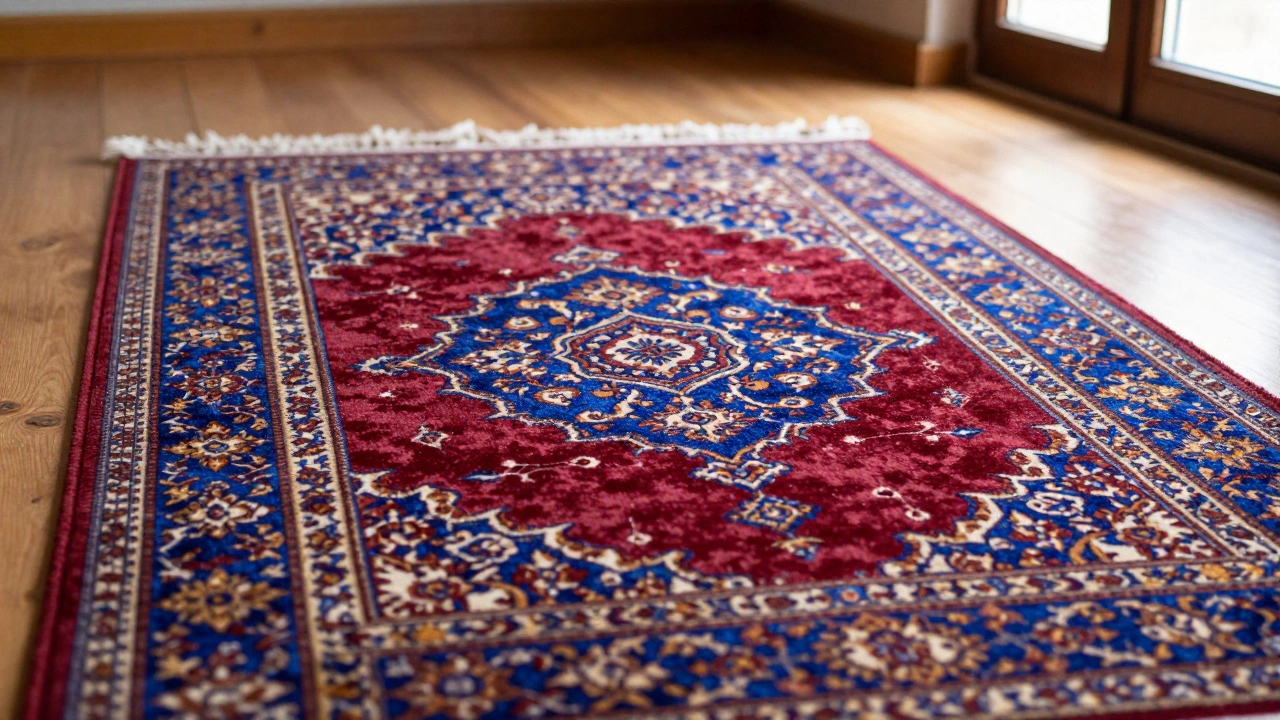
Learn how to identify a prayer rug by spotting the mihrab arch, religious symbols, and traditional weaving techniques. Understand regional styles and care tips.
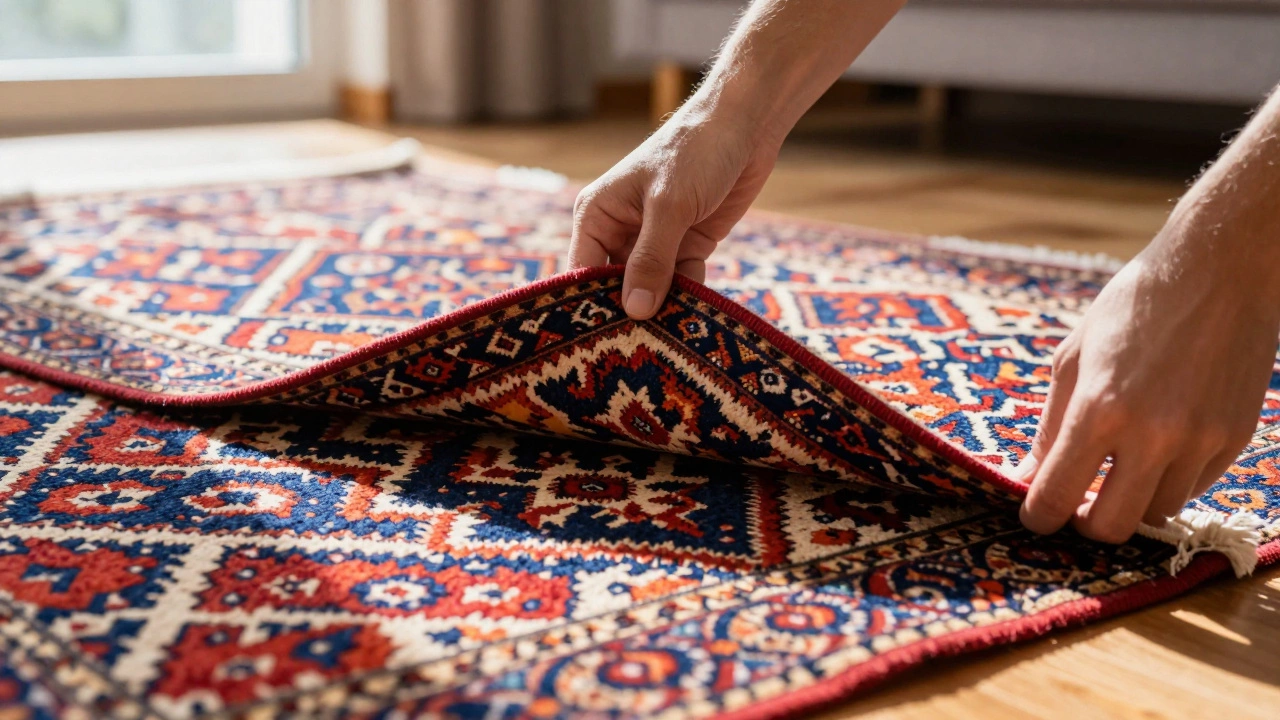
Flip your rug over to reveal its true story. Learn how to identify hand-knotted, tufted, and machine-made rugs by examining the backing. Discover what the underside says about quality, durability, and value.
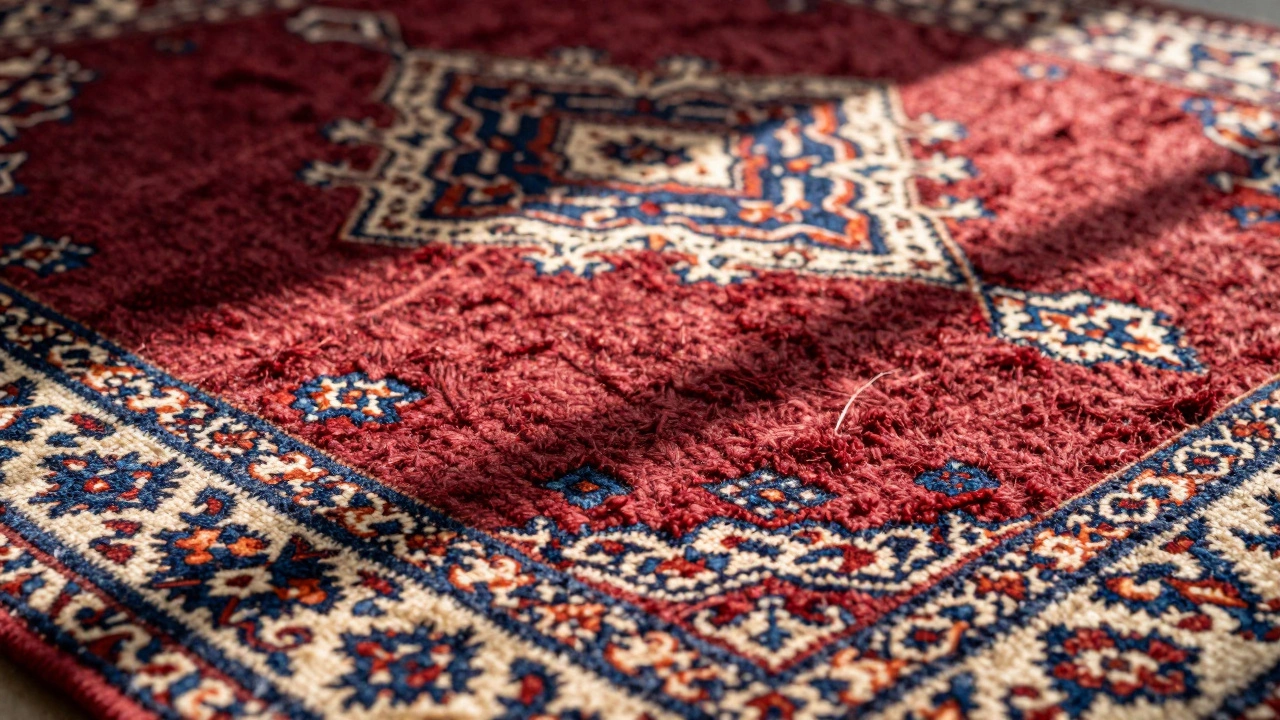
Discover the most comfortable rug types for your home. We compare wool, polyester, and nylon to help you find the perfect softness for bare feet.
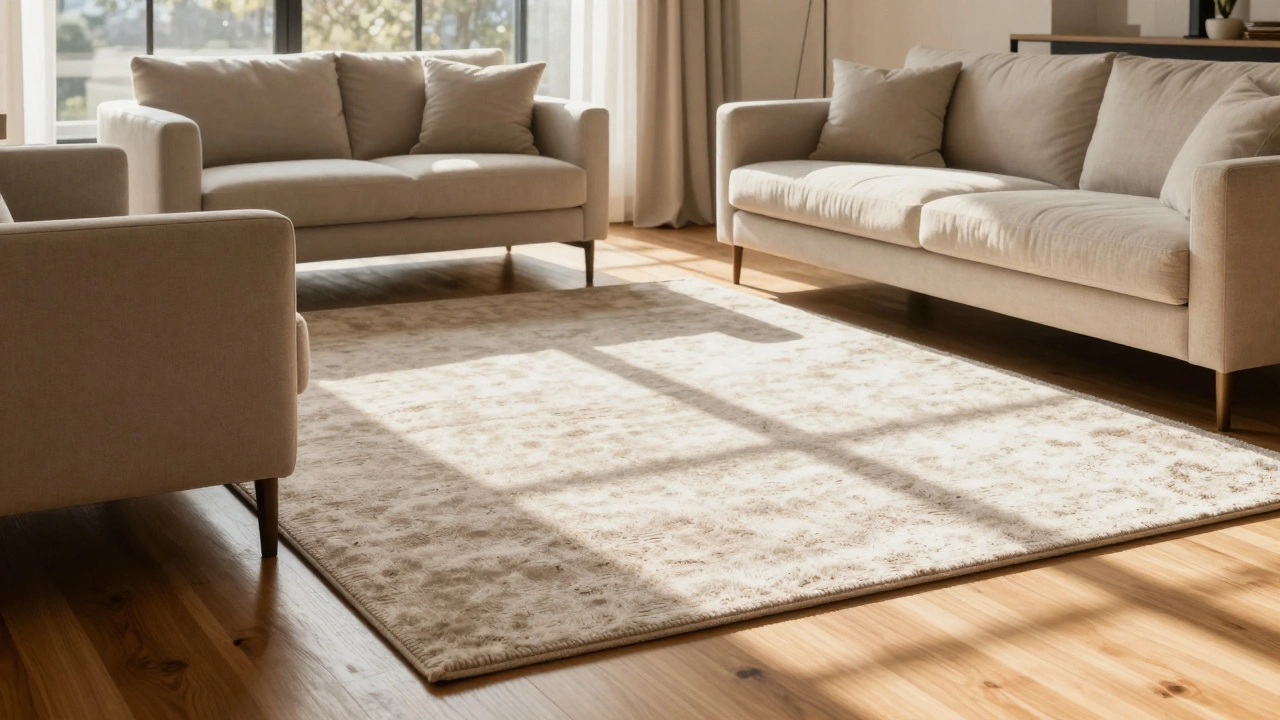
Discover why a rug shouldn't fill the whole floor. Learn expert sizing rules for living rooms, dining areas, and bedrooms to create balanced, stylish spaces without overwhelming your home.
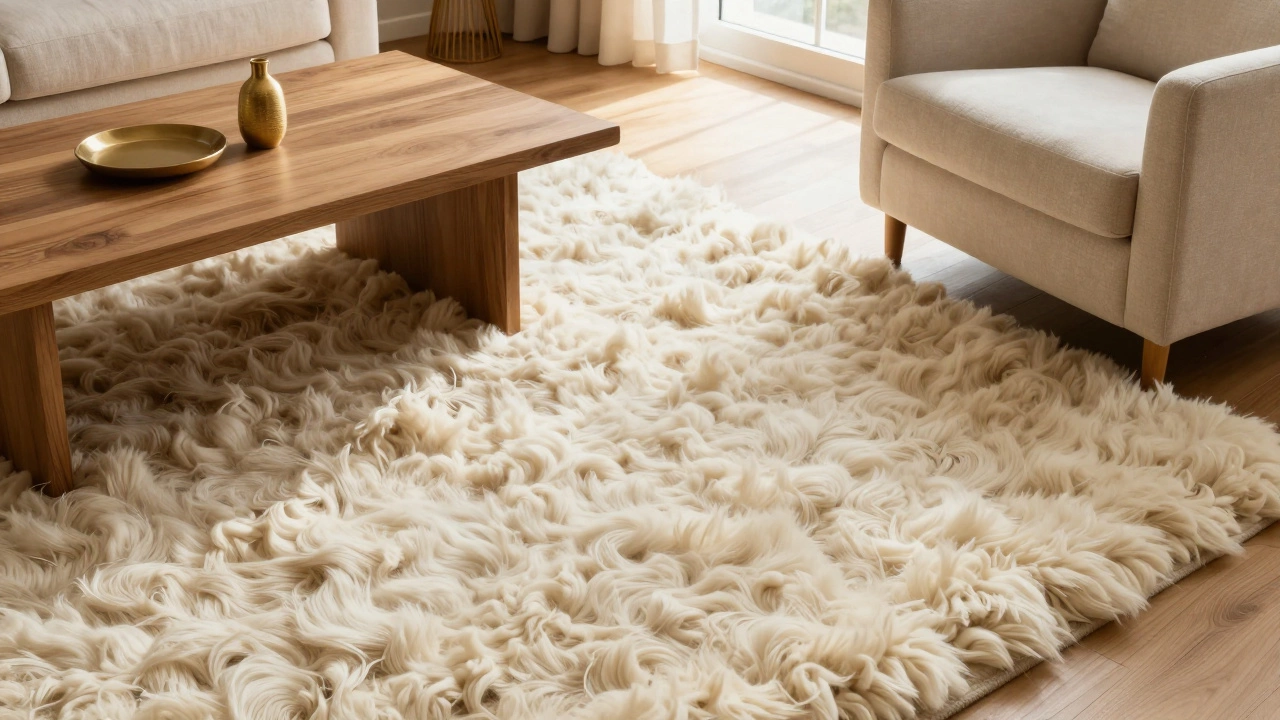
Discover the hardest wearing rug materials for your home. Compare wool, polypropylene, and sisal to find the most durable option for high-traffic areas.
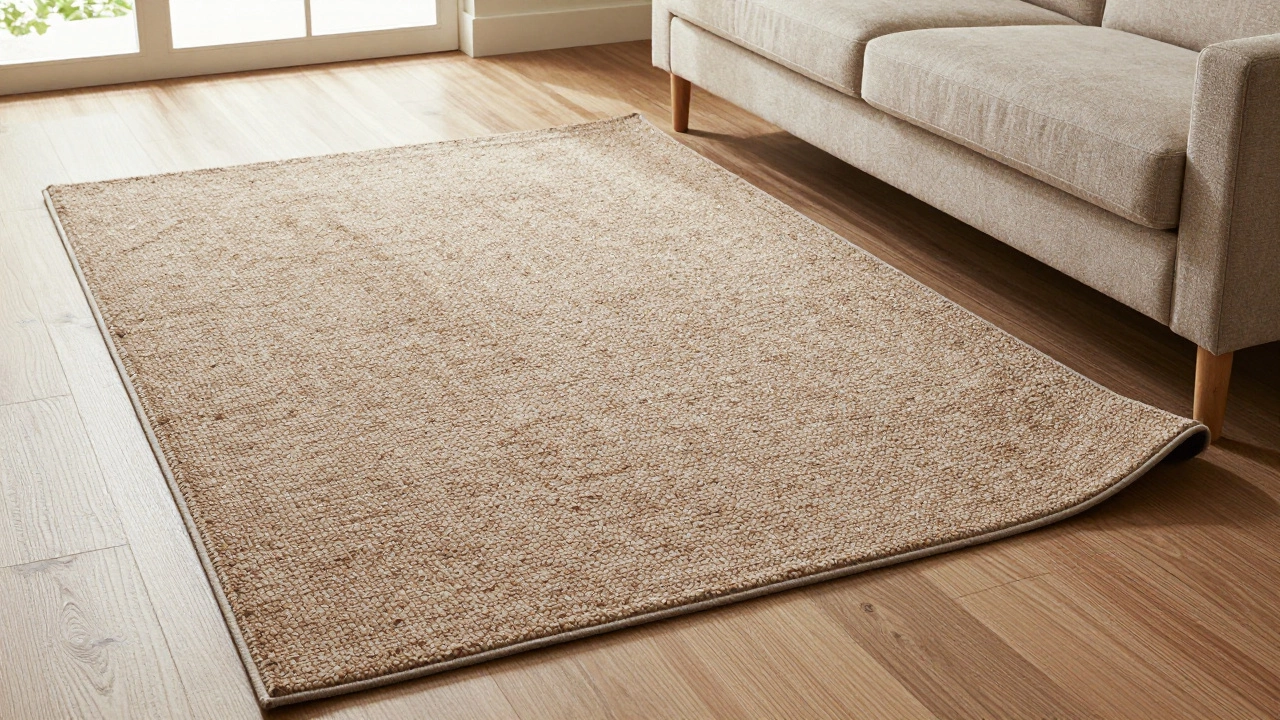
Learn which rug types work best on carpet-focusing on backing, thickness, and material. Avoid slipping, bunching, and damage with expert tips for 2026.