Bedroom Curtains: Long or Short? The Ultimate Guide to Length
 Sep, 14 2026
Bedroom Curtain Length Calculator
Find the ideal curtain drop to avoid common design mistakes. Enter your measurements below.
You’re standing in your bedroom, holding a tape measure, staring at a window that seems to defy logic. You’ve picked out the perfect fabric-maybe it’s a heavy velvet for winter warmth or a breezy linen for summer light-but now you’re stuck on the one thing that can make or break the look: curtain length. Should they pool on the floor like a dramatic movie scene, hover just above the ground for easy cleaning, or stop neatly at the sill?
This isn’t just about aesthetics; it’s about how the room feels. Get it wrong, and your expensive drapes look like they belong in a school hallway or a budget hotel. Get it right, and suddenly your bedroom feels taller, cozier, and intentionally designed. There is no single "correct" answer because it depends on your ceiling height, your flooring, and what you actually do with those windows. Let’s break down exactly how to decide.
The Three Standard Lengths (And When to Use Them)
Interior designers generally agree on three main lengths. Knowing these helps you avoid the awkward middle ground where curtains look too short or accidentally long.
| Length Style | Distance from Floor | Best For | Pros & Cons |
|---|---|---|---|
| Floating | 1-4 cm above floor | Modern homes, high-traffic areas |
|
| Kissing | Touches floor lightly | Formal bedrooms, traditional styles |
|
| Puddling | 5-30 cm extra on floor | Luxury suites, low-traffic zones |
|
Why "Floor-Length" Is Usually the Best Choice for Bedrooms
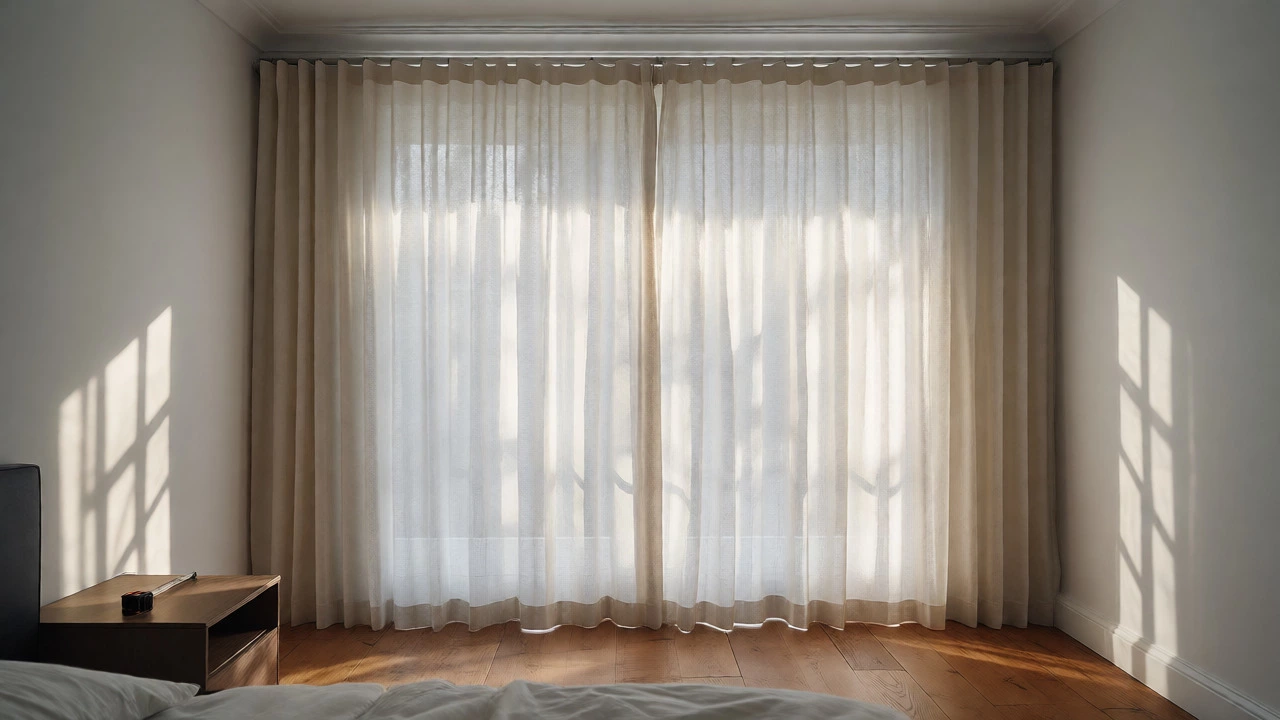
If you are unsure, go with floor-length curtains that either float slightly or kiss the floor. Here’s why: bedrooms are retreats. We want them to feel enveloping and calm. Short curtains that end at the window sill tend to cut off the visual flow of the wall, making the room feel choppy and smaller. Long curtains draw the eye upward, creating an illusion of height. This is especially true if you mount your curtain rod close to the ceiling rather than just above the window frame.
In Auckland, where we deal with a mix of older villas with high ceilings and modern apartments with standard heights, this rule holds up. In a villa, pooling curtains emphasize the grandeur. In an apartment, floating curtains keep things airy without dragging the space down. If you have carpet, floating is safer. If you have timber floors, kissing the floor looks intentional and sharp.
How to Measure Correctly (So They Don’t Look Cheap)
Most people measure wrong because they start from the top of the window frame. Don’t do that. Start from where the curtain rod will sit.
- Step 1: Decide where the rod goes. For maximum impact, install it 10-15 cm below the ceiling or crown molding.
- Step 2: Measure from the bottom of the rod ring (or hook) to the floor.
- Step 3: Subtract your desired gap. For a "floating" look, subtract 2 cm. For a "kiss," subtract 0 cm but add 1 cm for hem allowance if you’re sewing them yourself.
Remember, fabric shrinkage is real. If you buy cotton or linen curtains, wash them before hanging them. Natural fibers can shrink by 3-5% after the first wash. A 260 cm curtain might become a 252 cm curtain, turning your elegant floor-pooler into an accidental puddle-or-short situation depending on your initial measurement.

When Short Curtains Actually Work
Saying long is always better is lazy advice. Short curtains-specifically those ending at the window sill or apron (just below the sill)-have their place.
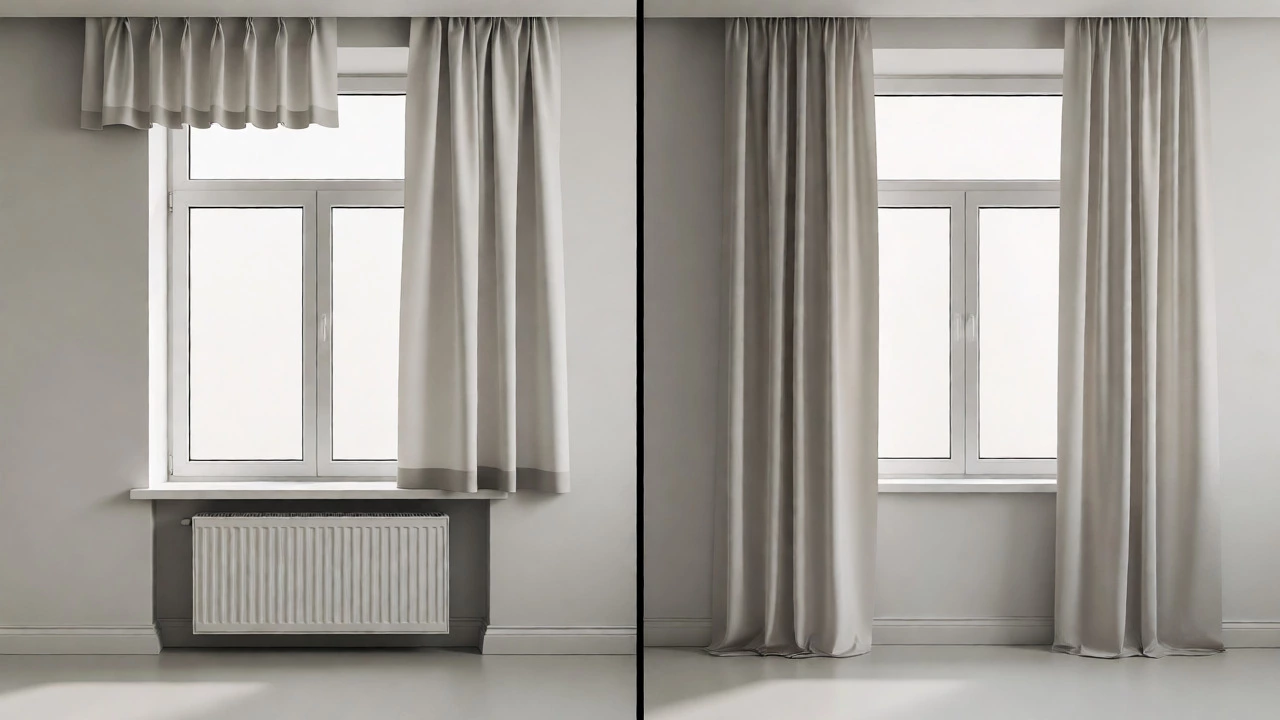
- Windows with Radiators: If you have a radiator under the window, long curtains will trap heat against the glass instead of letting it circulate. Short curtains solve this efficiency problem.
- Budget Windows: If you have a small, non-descript window that doesn’t need attention, short café-style curtains or Roman blinds can be charming without demanding visual weight.
- Child Safety: If you have toddlers who pull on everything, long curtains are a strangulation hazard and a laundry nightmare. Short, secure ties or blinds are often more practical.
However, if you choose short curtains, ensure they are wide enough. A common mistake is using narrow panels that don’t cover the window when closed. Always buy curtains that are 2 to 2.5 times the width of the window to allow for proper gathering.
The Impact of Ceiling Height
Your ceiling height dictates the drama level.
Standard Ceilings (2.4m - 2.7m): Stick to floating or kissing lengths. Pooling can make the room feel cluttered and shorter. Mount the rod as high as possible to stretch the vertical line.
High Ceilings (2.8m+): You have permission to play. Pooling works beautifully here because there’s enough vertical space to absorb the extra fabric without overwhelming the room. It adds texture and softness to large spaces that can otherwise feel cold.
Low Ceilings (Below 2.4m): Avoid pooling entirely. It draws the eye down. Go for floating lengths and use light-colored fabrics to reflect light and push the walls outward visually.
Material Matters More Than You Think
The way a curtain hangs depends heavily on its weight. A lightweight polyester sheer won’t hold a pool shape; it will just look messy. Heavy materials like velvet, wool blends, or lined cotton hang straighter and cleaner.
If you want a relaxed, bohemian vibe, heavier linens that wrinkle easily can work with a slight puddle, provided you embrace the imperfection. But if you want a polished hotel look, stick to structured fabrics with interlining. Interlining is a layer of stiffening material sewn between the face fabric and the lining. It gives curtains body, helping them fall in deep, uniform folds rather than looking flat against the wall.
Common Mistakes to Avoid
Here are the quick fixes that save you from regretting your purchase:
- Mounting Too Low: Placing the rod directly above the window frame makes windows look stubby. Raise it up!
- Ignoring Width: Thin curtains look cheap regardless of length. Gather them properly.
- Different Lengths on Same Wall: If you have multiple windows on one wall, they must all be the exact same length. Variations create visual chaos.
- Forgetting Hardware: The finial (the decorative end cap) matters. If you have short curtains, simple finials work best. With long, dramatic curtains, larger, statement finials balance the visual weight.
Final Verdict: What Should You Do?
For most bedrooms, aim for floor-length curtains that float 1-2 cm above the floor. This strikes the perfect balance between elegance and practicality. It looks tailored, allows for easy vacuuming underneath, and elongates the room. Only deviate from this if you have specific constraints like radiators, very low ceilings, or a desire for extreme luxury (pooling).
Measure twice, account for shrinkage, and don’t be afraid to raise your rod higher than you think you should. Your bedroom will thank you for it.
Should bedroom curtains touch the floor?
Ideally, no. For most homes, it is better to have them "float" 1-2 cm above the floor. This prevents dirt accumulation and allows for easy cleaning while maintaining a sleek, tailored appearance. Touching the floor ("kissing") is acceptable in formal settings but requires frequent washing.
How much extra fabric do I need for pooling curtains?
For a subtle pool, add 5-10 cm to your floor-to-rod measurement. For a dramatic, luxurious pool, add 15-30 cm. Keep in mind that pooling curtains collect dust and pet hair, so they are best suited for low-traffic bedrooms or households without shedding pets.
Do short curtains make a room look bigger?
Not necessarily. Short curtains can sometimes make a room feel chopped or cramped because they interrupt the vertical line of the wall. To make a room look bigger, use long curtains mounted high near the ceiling. This draws the eye upward and creates an illusion of height.
What if my curtains are too long?
If they are only slightly too long, you can use iron-on hem tape or tie-backs to shorten them temporarily. For a permanent fix, take them to a tailor or sew a new hem. If they are significantly too long, consider raising the curtain rod higher on the wall, which may reduce the excess length needed.
Is it okay to have different curtain lengths in the same house?
Yes, but consistency within a room is key. All windows on the same wall should match. Different rooms can have different styles based on function (e.g., short curtains in a bathroom vs. long in a bedroom), but try to maintain a cohesive aesthetic throughout the home.