Does Medicare Really Pay for Bathroom Remodels?
 Oct, 29 2026
Medicare Bathroom Remodel Coverage Checker
Find out what might be covered for your bathroom safety upgrades.
Coverage Assessment
Please select options and click "Check Coverage" to see results.
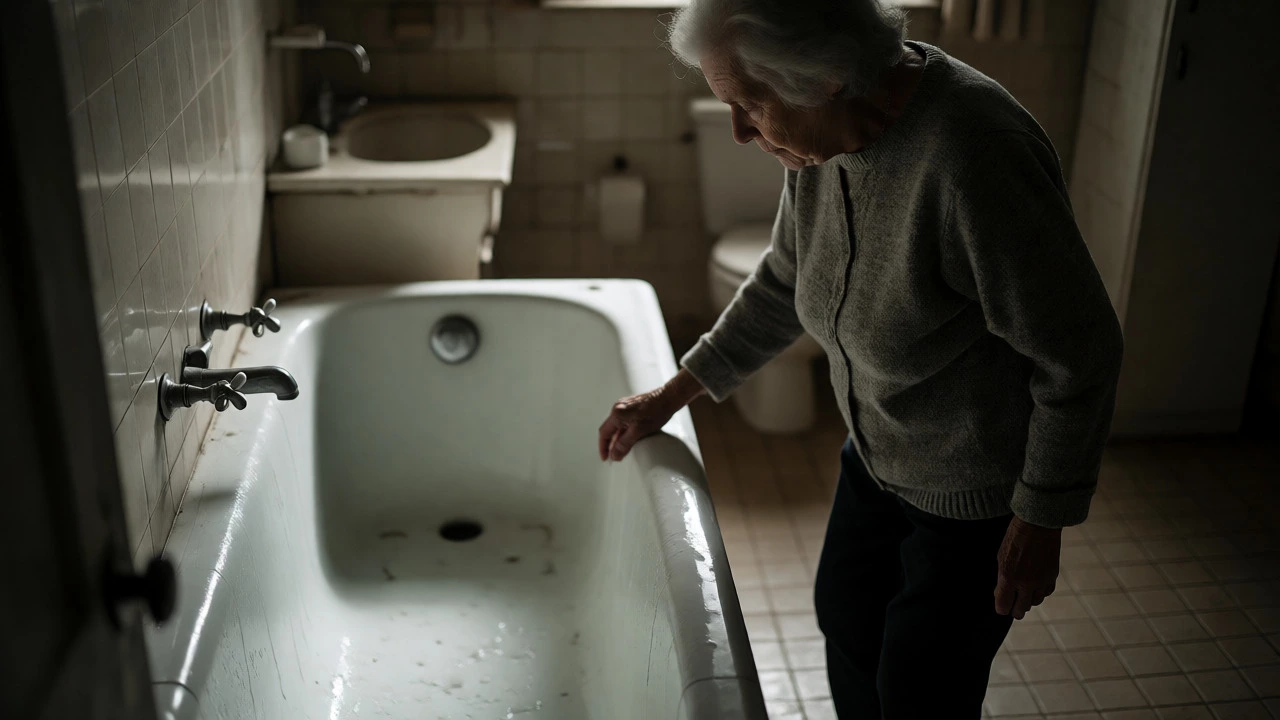
You’re staring at your bathtub. It’s high, slippery, and getting harder to step over every year. You’ve heard rumors that Medicare might cover a bathroom remodel to make it safer. But when you call your insurance provider, the answer is often a disappointing "no." So, what’s the truth? Does Medicare really pay for bathroom remodels?
The short answer is: Original Medicare generally does not pay for standard bathroom renovations like new tiles or fancy faucets. However, there are specific exceptions, loopholes, and alternative paths-especially if you have a Medicare Advantage plan-that can help fund safety modifications. This guide breaks down exactly what is covered, what isn’t, and how you can potentially get financial help for those grab bars and walk-in tubs.
The Core Rule: What Original Medicare Covers (and Doesn't)
To understand why your claim might be denied, you need to know how Original Medicare defines coverage. Part A covers hospital stays, while Part B covers outpatient services and durable medical equipment (DME). The key phrase here is "medically necessary." Medicare pays for things that treat or diagnose an illness or injury. It typically does not pay for items used for convenience or comfort.
A standard bathroom remodel-replacing a vanity, updating lighting, or installing new flooring-is considered a home improvement, not a medical treatment. Therefore, Part B usually rejects these claims. Even if your doctor says you need a safer bathroom to prevent falls, Medicare views the renovation itself as a structural change to your home, which falls outside their scope of covering medical supplies.
Durable Medical Equipment: The Hidden Loophole
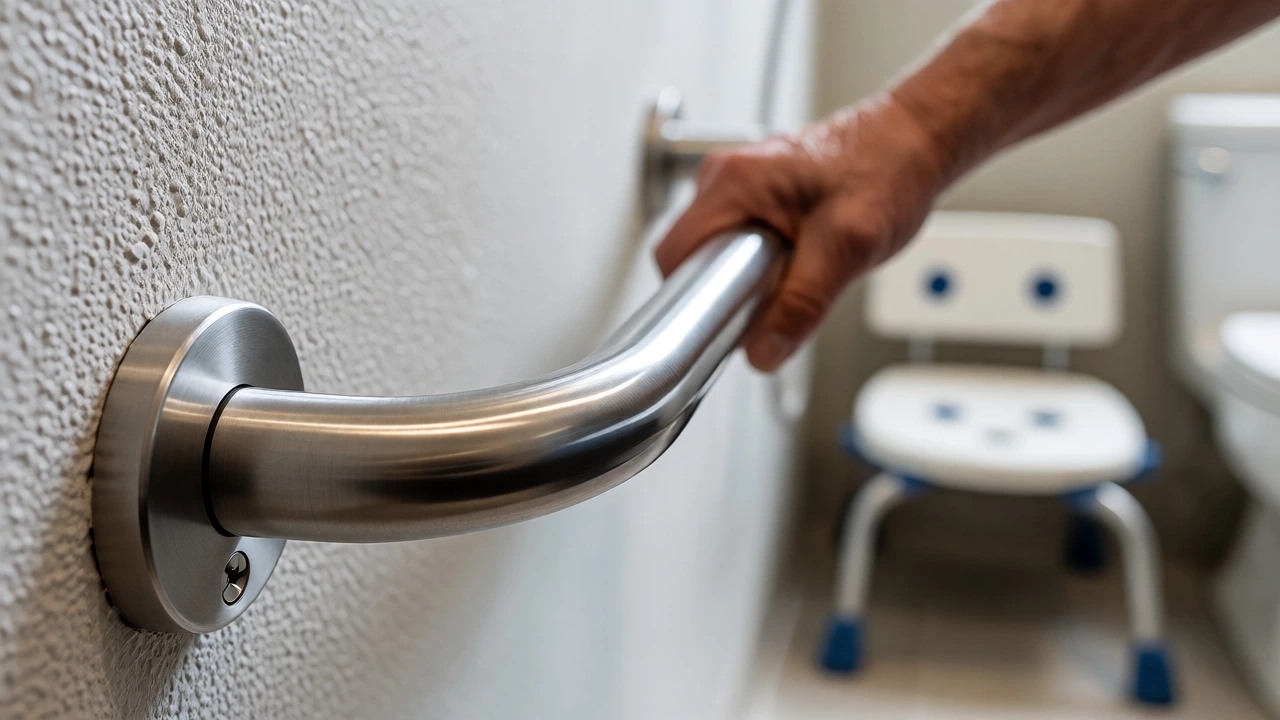
While Medicare won’t pay for the construction work, it will pay for certain pieces of equipment if they meet strict criteria. This is where many seniors get confused. If you buy a portable shower chair or a raised toilet seat, Medicare Part B may cover 80% of the cost after you meet your deductible. These items fall under Durable Medical Equipment, defined as items that serve a medical purpose and can withstand repeated use.
However, there is a catch. The equipment must be prescribed by a doctor and deemed medically necessary. For example, if you have severe arthritis in your knees, a doctor might prescribe a grab bar installation kit. Medicare might cover the cost of the bar and its attachment if it’s considered part of the DME supply. But will they pay for the contractor to drill into your wall? Usually, no. They cover the device, not the labor required to install it permanently into the structure of your house.
| Item/Service | Covered by Original Medicare? | Why? |
|---|---|---|
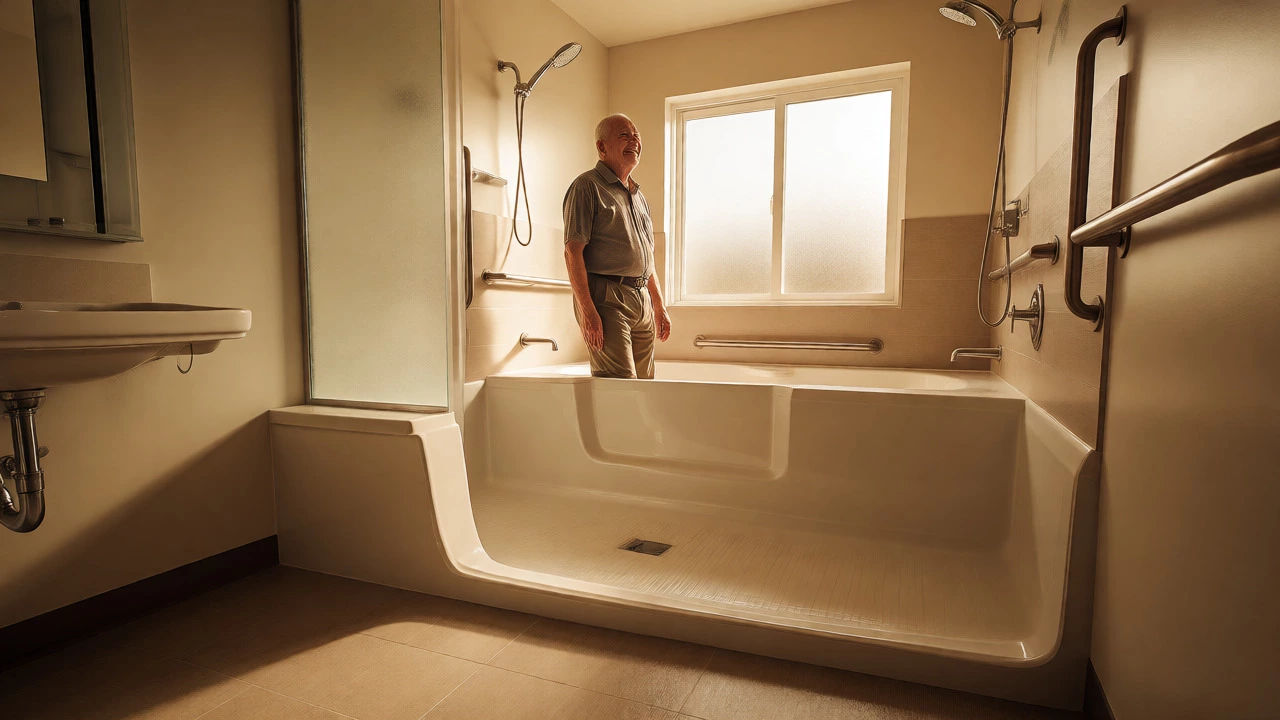
| Walk-in Tub Installation | No | Considered a permanent home alteration. |
| Portable Shower Chair | Yes (80%) | Classified as Durable Medical Equipment (DME). |
| Raised Toilet Seat | Yes (80%) | Medical necessity for mobility issues. |
| New Tile Flooring | No | Home improvement/convenience. |
| Handheld Shower Head | Yes (80%) | Often covered if attached to DME prescription. |
| Contractor Labor | No | Construction costs are not medical services. |
Medicare Advantage Plans: The Game Changer
If you have a Medicare Advantage plan (also known as Part C), the rules change significantly. These private plans often offer extra benefits that Original Medicare doesn’t, including allowances for home modifications. In recent years, many insurers have added "over-the-counter" (OTC) cards or wellness benefits that can be used for non-medical items, sometimes including safety features.
Some plans now offer up to $500-$1,500 per year specifically for home safety improvements. This could cover the cost of installing grab bars, ramps, or even partial costs for a walk-in tub. Unlike Original Medicare, which looks at the medical necessity of the object, Advantage plans look at preventive care. They want to keep you out of the hospital by preventing falls. If your plan offers this benefit, you usually need to pre-authorize the expense. Call your plan provider before you hire anyone. Ask specifically: "Do I have a home modification allowance?"
When Is a Remodel Medically Necessary?
There are rare cases where a remodel might be argued as medically necessary, though approval is tough. This usually happens when the lack of a safe bathroom directly impedes recovery from a serious injury or surgery. For instance, if you break your hip and cannot safely bathe without assistance, a temporary setup might be covered. But a full renovation? Unlikely.
One exception involves Hospital Discharge Planning. If a hospital discharge planner determines that you cannot go home because your bathroom is unsafe, they might recommend specific modifications. While Medicare still rarely pays for the construction, this documentation strengthens your case for other types of aid, such as Medicaid waivers or long-term care insurance.
Alternatives When Medicare Says No
If Medicare denies your request, don’t give up on making your bathroom safe. There are several other avenues to explore. First, check if you qualify for Medicaid. Unlike Medicare, Medicaid is income-based and varies by state. Many states offer Home and Community-Based Services (HCBS) waivers that explicitly cover home modifications for low-income seniors. This can include widening doorways, installing ramps, and modifying bathrooms.
Another option is Long-Term Care Insurance. If you purchased a policy years ago, it might cover home health aides who can assist with bathing, reducing the immediate need for a remodel. Additionally, some local Area Agencies on Aging provide grants or low-interest loans for home repairs. Veterans Affairs (VA) also offers grants for specially adapted housing for eligible veterans with service-connected disabilities.
Practical Tips for Getting Approved
Whether you’re trying to squeeze a benefit out of Medicare Advantage or applying for a Medicaid waiver, preparation is key. Here is how to maximize your chances:
- Get a Doctor’s Letter: Don’t just ask for a prescription. Ask your physician to write a letter detailing your diagnosis (e.g., osteoporosis, stroke recovery) and explaining why current bathroom conditions pose a health risk.
- Document Everything: Take photos of your current bathroom. Note the height of the tub, the lack of handrails, and any slip hazards. Visual evidence helps assessors understand the problem.
- Check Your Plan’s OTC Catalog: If you have a Medicare Advantage plan with an OTC card, check the catalog online. Sometimes, items like anti-slip mats or portable rails are listed as eligible purchases, even if installation isn’t covered.
- Ask About Temporary Solutions: Medicare is more likely to cover portable equipment than permanent structures. Consider renting a walk-in tub temporarily or using a transfer bench while you save for a permanent solution.
The Bottom Line
Does Medicare really pay for bathroom remodels? For most people with Original Medicare, the answer is no. They cover the tools, not the construction. However, if you have a Medicare Advantage plan, you might find hidden benefits worth hundreds of dollars. And if you qualify for Medicaid, home modifications are often fully covered. The best strategy is to combine resources: use Medicare for portable equipment, leverage Advantage plan allowances for small installations, and look into state programs for larger renovations. Safety shouldn’t wait for perfect coverage, so start with the free changes-like adding non-slip strips-and work up to the bigger projects as funding allows.
Will Medicare pay for a walk-in tub?
Generally, no. Original Medicare considers walk-in tubs to be home improvements rather than durable medical equipment. However, some Medicare Advantage plans may offer partial coverage or allowances for them as part of home modification benefits. Always check your specific plan details.
Are grab bars covered by Medicare?
The grab bars themselves may be covered as Durable Medical Equipment (DME) if prescribed by a doctor for a specific medical condition. However, Medicare typically does not cover the labor costs for installing them into the wall. You would likely pay out-of-pocket for the installation.
What is the difference between Medicare Part A and Part B regarding home care?
Part A covers inpatient hospital stays and skilled nursing facility care. Part B covers outpatient services, doctors' visits, and durable medical equipment. Neither part covers general home remodeling or maintenance, but Part B is the relevant section for purchasing medical devices like shower chairs.
Can I deduct bathroom remodel costs on my taxes?
Sometimes. If the remodel is primarily for medical care (not just aesthetics), the amount exceeding the increase in your home's value may be deductible as a medical expense. Consult a tax professional, as IRS rules are strict about distinguishing between medical necessities and home improvements.
Does Medicaid cover bathroom renovations?
Yes, in many states. Medicaid often has Home and Community-Based Services (HCBS) waivers that cover home modifications for eligible individuals. Coverage depends on your state's specific program guidelines and your income level.