How Many Rooms Can Fit in a 10x20 Storage Unit?
 Dec, 21 2025
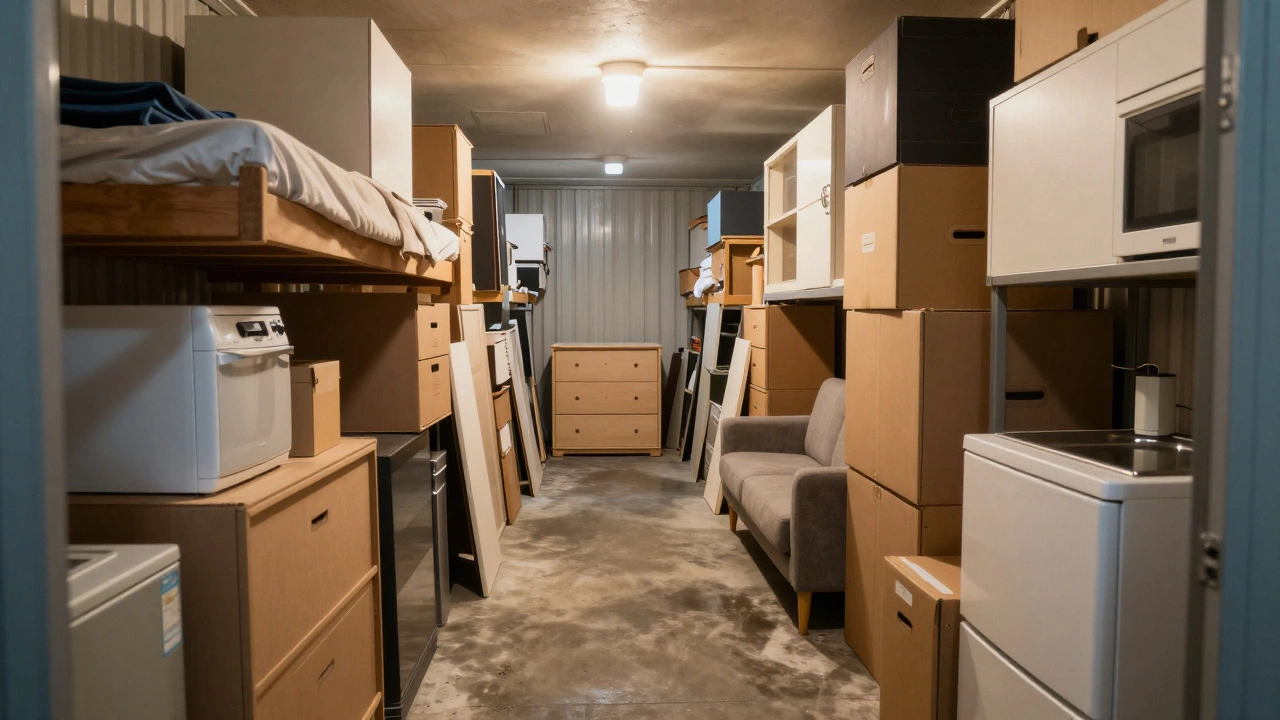
When you’re packing up a house, clearing out a garage, or storing seasonal gear, a 10x20 storage unit looks like a giant blank canvas. But how much does it actually hold? People often ask, how many rooms does a 10x20 storage unit hold? The answer isn’t a simple number-it depends on what you’re storing, how you pack it, and whether you’re thinking of furniture, boxes, or bulky items.
What a 10x20 storage unit actually measures
A 10x20 unit is 200 square feet of floor space. That’s about the size of a small two-car garage or half a standard tennis court. Most units are 8 to 10 feet high, so you’re working with roughly 1,600 to 2,000 cubic feet of total volume. That’s not just floor space-it’s vertical space too. Stack wisely, and you can double or even triple your usable capacity.
Think of it like a giant empty room with concrete floors, a roll-up door, and maybe a single light. No windows. No plumbing. Just space. That’s it.
How many rooms can you fit?
If you’re trying to picture this in terms of rooms, here’s a realistic breakdown based on actual packing experiences from movers and storage professionals in Auckland and beyond.
- One full bedroom: A queen bed, nightstands, dresser, and closet full of clothes fits easily. Add a few boxes of off-season clothes or shoes, and you’re still under half capacity.
- Two full bedrooms: Two queen beds, two dressers, two nightstands, and all the linens and clothes from both rooms. This is a common use case for people downsizing or moving across town.
- One full living room: A three-seater sofa, two armchairs, a coffee table, TV stand, bookshelf, and decor. If you disassemble the furniture, you can squeeze in a larger sectional or a dining set too.
- One full kitchen: Cabinets (disassembled), appliances (fridge, stove, dishwasher), cookware, and pantry items. You’ll need to wrap everything properly, but it fits.
- One home office: Desk, chair, computer, printer, shelves, and boxes of files. Easy.
Put it all together? You can comfortably store the contents of a three- to four-bedroom house in a 10x20 unit. That’s not just one room-it’s multiple rooms packed efficiently.
What fits, and what doesn’t
Not everything packs the same. Some items take up way more space than you think.
- Easy to fit: Boxes, folded clothes, small appliances, books, seasonal decorations, tools, bicycles, lawn equipment.
- Harder to fit: Large sectional sofas (unless disassembled), grand pianos, king-sized mattresses (if left unboxed), full-size wardrobes (if not taken apart).
- Never fit: Flammable materials, food, live plants, pets, hazardous waste. Storage units aren’t freezers or zoos.
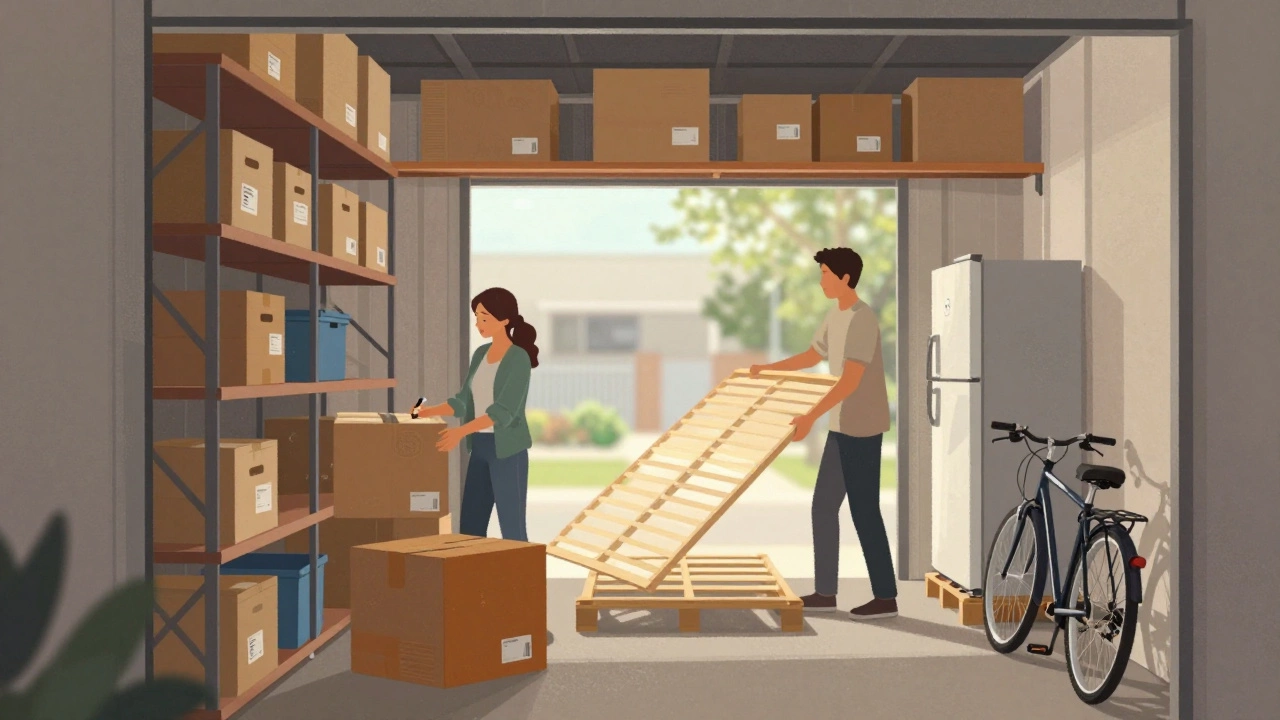
One common mistake? Leaving bulky items like couches or dressers fully assembled. Disassemble them. Take off legs, remove drawers, take apart bed frames. You’ll save 30-40% of space. Movers in Auckland do this every week-it’s standard practice.
Real-world example: Moving from a 3-bedroom house
Take a typical three-bedroom home in Papakura. The family is moving to a smaller apartment. They’re keeping everything but need to store it for six months.
- Bedroom 1: Queen bed, dresser, nightstand, 12 boxes of clothes
- Bedroom 2: Twin beds (2), two dressers, 8 boxes of kids’ toys and books
- Bedroom 3: Home office desk, chair, printer, 15 boxes of documents
- Living room: Three-seater sofa, armchair, TV stand, coffee table, 10 boxes of decor
- Kitchen: Fridge, oven, microwave, pots, pans, dishes, pantry items
- Garage: Lawn mower, garden tools, bikes, seasonal sports gear
That’s a full house. And yes-it all fits in a 10x20 unit with room to spare. The key? Stack boxes vertically. Use pallets or cinder blocks to lift items off the floor. Leave a narrow aisle down the middle so you can reach things without moving everything.
Storage hacks that actually work
People think storage units are just dumping grounds. They’re not. Smart packing turns them into efficient warehouses.
- Use uniform boxes: Standard medium-sized boxes (18x18x16 inches) stack better than mismatched totes.
- Label everything: Write the room and contents on all sides. You’ll thank yourself later.
- Place heavy items on the bottom: Don’t stack boxes of books on top of fragile decor.
- Use vertical space: Stack boxes up to the ceiling if the unit allows. Just make sure the bottom ones are sturdy.
- Leave a path: Keep a 2-foot-wide walkway from the door to the back. Otherwise, you’ll be moving 10 boxes just to get to one you need.
- Use furniture as shelves: Place a dresser on its side and stack boxes on top. Use a bookshelf to hold smaller items.
One Auckland resident stored a full family home in a 10x20 unit for 14 months. She accessed it twice-once to grab holiday decorations, once to pull out winter coats. She said the biggest win? Knowing exactly where everything was because she labeled everything. No guessing. No digging.
What about larger units?
If you’re storing more than a four-bedroom house, you might need a 10x30 or 15x30. But most people overestimate what they need. A 10x20 is the sweet spot for families moving, downsizing, or storing seasonal items. It’s big enough to hold a house, small enough to keep costs under control.
Compare prices: A 10x20 in Auckland averages $180-$250/month. A 15x30? $300-$450. That’s nearly double the price for less than double the space. Unless you’re storing a fleet of cars or commercial inventory, you probably don’t need it.
Common mistakes to avoid
- Overpacking: Don’t cram everything in without thinking. You’ll never find anything.
- Using plastic bins without ventilation: In humid climates like Auckland, moisture builds up. Use breathable fabric bins or leave lids slightly ajar.
- Storing items directly on concrete: Always use pallets, cinder blocks, or plastic floor mats. Moisture rises. Wood and fabric rot.
- Not checking climate control: If you’re storing wood furniture, leather, or electronics, go for a climate-controlled unit. Auckland’s damp winters can warp things fast.
- Forgetting insurance: Most storage facilities don’t cover damage. Get your own policy. It’s cheap and worth it.
Final answer: How many rooms?
A 10x20 storage unit can hold the contents of three to four average-sized rooms-but that’s only if you’re talking about furniture and boxes. If you’re storing a full house with appliances, tools, and seasonal gear, it comfortably fits the contents of a three- to four-bedroom home.
It’s not about counting rooms. It’s about packing smart. Disassemble furniture. Stack vertically. Label everything. Leave room to walk. And don’t forget to protect your stuff from moisture.
That’s how you turn a 200-square-foot box into a functional extension of your home-without paying for twice the space you need.
Can I fit a king-sized bed in a 10x20 storage unit?
Yes, a king-sized bed fits easily in a 10x20 unit-especially if you take it apart. Disassemble the frame and store the mattress flat or vertically against the wall. Most people store king beds with other bedroom furniture and still have room left over.
Is a 10x20 unit big enough for a full house move?
Yes. A 10x20 unit is the standard size for moving a three- to four-bedroom home. It holds furniture, appliances, boxes, and even large items like lawnmowers or bikes. Many families use this size when downsizing or relocating.
How much does a 10x20 storage unit cost in New Zealand?
In Auckland, a 10x20 unit typically costs between $180 and $250 per month. Climate-controlled units run $250-$350. Prices vary by location, security features, and lease length. Longer leases often come with discounts.
Can I store a refrigerator in a 10x20 storage unit?
Yes, you can store a refrigerator in a 10x20 unit, but you must prepare it first. Empty it completely, clean and dry the interior, leave the door slightly ajar to prevent mold, and place it on a pallet to avoid moisture damage. Avoid storing food inside.
Do I need climate control for a 10x20 storage unit in Auckland?
If you’re storing wood furniture, leather, electronics, artwork, or important documents, yes. Auckland has high humidity, especially in winter. Without climate control, moisture can warp wood, mildew fabrics, or damage electronics. For boxes of clothes or tools, it’s optional.