How Old Does a Mirror Have to Be to Be an Antique?
 Feb, 22 2026
Antique Mirror Value Checker
Mirror Assessment
Results
Results will appear here
Ever stared at an old mirror in a thrift store or your grandma’s attic and wondered if it’s actually worth something? You’re not alone. People ask this question all the time: how old does a mirror have to be to be an antique? The answer isn’t as simple as picking a number off a calendar. It’s about craftsmanship, materials, and history - not just years.
There’s No Magic Number - But There Is a Standard
Most experts agree that an item becomes an antique when it’s at least 100 years old. That’s the rule used by museums, auction houses, and antique dealers worldwide. So if your mirror was made in 1925 or earlier, it qualifies. A mirror from 1926? That’s vintage, not antique. The distinction matters because antiques carry different value, collectibility, and historical weight.
Why 100 years? It’s not random. It’s based on how long it takes for a manufactured object to fully脱离 its original context - to stop being just a functional item and start being a cultural artifact. A mirror from 1920 might have been common in every home. A mirror from 1820? That’s a rare survivor of hand-blown glass and hand-forged frames.
What Makes an Antique Mirror Different?
Not every old mirror is valuable. You need to look beyond age. The real clues are in the details.
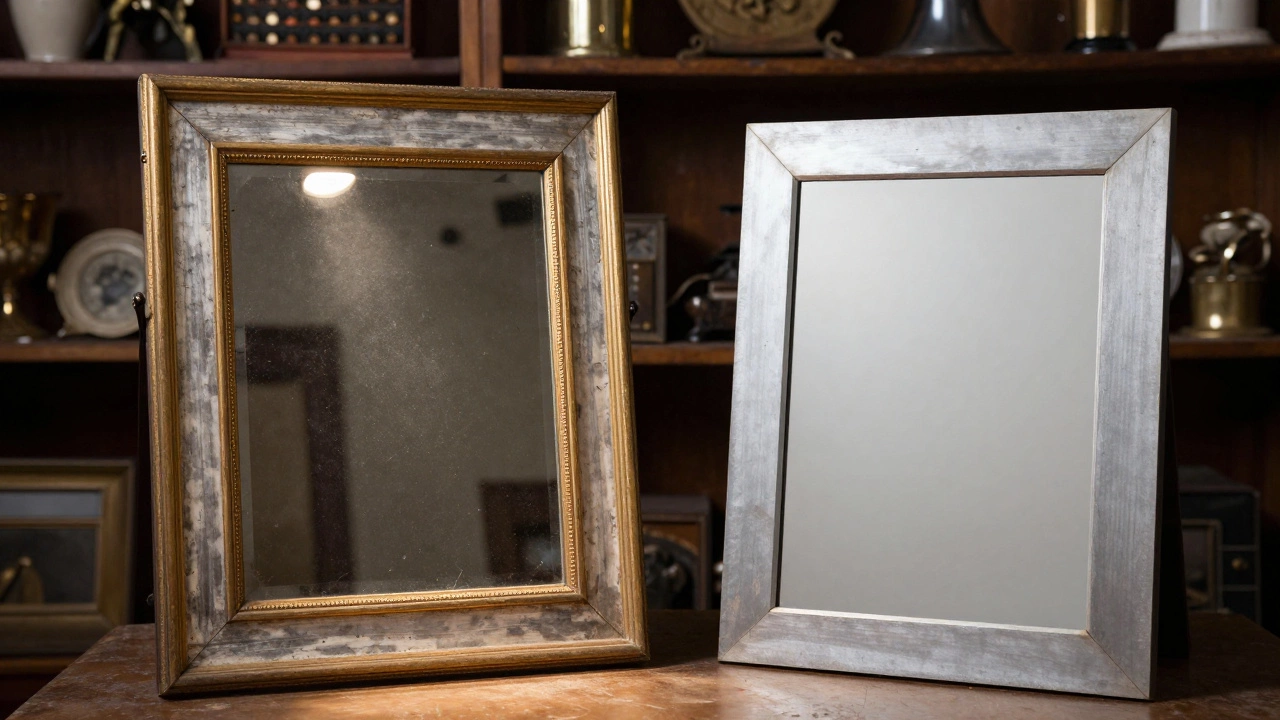
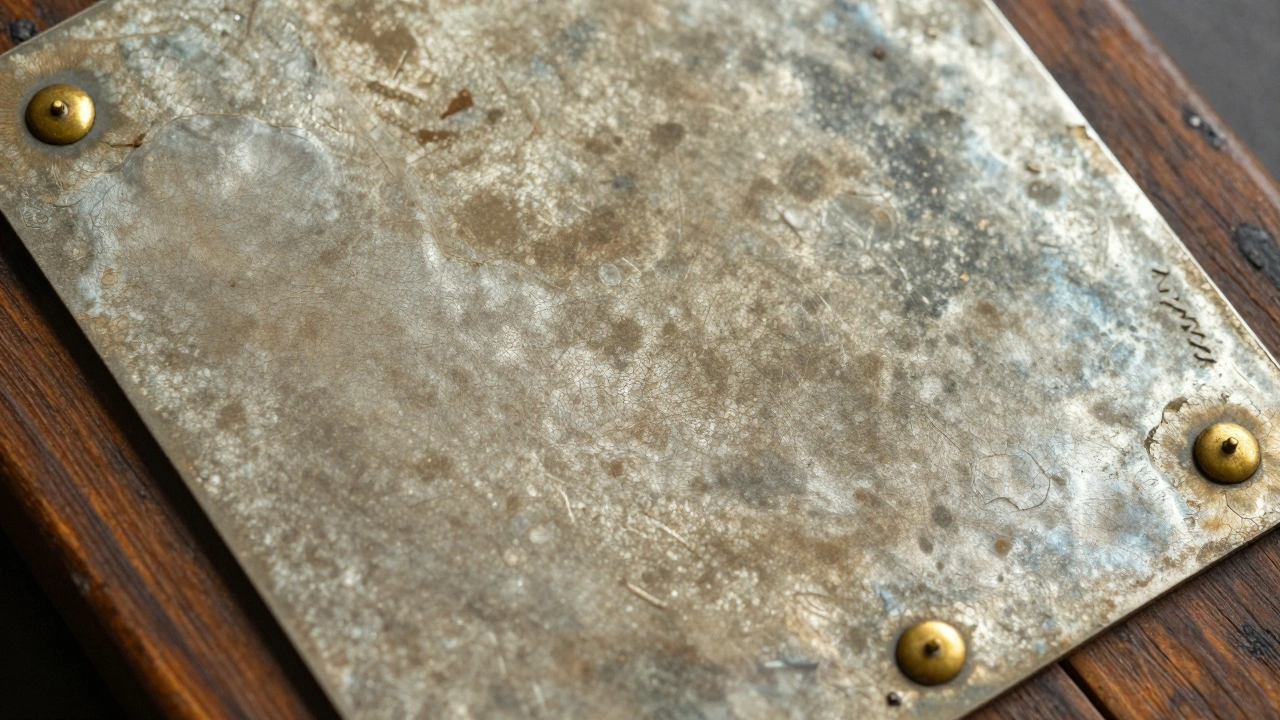
- Backing material: Pre-1850 mirrors used silvered glass with a mercury backing. After that, silver nitrate became standard. If your mirror has a cloudy, uneven reflection with a slight yellow or brown tint, it might be pre-1850. Modern mirrors use aluminum - shiny, even, and bright.
- Frame material: Hand-carved wood, brass, or gilded plaster frames from the 1700s and early 1800s are hallmarks of true antiques. Machine-made frames from the late 1800s often look too uniform - no hand-tool marks, no imperfections.
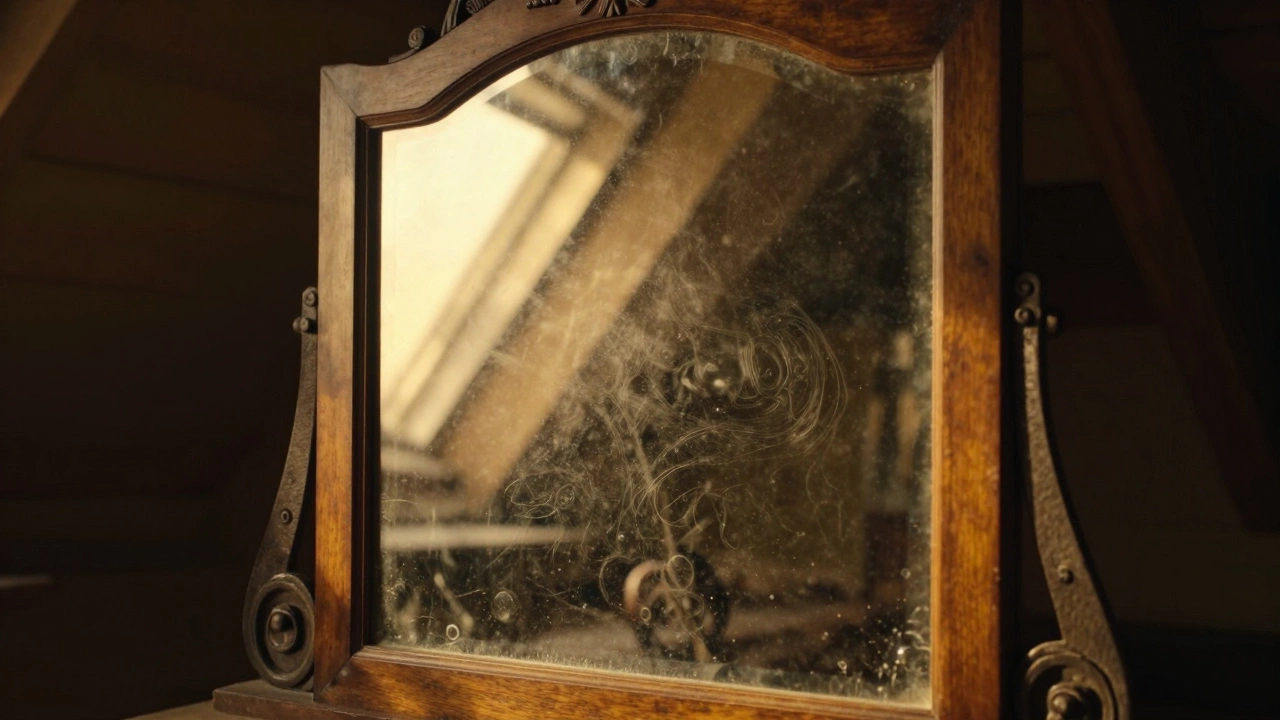
- Glass imperfections: Antique glass isn’t flawless. Look for bubbles, ripples, or slight warping. That’s not a defect - it’s proof of hand-blown production. Modern glass is laser-smooth.
- Mounting hardware: Old mirrors often had iron or brass brackets, not plastic clips or drywall anchors. If the back has original nails or hand-forged metal, that’s a strong sign.
Here’s a quick reality check: A 1950s mirror with a shiny chrome frame and flat glass? It’s mid-century modern - popular, yes, but not an antique. A 1780s mirror with a carved walnut frame and mercury glass? That’s a museum piece.
Where to Find Real Antique Mirrors
You won’t find true antiques at big-box stores. They’re in places where history still lingers:
- Specialty antique shops - Especially those that deal in European or American decorative arts. Look for dealers who can trace provenance.
- Auction houses - Christie’s, Sotheby’s, or regional auctioneers like Rook & Lane in New Zealand often list mirrors with detailed condition reports.
- Attics and estate sales - Many families kept mirrors for generations. If it’s been in the same house since the 1800s, it’s likely original.
- European markets - French, Italian, and English antiques dominate the high-end market. A 19th-century French mirror from Lyon or Paris often has a maker’s stamp on the back.
Pro tip: Always ask for a condition report. A mirror with a replaced backing or refinished frame loses 70% of its value. Originality is everything.
Why Age Alone Isn’t Enough
Some people think if it’s old, it’s valuable. That’s a myth. I’ve seen 120-year-old mirrors in junk piles because the glass was cracked, the frame was painted over, or the backing had completely flaked off. Value comes from condition, rarity, and craftsmanship - not just age.
For example: Two mirrors from 1875. One has a hand-carved oak frame with original mercury glass and intact gilding. The other has a painted wooden frame, replaced glass, and no original hardware. The first might sell for $3,000. The second? $150. Same year. Different world.
Also, mirror production changed dramatically after 1880. With industrialization, mirrors became mass-produced. A mirror from 1885 might look old, but if it was made in a factory in Cincinnati or Birmingham, it’s not rare. True antiques were made by artisans - one at a time.
How to Spot a Fake Antique Mirror
The market is full of fakes. Here’s how to avoid getting fooled:
- Modern silvering on old frames: Some sellers take an old frame and install a new mirror. Check the edges - if the glass looks too perfect or the backing is aluminum, it’s likely a modern insert.
- Painted-on distressing: Fake aging is common. Real wear happens naturally: scratches from moving, tarnish from humidity, fading from sunlight. Fake distressing looks too uniform - like it was sprayed on.
- Incorrect hardware: If the mirror has modern screws or plastic washers, it’s not original. Antique mirrors used hand-forged nails or brass pins.
- Missing maker’s marks: Many 18th- and 19th-century mirrors had stamps or labels on the back. Research the maker. If there’s no mark, ask why.
When in doubt, get a second opinion. Many antique dealers offer free evaluations. A quick photo sent to a specialist can save you hundreds.
What If It’s Not an Antique - Is It Still Worth Keeping?
Even if your mirror doesn’t hit the 100-year mark, it might still be worth something. Vintage mirrors - those 50 to 99 years old - are hot right now. Think 1920s Art Deco, 1950s Hollywood Regency, or 1970s boho frames. These aren’t antiques, but they’re highly collectible.
For example: A 1940s round mirror with a brass sunburst frame? That’s a $600-$1,200 piece today. A 1980s mirrored vanity? Probably not. The difference is design. If it has character, craftsmanship, or cultural relevance, it has value.
And let’s not forget emotional value. A mirror passed down from your great-grandmother? That’s priceless - even if the glass is cloudy and the frame is chipped. History isn’t just about dollars.
Final Rule: Look, Don’t Just Count
Forget trying to memorize a number. Instead, learn to read a mirror. Look at the glass. Examine the frame. Feel the weight. Smell the wood. Listen to the sound when you tap it. An antique mirror has a presence. It doesn’t just reflect your face - it reflects a time, a place, a person.
So if you’ve got a mirror that’s over a century old - and it still works - you’re holding onto something rare. Not every mirror from 1820 survived. Not every frame stayed intact. Not every glass pane didn’t crack. Yours did. That’s not luck. That’s legacy.
Can a mirror be an antique if it’s been repaired?
Yes, but only if the repair is minimal and doesn’t compromise original materials. A replaced backing or minor frame restoration might reduce value by 20-30%, but the mirror can still be considered an antique. If the glass is entirely replaced or the frame is refinished with modern paint, it loses its antique status.
Do all antique mirrors have mercury backing?
Most mirrors made before 1850 used mercury-based silvering. After 1850, silver nitrate became the standard. So not all antiques have mercury - but if your mirror does, it’s likely from the 1700s or early 1800s. Mercury mirrors are rare today because the process was toxic and dangerous. They’re also more valuable due to their age and rarity.
How can I tell if a mirror’s glass is original?
Hold the mirror up to a light. Original antique glass will show slight ripples, bubbles, or uneven thickness. Modern glass is flat and uniform. Also, check the edges - original glass often has a slight curve or bevel from hand-polishing. If the glass looks perfectly flat and clear, it’s likely modern.
Is a mirror from the 1900s considered an antique?
Yes - if it was made in 1925 or earlier. A mirror from 1900 is 126 years old as of 2026, so it qualifies as an antique. But many mirrors from this era were factory-made, so condition and craftsmanship matter more than age alone. A 1900 mirror with a hand-carved frame and original glass is far more valuable than one with a stamped metal frame.
Are antique mirrors safe to hang in a bathroom?
It’s not recommended. Moisture from showers and steam can damage the backing, especially on older mirrors with mercury or silver nitrate coatings. Over time, humidity causes tarnishing, clouding, or flaking. If you want to use an antique mirror in a bathroom, keep it away from direct water exposure and ensure good ventilation. A hallway or bedroom is a safer choice.