How to Hang Curtains for a Luxury Look: The Complete Guide
 Jul, 27 2026
Luxury Curtain Calculator
Your Luxury Curtain Specifications
Rod Placement
Fabric Requirements
Pro Tip:
Ever walked into a hotel room or a high-end boutique and felt that instant sense of calm and elegance? Chances are, it wasn’t just the furniture. It was the way the light filtered through those perfectly hung curtains. There is a specific trick designers use to make standard windows look expensive, and it has nothing to do with buying the most costly fabric on the market. It’s all about placement, proportion, and a few simple measurements.
If your current window treatments feel flat, cheap, or awkward, you don’t need to rip them out. You likely just need to adjust how they are mounted. Hanging curtains correctly can instantly raise the ceiling height, widen the room visually, and add a layer of sophistication that costs almost nothing but time. Let’s break down exactly how to achieve that high-end finish in your own home.
The Golden Rule: High and Wide
The single biggest mistake people make when hanging curtains is placing the rod too close to the top of the window frame. This cuts off the vertical line of the wall, making the ceiling feel lower and the room feel cramped. To get that luxury look, you need to defy this instinct.
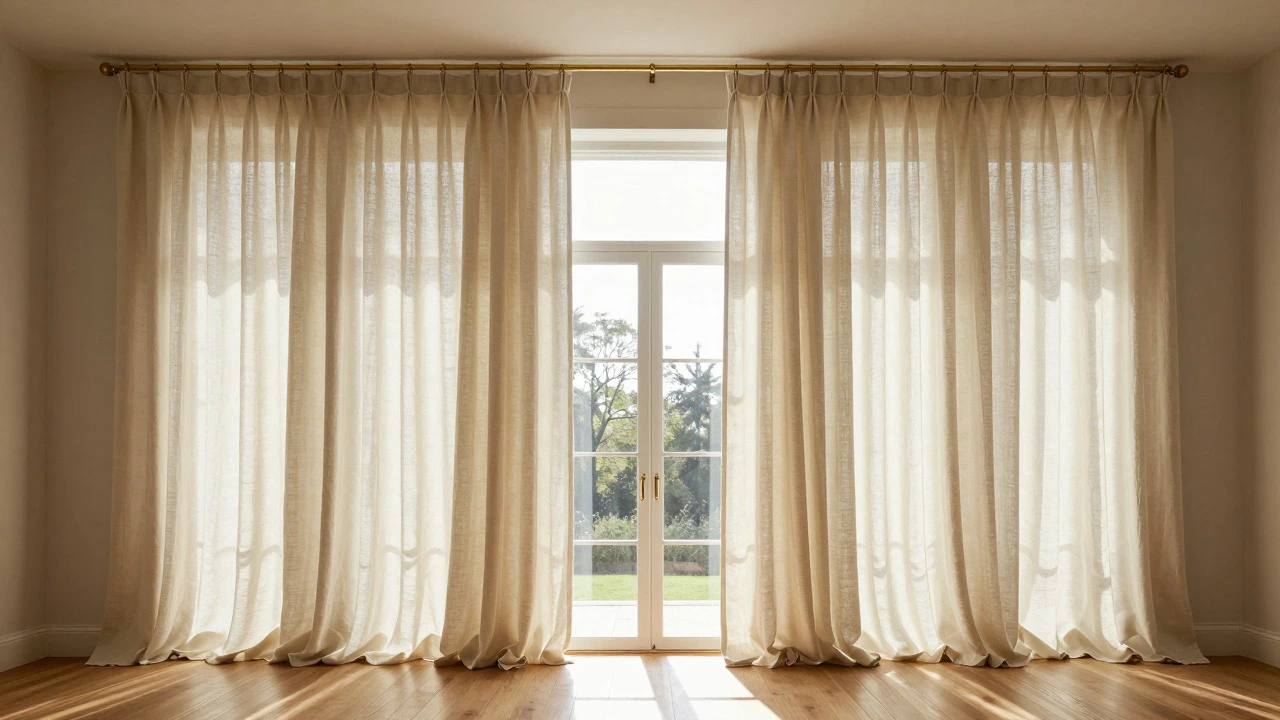
Install your curtain rod as high as possible. Ideally, place it within 4 to 6 inches of the ceiling. If you have crown molding, mount the brackets so the rod sits just below the molding. This draws the eye upward, creating an illusion of height that makes the entire room feel grander. Even if your curtains only cover the glass, mounting the rod higher allows the fabric to drape from a greater height, adding drama and flow.
Width is equally important. A common error is making the curtains match the exact width of the window opening. This looks tight and restrictive. Instead, extend the rod outward. For a balanced look, extend the rod 3 to 6 inches beyond the window frame on each side. For larger windows or if you want maximum light when the curtains are open, go up to 10 or 12 inches. This ensures the fabric clears the glass completely, allowing natural light to flood the room without obstruction.

Fabric Weight and Fullness Matter
You can hang a rod perfectly, but if the fabric looks thin and stretched, the effect will fall flat. Luxury curtains rely on volume. Cheap-looking curtains often lack "fullness," which refers to the ratio of fabric width to the rod length.
A good rule of thumb is to aim for a fullness ratio of 2:1 or even 3:1. This means if your rod is 50 inches wide, your combined curtain panels should be 100 to 150 inches wide. When gathered, this creates deep, soft folds rather than shallow, wrinkled pleats. Look for fabrics with some weight-linen blends, heavy cottons, or velvet. These materials hold their shape better and create those desirable vertical lines known as "stack backs." Avoid flimsy synthetics that cling together; they rarely look expensive regardless of how well they are hung.
What is the ideal curtain fullness ratio?
The ideal ratio is 2:1 or 3:1. This means the total width of the fabric should be two to three times the width of the rod. This ensures deep, luxurious folds rather than thin, stretched-out fabric.
How high should I hang my curtain rod?
Hang the rod 4 to 6 inches above the window frame, or as close to the ceiling as possible. This maximizes the perceived height of the room and creates a more elegant vertical line.
Should curtains touch the floor?
Yes, for a luxury look, curtains should either just kiss the floor or hover half an inch above it. Avoid having them pool heavily on the floor unless you are going for a very specific dramatic style, as this can look messy and collect dust.
What type of curtain rod looks most expensive?
A thick, sturdy metal rod (iron, brass, or matte black) looks more luxurious than thin plastic or wood rods. Ensure the rod is long enough to support the weight of the fabric without sagging in the middle.
Do I need professional installation for luxury curtains?
Not necessarily. With a level, a stud finder, and the right anchors, you can achieve professional results yourself. The key is precise measurement and ensuring the brackets are securely anchored to support the weight of heavy fabrics.