How to Let Light In But Keep Privacy: A Curtain Guide
 Sep, 21 2026
Curtain Privacy & Light Balancer
Recommendation
Select your preferences and click "Find My Curtain Match" to see recommendations.
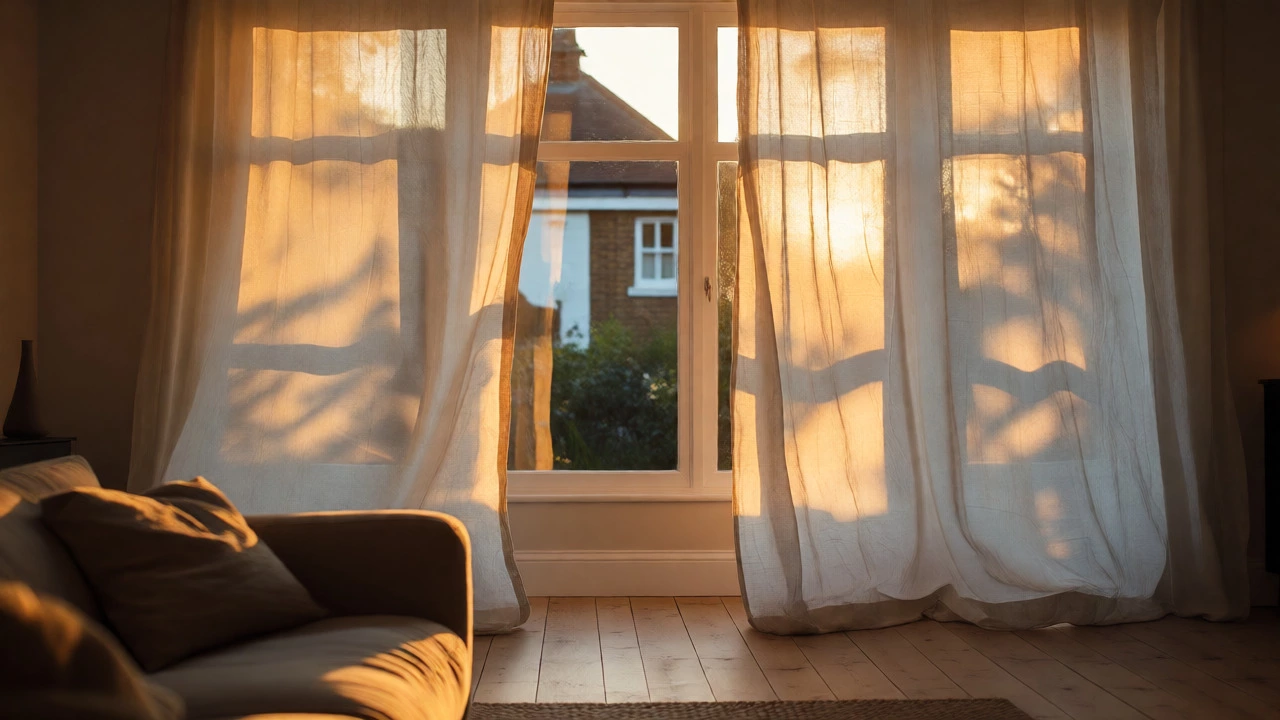
You want that warm, golden glow flooding your living room, but you also don't want the neighbors peering into your personal space like it’s a fishbowl. It’s a classic dilemma. We all love natural light, yet total transparency feels vulnerable. The good news? You don’t have to choose between a dark cave and an exposed stage. There are smart, stylish ways to balance illumination with seclusion.
This isn’t just about buying thick fabric. It’s about understanding how different materials interact with sunlight and sightlines. Whether you’re dealing with street-facing windows or a shared apartment complex, there’s a solution that keeps your home bright without sacrificing your peace of mind. Let’s break down exactly how to achieve that perfect middle ground.
Understand the Light-Privacy Trade-off
Before you rush to the store, realize that not all light is created equal. Direct sunlight is harsh and revealing; diffuse light is soft and forgiving. Your goal is to filter direct beams while blocking clear views. This is where fabric density and weave matter more than color. A tight-weave white linen can offer more privacy than a loose-weave dark velvet because it scatters light rather than letting it pass through in straight lines.
Think of your window treatment as a lens. If the material is too thin, it acts like a magnifying glass for outsiders. If it’s too opaque, it kills the vibe inside. The sweet spot lies in semi-translucent materials that obscure shapes and colors but allow brightness to permeate. This principle applies whether you’re looking at ready-made panels or custom drapery.
The Power of Sheer Curtains
Sheer curtains are the most common answer to this problem, and for good reason. They are lightweight, airy fabrics designed specifically to filter light while maintaining visibility from the inside out. Unlike heavy blackout drapes, sheers don’t block UV rays entirely, which helps protect your floors and furniture from fading while still keeping the room bright.
However, not all sheers are equal. Look for terms like "semi-sheer" or "light-filtering." These fabrics have a slightly denser weave than standard voile. From the outside during the day, they create a frosted-glass effect. People might see movement or silhouettes, but details vanish. At night, when interior lights are on, the dynamic flips. Without additional layers, sheers become transparent from the inside. So, if you use them alone, expect to close them fully after sunset.
| Treatment Type | Light Transmission | Daytime Privacy | Nighttime Privacy |
|---|---|---|---|
| Standard Sheer | High (70-90%) | Moderate | Low |
| Semi-Sheer / Linen Blend | Medium (40-60%) | High | Moderate |
| Roman Shades (Fabric) | Variable | High | High |
| Blackout Drapes | Very Low (<5%) | Total | Total |
Layering: The Two-Curtain System
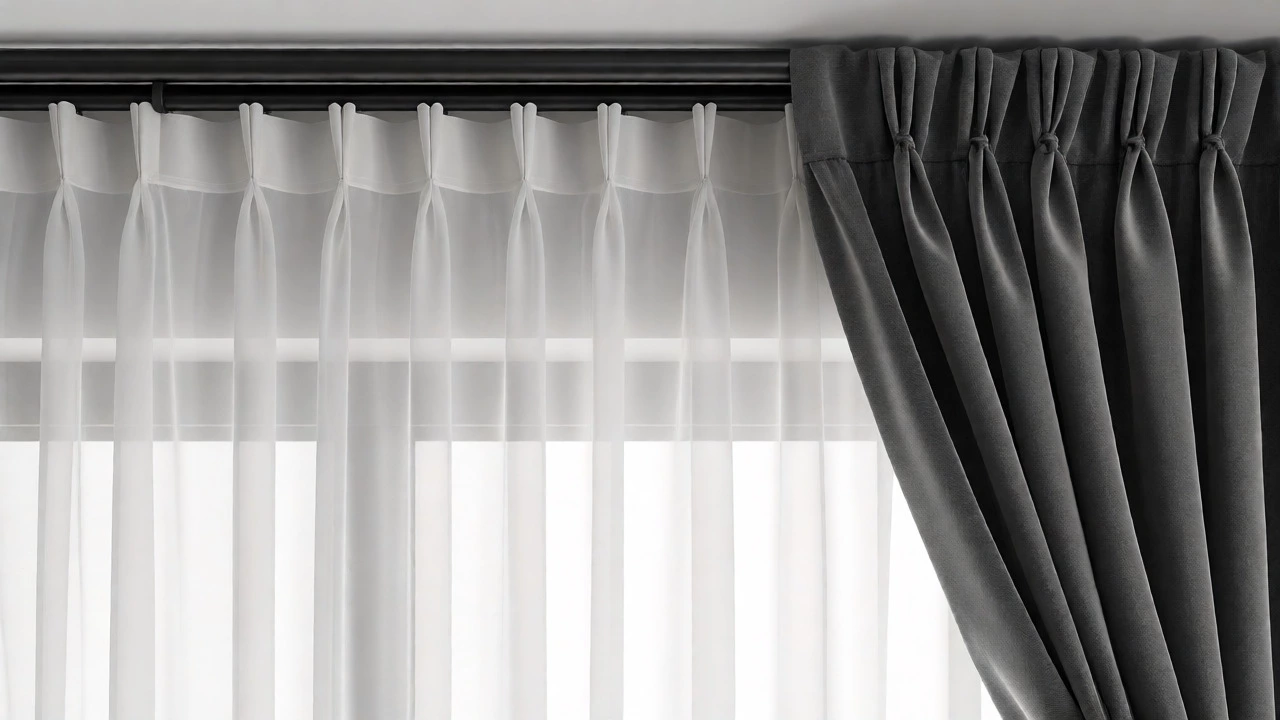
If you need flexibility, layering is your best friend. This involves installing two curtain rods or using a single rod with two sets of hooks. One set holds sheers for daytime light control, and the other holds heavier drapes for nighttime privacy or blackout needs. This setup gives you total control over your environment based on the time of day.
Start with a high-quality sheer panel closest to the window. Behind it, hang a medium-weight fabric like cotton canvas, silk blend, or even a textured wool. During the day, pull back the heavy drapes and let the sun shine through the sheers. In the evening, close the outer drapes for complete privacy. This method also adds depth and texture to your window dressing, making it look more expensive and intentional.
Consider Top-Down Bottom-Up Blinds
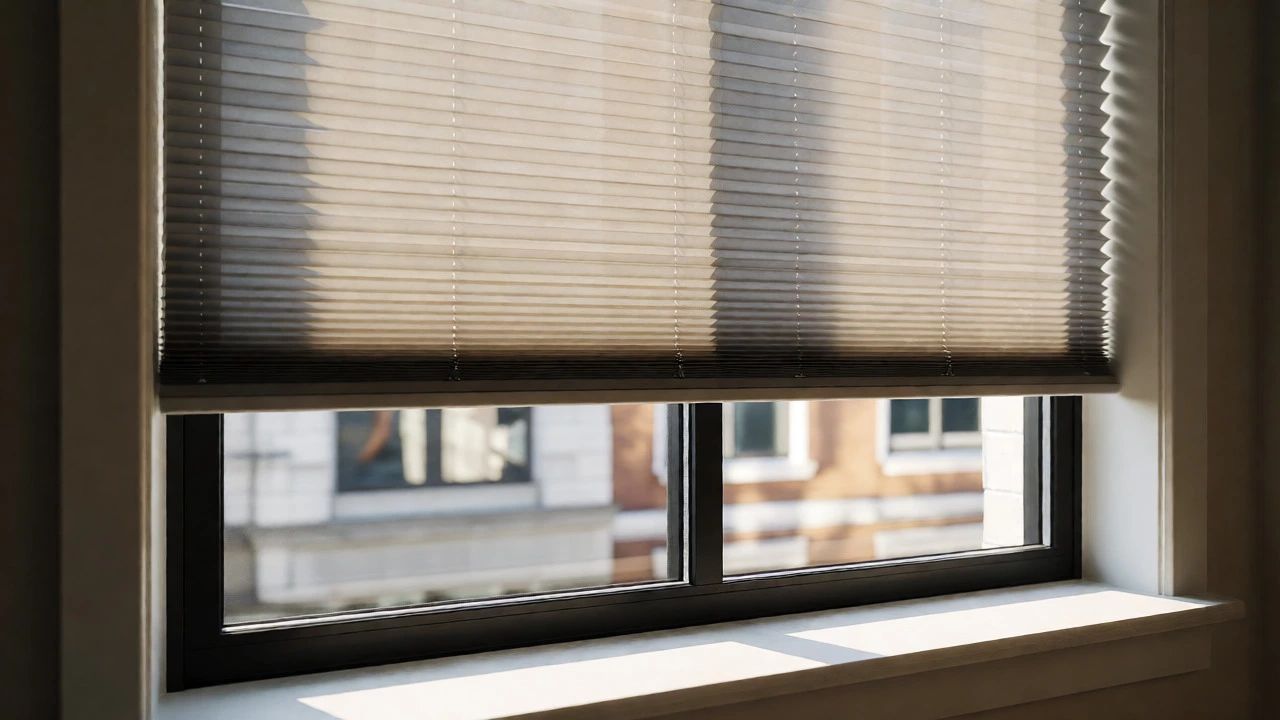
Curtains aren’t the only option. Top-down bottom-up blinds are a game-changer for privacy-focused homes. These cellular or pleated shades allow you to lower the top portion of the blind while leaving the bottom open. Why does this work? Most people’s eye level is below the midpoint of a typical window. By covering the top half, you block the view from neighbors or passersby who are looking up or across, but you still get plenty of ambient light entering through the lower section.
This is particularly effective for first-floor apartments or homes near busy sidewalks. Pair these blinds with short café-style curtains for a cohesive look. The blinds handle the technical privacy aspect, while the café curtains add style and soften the hard edges of the hardware.
Choose the Right Fabric Density
Fabric choice dictates performance. When shopping, check the GSM (grams per square meter) or thread count if available. Higher numbers generally mean less light transmission. For a balance of light and privacy, aim for fabrics in the mid-range density. Avoid extremely fine voiles if you live in a dense urban area, as they often fail to obscure details sufficiently.
Natural fibers like linen and cotton blends are excellent choices. They have irregular weaves that naturally scatter light, creating a softer, less defined view from the outside. Synthetic materials like polyester can sometimes feel plasticky and may not drape as well, though they are more durable and resistant to wrinkling. If you choose synthetic, look for matte finishes to reduce glare.
Strategic Placement and Hardware
Where you hang your curtains matters as much as what you hang. Mounting rods higher than the window frame and wider than the opening creates an illusion of larger windows and allows more light to enter when the curtains are open. However, ensure the curtains extend past the window edge enough to cover the entire glass pane when closed. Gaps at the sides are common privacy leaks.
Use tie-backs or holdbacks to keep curtains neatly pulled aside during the day. This prevents accidental closure and maintains the aesthetic of openness. For night-time security, consider motorized tracks or easy-glide rings so you can adjust privacy levels quickly without fumbling with stiff fabric.
Smart Glass and Films
If you rent or can’t install heavy hardware, window films offer a non-invasive solution. Frosted or patterned adhesive films apply directly to the glass. They distort images from both sides, providing constant privacy regardless of lighting conditions. The downside? They permanently alter the view outward. You lose the crisp clarity of looking outside, replacing it with a blurred abstraction.
For tech-savvy homeowners, switchable smart glass is an emerging option. It transitions from clear to frosted with the flip of a switch. While expensive, it offers ultimate control. However, for most people, combining affordable sheer curtains with strategic blind placement remains the most cost-effective and versatile approach.
Key Takeaways
- Layering is key: Combine sheers for day and heavier drapes for night to maximize flexibility.
- Top-down bottom-up blinds: Ideal for blocking eye-level views while retaining upper-window light.
- Fabric density matters: Choose semi-sheer or linen blends over ultra-thin voiles for better daytime obscuration.
- Check nighttime behavior: Remember that sheers become transparent when interior lights are on; plan accordingly.
- Hardware placement: Mount rods high and wide to minimize side gaps and maximize light intake.
Do sheer curtains provide privacy at night?
Generally, no. When the interior of your home is brighter than the exterior, light passes through sheer curtains easily, making the room visible from the outside. To maintain privacy at night, you must either close the sheers completely, add a second layer of opaque drapes, or use blinds behind the sheers.
What is the best fabric for balancing light and privacy?
Semi-sheer linen or cotton blends are often the best choice. Their natural, irregular weave scatters light effectively, reducing visibility from the outside while still allowing significant brightness to enter. Avoid ultra-fine polyester voiles if maximum privacy is needed during the day.
Can I use window film instead of curtains?
Yes, frosted or decorative window films provide consistent privacy day and night. However, they permanently blur your view to the outside. They are a great option for renters or bathrooms, but less ideal for living areas where you want a clear view of the outdoors.
How do top-down bottom-up blinds help with privacy?
These blinds allow you to lower the shade from the top of the window, covering the upper portion where most external eyes are positioned relative to your standing height. This blocks the line of sight from neighbors or passersby while leaving the lower part of the window open to admit natural light.
Is blacking out the room necessary for privacy?
No, blackout curtains are primarily for sleep quality and total light exclusion. For general daytime privacy, medium-density fabrics or layered systems are sufficient and far more aesthetically pleasing. Blackouts are best reserved for bedrooms or media rooms.