How to Pick a Sofa for a Small Living Room
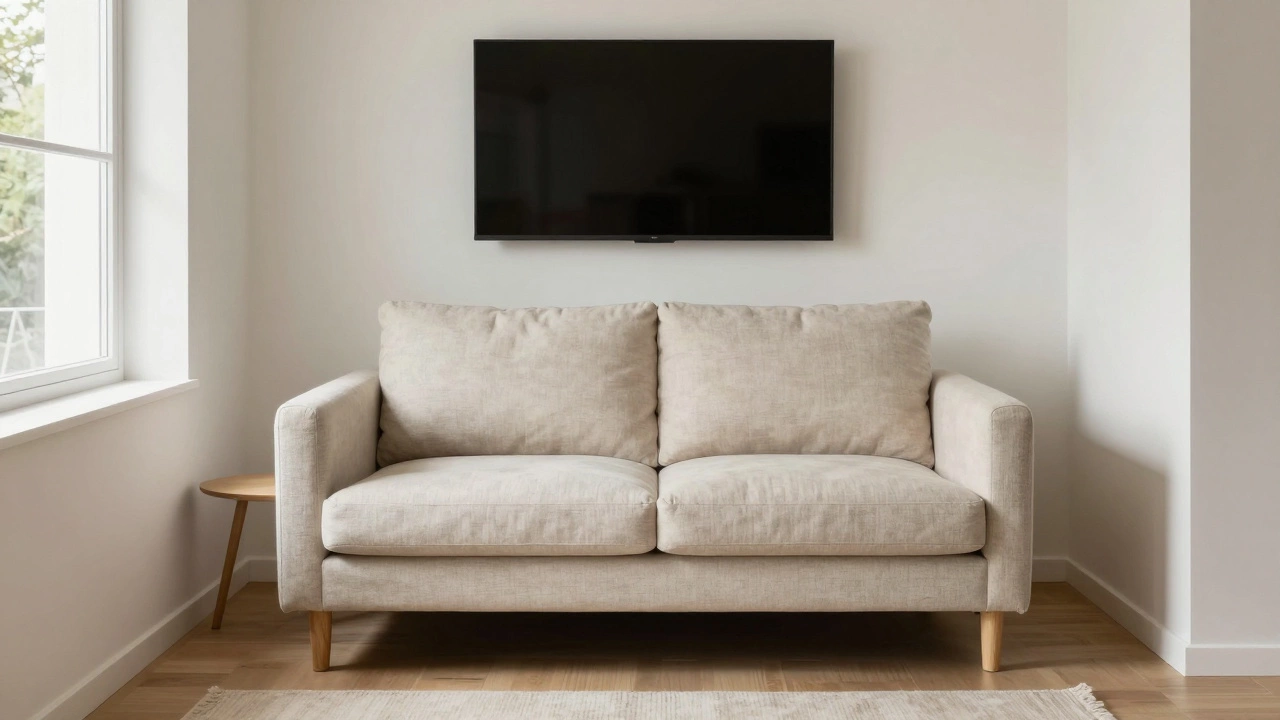 Feb, 12 2026
Small Room Sofa Space Calculator
Calculate the maximum sofa size that fits your space while maintaining essential clearance. Follow the article's recommendations for optimal small room living.
Sofa Recommendations
Enter room dimensions to see recommendations
Choosing the right sofa for a small living room isn’t just about style-it’s about making every inch count. Too many people buy a sofa that looks great in a showroom but swallows their space once it’s home. The result? A cramped room, blocked pathways, and a sofa that feels more like an obstacle than an invitation to relax. It doesn’t have to be this way. With the right approach, you can find a sofa that fits your space, supports your lifestyle, and still looks like it belongs there.
Measure First, Buy Later
Before you even look at cushions or fabric, grab a tape measure. Too many people skip this step and end up with a sofa that won’t fit through the door, let alone leave room to walk around. Start by measuring the width and depth of the space where the sofa will go. Leave at least 30 cm of clearance on all sides-especially in front of doors and windows. That’s not just for comfort; it’s for function. A narrow hallway or tight corner means you need to account for how the sofa will be moved in. If you’re replacing an old sofa, measure its footprint. If the new one is even 5 cm wider, it might not work.
Don’t forget height. Low-profile sofas (under 80 cm from floor to top of backrest) often feel less overwhelming in small rooms. Tall backs can make ceilings feel lower. And if you have a low window or a TV above a mantel, make sure the sofa’s back doesn’t block the view.
Choose the Right Shape
Not all sofas are created equal when space is tight. A traditional three-seater might look inviting, but it often eats up too much floor space. Instead, look at compact sofas with clean lines. Two-seaters are a solid choice-they offer enough seating without dominating the room. Corner sofas (L-shaped) can work if your room has an unused corner, but only if the armrests are slim and the depth isn’t over 90 cm. Avoid bulky, overstuffed designs. Look for sofas with exposed legs. They create visual space underneath, making the room feel lighter and airier.
Consider a chaise sofa if you want extra legroom. A single chaise on one side can replace a footstool and still leave room for a side table. Just make sure the chaise doesn’t extend too far into the walkway. In Auckland apartments, we often see people place chaise sofas perpendicular to the window, using the wall space efficiently.
Depth and Seat Height Matter More Than You Think
Seat depth-the distance from the front edge of the cushion to the backrest-is one of the most overlooked factors. For small rooms, aim for 50-58 cm. Anything deeper than 60 cm can make the sofa feel like it’s pushing into the room. A shallow seat (under 50 cm) might look modern, but it won’t be comfortable for lounging. The sweet spot? A depth that lets you sit upright with your feet flat on the floor, but still lets you stretch out when you want to.
Seat height should be around 40-45 cm. That’s high enough to make getting up easy, especially if you have mobility concerns or just hate the struggle of digging out of a deep couch. Low seats (under 38 cm) look stylish in magazines but turn your living room into a pit. If you have kids or older guests, this isn’t just about comfort-it’s about usability.
Go for Slim Arms and Minimalist Design
Thick, padded arms take up valuable space. They also make it harder to tuck the sofa close to a wall or beside a side table. Look for sofas with slim, tapered arms or even armless designs. Some modern sofas have no arms at all-just a low back and a clean silhouette. These work wonders in narrow rooms. You can place them right against a wall and still have room for a lamp or a stack of books on a narrow console behind.
Also, avoid ornate details. Carved wood, tufting, or bulky trim adds visual weight. Stick to simple lines. A sofa with a flat, straight back and no decorative stitching reads as lighter. Even the fabric matters-tight weaves like linen or performance microfiber look sleeker than heavy velvet or thick chenille.
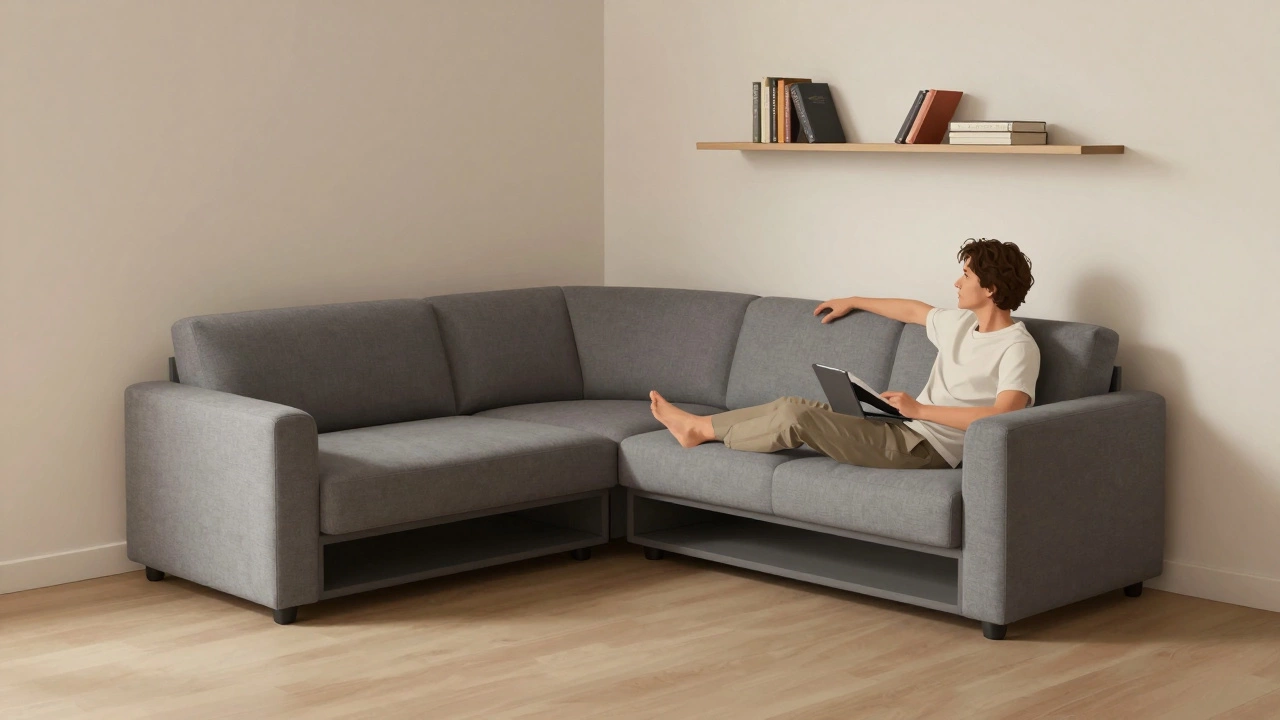
Consider Modular or Convertible Options
If your space is really tight, think beyond the traditional sofa. Modular designs let you arrange pieces to fit your exact layout. You can start with two seats and add a chaise or ottoman later. Some modular systems even let you swap out sections as your needs change.
Convertible sofas are another smart move. A sofa bed doesn’t have to be clunky. Modern versions use high-density foam and hidden steel frames that lift easily and lie flat without sagging. Look for ones with a storage compartment underneath-perfect for blankets, books, or seasonal items. In Auckland, where many homes are compact, these are common in one-bedroom apartments and studio flats.
Test Before You Commit
Never buy a sofa online without testing it in person. Even the best reviews can’t tell you how it feels after 20 minutes of sitting. Sit on it. Lean back. Try crossing your legs. See if your knees hit the edge of the seat. Ask if the cushions are removable-you’ll thank yourself later when you need to flip or clean them.
Bring a ruler or a piece of string cut to the sofa’s dimensions. Hold it up against your room’s layout. Visualize where your TV, lamp, and side tables will go. Does it leave room for a small rug? Can you open a door without hitting the arm? If you’re unsure, sketch a rough floor plan. It doesn’t have to be perfect. Just enough to see if the sofa fits the puzzle.
Color and Texture Can Trick the Eye
Dark colors make a sofa feel heavier. Light tones-beige, soft gray, pale blue-help it blend into the background. If you love bold colors, go for them on the cushions instead. That way, you can swap them out later without replacing the whole piece.
Texture also affects perception. A smooth, matte fabric reads as lighter than a shiny or nubby one. Avoid overly patterned fabrics in small rooms. They create visual noise. Solid or subtle textures help the sofa recede, making the room feel bigger.
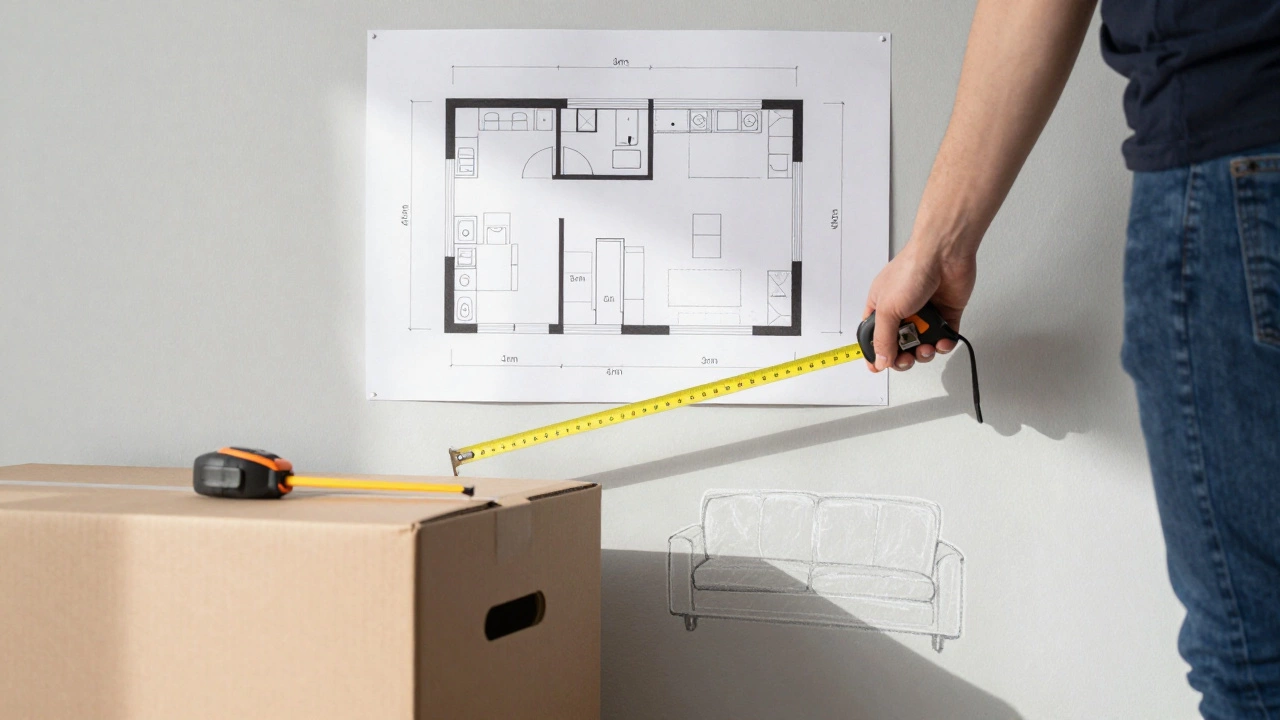
Don’t Forget the Footprint
Some sofas look small from the front but stick out too far into the room. Check the depth from the back of the sofa to the front of the cushions. A sofa that’s 95 cm deep might look okay in a showroom, but in a 3.5-meter-wide room, it leaves barely enough space to walk behind it. Aim for sofas under 85 cm deep. If it’s a corner sofa, check the diagonal measurement too. Some L-shapes look fine until you realize they’re eating into your kitchen entrance.
Real-World Example: A 4m x 3m Living Room
Picture this: a narrow living room in a 1970s Auckland flat, 4 meters long and 3 meters wide. The door opens on the short wall, and there’s a window on the opposite side. A 2.2-meter two-seater sofa with slim arms, 80 cm depth, and exposed legs fits perfectly. It leaves 80 cm on each side for walkways. A 50 cm wide side table sits beside it, and a 1.2-meter rug fits under the front legs. The TV is mounted on the wall, and the sofa’s low back doesn’t block the view. No ottoman, no chaise-just clean, simple, and functional.
This isn’t a design blog fantasy. It’s what works in real homes. You don’t need a custom piece. You just need to know what to look for.
What to Avoid
- Sectional sofas with large chaises-unless you have a corner room
- Deep, plush seats over 60 cm-comfortable, but space-hogs
- High, bulky backs-make ceilings feel lower
- Dark, heavy fabrics-add visual weight
- Armrests wider than 10 cm-take up too much elbow room
What’s the best size sofa for a small living room?
For most small living rooms, a two-seater sofa between 1.8 and 2.2 meters wide is ideal. Depth should be 80-85 cm, and height from floor to top of backrest should be under 80 cm. This leaves enough room to walk around and keeps the space feeling open. If you need more seating, consider a sofa with a matching ottoman instead of a larger sofa.
Can a sectional work in a small room?
Only if it’s designed for small spaces. Look for compact L-shapes with slim arms and a depth under 90 cm. Avoid large, deep chaises. Place the sofa so the corner sits flush against the wall, not sticking out into the walkway. Test the layout with tape on the floor before buying. Many people assume sectionals need big rooms-but the right one can actually maximize corner space.
Should I get a sofa with storage?
Yes-if you’re short on space. A sofa with hidden storage under the seat is one of the smartest upgrades for a small living room. It holds blankets, books, or seasonal gear without needing extra cabinets. Look for lift-top or lift-lid designs with gas lifts for easy access. Avoid models with flimsy storage that sag or stick. Quality ones cost a bit more but last longer and are easier to use.
Is a low-back sofa better for small rooms?
Usually, yes. Low-back sofas (under 75 cm) let you see across the room, making it feel larger. They’re also less likely to block windows or wall art. Plus, they pair well with tall lamps or floating shelves behind them. If you like to lean back, choose one with a slightly reclined backrest. You don’t need a high back to feel supported.
How do I know if a sofa will fit through my door?
Measure your doorway width and height. Then check the sofa’s box dimensions-most retailers list them online. If the sofa’s width or depth is within 5 cm of your door, it can usually fit with the legs off. For tight spots, ask if the arms are detachable. Some sofas come with removable arms, which makes delivery much easier. Don’t assume a sofa will fit just because it’s labeled "compact." Always double-check.