How to Spot a Quality Sofa: A Buyer's Guide
 Sep, 20 2026
Sofa Quality Estimator
Select the features of the sofa you are considering or currently own to estimate its expected lifespan and overall quality rating.
Calculating...
Expected Lifespan: -- years
Detailed Breakdown
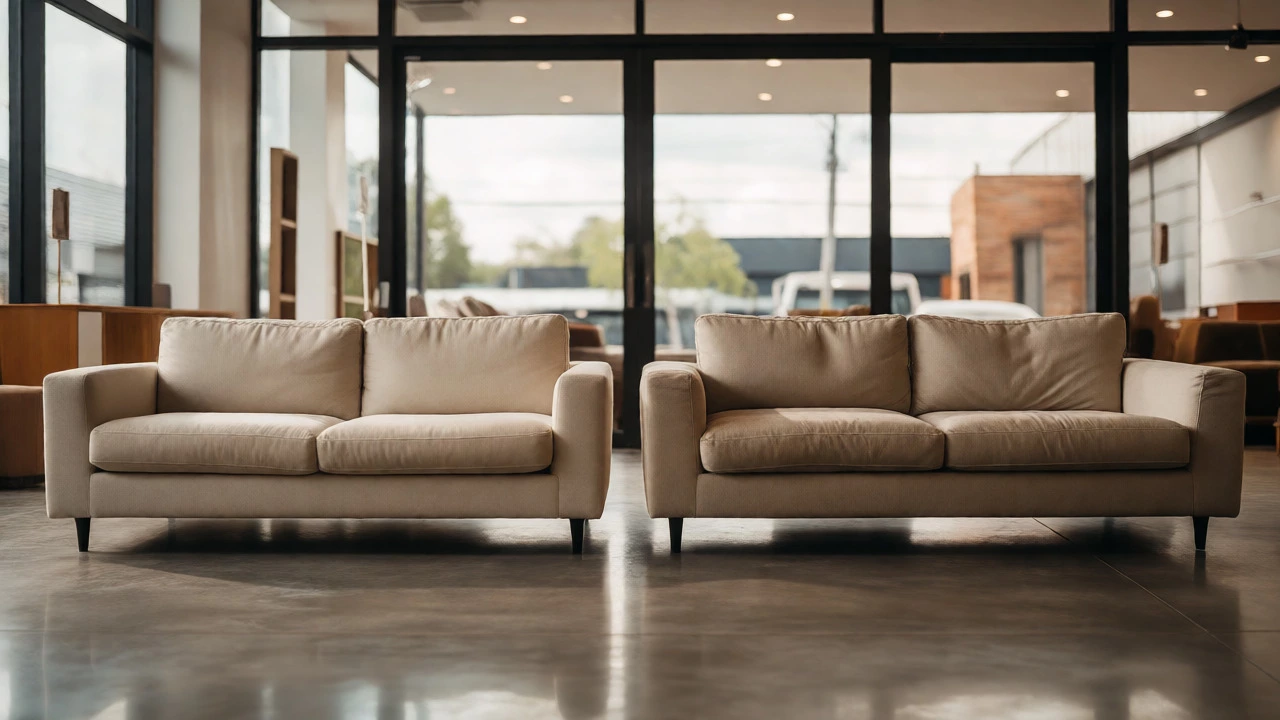
You walk into a showroom, and two sofas sit side by side. One costs $800, the other $2,500. To the untrained eye, they look identical. Same color, same shape, same plush cushions. But three years later, one is sagging in the middle with loose springs poking through, while the other still looks like it just arrived from the factory. What’s the difference? It’s not the fabric. It’s what you can’t see.
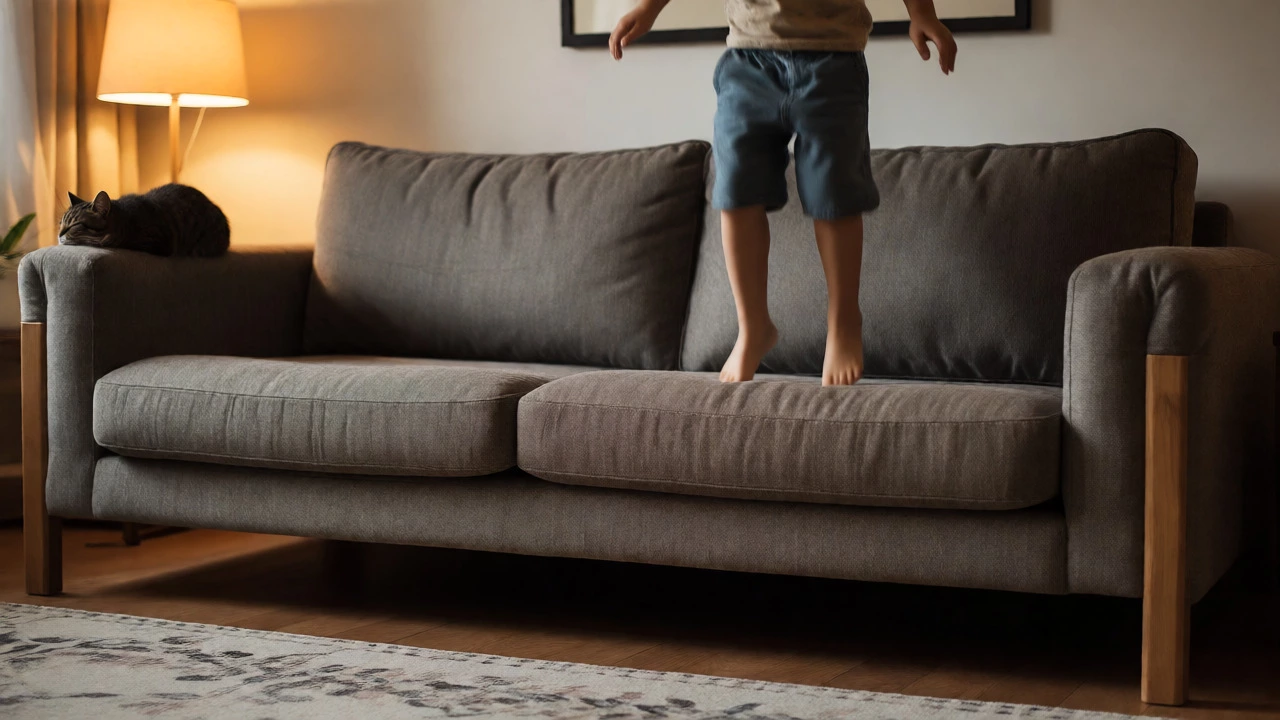
Buying a sofa is one of those rare purchases where price doesn't always equal quality, but cheap almost never equals longevity. Most people judge a couch by how soft it feels in the first thirty seconds of sitting on it. That’s a mistake. Comfort fades; construction lasts. If you want to know if a piece of furniture will survive your kids, your pets, or just the slow grind of daily life, you need to look past the aesthetics and inspect the bones.
The Frame Is Everything
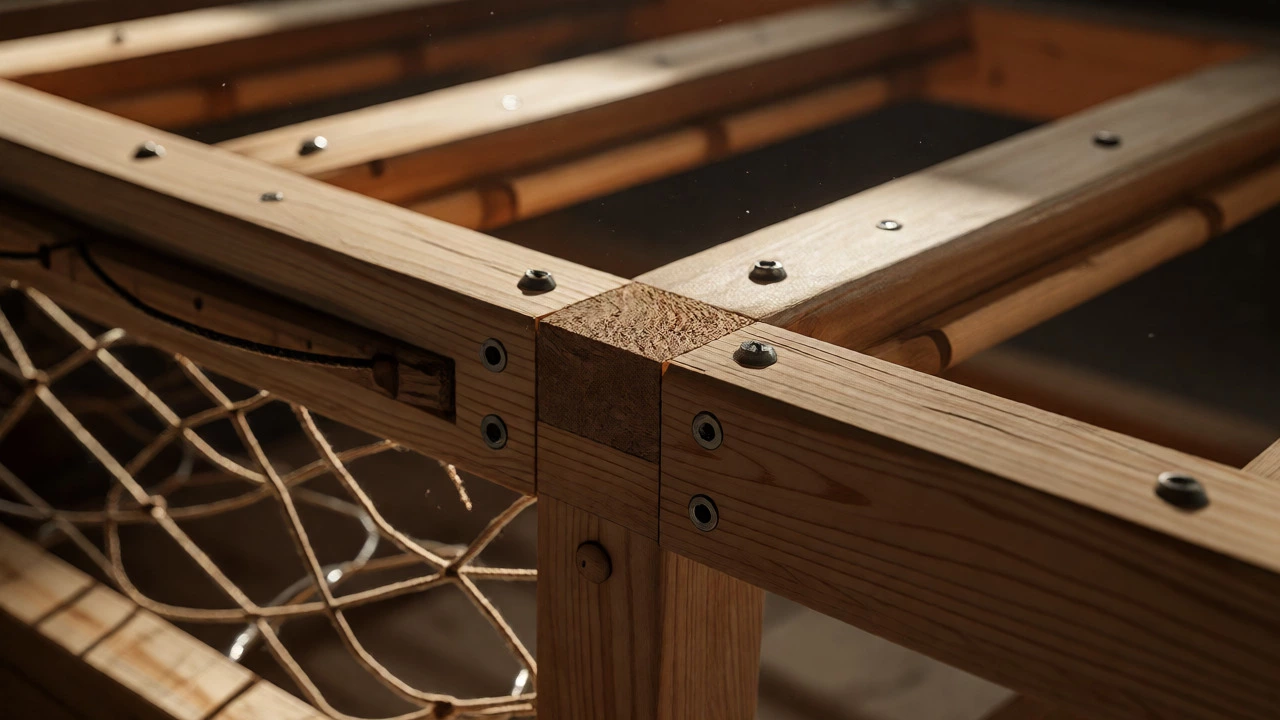
If the frame fails, the sofa dies. Period. You can reupholster a bad frame, but it’s rarely worth the cost compared to buying new. When you’re checking out a sofa, ask about the frame material. You are looking for kiln-dried hardwood. Why kiln-dried? Because raw wood contains moisture. As that moisture evaporates over time, the wood shrinks, warps, and cracks. Kiln-drying removes this moisture in a controlled oven environment before assembly, ensuring stability.
Avoid particleboard, MDF (medium-density fiberboard), or plastic frames. These materials absorb humidity, swell, and lose structural integrity quickly. In Auckland’s humid climate, this is especially critical. A particleboard frame might hold up fine in a dry desert, but here, it will likely warp within five years. Check the joints, too. Staples and glue are weak links. Look for dowels, screws, and corner blocks glued and screwed into place. If you shake the armrests and the whole structure wobbles, put it back.
Suspension Systems: The Hidden Support
Once you’ve confirmed the frame is solid hardwood, look at what holds the seat up. This is the suspension system, and it determines whether your sofa bounces or sags. There are three main types you’ll encounter, ranging from budget to luxury.
- Serpentine Springs: These are S-shaped wires connected across the width of the sofa. They are common in mid-range furniture. They provide decent support but can squeak over time if not properly insulated with fabric or foam pads.
- Eight-Way Hand-Tied Springs: This is the gold standard. Individual coils are tied together in eight directions (four vertical, four horizontal) with twine. This creates a uniform, supportive surface that resists sagging and maintains its shape for decades. If a salesperson mentions "hand-tied," believe them-it’s expensive labor.
- Elastic Webbing: Often found in cheaper sofas, this is rubberized fabric stretched across the frame. It’s comfortable initially but loses tension relatively quickly. Within a few years, you’ll feel the frame through the cushion.
How do you test this without taking the sofa apart? Sit firmly in the center. Then stand up. Does it spring back immediately? Or does it stay depressed for a second? High-quality suspension returns instantly. If you hear creaking or feel sharp points under the fabric, the springs may be poorly insulated or broken.
| System Type | Durability | Comfort Level | Cost Implication |
|---|---|---|---|
| Elastic Webbing | Low (3-5 years) | Soft but uneven | Budget-friendly |
| Serpentine Springs | Medium (7-10 years) | Firm and consistent | Moderate |
| Eight-Way Hand-Tied | High (15+ years) | Customizable firmness | Premium |
Cushion Fill Matters More Than Fabric
People obsess over velvet versus linen, but the fill inside the cushions dictates how long the sofa stays comfortable. Foam density is the key metric here, measured in pounds per cubic foot (PCF). Low-density foam (under 1.8 PCF) collapses quickly. You’ll notice dips forming right where you sit most often. High-resilience (HR) foam starts around 2.5 PCF and keeps its shape far longer.
Down feathers offer incredible initial comfort-they mold to your body perfectly. But pure down requires constant fluffing. Without maintenance, it goes flat and lumpy. The best compromise? Wrapped foam cores. This is high-density foam wrapped in a thin layer of down or feather blend. You get the structure of foam with the soft touch of down. Ask specifically: "Is this pure down or a down-blend wrap?" If they hesitate, it’s probably synthetic polyester fill, which mats down after a year.
Upholstery Durability: Beyond the Look
Fabric choice isn’t just about style; it’s about abrasion resistance. The industry uses the Martindale rub test to measure durability. A score of 15,000 double rubs is considered light domestic use. For a family home, aim for 25,000-40,000. Heavy commercial grade hits 50,000+. Don’t let a salesperson tell you a delicate silk-like fabric is "durable" because it feels nice in the store. Check the tag for the rub count.
Also, consider the weave. Tighter weaves resist snagging better than loose knits. If you have cats, avoid chenille or boucle unless treated for stain resistance. Performance fabrics, like Crypton or Sunbrella, are engineered with antimicrobial coatings and tight weaves that repel liquids. They cost more upfront but save you from replacing the sofa when the toddler spills juice.
Legs and Base Construction
This seems trivial, but it reveals the manufacturer’s attention to detail. Solid wood legs indicate a sturdy build. Hollow plastic legs often signal mass-produced, low-cost manufacturing. Also, check the base. Flip the sofa over if possible. A dust cover made of thick non-woven fabric protects the interior from dust and pet hair. Thin mesh or open gaps allow debris to accumulate inside, accelerating wear on the springs and foam.
Look at the stitching. Double-stitched seams are stronger and less likely to unravel. Zig-zag stitching allows for stretch, which is good for curved designs, but straight double stitching is generally more robust for boxy frames. Pull gently on a seam. If threads pull out easily, the thread count is too low.
The Smell Test and Environmental Factors
New furniture should smell like... nothing, or maybe faintly of wood or fabric. A strong chemical odor indicates off-gassing from volatile organic compounds (VOCs) in adhesives and foams. While some VOCs dissipate quickly, others linger and can affect indoor air quality. Look for certifications like GREENGUARD Gold, which ensures low chemical emissions. In smaller apartments, ventilation is limited, so choosing low-VOC options prevents headaches and respiratory irritation.
Warranty and Brand Reputation
A warranty tells you how much confidence the manufacturer has in their product. A one-year warranty usually means they expect the sofa to last just long enough for you to forget where you bought it. Ten-year warranties on frames and suspension suggest higher quality control. Read the fine print. Many warranties exclude "normal wear and tear," which is vague. Clarify what constitutes a defect versus normal settling.
Local brands in New Zealand often use imported components but assemble locally, offering better customer service than big-box retailers. However, international heritage brands may have stricter quality controls. Research reviews specifically mentioning longevity, not just initial impressions. Search for phrases like "two years later" or "still holding up."
Practical Inspection Checklist
Before you hand over your credit card, run through this physical inspection:
- Lift an armrest: If it feels light as air, it’s likely hollow composite. Solid wood has weight.
- Check the corners: Are they reinforced with wooden blocks? Plastic brackets break.
- Sit on the edge: Does the front edge collapse? Good edges have internal reinforcement.
- Inspect the zipper: If cushions are removable, zippers should be heavy-duty YKK or similar. Cheap zippers fail first.
- Test the recliner mechanism: If applicable, operate it ten times. Smooth motion is essential; jerky movement predicts failure.
Remember, a quality sofa is an investment in daily comfort. It’s the place you read, nap, watch movies, and host friends. Cutting corners here saves money now but costs you stress and replacement fees later. Spend the extra $500 on better foam and a hardwood frame, and you’ll thank yourself in year five.
How long should a quality sofa last?
A high-quality sofa with a kiln-dried hardwood frame and eight-way hand-tied springs should last 10 to 15 years with regular use. Lower-quality models with particleboard frames and elastic webbing typically last 3 to 5 years before showing significant signs of wear like sagging or squeaking.
Is leather better than fabric for durability?
Full-grain leather is extremely durable and develops a patina over time, lasting decades if maintained. However, bonded or corrected leather peels quickly. High-performance fabrics can match leather in durability (measured by rub counts) and offer easier cleaning for households with pets or children, whereas leather requires conditioning to prevent cracking.
What is the most important factor in sofa quality?
The frame construction is the most critical factor. A kiln-dried hardwood frame joined with dowels and screws provides the structural foundation. No amount of premium fabric or foam can compensate for a weak frame made of particleboard or plastic, which will warp or break regardless of other components.
Why does my new sofa smell strong?
Strong odors usually come from off-gassing Volatile Organic Compounds (VOCs) found in adhesives, dyes, and polyurethane foams. While some smell dissipates in days, persistent strong smells may indicate lower-quality materials. Look for GREENGUARD Gold certification to ensure low chemical emissions for better indoor air quality.
Are down cushions better than foam?
Pure down offers superior initial comfort but requires frequent fluffing and flattens over time. High-density foam retains shape better but can feel hard. The best option is often a hybrid: high-density foam core wrapped in a down or feather blend, providing both structural support and luxurious softness without excessive maintenance.