Is a Refrigerator Considered Kitchenware? Understanding the Distinction
 Sep, 24 2026
Kitchen Item Classifier
Enter an item name to see how it is typically classified in retail and insurance contexts.
- Kitchenware: Hand-held tools, no electricity (e.g., knives, pots, bowls).
- Small Appliances: Countertop devices with motors/electricity (e.g., blenders, toasters).
- Major Appliances: Large, fixed/semi-fixed machines requiring significant power (e.g., fridges, ovens).
You’re standing in your kitchen, trying to decide if you need to buy new cookware or if you should be looking at appliances. Or maybe you’re filling out an insurance claim, and the form asks for "kitchenware" items, leaving you staring blankly at your fridge. It’s a surprisingly common point of confusion: Is a refrigerator actually considered kitchenware?
The short answer is no. But the longer answer involves understanding how we categorize household items, why the distinction matters for buying and insurance, and where the lines blur in modern home design. Let’s clear up this semantic mess once and for all.
Defining Kitchenware vs. Appliances
To understand why a fridge doesn’t fit the mold, we first need to look at what these terms actually mean. In the retail and manufacturing worlds, categories aren’t just random labels; they dictate storage, pricing, and even shipping methods.
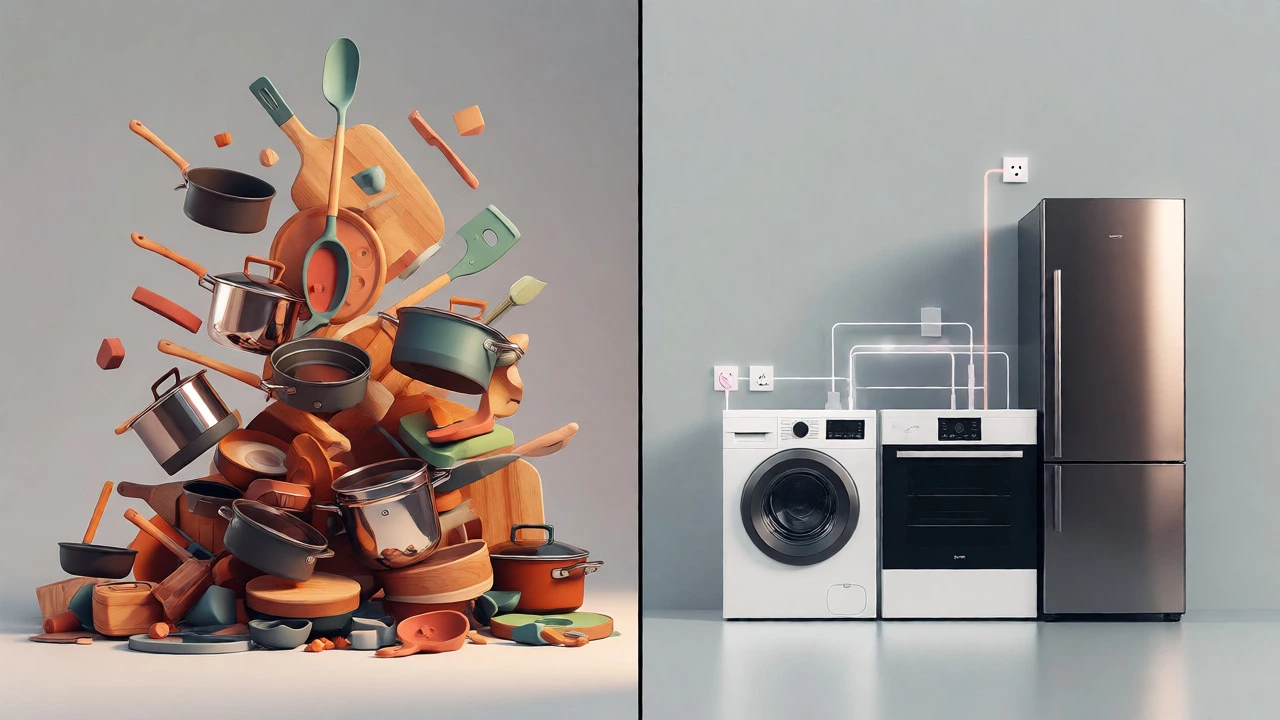
Kitchenware refers to small, portable tools and utensils used for food preparation and serving. Think of it as the "hand-held" category. This includes things like spatulas, knives, mixing bowls, pots, pans, and cutting boards. These items are typically made from materials like stainless steel, silicone, wood, or ceramic. They don’t require electricity to function, and you can easily move them from one counter to another.
On the other hand, Major Home Appliances (often called white goods) are large, fixed or semi-fixed machines that perform specific tasks using electricity or gas. A refrigerator falls squarely into this category. Other examples include washing machines, dishwashers, ovens, and dryers. These items are heavy, expensive, and usually stay in one place for years.
Why does this matter? If you go to a store like The Warehouse or Harvey Norman here in Auckland, you won’t find refrigerators next to the whisks. You’ll find them in the appliance aisle, often requiring a delivery truck rather than a shopping cart. The separation is physical because the logistics are completely different.
The Gray Area: Small Appliances
If major appliances are clearly not kitchenware, what about the toaster or the blender? This is where things get fuzzy. Retailers often create a third category called "Small Kitchen Appliances."
A blender is technically an appliance because it uses a motor, but it’s portable and sits on a countertop. Because of this, many people colloquially group blenders with kitchenware when shopping online. However, strictly speaking, it’s still an electrical device.
Here’s a quick breakdown of how industry standards usually classify common items:
| Item | Category | Reasoning |
|---|---|---|
| Frying Pan | Kitchenware | No power source, portable, manual use. |
| Mixing Bowl | Kitchenware | Passive tool, no energy required. |
| Refrigerator | Major Appliance | Requires electricity, large footprint, fixed location. |
| Coffee Maker | Small Appliance | Uses electricity, countertop placement, portable. |
| Dishwasher | Major Appliance | Plumbed in, high energy use, permanent installation. |
Notice the pattern? If it plugs into a wall and has moving parts driven by a motor, it’s an appliance. If you hold it in your hand to do the work, it’s kitchenware. The refrigerator fails both tests for kitchenware: it’s too big to hold, and it does the work for you via compression technology.
Why the Distinction Matters for Insurance and Tax
You might think this is just pedantic wordplay, but if you’ve ever filed a home contents insurance claim, you know it’s critical. Insurance policies often cover "contents" differently than "fixtures."
In New Zealand, standard home contents insurance usually covers movable items. Kitchenware is almost always covered under general contents because it’s easy to replace and transport. Major appliances, however, can sometimes fall into a gray area depending on whether they are built-in or freestanding.
A freestanding fridge is typically treated as contents. But a built-in oven? That might be considered part of the building structure (fixtures), which is covered under buildings insurance, not contents. Knowing the difference ensures you aren’t left paying out of pocket for a replacement compressor after a storm.
Tax deductions for businesses also rely on these categories. If you run a catering business, you might depreciate a commercial refrigerator over several years as a capital asset. Your chef’s knives, however, might be expensed immediately as low-value consumables. Misclassifying them could lead to accounting headaches later.
The Evolution of the Kitchen: Blurring Lines
Modern kitchen design is challenging these traditional definitions. We are seeing more integrated appliances that hide behind cabinet doors, making them look less like machines and more like furniture. Conversely, we have high-end cookware that incorporates smart tech, like induction-ready woks or temperature-controlled sous-vide circulators.
Does this make a fridge kitchenware? Not really. Even if your fridge is hidden behind a wooden panel, its function remains mechanical preservation through thermodynamics. It doesn’t become a tool you wield; it remains a system you inhabit.
However, the marketing language often tries to bridge the gap. Brands sell "lifestyle" fridges that focus on aesthetics-matte black finishes, glass fronts, and minimalist handles. They want you to feel like your fridge is a piece of decor, similar to a stylish vase or a rug. While this changes how we *perceive* the object, it doesn’t change its technical classification.
Practical Implications for Shopping and Organization
Understanding this distinction saves you time and money when organizing your home or shopping for upgrades.
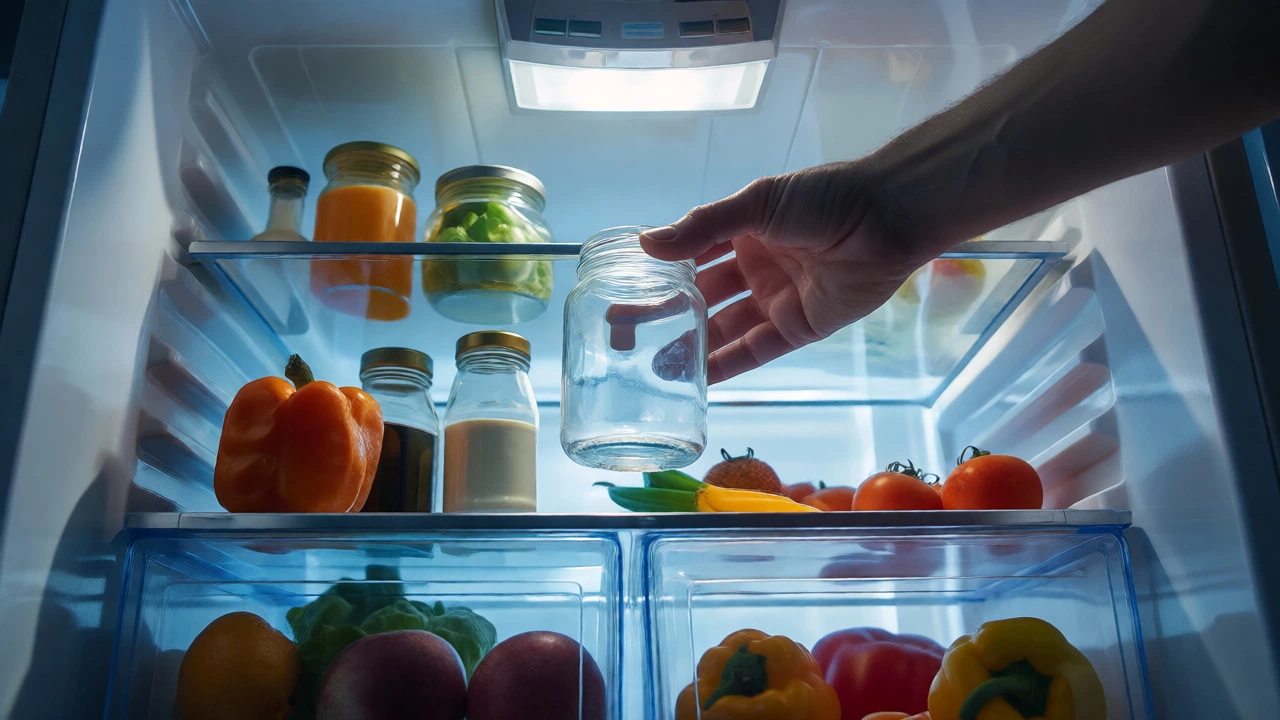
- Storage Solutions: Kitchenware needs accessible storage. You want your pots near the stove and your knives near the prep zone. Refrigerators define the layout of the kitchen itself. They require ventilation space, clearance for door swings, and proximity to power outlets. You don’t organize a fridge like a drawer; you organize the kitchen around the fridge.
- Cleaning Routines: Cleaning kitchenware is immediate. You wash a plate right after eating. Cleaning a refrigerator is periodic. You wipe down shelves monthly or deep-clean during spring cleaning. Treating a fridge like a plate would mean scrubbing it every time you open it, which is impractical.
- Replacement Costs: Replacing a set of good quality knives might cost $100-$300 NZD. Replacing a reliable refrigerator can cost $800-$2,500 NZD. The financial weight places them in different budget categories. When creating a household budget, kitchenware is often part of "consumables," while appliances are "capital expenditures."
Common Misconceptions About Kitchen Categories
One frequent mistake is assuming that anything found in a kitchen is kitchenware. By that logic, the floor tiles and the ceiling lights would also be kitchenware. Clearly, context matters more than location.
Another misconception is that "small" equals "kitchenware." A microwave is small compared to a fridge, but it’s still an appliance. Size isn’t the deciding factor; power dependency and mobility are. A massive cast-iron Dutch oven is huge, but it’s definitely kitchenware because you lift it and use it manually.
Finally, some people confuse "kitchenware" with "dinnerware." Dinnerware specifically refers to plates, bowls, and cups used for serving. Kitchenware is broader, including the tools used to prepare the food. Both exclude appliances. Keeping these three distinct helps when searching for gifts or restocking supplies.
Conclusion: Keep Them Separate
So, is a refrigerator kitchenware? No. It is a major home appliance. While it lives in the kitchen and serves the same ultimate goal-food management-it belongs to a different functional and logistical category.
When you shop, browse, or insure, keep the mental line clear: If you plug it in and it works without your hands guiding it, it’s an appliance. If you pick it up and use it to manipulate food directly, it’s kitchenware. This simple heuristic will save you confusion in stores, on forms, and in conversation.
Can I list a refrigerator under kitchenware on an insurance form?
It depends on the insurer, but generally, you should list it under "Appliances" or "White Goods" if those options exist. If only "Contents" and "Fixtures" are available, a freestanding fridge is usually Contents. Check your policy wording to be sure, as misclassification can affect claims.
Are microwaves considered kitchenware?
No, microwaves are classified as small kitchen appliances. They require electricity and contain complex electronic components, distinguishing them from passive kitchenware like bowls or spoons.
What is the main difference between kitchenware and dinnerware?
Kitchenware refers to tools used for preparing and cooking food (pots, pans, knives). Dinnerware refers to items used for serving and eating food (plates, glasses, cutlery). Both are non-electrical, but their functions differ.
Why do stores separate refrigerators from pots and pans?
Logistics and value. Refrigerators are bulky, heavy, and expensive to ship individually, whereas pots and pans can be stacked on pallets. Separating them optimizes warehouse space and checkout processes.
Do built-in appliances count as fixtures or contents?
Built-in appliances are often considered fixtures because they are installed into cabinetry and may add value to the property structure. Freestanding appliances are typically considered contents. Always verify with your real estate agent or insurer.