Is Ethan Allen Furniture Made in China? A Complete Manufacturing Guide
 Nov, 9 2026
Ethan Allen Furniture Origin Checker
Not sure where your piece comes from? Select a category to see typical manufacturing locations and what that means for durability and price.
Likely Manufacturing Location:
Primary Regions:
Quality & Durability Implications:
Buying Tip:
Pro Tip: How to Read Tags
- "Made in USA": Frame and assembly done domestically. Highest structural integrity.
- "Assembled in USA": Components may be imported, but final construction is local. Good balance.
- "Imported": Fully manufactured overseas. Check for warranty support availability.
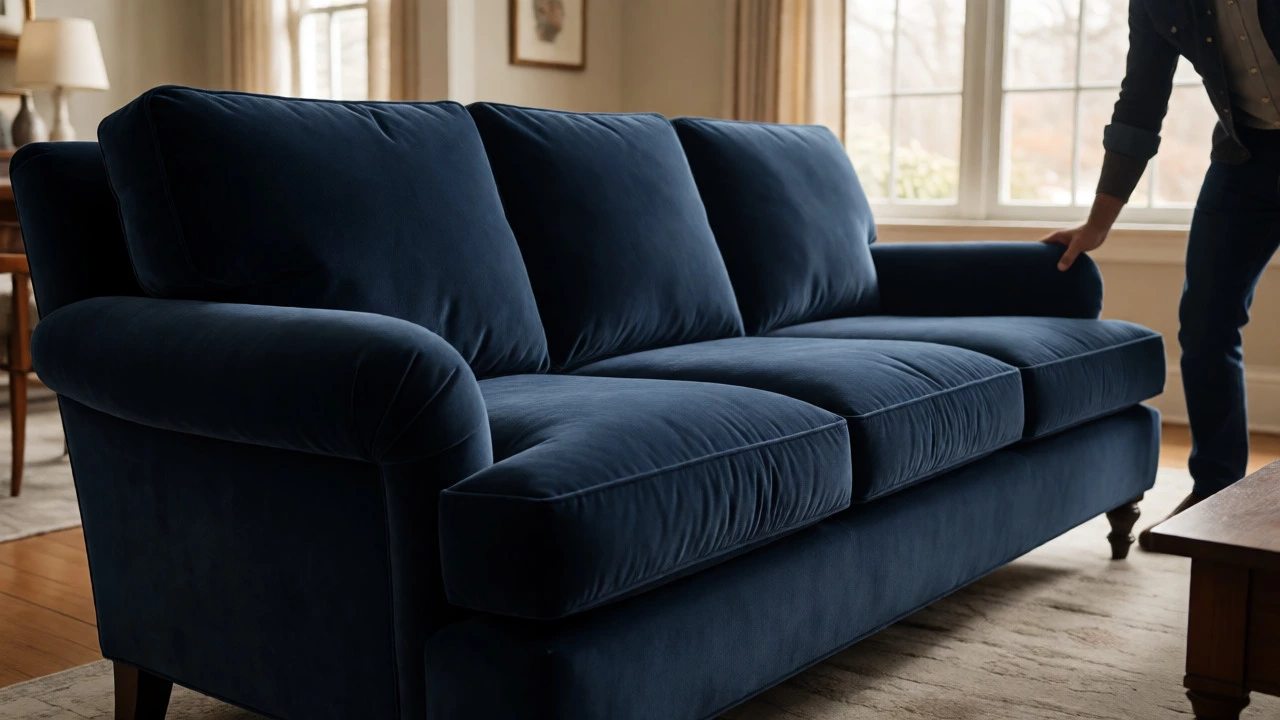
You walk into a showroom, run your hand along the arm of a plush Ethan Allen sofa known for its traditional American style and durable construction, and ask the salesperson the question that’s on every buyer’s mind: "Where is this actually made?" It’s not just curiosity. In an era where "Made in USA" carries weight for durability and ethical labor standards, knowing the origin of your big-ticket purchase matters. The short answer isn't a simple yes or no. While many people assume all mass-market furniture comes from overseas, Ethan Allen has a more nuanced story involving domestic craftsmanship and strategic global sourcing.
Let’s clear up the confusion. If you are looking for a straightforward label to stick on your receipt, you won’t find one that applies to every single piece. However, understanding how Ethan Allen splits its production between North America and Asia helps you make a smarter buying decision. This guide breaks down exactly which parts come from where, why it matters for your wallet and your home, and what you should check before you sign the delivery slip.
The Short Answer: Where Does Ethan Allen Manufacture?
Most of Ethan Allen’s upholstered furniture, including their famous sofas and sectionals, is manufactured in the United States and Canada. Specifically, they operate large facilities in places like Beebe, Arkansas, and various locations across Quebec, Canada. This means if you buy a standard fabric sofa from their main collection, there is a very high chance it was stitched together by workers in North America.
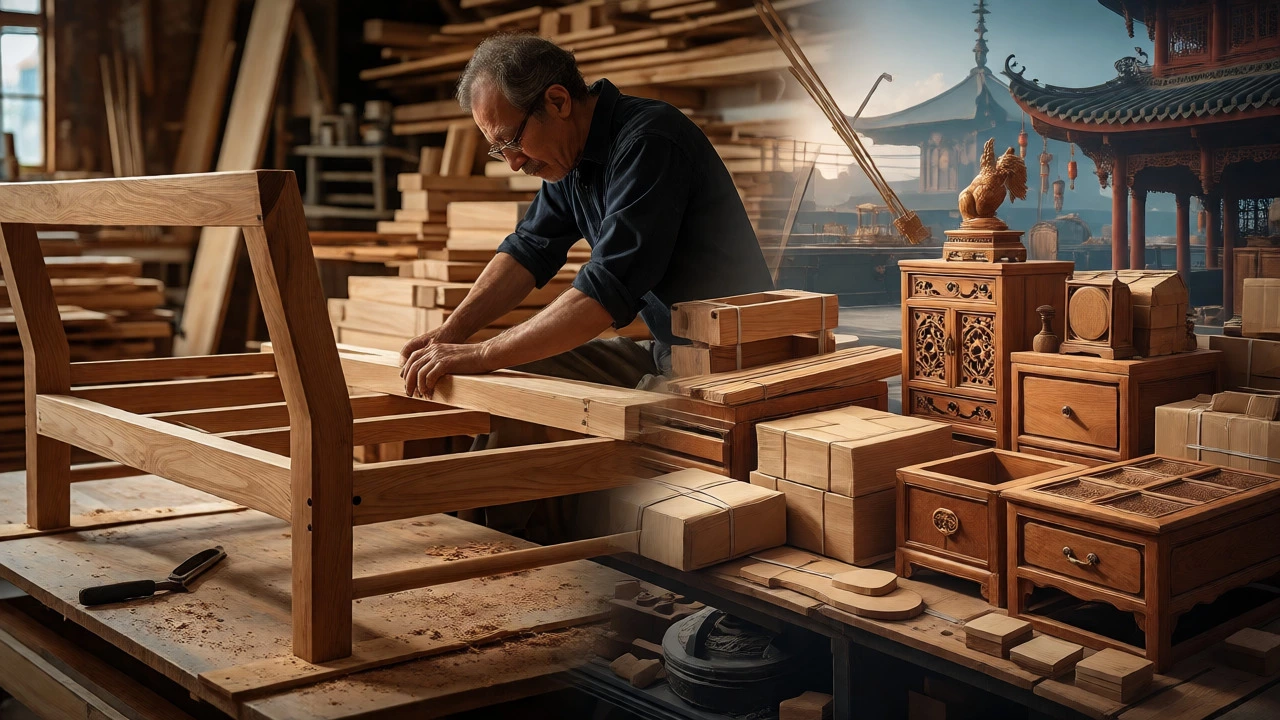
However, the picture changes when you look at case goods-think wooden dressers, tables, and cabinets-and certain decorative accessories. For these items, Ethan Allen sources significantly from overseas, including countries like China, Vietnam, and India. Why do they do this? Woodworking requires different supply chains than upholstery. Sourcing specific hardwoods or intricate carvings can be more cost-effective or technically feasible through international partners. So, while your couch likely stayed close to home, the coffee table matching it might have traveled across the Pacific Ocean.
Why the "Made in USA" Label Still Matters for Sofas
You might wonder if the location of manufacture really impacts the quality of your sofa. After all, good factories exist everywhere. But for upholstered furniture, domestic production offers distinct advantages that directly affect longevity and comfort. First, control over materials is tighter. When frames are built in Arkansas or Canada, Ethan Allen can strictly monitor the kiln-dried hardwood used in the structure. Cheaply sourced plywood or particleboard often hides inside imported frames, leading to squeaks and sagging within three years.
Second, shipping logistics play a huge role in condition upon arrival. Shipping a fully assembled sofa from Shenzhen to Auckland or New York involves weeks on a cargo ship. Humidity changes during transit can warp wood legs or loosen joints. Domestic shipping is faster and less exposed to extreme environmental shifts. If you live in New Zealand, for instance, importing a US-made sofa adds freight costs but ensures you’re getting a product that hasn’t sat in a container for two months. You get fresher foam and tighter stitching.
Decoding the Product Tags: How to Verify Origin Yourself
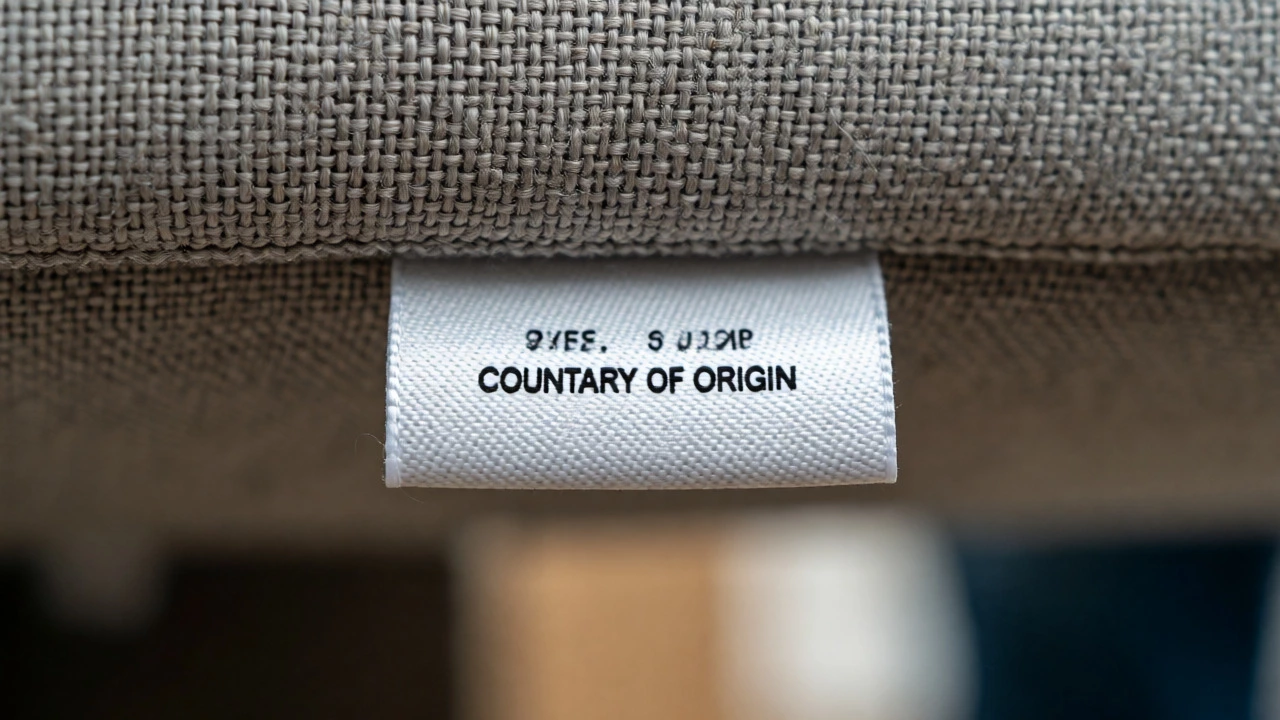
Don’t take the salesperson’s word for it. Always check the physical tag. Under US law (and similar regulations in other markets), furniture must display country-of-origin information. Here is what to look for on the underside of your new sofa:
- Specific Country Names: Look for "Made in USA," "Assembled in USA," or "Made in Canada." These indicate domestic labor and primary material processing.
- Generic Labels: If you see only "Imported" or a list of multiple countries without specifying the final assembly point, it likely originated outside North America.
- Component Breakdown: Some tags specify "Frame made in USA, Fabric imported." This is common. The frame provides the structural integrity, so domestic frames are still a win.
A quick tip: If the price seems too good to be true for a heavy-duty recliner, check the tag. High-quality mechanisms and dense foam cushions add weight. If it feels light and the tag says "China," you are likely paying for the brand name rather than the build quality.
| Furniture Type | Primary Manufacturing Location | Quality Implication |
|---|---|---|
| Sofas & Sectionals | USA (Arkansas) & Canada | High durability, better warranty support, faster delivery. |
| Recliners | USA & Canada | Mechanisms tested locally, easier repairs. |
| Wood Tables & Cabinets | China, Vietnam, India | Variety in finishes, lower cost, potential for longer lead times. |
| Decorative Accessories | Global (China, Turkey, etc.) | Trend-driven, disposable lifespan, low risk. |
The Impact of Global Supply Chains on Your Wallet
Since 2018, tariffs and trade disputes have reshaped furniture pricing. When Ethan Allen shifted some case goods production to Vietnam and India, it wasn’t just about cheap labor. It was about avoiding steep tariffs on Chinese imports. For the consumer, this means prices fluctuate based on geopolitical news. If you are shopping now, notice that upholstered pieces have held steady in value because their supply chain is local. Wooden pieces may see more price volatility due to shipping costs and raw material availability abroad.
Does this mean Chinese-made furniture is bad? Absolutely not. Brands like IKEA or specialized importers produce excellent goods in China. The difference lies in consistency and repairability. With Ethan Allen’s domestic upholstery, if a spring breaks in year five, they have a network of technicians who know the exact model specs. For imported items, finding replacement parts can sometimes feel like hunting for a needle in a haystack. That convenience factor is part of what you pay for.
What About Sustainability and Ethics?
Many buyers today care about the carbon footprint of their purchases. A sofa made in Arkansas and shipped to Chicago has a much smaller transportation footprint than one made in Guangzhou and shipped to Chicago. However, the energy intensity of factory operations also counts. Ethan Allen has published sustainability reports highlighting their use of recycled steel in springs and water-based adhesives in their US plants. They argue that keeping jobs local supports community stability, which is a social sustainability metric often overlooked.
If eco-friendliness is your top priority, ask specifically about the fabric certifications. Whether made in the USA or China, OEKO-TEX certified fabrics ensure no harmful chemicals were used. Don’t assume "Made in USA" automatically means "eco-friendly." Check the labels on both the frame and the textiles.
Alternatives to Consider Based on Origin Preferences
If the mixed origin of Ethan Allen bothers you, there are alternatives depending on your budget and style preferences. If you want 100% domestic production, look at Amish-made furniture or smaller boutique brands in Vermont and Pennsylvania. These pieces will cost significantly more but offer heirloom quality. On the other end, if you prefer full transparency on imported goods, brands like West Elm or Article clearly state their sourcing origins online, often mixing Turkish velvet with Portuguese wool.
For those sticking with Ethan Allen, focus on the upholstered line. It gives you the best balance of traditional American aesthetics, reliable construction, and manageable maintenance. Avoid the deep discount bins unless you inspect the joinery yourself, as clearance items might be older stock from previous supply chain configurations.
Frequently Asked Questions
Is all Ethan Allen furniture made in the USA?
No, not all of it. Most upholstered furniture, such as sofas, loveseats, and recliners, is manufactured in the United States (primarily in Arkansas) and Canada. However, many wooden case goods, tables, and decorative accessories are sourced internationally, including from China, Vietnam, and India.
How can I tell if my Ethan Allen sofa is made in China?
Check the white tag usually located under the back cushion or on the bottom rail of the sofa. It will explicitly state the country of origin. If it says "Made in USA" or "Assembled in USA," it was produced domestically. If it lists China or another Asian country, it was imported.
Is Ethan Allen furniture considered high quality?
Generally, yes. Their upholstered pieces are well-regarded for using kiln-dried hardwood frames, high-density foam, and durable fabrics. The quality is consistent because of their controlled domestic manufacturing process for these items. Case goods vary more depending on the specific supplier and material used.
Why does Ethan Allen source some furniture from China?
They source certain items like wooden tables, cabinets, and decor from China and other Asian countries to access specialized woodworking skills, specific timber types, and competitive pricing. This allows them to offer a wider range of styles and price points than if they produced everything domestically.
Does buying US-made furniture cost more?
Yes, typically. Labor costs in the US and Canada are higher than in China or Vietnam. However, you often get better warranty service, faster delivery times, and potentially longer-lasting products, which can offset the initial higher price over time.