Is It Okay If Curtains Don't Touch the Floor? A Practical Guide
 Oct, 11 2026
Curtain Length Calculator
Enter your measurements to determine the exact fabric drop length needed for a professional finish.
1. Measurements
2. Result & Recommendation
Enter measurements to see your ideal curtain length.
Recommended Fabric Drop:
inches
Why this length?
Quick Tips:
Style Guide Reference
Use this table to verify if your current setup matches best practices for your room type.
| Style | Floor Gap | Best For | Risk |
|---|---|---|---|
| Floating | 0.5 – 1 inch | Kitchens, bathrooms, high-traffic | Low |
| Kissing | 0 inches | Formal dining, minimalists | Medium |
| Puddling | 2 – 6+ inches | Luxury bedrooms, theatrical | High |
| Sill Length | At sill | Casement windows, compact rooms | Low |
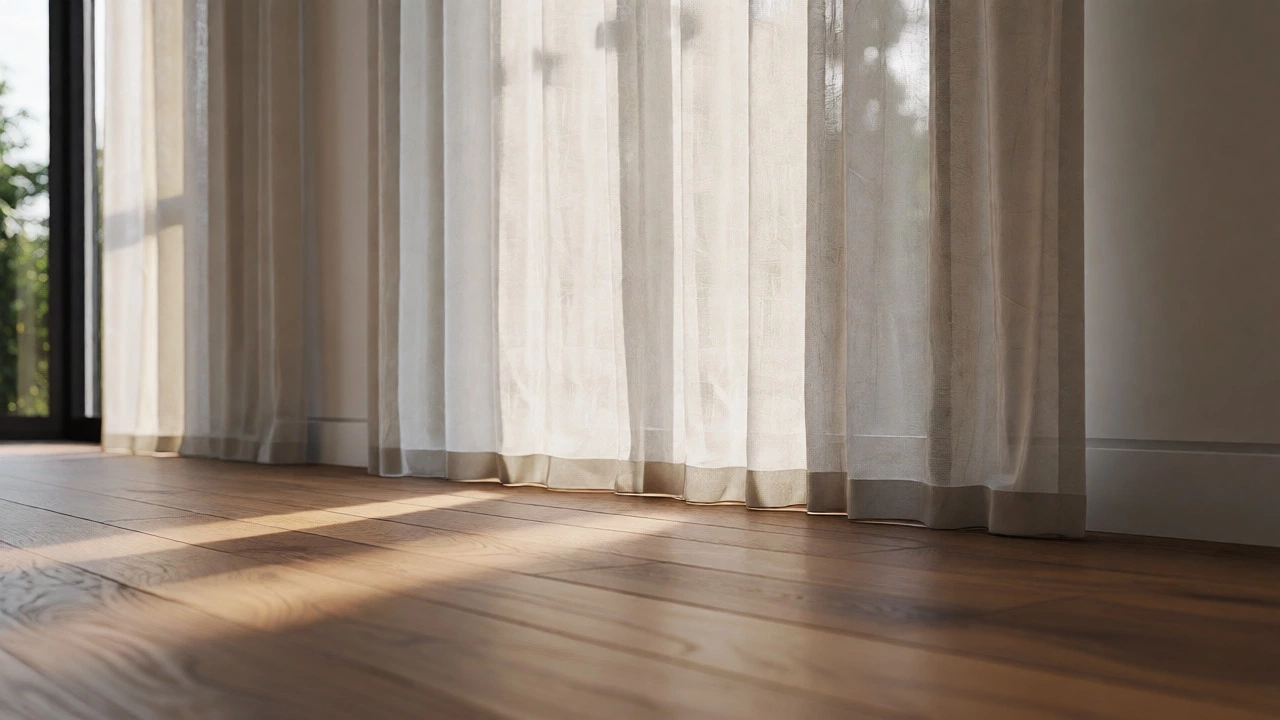
You’re standing in your living room, staring at a gap between your curtains and the floor. Maybe it’s an inch. Maybe it’s three. You’ve heard the old rule: "Curtains must kiss the floor." But does that actually matter? The short answer is yes, but not for the reason you think. It’s not about breaking a sacred law of interior design; it’s about how light, dust, and visual weight interact with your space.
| Curtain Style | Floor Gap | Best For | Risk Factor |
|---|---|---|---|
| Floating (Puddle-free) | 0.5 - 1 inch | Kitchens, bathrooms, high-traffic areas | Low |
| Kissing the Floor | 0 inches | Formal dining rooms, minimalists | Medium (dust/dirt) |
| Puddling | 2 - 6+ inches | Luxury bedrooms, theatrical spaces | High (cleaning hassle) |
| Sill Length | At sill or below | Casement windows, compact rooms | Low |
The Real Reason Behind the "Floor Touch" Rule
Why do designers obsess over this tiny gap? It comes down to verticality. When curtains touch the floor-or pool slightly on it-they create an unbroken line from the ceiling down. This draws the eye upward, making ceilings look higher and windows look larger. If your curtains stop two inches above the floor, that line breaks. The window looks shorter. The room feels more cramped.
Think of it like wearing trousers. If they’re too short, you see socks and ankles, which cuts off the leg line. If they just graze the shoe, the leg looks longer. Curtains work the same way. A small gap can make a standard 8-foot ceiling feel lower, especially if the window frame itself is modest.
But here’s the twist: in some rooms, touching the floor is a disaster. In Auckland, where we deal with damp winters and sandy beaches nearby, letting fabric drag on the floor often means dragging dirt, pet hair, and moisture into the weave. So, while the aesthetic rule exists, practicality often overrides it.
When Floating Curtains Are Actually Better
There are specific scenarios where leaving a gap isn’t just okay-it’s preferred. If you have kids who play near the window, or dogs that love to chew on loose fabric, a floating hem saves you headaches. I’ve seen countless clients regret their puddled drapes within six months because cleaning them became a weekly chore instead of a seasonal one.
Consider these situations where a half-inch to one-inch gap is ideal:
- High-Traffic Areas: Hallways or living rooms where people walk close to the window.
- Damp Zones: Bathrooms or kitchens where splashes and steam are common.
- Heated Floors: If you have underfloor heating, heavy fabric sitting on hot tiles can warp synthetic blends over time.
- Small Rooms: Sometimes, a clean, crisp line makes a tiny room feel less cluttered than a messy puddle.
In these cases, precision matters. A random 3-inch gap looks accidental. A deliberate 0.5-inch gap looks tailored. The key is consistency across all windows in the room.
The Aesthetic Cost of Being Too Short
If your curtains are more than two inches off the floor, you risk looking cheap. Not necessarily because the fabric is low-quality, but because it signals carelessness. Imagine buying a suit that ends mid-calf. It doesn’t matter how expensive the wool is; the fit ruins the impression.
This is particularly noticeable in rooms with natural light. Sunlight hits the floor, then bounces up. If there’s a gap, you see the wall behind the curtain, creating a shadow line that fragments the view. It breaks the illusion of seamless elegance. If you’re renting and can’t change the hardware, consider adding a weighted hem tape. It pulls the fabric down straighter, minimizing the visual impact of a slight shortfall.
Also, check your window trim. If you have bulky architraves, mounting the rod closer to the ceiling helps compensate for shorter drops. By raising the rod, you increase the drop length without needing extra fabric. This trick works wonders for older homes with lower ceilings.
How to Measure Correctly (And Avoid Regret)
Most mistakes happen during measuring. People measure from the top of the window frame to the floor. Wrong. You need to measure from where the rod will sit to the floor. And remember: rods come in different heights. Some sit flush against the wall; others extend out on brackets.
Here’s a foolproof method for getting the length right:
- Decide the style first. Do you want kissing, floating, or puddling?
- Mark the rod height. Use a pencil to mark where the bracket screws go. Usually, this is 4-6 inches above the window frame.
- Measure to the floor. Drop a tape measure from the bracket mark to the floor. Do this at both ends of the window to account for uneven floors (common in older NZ villas).
- Add the break.
- For floating: Subtract 0.5 inches.
- For kissing: Keep as is.
- For puddling: Add 2-4 inches.
- Account for header style. Eyelet, pencil pleat, or wave headers add different amounts of volume. Ask your supplier for the finished drop length, not just the fabric cut length.
If you’re unsure, err on the side of longer. It’s easier to hem up than to let down. Plus, if you decide later you want a puddle, you already have the fabric.
Material Matters More Than Length
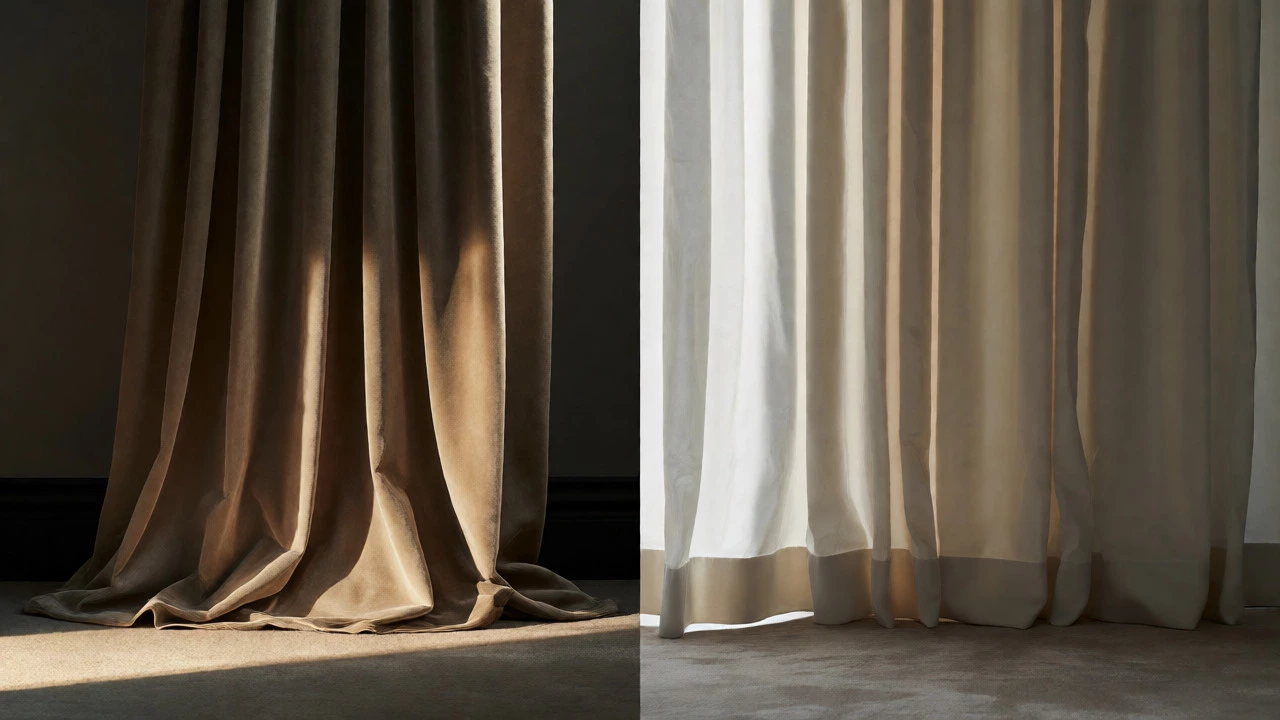
Not all fabrics behave the same way when they hit the floor. Heavy velvet pools beautifully. Light linen might look limp and dirty quickly. Synthetic blends resist stains but may melt if they touch a radiator.
Here’s a quick guide to matching material to length:
| Fabric Type | Best Length | Why |
|---|---|---|
| Velvet | Puddling or Kissing | Holds shape well; hides dust better due to texture. |
| Linen | Floating (0.5") | Wrinkles easily; dragging causes permanent creases. |
| Cotton Sateen | Kissing | Smooth surface shows dirt if dragged; floats cleanly. |
| Sheer Voile | Floating or Puddling | Lightweight; needs weight to hang straight. |
If you live in a coastal area like Mission Bay or Piha, salt air can degrade certain fibers faster if they stay damp against the floor. Linen is breathable but prone to staining. Cotton is durable but wrinkles. Choose based on maintenance tolerance, not just looks.
Fixing Curtains That Are Already Too Short
So, you’ve hung them, and they’re hovering awkwardly. What now? You don’t need to throw them away. There are clever fixes.
First, raise the rod. If you have enough clearance above the window, move the brackets up by 2-4 inches. This instantly closes the gap. It also makes the window appear taller, which is a bonus.
Second, add a decorative valance or pelmet. This covers the top gap and draws attention away from the bottom. It’s a classic trick in traditional interiors.
Third, use a curtain tie-back. Pulling the panels back slightly changes the drape. While it doesn’t fix the length, it distracts the eye. Pair this with a long rug underneath to ground the space visually.
Finally, if you’re handy, sew a hem extension. Match the fabric if possible, or use a contrasting band for a modern look. This adds weight and length simultaneously.
Local Context: Why Auckland Homes Differ
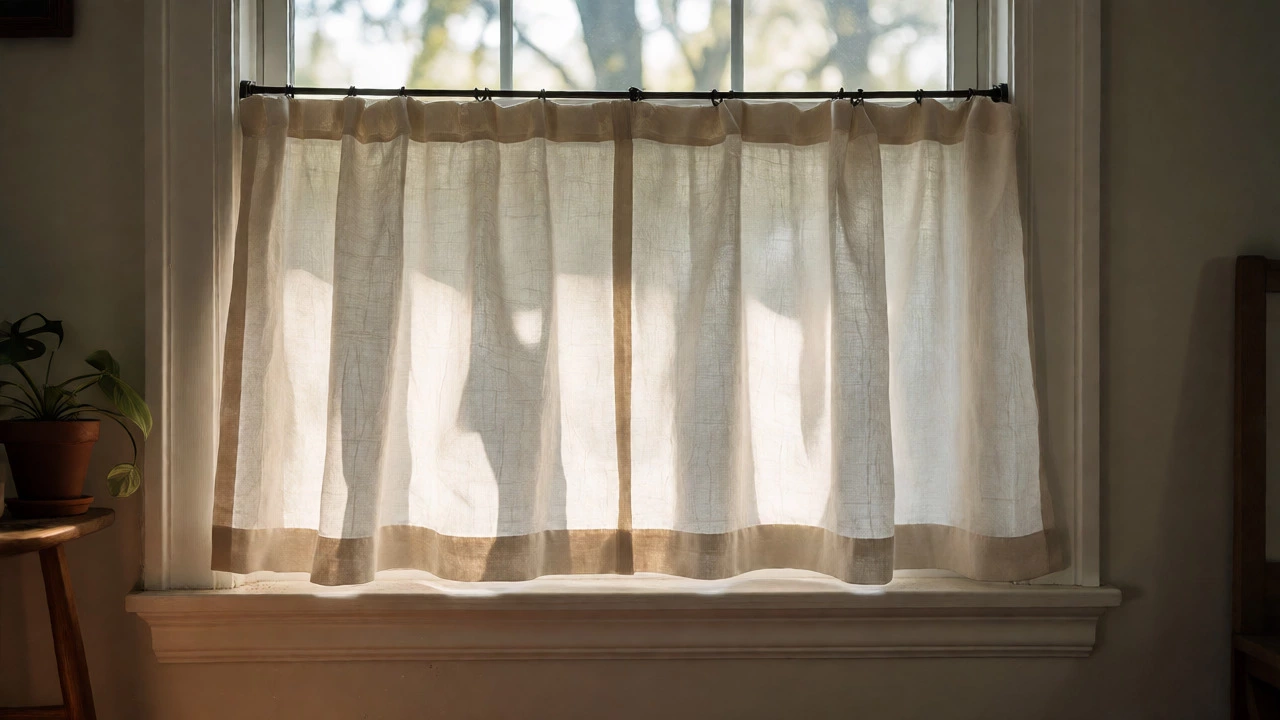
Living in Auckland, I notice a lot of bungalows and villas with original timber joinery. These windows often sit close to the skirting board. In these cases, full-length curtains are tricky because they interfere with opening the sash windows. Many homeowners opt for sill-length curtains instead.
Sill-length curtains are perfectly acceptable if done correctly. They should end exactly at the sill or half an inch below. Anything shorter looks like a mistake. This style suits smaller rooms, studies, or nurseries where safety and function trump drama.
However, if you have sliding doors leading to a deck-a common feature here-full-length curtains are essential. They block wind, insects, and streetlights. In these cases, choose a durable, washable fabric that can withstand being brushed against every day.
Final Verdict: Trust Your Instincts, Not Just Rules
Interior design isn’t math. There’s no universal formula that works for every home. If you hate the idea of fabric collecting dust on the floor, don’t do it. A clean, floating hem looks intentional and fresh. If you love the luxury of a soft puddle, embrace it-but commit to regular vacuuming.
The only true failure is inconsistency. Mixing lengths in one room creates chaos. Pick a style, apply it uniformly, and maintain it. Whether your curtains kiss the floor or hover an inch above, confidence sells the look. If you feel good walking past them, you’ve got it right.
Should curtains touch the floor or the skirting board?
Ideally, curtains should either float just above the skirting board (by about 0.5 to 1 inch) or rest lightly on the floor. Resting directly on the skirting board can cause friction wear and look cluttered. Floating prevents damage to both the fabric and the paintwork on the skirting.
How many inches should curtains be off the floor?
For a modern, clean look, aim for a 0.5 to 1-inch gap. This is known as "floating." For a formal look, they should touch the floor (0-inch gap). For a luxurious, dramatic effect, allow 2 to 6 inches of "puddling" on the floor.
Do curtains need to be wider than the window?
Yes, for proper gathering and privacy, the total width of your curtain panels should be 2 to 2.5 times the width of the window. This ensures they cover the glass completely when closed and stack neatly to the sides when open.
What if my curtains are too short?
If your curtains are too short, try raising the curtain rod higher toward the ceiling. This increases the drop length without altering the fabric. Alternatively, you can add a decorative border or hem extension to the bottom, or use tiebacks to alter the visual focus.
Are sill-length curtains outdated?
No, sill-length curtains are not outdated. They remain popular for kitchens, bathrooms, and small rooms where full-length drapes would be impractical or overwhelming. Ensure they end precisely at the sill or slightly below for a polished look.