Is Paying for Storage Worth It? A Practical Guide
 Aug, 30 2026
Storage Cost-Benefit Calculator
Use this tool to determine if paying for storage makes financial sense for your specific situation. Enter your estimated costs and item values below.
Enter details and click Analyze to see if storage is worth it.
The "Should You Rent?" Checklist
Check the boxes that apply to you. If fewer than 2 are checked, reconsider storing these items.
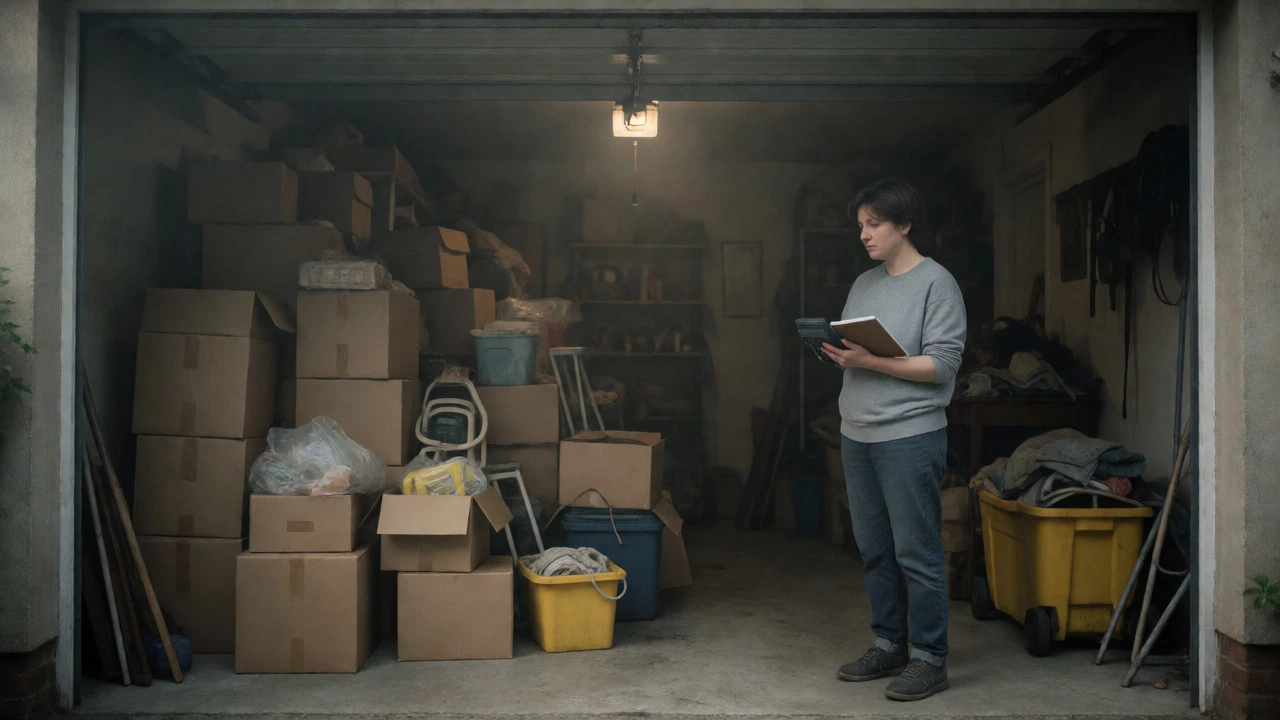
You stare at the pile of boxes in your garage. They’ve been there since you moved in three years ago. You know what’s inside-mostly things you haven’t touched, plus a few items you’re terrified to throw away because they might break or get ruined. So, you look up local storage units. The price tag makes you hesitate. Is it really worth handing over cash every month just to keep stuff you barely use?
The answer isn't a simple yes or no. It depends entirely on what you're storing, how often you need access, and whether that space is actually solving a problem or just creating a new expense. Let's break down when paying for storage makes financial sense and when it’s just burning money.
The Real Cost of Self-Storage
Most people focus on the monthly rent, but that’s only half the story. When you sign a lease for a self-storage unit, you’re committing to more than just square footage. You’re buying climate control, security, and convenience. But you’re also taking on hidden costs like insurance, packing materials, and the time spent hauling items back and forth.
In Auckland, for example, a standard 5x10 foot unit can range from $150 to $300 NZD per month depending on location and amenities. Over a year, that’s between $1,800 and $3,600. Now, ask yourself: could you buy those items again for less than that annual fee? If you’re storing old clothes or broken appliances, probably not. If you’re storing high-value furniture or sensitive electronics, maybe.
| Scenario | Monthly Cost (Est.) | Annual Cost | Best For |
|---|---|---|---|
| Small Unit (5x5) | $100 - $150 | $1,200 - $1,800 | Seasonal gear, documents |
| Medium Unit (5x10) | $150 - $250 | $1,800 - $3,000 | Furniture, moving transitions |
| Large Unit (10x10) | $250 - $400 | $3,000 - $4,800 | Whole household contents |
When Storage Actually Saves Money
There are specific situations where renting space pays for itself quickly. The most obvious is during a move. If your new place isn’t ready, or if you’re downsizing, holding onto everything in a temporary unit prevents you from making panic-buy decisions. You don’t end up purchasing cheap replacements for items you already own but couldn’t fit into your current home.
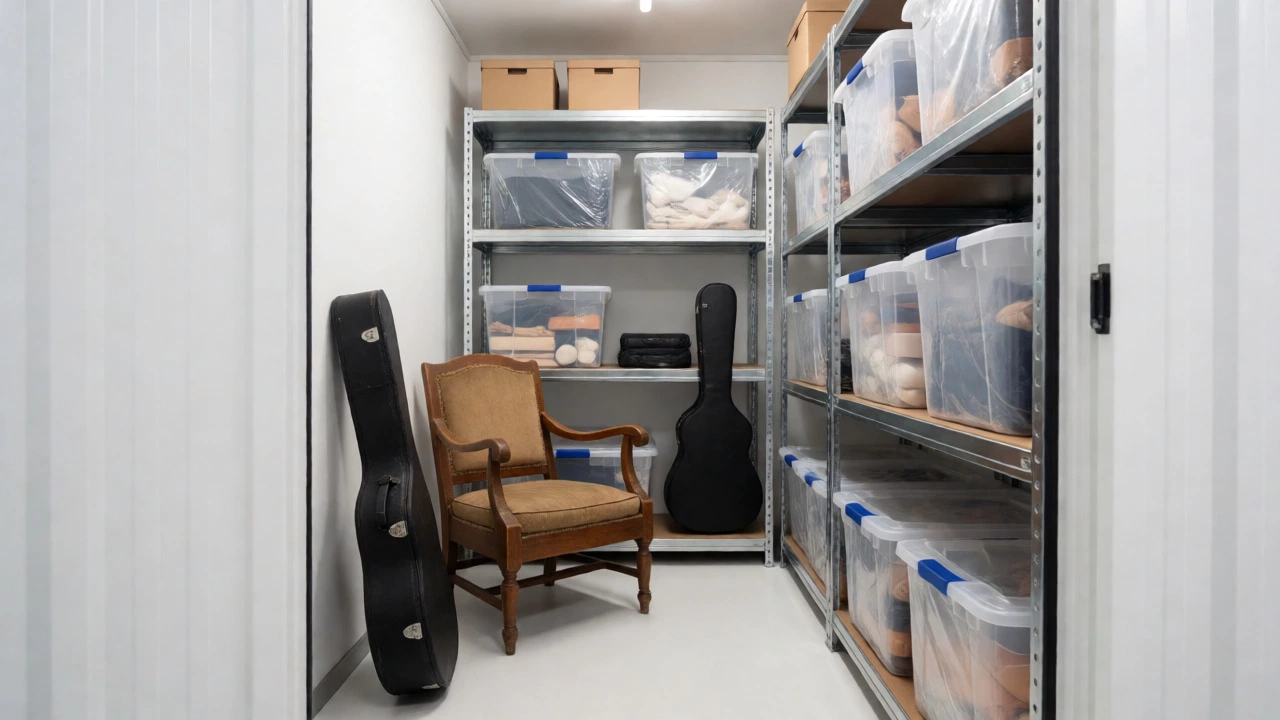
Another strong case is for hobbyists or professionals. Photographers storing expensive lenses, musicians keeping instruments safe from humidity, or collectors protecting art from dust benefit significantly from climate-controlled environments. In these cases, the storage fee acts as an insurance policy. If a damp garage ruins a $2,000 guitar, that single loss outweighs five years of rent.
Consider this scenario: You live in a small apartment with no closet space. Your winter coats take up half your living room. Renting a small off-site unit frees up valuable real estate in your home. While you’re still paying rent, you’re effectively lowering your "cost per usable square meter" by reclaiming space where you actually live and sleep.
The Trap of "Just in Case" Items
Here’s where most people lose money. We tend to store items out of fear rather than utility. That box labeled "Miscellaneous Kitchen Gadgets" from 2018? You likely haven’t opened it in years. Yet, you pay to keep it warm and dry.
A good rule of thumb is the One-Year Test. If you haven’t used, looked at, or thought about an item in twelve months, it doesn’t need premium storage. It needs either donation, sale, or disposal. Keeping it in a paid unit adds a recurring cost to an asset that generates zero return. You’re essentially paying a subscription fee for clutter.
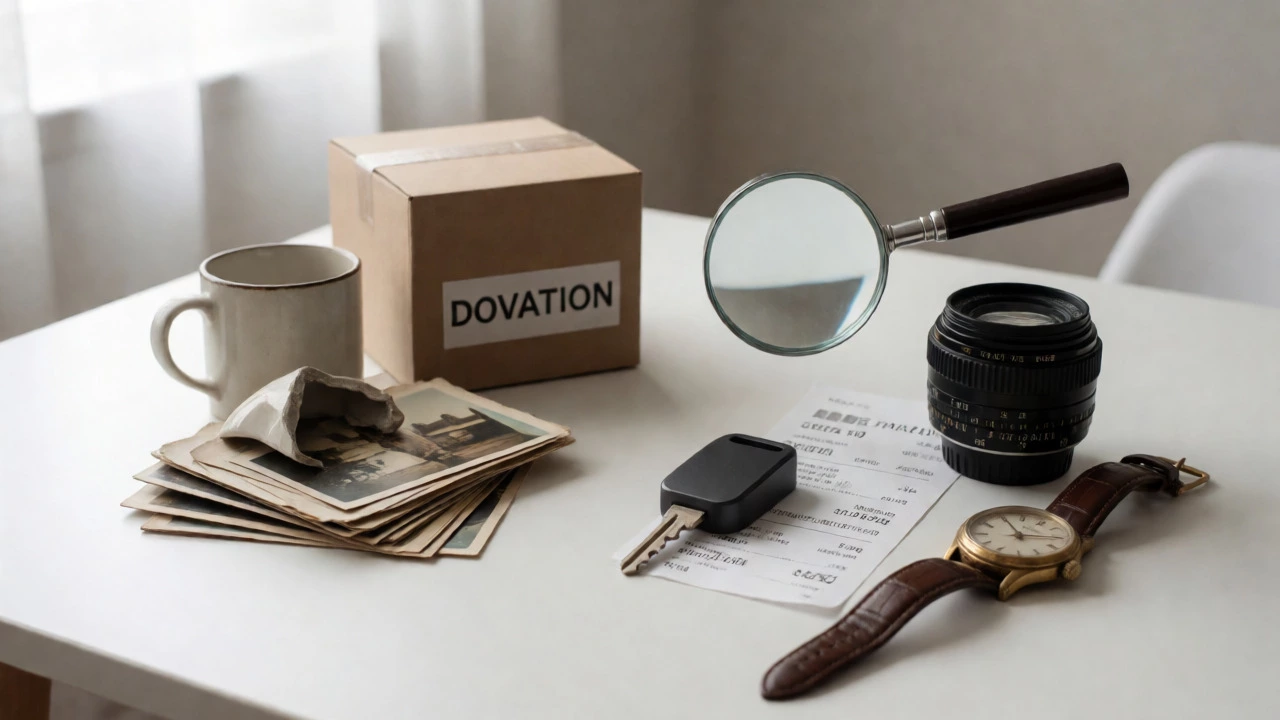
Be honest with yourself about sentimental items too. Photos and letters are cheap to store digitally or in small, secure containers. You don’t need a full-sized unit for a shoebox of memories. Reserve paid space for bulky, functional, or high-value physical goods.
Alternatives Before You Sign the Lease
Before you hand over your credit card details, try exhausting free or low-cost options first. Often, we underestimate the capacity of our existing homes because we organize poorly.
- Vertical Space: Install wall-mounted shelves or hooks. This is especially effective in garages and entryways where floor space is limited.
- Under-Bed Containers: These are perfect for seasonal clothing or bedding. They utilize dead space that usually goes unused.
- Multi-Functional Furniture: Ottomans with storage compartments or beds with built-in drawers can hide clutter without requiring extra rooms.
- Selling Unused Goods: Platforms like Trade Me or Facebook Marketplace can turn dusty items into cash. Use that money to offset future storage costs or simply put it in savings.
If you still have overflow after maximizing your home’s potential, consider peer-to-peer storage apps. Some neighbors rent out their spare garages or basements. These arrangements are often cheaper than commercial facilities because they lack overhead costs like marketing and automated billing systems. Just ensure you have a written agreement regarding access hours and liability.
How to Calculate Your Break-Even Point
To decide if storage is worth it, do the math. Write down the total value of the items you plan to store. Then, estimate how long you’ll need them stored. Multiply the monthly rent by the number of months.
For example, if you store $1,000 worth of camping gear for six months at $150/month, you’re paying $900 for storage. That’s nearly the replacement cost of the gear itself. Unless that gear is critical for upcoming trips, you might be better off selling it now and rebuying later when needed.
Conversely, if you store $5,000 worth of antiques for six months, the $900 fee is only 18% of their value. Given the risk of damage or theft at home, this is a reasonable investment in preservation.
Checklist: Should You Rent a Unit?
Use this quick checklist before visiting a storage facility. If you check fewer than two boxes, think twice.
- Do I have items that are too large to fit in my current home but will be needed within 6-12 months?
- Are the items sensitive to temperature or humidity (e.g., wood furniture, electronics, artwork)?
- Have I sold or donated all items I haven’t used in the past year?
- Can I afford the monthly fee indefinitely without straining my budget?
- Is the distance to the storage facility short enough that I’ll actually visit it?
If you checked all five, go ahead. If you only checked one or two, you’re likely paying for convenience you won’t use. Try reorganizing your home first. You might find you don’t need the extra space after all.
What is the average size of a storage unit needed for a one-bedroom apartment?
A 5x10 foot unit is typically sufficient for the contents of a one-bedroom apartment. This size accommodates large appliances, several pieces of furniture, and numerous boxes. However, if you are storing only non-furniture items, a smaller 5x5 unit may suffice.
Does self-storage insurance cover all types of items?
No, standard policies usually exclude certain high-value or perishable items. Valuables like jewelry, cash, and important documents often require separate coverage. Additionally, items prone to pest infestation or mold may not be covered unless the unit is specifically certified as climate-controlled and sealed.
Can I cancel a storage contract anytime?
Most modern facilities offer month-to-month leases, allowing you to cancel with 30 days' notice. However, some promotional rates require a minimum commitment period, such as three or six months. Always read the fine print regarding early termination fees before signing.
Is it cheaper to rent a storage unit or buy a larger house?
Renting a storage unit is significantly cheaper in the short term. Buying a larger house involves mortgage payments, property taxes, maintenance, and higher utility bills. Storage allows you to keep belongings without increasing your primary housing costs, making it a flexible solution for transitional periods.
How does climate control affect storage costs?
Climate-controlled units typically cost 20-50% more than standard outdoor units. This premium protects items from extreme temperatures and humidity fluctuations, which is crucial for wooden furniture, leather goods, musical instruments, and electronic devices to prevent warping, cracking, or corrosion.