Is Paying for Storage Worth It? A Practical Guide
 Aug, 30 2026
Self-Storage Worth Calculator
Is your storage unit eating into your savings? Enter your details below to see if you're paying more to store your items than they are worth.
The Numbers
- Annual Storage Cost:
- Time to Pay Off Item Value:
- Opportunity Cost (Real Estate):
- Total Annual "True" Cost:
Recommendation
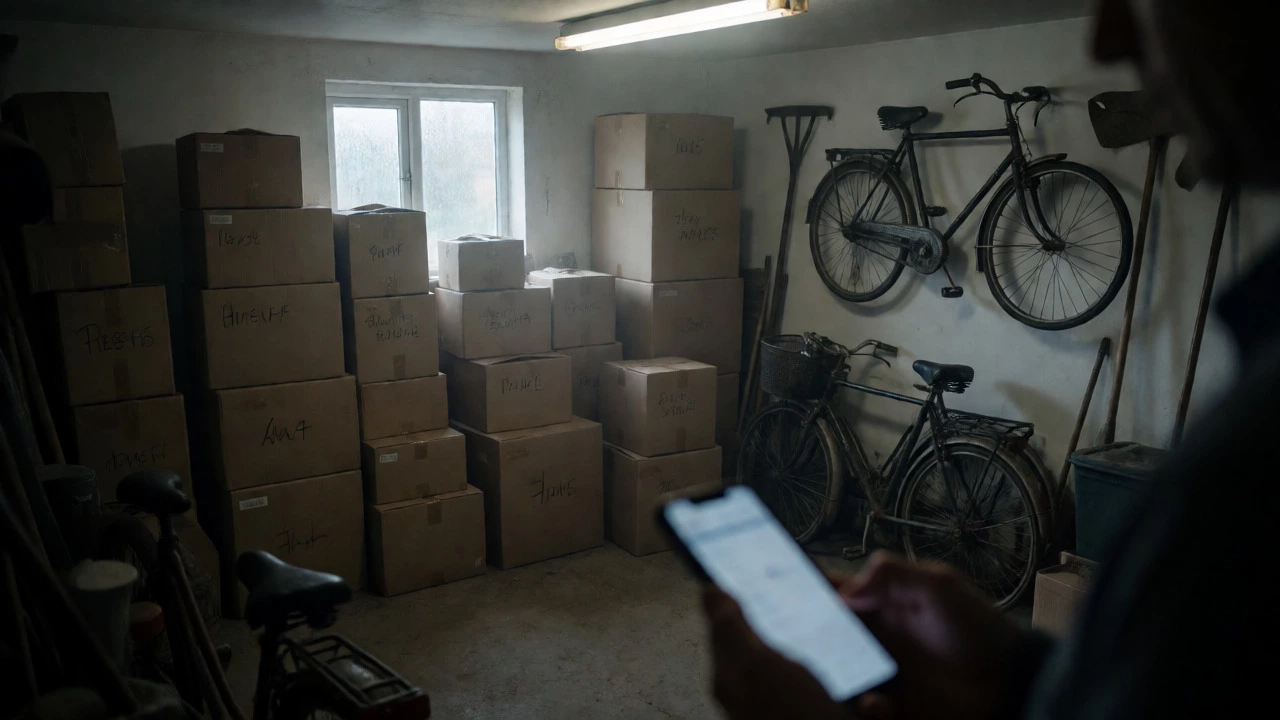
You stare at the pile of boxes in your garage. The ones labeled "Winter Clothes," "Old Books," and "Things We Haven't Touched Since 2019." You know you need to do something about them. Throwing them out feels wasteful. Keeping them feels suffocating. So, you look up the price of a nearby self-storage unit and see it costs $250 a month. That’s $3,000 a year. For what? For cardboard boxes sitting in a dark room?
This is the question that keeps popping up: Is paying for storage actually worth it? Or are we just throwing money away because we’re too sentimental or too lazy to sort through our stuff? The answer isn’t a simple yes or no. It depends on what you’re storing, how long you’ll keep it there, and whether that space is costing you more than the value of the items themselves.
The Hidden Cost of Your Stuff
Most people calculate storage costs by looking only at the monthly rent. But that’s like buying a car and only counting the sticker price, ignoring insurance, fuel, and maintenance. When you rent a unit, you’re paying for several things bundled together.
First, there’s the physical space. In Auckland, for example, a standard 10x10 foot unit (about 9 square meters) might cost between $200 and $350 NZD per month depending on location and climate control. But then there are hidden fees. Access fees if you want to get in after hours. Insurance premiums-yes, you usually have to insure your own goods inside the unit. And let’s not forget the travel time. If your unit is 20 minutes away, every trip to drop off or pick up an item costs you gas and half an hour of your life.
Think about the break-even point. If you’re storing a set of old golf clubs worth $400 total, and you pay $250 a month to store them, you’ve paid for their entire value in under two months. After that, you’re paying a premium just to keep them from gathering dust in your hallway. Is that worth it? Probably not.
| Factor | Self-Storage Unit | Home Clutter |
|---|---|---|
| Monthly Cash Outflow | $200 - $400+ | $0 (but reduced home value) |
| Accessibility | Limited by hours/location | Instant access |
| Space Impact | Frees up home square footage | Eats into living areas |
| Maintenance | Pest control, humidity checks | Dust, potential damage |
| Psychological Load | Low (out of sight) | High (visual noise) |
When Storage Makes Financial Sense
There are times when renting a unit is genuinely smart. The biggest factor here is real estate prices. If you live in a city where housing is expensive, every square meter of your home has a high monetary value. Let’s say your apartment costs $800,000 and is 80 square meters. That’s $10,000 per square meter. If your clutter takes up 2 square meters of your bedroom floor, that’s effectively $20,000 of equity tied up in junk.
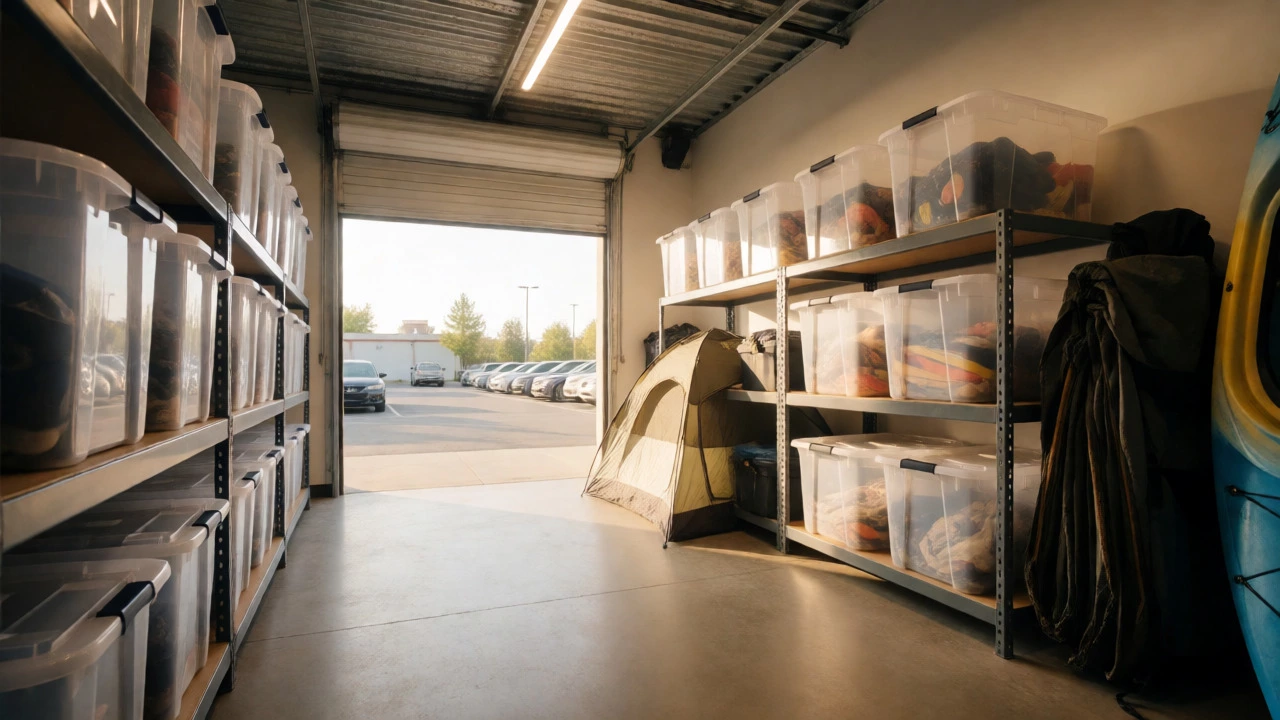
In this scenario, moving those items to a cheap warehouse-style unit makes sense. You’re trading expensive residential space for cheaper commercial space. This is especially true for bulky, low-frequency items like seasonal decorations, camping gear, or spare furniture. You don’t need your Christmas tree in your living room in July. You don’t need the kayak taking up your patio all winter.
Another case for storage is transition periods. Moving houses often leaves you with a gap between selling one place and buying another. During these 1-3 months, storage is essential. You can’t leave your sofa on the street, and your new place might not be ready. Here, the cost is temporary and justified by necessity.
When You’re Just Renting a Graveyard for Junk
Now, let’s talk about the trap. Many people use storage units as a procrastination tool. They pack up messy rooms, shove the boxes into a unit, and feel relieved. But they haven’t actually dealt with the problem; they’ve just relocated it.
If you’re storing clothes you haven’t worn in five years, books you’ll never re-read, or kitchen gadgets you bought once and forgot about, you’re likely wasting money. These items rarely appreciate in value. In fact, most depreciate rapidly due to wear, tear, or changing trends. A $500 designer handbag might lose 50% of its resale value in three years. Meanwhile, your storage bill stays flat or goes up.
Ask yourself: Would I buy this item again today at full price? If the answer is no, why are you paying rent to keep it? Often, the emotional attachment is stronger than the financial logic. We hold onto things because of memories, not utility. But memories don’t need shelf space; photos do.
The Value of Digital and Minimal Alternatives
Before you sign a lease, consider if the item needs physical space at all. Documents, photos, and media are prime candidates for digitization. Scanning a box of tax returns costs pennies compared to storing them for a decade. Once scanned, you can shred the paper. You’ve freed up space without losing information.
For larger items, consider selling. Online marketplaces make it easier than ever to turn clutter into cash. If you sell your old bike for $200, you’ve covered almost a year of storage fees for a small unit. Plus, you’ve helped someone else who actually wants the bike. There’s a psychological boost to letting go, too. It’s lighter. Less visual noise means less mental fatigue.
If you must keep items but don’t want to pay rent, look into peer-to-peer storage options. Platforms like Neighbor allow homeowners to rent out unused attic or basement space to neighbors. This is often 30-50% cheaper than commercial facilities because you’re cutting out the overheads of large warehouses. It also keeps your belongings closer to home, reducing travel time.
A Simple Decision Framework
Still stuck? Use this quick checklist to decide whether to store, sell, or toss.
- Frequency of Use: Have you used it in the last 12 months? If no, consider selling or donating.
- Replacement Cost: Is it cheap to replace? If you can buy a new one for under $50, don’t store it.
- Sentimental Value: Does it have irreplaceable emotional weight? If yes, keep it, but limit the volume. Pick the top 5 items, not 50.
- Bulkiness: Is it huge and hard to store at home? Large, infrequently used items are good storage candidates.
- Condition: Is it damaged or dirty? Cleaning it before storage adds labor cost. If it’s broken, fix it or bin it.
Let’s apply this to a common scenario: Holiday decorations. They’re bulky, used once a year, and relatively inexpensive to replace. Storing them makes sense because they take up valuable shelf space in your home. Now apply it to old magazines. They’re light, easy to stack, and hold little resale value. Storing them in a paid unit is almost always a bad idea. Recycle them.

Pro Tips for Smart Storing
If you decide storage is right for you, optimize it. Don’t just throw boxes in. Use clear plastic bins so you can see contents without opening them. Label everything clearly with dates and categories. Take inventory photos and save them to the cloud. This saves you from digging through ten boxes to find one pair of skis.
Also, negotiate. Many facilities offer discounts for prepaying six months or a year upfront. If you know you’ll need the space long-term, locking in a rate protects you from annual price hikes. Check for climate control if you’re storing wood furniture, electronics, or artwork. Humidity fluctuations can cause mold and warping, which costs more to repair than the storage fee itself.
Finally, set a review date. Every six months, visit your unit. Pull out one box. Sort it. If you haven’t touched the rest, maybe it’s time to donate it all. Storage should be a bridge, not a permanent residence for your possessions.
Frequently Asked Questions
How much does self-storage typically cost?
Costs vary widely based on location, size, and amenities. In major cities, a small locker might cost $50-$100 per month, while a medium-sized unit (like a walk-in closet) could range from $150 to $300+. Climate-controlled units and those with 24/7 access command higher prices. Always ask about setup fees and insurance requirements, as these add to the monthly total.
Is it cheaper to store items at home or in a unit?
Financially, storing at home is free in terms of direct cash flow. However, if your home space is expensive (high rent or mortgage), using square footage for clutter has an opportunity cost. If your clutter prevents you from renting out a room or reduces your property's appeal, a storage unit might be the better economic choice. For low-value items, however, home storage is almost always cheaper.
What items are not worth storing?
Avoid storing perishables, cheap disposable goods, outdated electronics, and anything you haven't used in over a year. Items like old newspapers, fast-fashion clothing, and broken appliances usually cost more to store than their replacement value. Also, avoid storing hazardous materials like gasoline or paint unless the facility specifically allows it, as safety regulations may prohibit them.
Can I cancel my storage contract anytime?
Most modern storage facilities offer month-to-month contracts, allowing you to cancel with 30 days' notice. However, some offer discounted rates for longer commitments (6 or 12 months). Read the fine print regarding early termination fees. Peer-to-peer platforms may have different cancellation policies, so check the specific agreement with your host.
Does storage insurance cover everything?
No. Standard storage insurance often excludes certain high-value items like jewelry, cash, or collectibles unless declared separately. It also typically doesn't cover damage caused by pests or mold if the items weren't properly prepared. Always read the policy details and consider adding extra coverage for valuable possessions.