Longest Lasting Sofa Cushions: Types, Durability & Care Guide
 Aug, 24 2026
Sofa Cushion Longevity Estimator
Pick your setup and daily habits to see a realistic lifespan estimate for your cushions.
You just bought a beautiful sofa, but six months later, the seat cushions look like deflated pillows. It’s frustrating, right? Most people assume that if they buy an expensive frame, the whole piece will last decades. But the truth is, the sofa cushions are usually the first component to fail. They take the brunt of your daily sitting, sleeping, and lounging. If you want a sofa that stays plump and supportive for years, you need to understand what actually makes a cushion last.
Durability isn't just about how thick the padding is. It’s about the specific materials used inside the envelope and how well the cover protects them. Let’s break down exactly which fills hold their shape the longest and how to keep them from sagging prematurely.
The Core Materials That Determine Lifespan
Not all stuffing is created equal. The internal composition dictates how quickly a cushion loses its structural integrity. Here are the main players in the game of longevity:
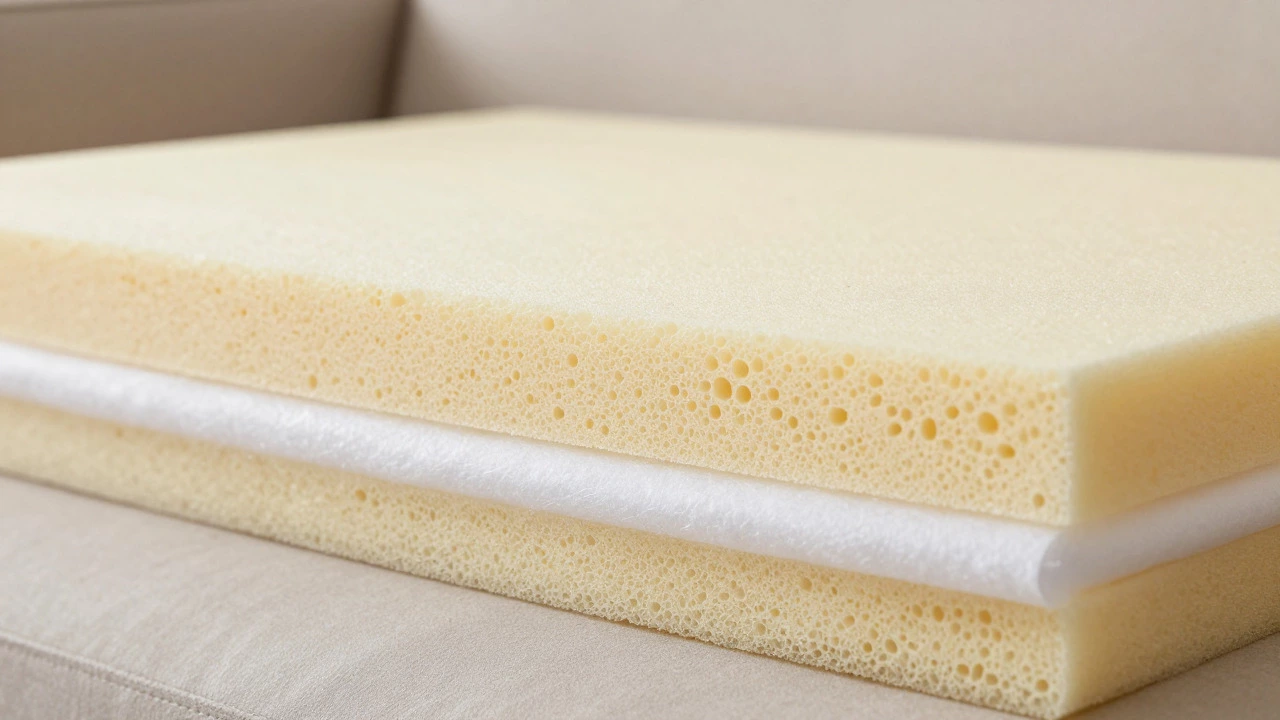
- High-Density Polyurethane Foam is a synthetic material known for its firmness and ability to resist compression over time. This is the workhorse of modern upholstery. Look for densities of 1.8 lbs per cubic foot or higher. Lower density foams (around 1.2 lbs) feel soft initially but flatten out within 1-2 years.
- Down and Feather Fill is a natural material derived from waterfowl, prized for its plush, cloud-like comfort. While incredibly comfortable, it requires frequent fluffing. Without maintenance, it clumps and settles unevenly. However, with proper care, a good down cushion can last 5-7 years before needing replacement.
- Memory Foam is a viscoelastic polyurethane foam that conforms to body heat and pressure. It offers excellent support but has a shorter lifespan than standard high-density foam because it breaks down faster under constant weight. Expect 3-4 years of optimal performance.
- Fiberfill (Polyester) is a lightweight synthetic fiber often used as a top layer for softness. On its own, it lacks structure. It works best when layered on top of a foam core. Pure fiberfill cushions tend to lose volume quickly unless they have a tight inner baffle box construction.
The winner for pure longevity without heavy maintenance is high-density foam wrapped in a thin layer of fiberfill for comfort. This hybrid approach gives you the resilience of foam with the soft touch of polyester.
Construction Styles: Why Shape Matters
Even the best material fails if it’s stuffed into the wrong type of bag. The way the fabric is sewn affects how the filling distributes itself.
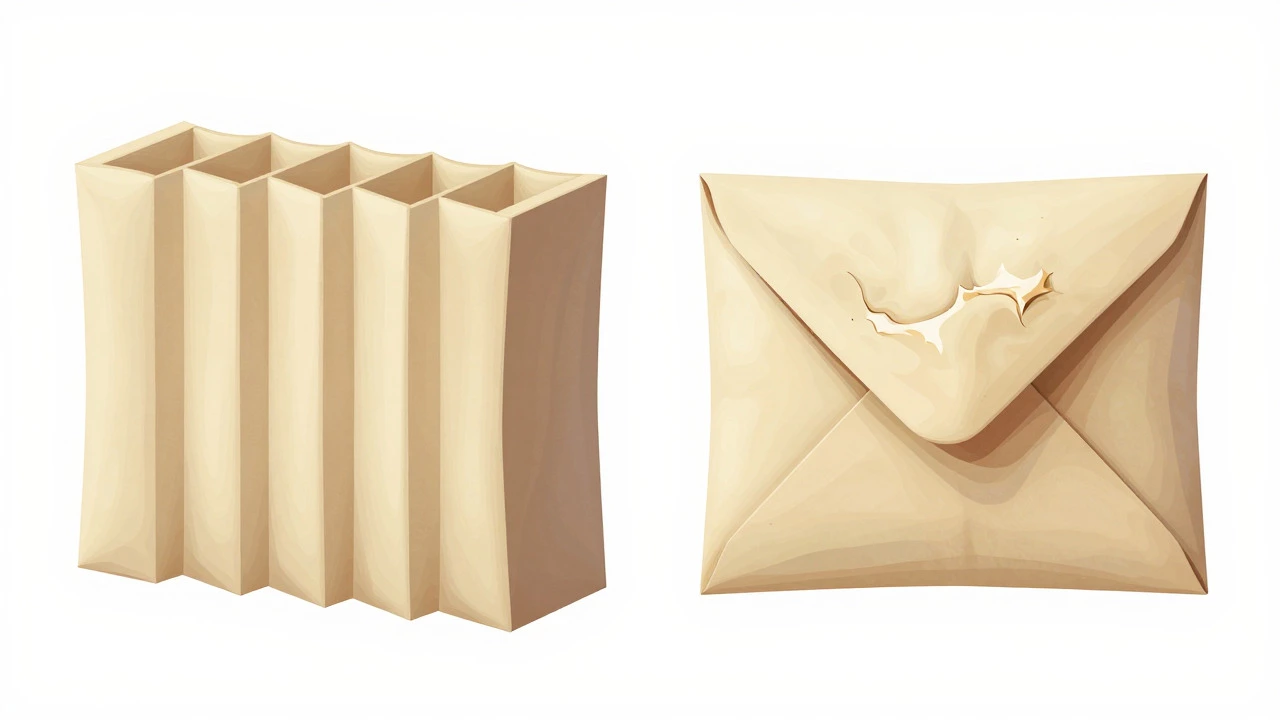
Baffle Box Construction is a sewing technique where vertical panels create separate chambers inside the cushion. This prevents the filling from shifting to one side. When you sit on a baffle box cushion, the air and fibers stay evenly distributed. This style significantly extends the life of down and feather cushions because it stops clumping.
In contrast, traditional envelope-style cushions allow the filling to migrate. Over time, the center gets compressed while the edges puff up. This leads to an uneven seating surface and faster wear. If you prefer a structured look that holds its shape, baffle box is the superior choice for long-term durability.
Cover Fabrics and Their Impact on Wear
The outer shell protects the inner fill from dust, spills, and friction. A cheap fabric tears easily, exposing the foam to air and dirt, which accelerates degradation. High-quality fabrics add years to the cushion's life.
| Material | Durability Rating | Maintenance Level | Best For |
|---|---|---|---|
| Linen | Medium | Low (wrinkles naturally) | Relaxed aesthetics, breathable homes |
| Leather | High | Medium (requires conditioning) | Pet-friendly households, easy cleaning |
| Microfiber | Very High | Low | Families with kids, stain resistance |
| Cotton Twill | Medium-High | Medium | Traditional styles, moderate use |
Microfiber and leather are tough contenders here. Leather ages well and wipes clean instantly. Microfiber resists stains and abrasion better than most natural fibers. If you have pets or young children, these two options will protect your investment far better than delicate silks or velvets.
How to Extend the Life of Your Cushions
Even the highest quality cushions degrade if neglected. You don’t need expensive treatments, just consistent habits. These simple steps can double the usable life of your seating.
- Rotate Weekly: Turn your cushions around every week. This ensures even wear across all four corners. Front-facing sides take more impact, so rotating balances the compression.
- Fluff Daily: For down or fiber-filled cushions, give them a quick shake and punch-in at the seams each morning. This redistributes the fill and restores loft.
- Use Protective Covers: Invest in removable, washable covers. Dirt and oils from skin break down foam over time. Keeping the inner core clean slows this chemical degradation.
- Avoid Direct Sunlight: UV rays weaken synthetic fibers and fade colors. Use curtains or reposition your sofa away from harsh afternoon sun.
- Check Zippers Regularly: Broken zippers make it hard to remove covers for washing. Replace them early before they snag and tear the fabric.
Consistency is key here. It takes less than five minutes a day, but the cumulative effect over three years is dramatic. You’ll notice the difference in how the sofa feels compared to a neighbor’s identical model that hasn’t been rotated.
When to Replace vs. Reupholster
Sometimes, no amount of care can save a cushion. How do you know when it’s time to let go? There are clear signs that the internal structure has failed.
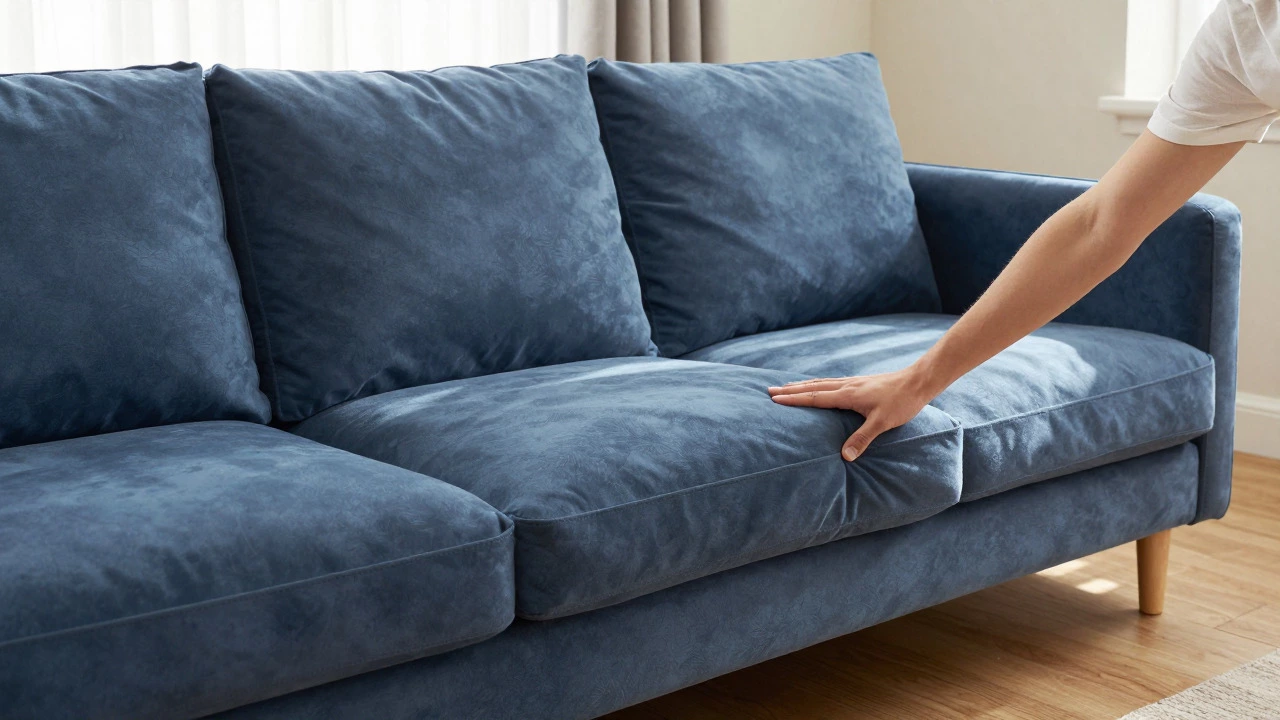
If you press down on the foam and it doesn’t bounce back within 10 seconds, the cell structure is collapsed. This is permanent damage. At this point, reupholstering the cover won’t help; you need new inserts. Replacing just the cushions is often cheaper than buying a new sofa. Many furniture stores sell replacement cushions specifically for popular models. Check if your brand offers this service before assuming you need a whole new piece.
For custom-made sofas, you can hire a local upholsterer to rebuild the cores using high-density foam. This is a cost-effective way to refresh an otherwise sturdy frame. Just ensure they use foam with a density of at least 1.8 lbs to avoid repeating the same mistake.
Common Myths About Cushion Durability
There are plenty of misconceptions floating around online. Let’s clear up a few that might be costing you money.
Myth: Thicker means longer-lasting. Not necessarily. A 6-inch cushion made of low-density foam will sag faster than a 4-inch cushion made of high-density foam. Density matters more than thickness for structural integrity.
Myth: Down cushions always last longer than foam. Only if you maintain them. Neglected down cushions clump and become lumpy within a year. Well-maintained high-density foam can outlast neglected down by several years.
Myth: You should never wash cushion covers. Actually, regular washing removes body oils and sweat that eat away at fabric fibers. Follow the care label, but don’t fear the wash cycle. Cleanliness contributes to longevity.
Choosing the Right Cushion for Your Lifestyle
Your daily routine dictates which type of cushion will serve you best. There is no single "best" option for everyone, only the best fit for your specific situation.
If you have active kids or pets, go for high-density foam with microfiber covers. It withstands rough handling and cleans easily. If you prefer a luxurious, sink-in feel and don’t mind daily fluffing, choose baffle-box down cushions with cotton twill covers. For office spaces or reading nooks where support is priority number one, memory foam hybrids offer the best balance of comfort and recovery.
Consider who uses the sofa most. A guest room sofa sees light use, so lower-density foams are acceptable. A family living room sofa sees heavy, daily use, demanding premium materials. Match the material grade to the usage intensity to get the most value for your money.
Frequently Asked Questions
What is the densest foam available for sofa cushions?
Most residential sofas use foam ranging from 1.2 to 2.5 lbs per cubic foot. Densities above 2.5 lbs are rare in consumer furniture and are typically found in commercial settings. For home use, 1.8 to 2.0 lbs is considered high-end and offers excellent longevity without being excessively hard.
Do down cushions need special pillows to rest on?
No, but they benefit from having a solid base underneath. Placing a thin sheet of high-density foam under a down cushion can prevent the feathers from sinking too deeply into the sofa frame, maintaining a better seating height and extending the life of both components.
How often should I replace my sofa cushions?
With proper care, high-quality foam cushions last 5-7 years. Down cushions can last longer but may need refilling after 3-4 years. If you notice significant sagging or loss of support, it’s time to consider replacement regardless of the calendar date.
Is memory foam a good choice for sofa cushions?
It depends on your preference. Memory foam offers excellent contouring but retains heat and has a slower recovery time than standard foam. It’s great for those who want a hugging sensation, but it may not be ideal for hot climates or people who prefer a bouncier, more responsive seat.
Can I put cushion covers in the dryer?
Always check the care label first. Some fabrics shrink or pill in high heat. Low-heat drying is generally safe for cotton and microfiber, but air-drying is the safest method to preserve the fabric’s integrity and color vibrancy over many wash cycles.