Medicare Coverage for Adjustable Beds: What Seniors Need to Know
 Aug, 20 2026
Medicare Adjustable Bed Cost Estimator
Step 1: Medical Necessity Check
Medicare only covers adjustable beds if they are prescribed as Durable Medical Equipment (DME) for a specific condition.
Step 2: Financial Inputs
Estimated Cost Breakdown
Walking into a medical supply store and seeing a sleek, motorized adjustable bed often feels like looking at luxury furniture. But for many seniors dealing with chronic pain, acid reflux, or sleep apnea, this piece of equipment is less about comfort and more about survival. The question on everyone's mind is simple but complex: does Medicare actually pay for these beds? The short answer is yes, but only if you meet very specific medical criteria. Without the right documentation, you might end up paying thousands of dollars out of pocket for something that should be covered.
The Distinction Between Medical Necessity and Luxury
To understand why Medicare coverage can be tricky, you have to look at how the program classifies items. An adjustable bed frame is not considered standard bedding or furniture. Instead, it falls under the category of Durable Medical Equipment (DME). This classification means it must serve a medical purpose rather than just a recreational one. If you want an adjustable base simply because you enjoy reading in bed or watching TV while reclining, Medicare will likely deny the claim. However, if a doctor prescribes it to treat a specific condition, the story changes completely.
The key here is the term "medical necessity." Insurance providers and Medicare contractors look for evidence that the equipment is essential for treating a diagnosed illness. This isn't just a bureaucratic hurdle; it protects the integrity of the public insurance system. For example, a person with severe gastroesophageal reflux disease (GERD) who cannot lie flat without experiencing painful spasms has a strong case. Conversely, someone with mild back discomfort that doesn't interfere with daily activities might struggle to get approval unless they can prove other treatments have failed.
Who Qualifies for Coverage?
Not every senior with a bad night's sleep qualifies. You generally need a diagnosis from a licensed physician that links your symptoms directly to the need for an adjustable position. Here are some of the most common conditions that support a claim:
- Sleep Apnea: Specifically, obstructive sleep apnea where elevating the head reduces airway collapse. Continuous Positive Airway Pressure (CPAP) therapy is often required alongside the bed.
- Gastroesophageal Reflux Disease (GERD): Severe cases where gravity helps keep stomach acid down during sleep.
- Chronic Heart Failure: Patients who experience orthopnea, or difficulty breathing when lying flat, may benefit from an elevated upper body position.
- Arthritis or Joint Pain: Conditions that make getting in and out of a standard bed difficult, provided the adjustment aids in mobility or pain management.
It is crucial to note that the prescription must be current. A prescription from five years ago might not hold up if your condition has changed or if you haven't had recent follow-ups. Doctors typically write orders specifying the exact features needed, such as the number of points of adjustment or whether remote controls are necessary for both sides of the bed.

What Does Medicare Actually Cover?
Even when approved, Medicare doesn't always cover the entire cost. The payment structure involves two parts: Part B and potentially supplemental plans. Under Original Medicare Part B, the program covers 80% of the approved amount for durable medical equipment after you have met your annual deductible. The remaining 20% is your responsibility, unless you have Medigap (supplemental insurance) or a Medicare Advantage plan that covers out-of-pocket costs.
There is also a distinction between the base and the mattress. Often, Medicare covers the adjustable base itself but may require you to purchase a compatible mattress separately. Some plans cover a specialized therapeutic mattress, while others consider a standard foam or memory foam mattress to be personal property, not medical equipment. This can add several hundred dollars to your total expense. Always ask your supplier what exactly is included in the "approved amount" before signing any paperwork.
The Role of Suppliers and Prior Authorization
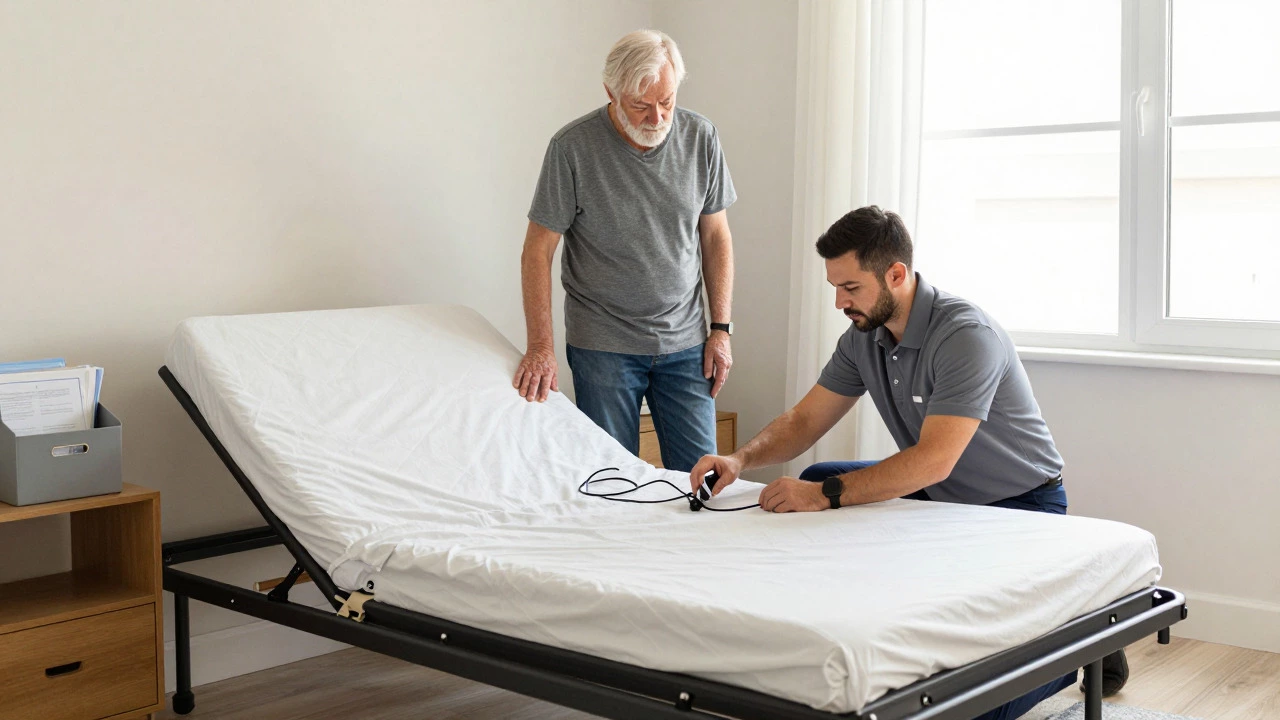
You cannot just buy an adjustable bed from a retail store and submit the receipt to Medicare. To ensure reimbursement, you must purchase the equipment from a Medicare-certified DME supplier. These suppliers handle the billing process directly with Medicare. They verify your eligibility, check your deductible status, and submit the claim on your behalf. Buying from a non-certified retailer means you become responsible for the entire administrative burden, which can lead to denied claims or delays.
Prior authorization is another critical step. Before ordering, your doctor’s office usually needs to send a detailed order to the supplier. The supplier then submits this information to the local Medicare Administrative Contractor (MAC) for review. This process can take anywhere from a few days to several weeks. During this time, it is wise to wait until you receive written confirmation of coverage. If you rush the purchase and the claim is later denied, returning the equipment can be a hassle, and you might lose the deposit or incur restocking fees.
Common Pitfalls to Avoid
Many seniors face unexpected bills because they skip small but vital steps. One common mistake is assuming that any adjustable bed will work. Medicare often specifies certain technical standards, such as weight capacity or the type of motors used. If you buy a model that exceeds the approved specifications, the excess cost is yours to pay. Another pitfall is ignoring the trial period. Most DME suppliers offer a 30-day trial period where you can return the bed if it doesn't help. Use this window. If the bed doesn't alleviate your symptoms, return it before the final bill is processed to avoid complications with your credit score or future claims.
Also, keep all your records. Store your prescription, the prior authorization letter, and any correspondence with the supplier in a dedicated folder. If Medicare issues a request for additional documentation, having these papers ready can speed up the resolution process significantly. Finally, communicate openly with your doctor. If you feel the initial denial was unfair, ask your physician to re-evaluate your condition and provide updated notes emphasizing why the previous treatment plan failed. Sometimes, a second opinion or a stronger clinical justification is all it takes to overturn a denial.
Frequently Asked Questions
Does Medicare cover the mattress as well as the adjustable base?
Often, no. Medicare typically covers the adjustable base as DME. The mattress is frequently considered personal property unless it is a specialized therapeutic mattress prescribed for pressure ulcer prevention or similar conditions. Check with your supplier to see if a specific mattress model is included in the approved bundle.
How long does the prior authorization process take?
It varies by region and complexity, but it typically takes 1 to 4 weeks. Complex cases involving multiple comorbidities may take longer. It is best to start this process immediately after receiving your prescription to avoid delays in delivery.
Can I upgrade my adjustable bed after Medicare approves it?
Yes, but you will likely pay the difference out of pocket. Medicare pays for the basic approved model. Any premium features, such as zero-gravity presets, heating elements, or wireless remotes, are usually considered upgrades that you must finance yourself.
What happens if I move to a different state?
Medicare is federal, so your coverage follows you. However, your local MAC (administrative contractor) changes. You should notify your DME supplier of your new address to ensure future repairs or replacements are billed correctly to the new jurisdiction.
Is a hospital bed the same as an adjustable bed?
No. Hospital beds are typically taller, made of metal, and designed for institutional care. Adjustable beds are lower-profile, residential-grade units designed for home use. Medicare distinguishes between the two based on design and intended environment.