What Color Carpet Is Popular Now in 2026?
 Jan, 15 2026
Carpet Color Match Calculator
Find Your Perfect Carpet Color
Get personalized recommendations based on your room characteristics and current decor. Choose colors that work with your lifestyle and lighting conditions.
Recommended Carpet Colors
Pro Tip from the Article
"Take home 3-5 carpet samples and observe them at different times of day. What looks warm at noon might appear gray at dusk. Test in your actual lighting conditions before purchasing."
When you walk into a home today, the carpet isn’t just underfoot-it’s setting the tone. Gone are the days when carpet meant loud patterns or overly bright hues. In 2026, the most popular carpet colors are quiet, thoughtful, and built to last. They don’t shout. They breathe. And they work with everything from minimalist lofts to cozy, layered living rooms.
Beige Is Back-But Not the Way You Remember
Beige isn’t the same dull, yellowish tone you saw in 1990s homes. Today’s beige is cool, muted, and full of depth. Designers call it "greige"-a blend of gray and beige-but it’s really just a smarter version of the classic. Brands like Mohawk and Shaw are pushing tones like "Sand Dune," "Cloud Gray," and "Warm Stone." These aren’t white, and they’re not brown. They sit right in the middle, absorbing light without washing out the room.
Why does it work? Because it hides dust, pet hair, and footprints better than white. It pairs with wood floors, concrete accents, and even bold furniture without clashing. In Auckland homes, where natural light changes dramatically through the seasons, this color holds up. A client last month told me her greige carpet still looked fresh after two years with two dogs and a toddler. That’s the real test.
Gray Is the New Neutral
If beige is the quiet elder, gray is the confident middle child. Cool grays-especially those with blue or green undertones-are everywhere. Not the ashy, sterile grays of the 2010s, but richer, more complex ones like "Charcoal Mist," "Storm Cloud," and "Iron Ore." These colors feel grounded. They make spaces feel calm, even when the furniture is colorful or the walls are dark.
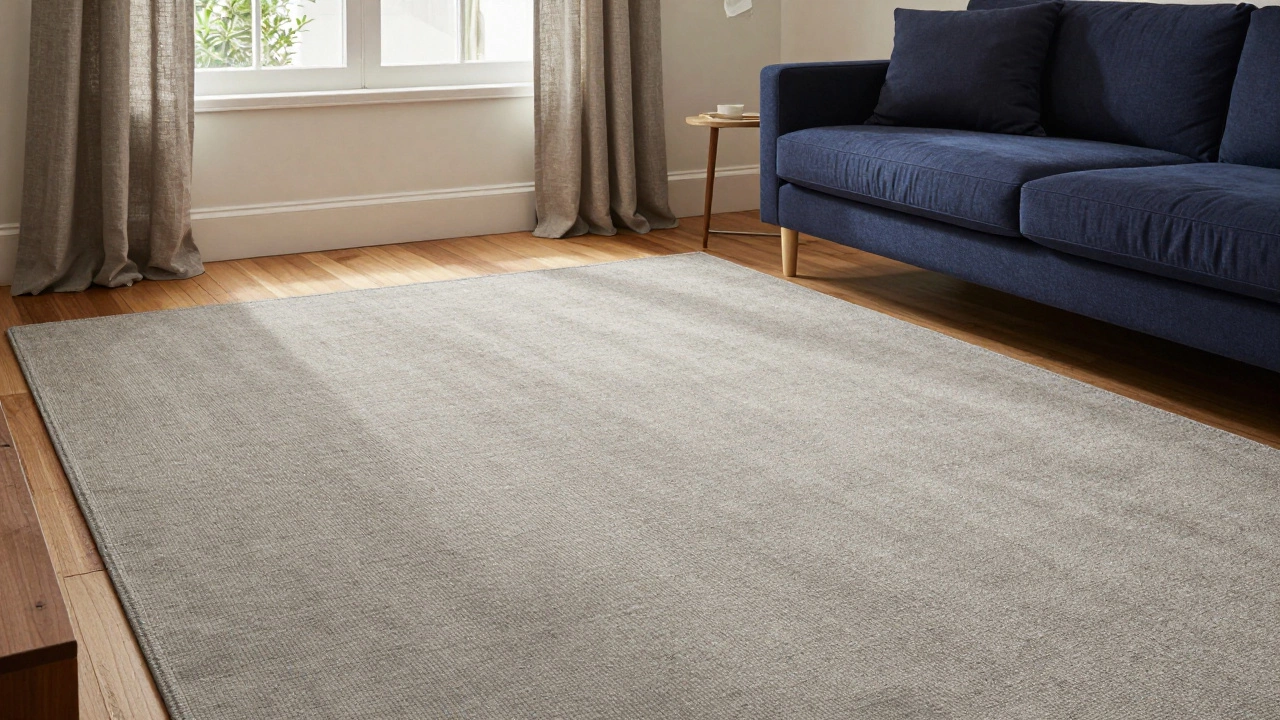
Gray carpets don’t just match modern decor-they enhance it. A navy sofa pops against a medium-gray carpet. A white rug would look too harsh. A dark brown one would feel heavy. Gray finds the balance. It’s the reason why 62% of new builds in Auckland’s North Shore and Remuera neighborhoods are installing gray carpet as standard, according to a 2025 survey by the New Zealand Interior Design Association.
Warm Taupe Is Rising Fast
Taupe is the secret weapon of interior designers who want warmth without going full rustic. It’s like beige’s smarter cousin-deeper, earthier, with just a hint of brown and a touch of gray. In 2026, it’s showing up in high-end rentals, boutique hotels, and family homes alike.
What makes taupe special? It doesn’t feel cold like gray. It doesn’t feel dated like beige. It feels alive. It works with terracotta tiles, linen curtains, and wooden beams. If you live in a home with lots of natural materials, taupe carpet ties them together without competing. One Auckland homeowner replaced her old cream carpet with a taupe wool blend and said it made her entire living room feel "more intentional." That’s the goal.
Black and Dark Navy? Yes, But Only If You Know What You’re Doing
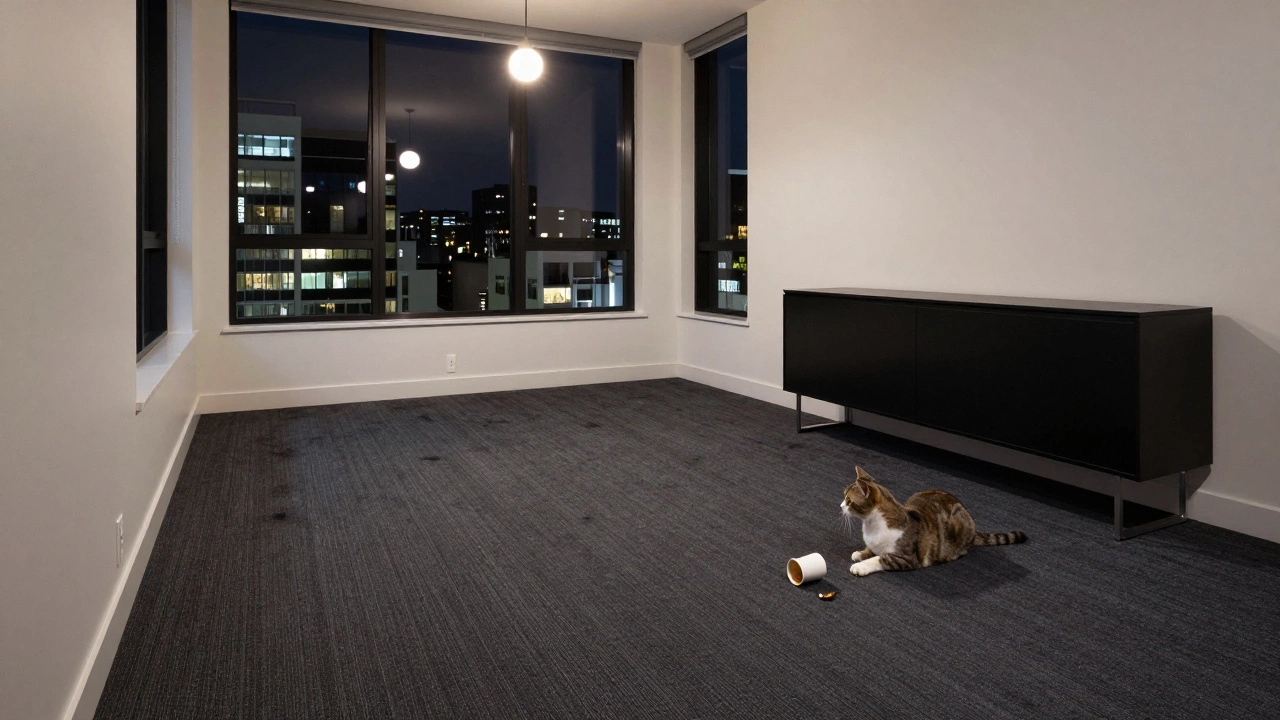
Black carpet used to be a design disaster. Now? It’s a statement. Dark navy and charcoal black carpets are appearing in urban apartments, especially in Auckland’s CBD and Ponsonby. They’re not for every home. But if you have a modern space with clean lines, high ceilings, and plenty of lighting, they create drama without clutter.
Here’s the catch: you need to manage light. A black carpet in a north-facing room with no windows will feel like a cave. But in a sunlit, open-plan living area with white walls and metallic accents? It looks luxurious. It also hides spills and crumbs better than any light color. That’s why it’s popular in homes with pets or frequent entertaining.
Don’t go full black unless you’re ready for the maintenance. Dark navy is a safer entry point. It reads as deep and rich without being intimidating.
What Colors Are Falling Out of Favor?
Let’s be clear: bright colors and busy patterns are on their way out. Think neon green carpets from the 90s, or the overly floral designs of the early 2000s. Even pastels like blush pink and mint green-once trendy in Instagram homes-are fading fast. They don’t age well. They look dated in a year. They clash with evolving decor trends.
And patterned carpets? They’re not dead, but they’re reserved for accent rugs now. Wall-to-wall patterned carpet feels overwhelming in 2026. People want calm. They want simplicity. They want something that doesn’t need to be replaced every few years.
Material Matters More Than You Think
Color isn’t everything. The fiber you choose changes how the color looks and lasts. Wool is still the gold standard-it’s durable, naturally stain-resistant, and has a soft, luxurious feel. But it’s expensive. Nylon is the most common choice for families. It holds color well and resists wear. Polyester is cheaper but fades faster in sunlight.
For Auckland’s humid climate, moisture resistance is key. Look for carpets labeled "solution-dyed." That means the color is baked into the fiber, not just painted on top. It won’t fade under UV light, and it won’t stain easily. Brands like Karastan and Tarkett now offer solution-dyed options in all the popular neutrals.
How to Choose the Right Shade for Your Home
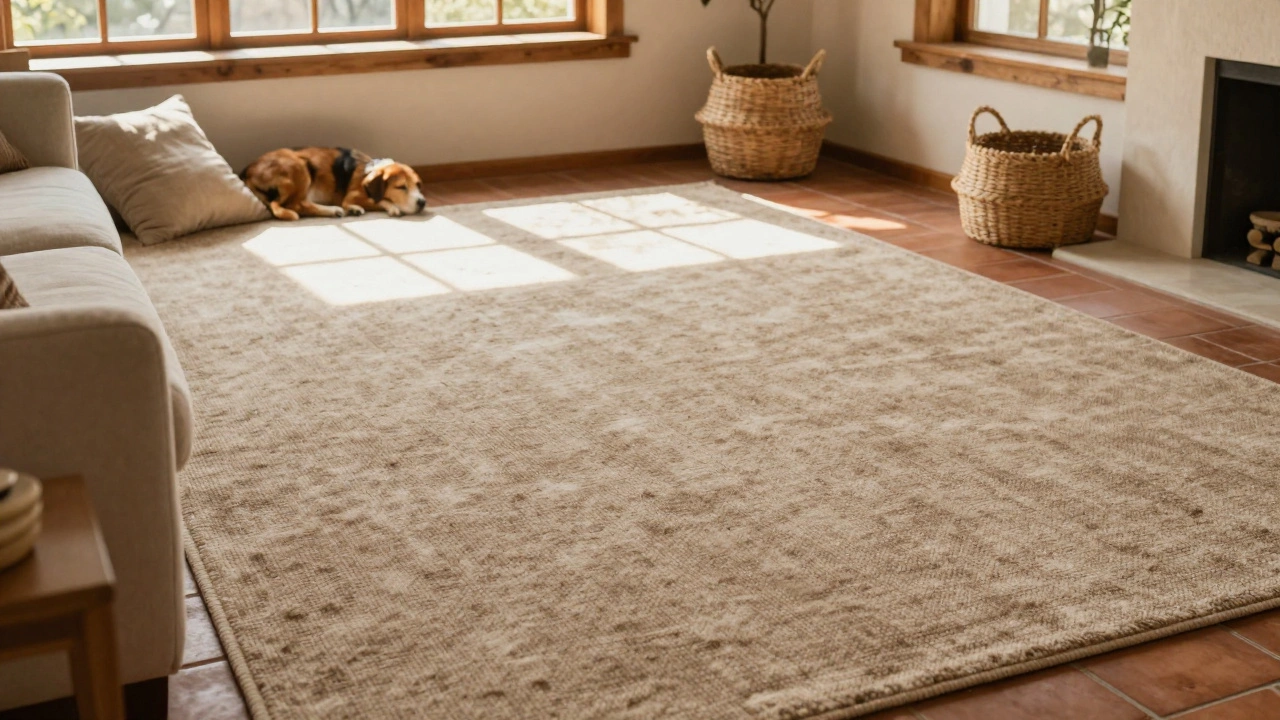
Here’s a simple trick: grab a few carpet samples and lay them on your floor at different times of day. Watch how they look in morning light, afternoon sun, and evening lamps. What looks warm at noon might look gray at dusk.
Also, consider your walls and furniture. If your walls are white or light gray, go for a slightly darker carpet to add depth. If your walls are dark, a lighter carpet will balance it out. Don’t match your carpet to your sofa-match it to the room’s overall mood.
And don’t be afraid to go darker than you think. People always underestimate how much a slightly deeper tone can ground a space. A carpet that’s one shade darker than you planned often looks more expensive and intentional.
Real Homes, Real Choices
In a recent renovation in Mt. Eden, a couple chose a medium-gray solution-dyed nylon carpet for their open-plan kitchen and living area. They had two cats and a busy schedule. Two years later, the carpet still looks new. No stains. No fading. No one notices it-until they say, "How does your floor always look so clean?"
Another family in Henderson picked a warm taupe wool blend for their living room. They didn’t want "trendy." They wanted "timeless." Now, their kids run around on it, their dog sleeps on it, and their guests always comment on how "soothing" the space feels.
These aren’t lucky accidents. They’re smart choices. The most popular carpet colors today aren’t flashy. They’re thoughtful. They’re made to live in. And they’re designed to last longer than the next Instagram trend.
Final Thought: Your Carpet Should Disappear
The best carpet color is the one you don’t notice. Not because it’s boring, but because it fits. It doesn’t fight with your furniture. It doesn’t demand attention. It just holds the space together. In 2026, the goal isn’t to stand out-it’s to feel at ease.
Choose a color that works with your life, not just your Pinterest board. That’s the real trend.
What is the most popular carpet color in 2026?
The most popular carpet colors in 2026 are cool beige (greige), medium gray with blue or green undertones, and warm taupe. These neutral tones work well with modern interiors, hide dirt and pet hair, and adapt to changing light throughout the day. They’re favored in both new builds and renovations across New Zealand, especially in Auckland.
Is black carpet a good idea for a home?
Black carpet can work in modern, well-lit spaces with clean lines and light walls, but it’s not ideal for every home. It hides dirt and stains better than light colors, making it popular in urban apartments and homes with pets. However, in dim or small rooms, it can make the space feel closed-in. Dark navy is a safer alternative if you want depth without the intensity of true black.
Should I choose light or dark carpet for a small room?
For small rooms, a light or medium carpet can make the space feel more open. But don’t go too pale-white or cream carpets show every mark. A soft gray or warm taupe offers the illusion of space while still hiding everyday wear. The key is contrast: if your walls are dark, a lighter carpet will balance it. If your walls are light, a slightly darker carpet adds depth without shrinking the room.
What carpet material lasts the longest?
Wool is the most durable natural fiber and resists crushing and staining naturally. For budget-friendly durability, solution-dyed nylon is the top choice-it holds color better than polyester, resists fading from sunlight, and withstands heavy foot traffic. Avoid low-quality polyester in high-use areas, as it flattens and fades quickly, especially in New Zealand’s variable climate.
Are patterned carpets still popular?
Patterned carpets are no longer popular for wall-to-wall installation in 2026. They feel dated and overwhelming in open-plan homes. Instead, designers use solid-colored carpets as a neutral base and add pattern through area rugs. This gives flexibility-you can change the rug seasonally or as trends shift, without replacing the whole floor.
How do I test carpet colors before buying?
Take home at least three samples and lay them on your floor. Observe them at different times of day-morning, noon, and evening. Natural light changes how colors appear. Also, place them next to your furniture and walls. What looks neutral in the store might clash with your sofa or kitchen cabinets. Wait 24 hours before deciding. Your eyes will adjust, and you’ll see the real impact.