What Cookware Do Most Chefs Prefer? A Guide to Professional Kitchen Gear
 Oct, 25 2026
Chef's Cookware Matchmaker
Select your primary cooking tasks or priorities below to see which professional cookware material chefs recommend for you.
Saucy & Seared
Deglazing, Pan SaucesHigh Heat Sear
Steaks, CrustsWok & Eggs
Stir-fry, Delicate FishPrecision Pastry
Sauces, Sugar WorkLightweight Daily
General SautéingEasy Cleanup
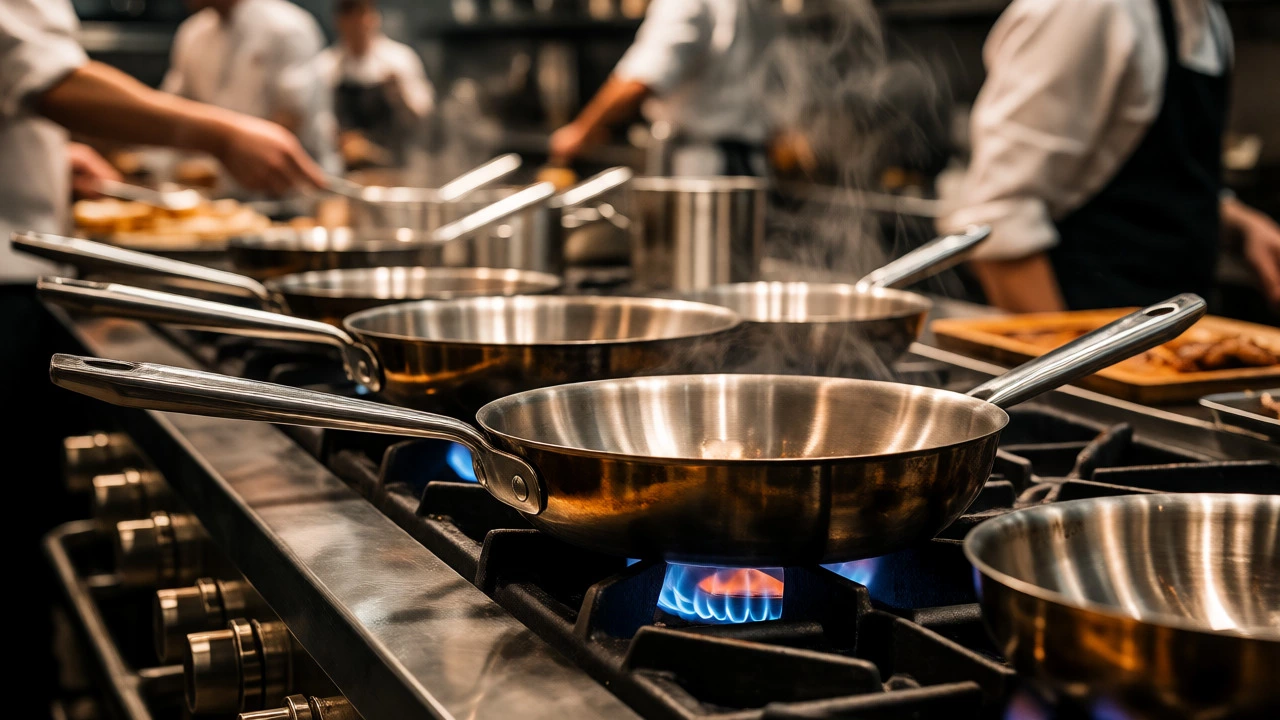
Pancakes, ReheatingYou walk into a high-end restaurant kitchen. It’s loud, hot, and moving at a pace that makes your head spin. But look closely at the burners. You won’t see non-stick Teflon frying pans from big-box stores. You won’t see fancy copper pots unless it’s a specific sauce station. Instead, you see battered, heavy-bottomed stainless steel pans with aluminum cores, blackened cast iron skillets seasoned by decades of use, and thin, responsive carbon steel woks and crepe pans. Why do professionals reject the convenience of non-stick coatings in favor of materials that require skill to master? The answer lies in heat control, durability, and the chemistry of flavor.
The Stainless Steel Standard for Versatility
If you ask ten chefs what their most-used pan is, nine will say stainless steel. But not just any stainless steel. They mean tri-ply or five-ply clad construction. This means the pan has a layer of aluminum or copper sandwiched between two layers of stainless steel. The aluminum conducts heat quickly and evenly; the stainless steel provides a durable, non-reactive cooking surface. Brands like All-Clad set the industry standard here, but many pros prefer cheaper workhorses from brands like Winco or Vollrath because they can replace them without crying. Why avoid non-stick? Because searing a steak requires temperatures above 400°F (200°C). Non-stick coatings break down at these temps, releasing fumes and losing their slickness. Stainless steel allows you to build a fond-the browned bits stuck to the bottom-which is the base for incredible pan sauces. Deglaze that fond with wine or stock, and you have a gravy that tastes like the meat itself. You can’t get that depth from a coated pan where food slides around rather than caramelizing.
| Material | Heat Retention | Reactivity | Durability | Best For |
|---|---|---|---|---|
| Stainless Steel | Moderate (with core) | Non-reactive | High | Sauces, searing, deglazing |
| Cast Iron | Very High | Reactive (unless enameled) | Indestructible | Steaks, cornbread, braising |
| Carbon Steel | High (fast response) | Reactive (seasoning needed) | High | Woks, eggs, fish |
| Copper | Extreme Precision | Reactive (tin lined) | Moderate | Delicate sauces, sugar work |
Cast Iron: The Heavyweight Champion
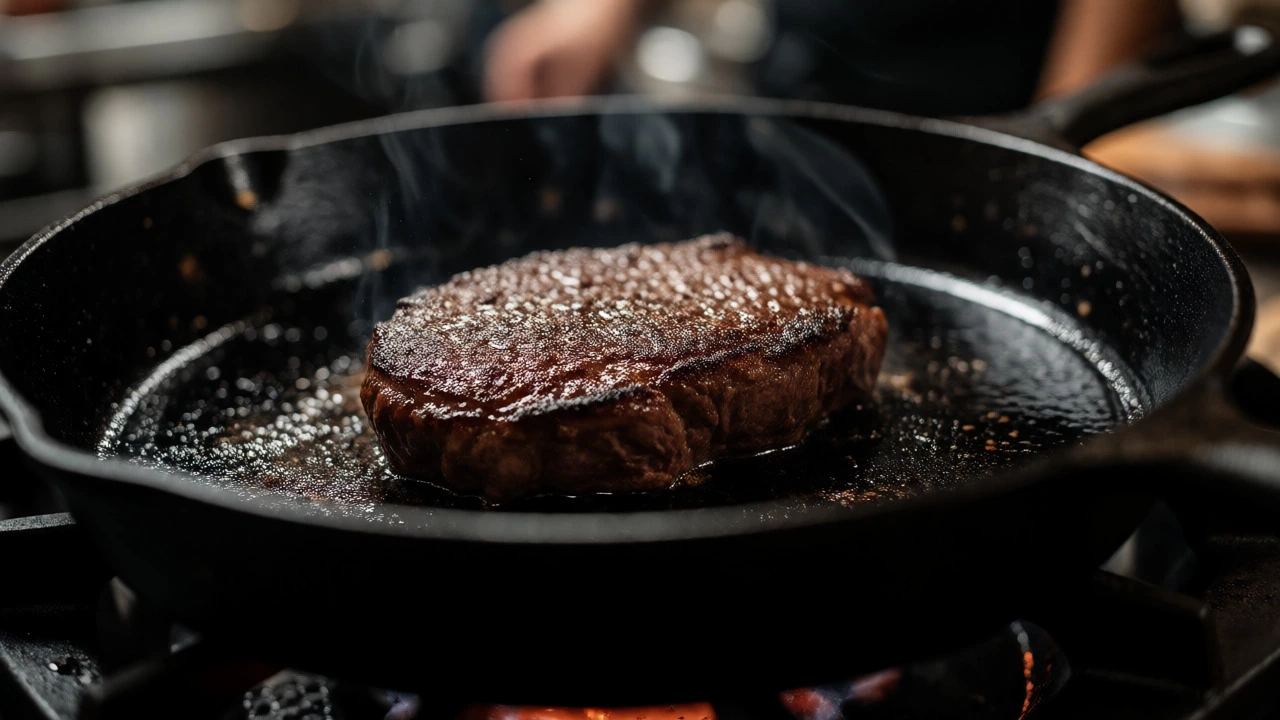
Chefs love cast iron for one reason: thermal mass. Once that black slab gets hot, it stays hot. Drop a cold, wet steak onto a screaming-hot cast iron skillet, and the temperature barely drops. This ensures a hard crust forms immediately before the inside overcooks. Lodge Manufacturing dominates this space in home kitchens, but professional kitchens often use thinner, lighter cast iron from European makers or custom-forged pieces. Maintenance scares people away, but chefs don’t scrub their pans with soap and water every time. They scrape, rinse with hot water, dry on the burner, and rub with a drop of oil. Over years, this builds a polymerized layer called seasoning. This natural non-stick surface improves with age. A well-seasoned cast iron pan can fry an egg without sticking, even without butter. Plus, cast iron adds small amounts of dietary iron to your food, which is a bonus for health-conscious cooks.
Carbon Steel: The Chef’s Secret Weapon
If cast iron is the tank, carbon steel is the fighter jet. It’s lighter, heats up faster, and cools down quicker. This responsiveness is crucial for tasks requiring precise timing, like making crêpes or stir-frying vegetables. In French cuisine, the poele à frire is often carbon steel. In Chinese kitchens, the wok is almost exclusively carbon steel. Chefs prefer carbon steel over non-stick for eggs and delicate fish because once seasoned, it becomes naturally slick. Unlike non-stick, you can use metal spatulas and whisks on it. You can put it directly into a flame. If you want to replicate the smoky "wok hei" flavor at home, you need carbon steel. Aluminum woks are too thin and warp; stainless woks stick. Carbon steel hits the sweet spot of heat conductivity and durability.
Copper: Where Precision Meets Luxury
You’ll rarely see copper pans used for general sautéing in busy restaurants. They’re expensive, heavy, and require constant polishing if not lacquered. However, pastry chefs and sauce specialists swear by them. Copper conducts heat better than any other common material. When you make a hollandaise sauce or melt chocolate, you need instant feedback. Turn the burner off, and the copper pot stops heating almost immediately. With stainless steel, residual heat continues cooking your delicate emulsion, often breaking it. Brands like Mauviel and Falk Culinair are the gold standard. These pans usually have a tin lining because copper reacts with acidic foods. Tin is soft and wears out, requiring re-tinning every few years. It’s high maintenance, but for a $500 dish featuring a delicate beurre blanc, the control is worth it.
Aluminum: The Workhorse Behind the Scenes
While home cooks avoid bare aluminum due to its reactivity and tendency to discolor, professional kitchens run on it. Anodized aluminum pans offer the excellent heat conductivity of aluminum with a harder, less reactive surface. Many restaurant sauté pans are actually aluminum with a stainless steel interior or simply anodized. They are lightweight, cheap, and distribute heat evenly. If you’ve ever wondered why your aluminum foil turns black in the dishwasher, that’s oxidation. Anodizing prevents this while keeping the pan light enough for a line cook to flip hundreds of omelets per shift without wrist strain.
Why Chefs Avoid Non-Stick Coatings
It’s not that chefs hate non-stick. They use it for specific tasks: scrambled eggs, pancakes, or reheating leftovers. But they treat it as disposable. A good non-stick pan lasts 1-3 years in a commercial kitchen. Chefs know the coating degrades. They also worry about scratching it with utensils, which shortens its life. More importantly, non-stick limits technique. You cannot develop a fond. You cannot safely preheat the pan empty for long periods. For anything involving browning, caramelization, or high heat, non-stick is a barrier to flavor.
Choosing Your Own Chef-Level Kit
You don’t need to buy a full $2,000 cookware set to cook like a pro. Start with three key pieces:
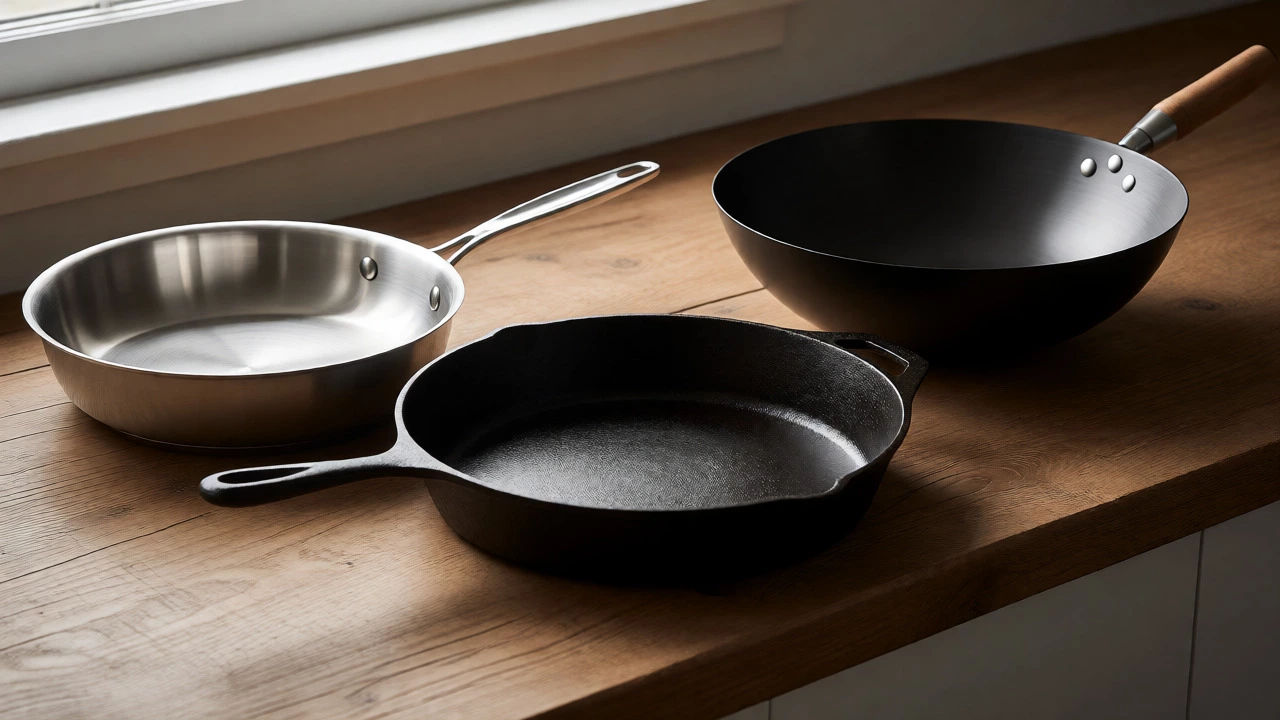
- A 10-inch tri-ply stainless steel skillet for sauces and searing.
- A 10.25-inch cast iron skillet for steaks and roasting.
- A 9-inch carbon steel pan for eggs, stir-fries, and fish.
Frequently Asked Questions
Do professional chefs really use non-stick pans?
Yes, but sparingly. They use them for delicate items like eggs, fish fillets, or pancakes where sticking is a disaster. However, they replace them frequently-often annually in busy kitchens-because the coating wears out quickly under high heat and metal utensil use.
Is all-clad worth the price for home cooks?
All-Clad is the benchmark for quality, offering exceptional heat distribution and durability. However, mid-range brands like Tramontina Tri-Ply or Made In provide 90% of the performance for 50% of the cost. Unless you demand heirloom-quality longevity, you can save money with reputable mid-tier options.
Can I use metal utensils on stainless steel?
Absolutely. Stainless steel is tough. Metal spatulas, whisks, and tongs are fine. Scratches may appear, but they don’t affect performance. In fact, a slightly scratched surface can help prevent sticking by providing texture for food to grip during the initial sear.
How do I clean burnt-on food from stainless steel?
Fill the pan with water and bring it to a boil. Use a wooden spoon to scrape the bottom while boiling. This process, called deglazing, loosens stuck-on bits. For tougher messes, add baking soda to the boiling water. Avoid steel wool pads if you want to keep the finish shiny, though they won’t ruin the pan functionally.
Why do chefs season their carbon steel and cast iron pans?
Seasoning creates a polymerized oil layer that acts as a natural non-stick surface. It also protects the raw metal from rust. Unlike factory-applied non-stick coatings, seasoning can be repaired and improved over time. It’s part of the pan’s character and functionality.