What Decreases Property Value the Most? A Buyer's Guide
 Aug, 27 2026
Property Value Impact Estimator
Tip: Click an issue to include or exclude it from your estimate. Percentages are illustrative ranges based on typical buyer perception.
Imagine walking into a house that looks fine on the outside but feels "off" inside. The paint is fresh, but the floorboards creak loudly, and there’s a faint smell of dampness in the hallway. You might not know exactly what’s wrong, but your gut tells you this place isn’t worth the asking price. That instinct is usually right. While flashy kitchens and marble bathrooms often get the credit for boosting a home’s worth, it is rarely the lack of luxury that kills a deal. Instead, it is the hidden defects and poor decisions that quietly erode property value. Understanding these factors helps you avoid overpaying or making mistakes that hurt your investment.
The Silent Killers: Structural and Moisture Issues
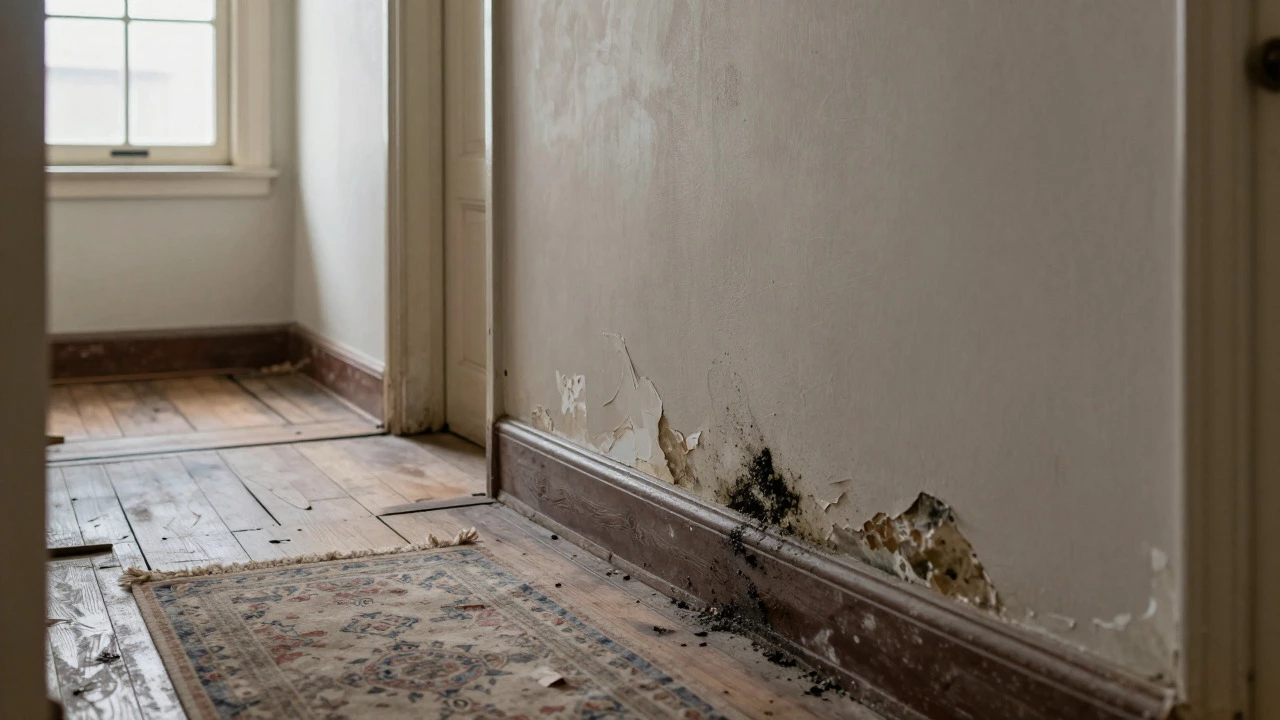
If you ask any experienced builder or inspector, they will tell you that structure is king. When the bones of a house are compromised, no amount of cosmetic fixing can save the value. The biggest enemy here is moisture. In places like Auckland, where humidity is high, damp problems are common. But when water seeps into walls, floors, or foundations, it causes long-term decay. Wood rots, steel rusts, and plaster crumbles. This isn't just an aesthetic issue; it threatens the integrity of the building itself.
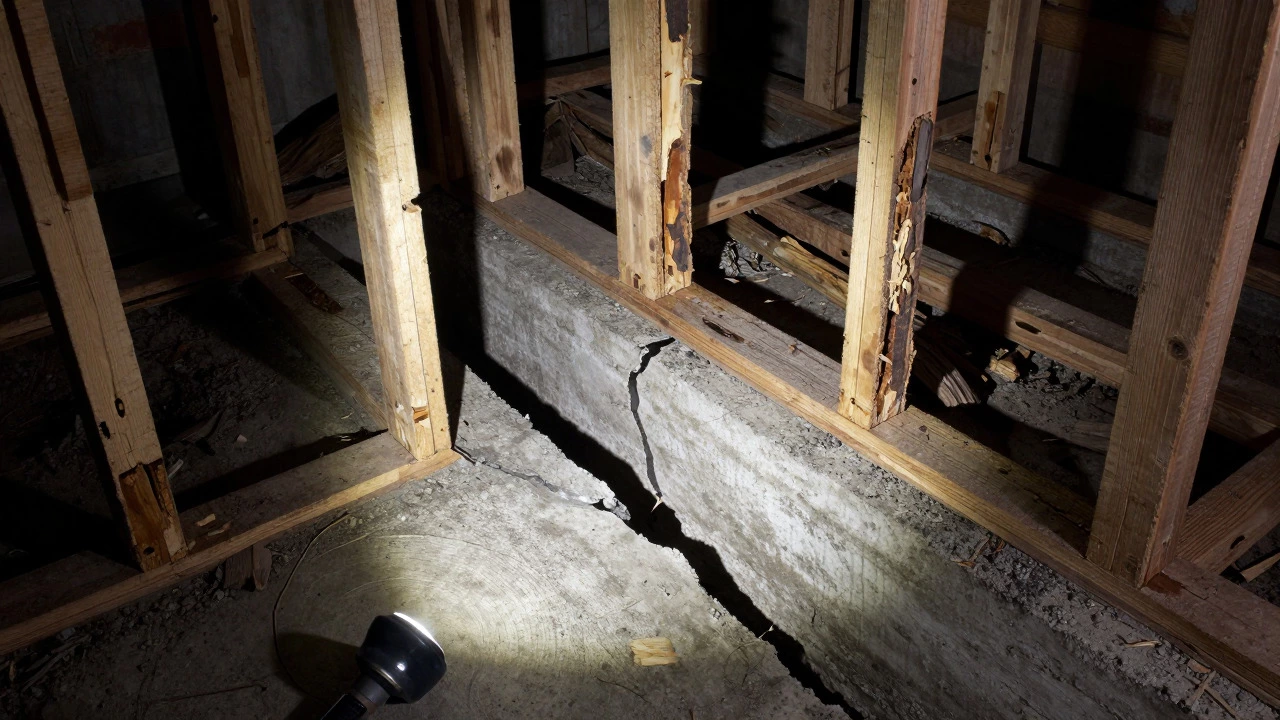
Another major structural concern is foundation movement. Cracks in the exterior brickwork or concrete slabs can indicate that the ground beneath the house is shifting. If these cracks are wide or diagonal, they suggest serious settlement issues. Buyers fear this because fixing foundations is expensive, disruptive, and sometimes uncertain. A house with visible foundation cracks often sells for significantly less than its neighbors, simply because buyers assume the worst until proven otherwise.
- Damp and Mould: Persistent damp leads to black mould, which affects air quality and health. Remediation costs can run into thousands, depending on the extent of the damage.
- Rotting Timber: Subfloor rot is a classic issue in older homes. If joists are compromised, the entire floor may need replacing.
- Foundation Cracks: Wide or stepped cracks in masonry or concrete signal structural instability, requiring professional engineering assessment.
The Cost of Poor Renovation Choices
It’s a common myth that renovating always adds value. In reality, poorly executed renovations can subtract more than they add. We call this "over-capitalizing." Imagine spending $50,000 on a custom, high-end kitchen in a modest neighborhood where the average sale price is $800,000. Chances are, you won’t recover that full cost. Buyers in that area expect a certain standard, not a luxury suite. They will look at the total price and compare it to similar homes, realizing that the premium kitchen doesn’t justify the higher sticker price.
Beyond cost, bad design choices also hurt value. Think about clashing styles. If you install sleek, modern minimalist cabinets but keep the original ornate Victorian molding and heavy drapes, the result is visual chaos. Cohesion matters. Buyers want a home that feels unified, not like a museum of different decades. Furthermore, using cheap materials that fail quickly is a red flag. If a new roof leaks within two years or a new tap starts dripping after six months, it signals that the previous owner cut corners. This lack of quality assurance makes buyers nervous about other unseen areas of the home.
Outdated Systems and Energy Efficiency
In recent years, energy efficiency has become a major driver of property value. Older homes often have single-glazed windows, poor insulation, and outdated heating systems. These features make a house expensive to run and uncomfortable to live in. Modern buyers, especially younger demographics, prioritize low running costs. A home with high electricity bills is a hard sell. Conversely, a home with double-glazed windows, ceiling insulation, and a heat pump is seen as a smart investment.
Electrical and plumbing systems also play a huge role. Old fuse boxes, aluminum wiring, or ungrounded circuits are safety hazards that require immediate attention. Similarly, galvanized steel pipes from the mid-20th century are prone to corrosion and blockage. Replacing these systems is a significant expense. If a home inspection reveals that the electrical panel needs upgrading or the water pipes are failing, the negotiation power shifts heavily to the buyer. They will demand a price reduction to cover these necessary repairs.
Location Factors and External Noise
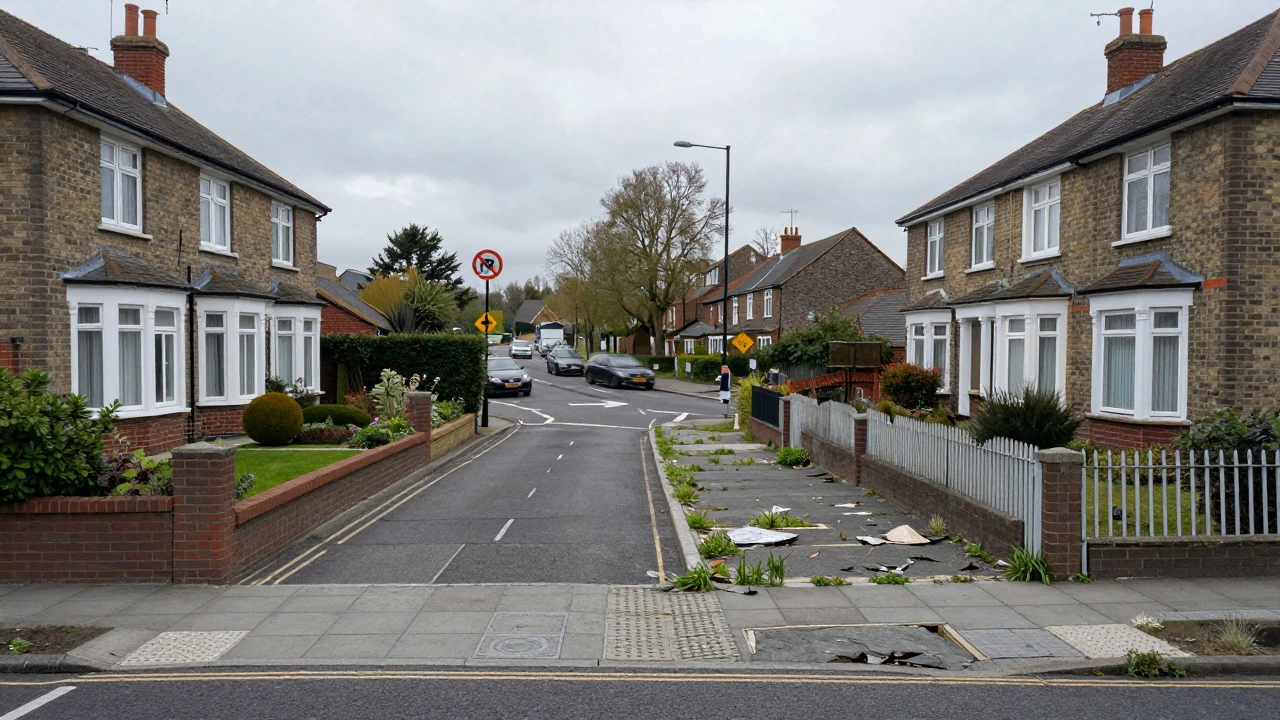
You can fix up the interior, but you can’t move the house. Location remains the most critical factor in real estate. However, specific location attributes can decrease value more than others. Proximity to noise sources is a prime example. Living next to a busy highway, a train line, or an airport flight path can significantly lower desirability. Even if the house is beautiful, the constant hum of traffic or the roar of planes disrupts peace and quiet. Studies show that properties within 100 meters of a major road can lose up to 10% of their value compared to those further back, all else being equal.
Other external factors include poor street appeal and limited privacy. If the front yard is barren, the driveway is cracked, or the fence is falling apart, it creates a negative first impression. Buyers form opinions in the first few seconds. Additionally, if the house lacks privacy due to close-set neighbors or overlooking windows, it becomes less attractive to families who value seclusion. These external elements are harder to mitigate than internal ones, making them persistent drains on value.
How to Protect Your Investment
Avoiding these value-decreasing traps requires a proactive approach. Whether you are buying or selling, understanding what hurts value allows you to make smarter decisions. Here are practical steps to maintain or enhance your property’s worth:
- Invest in Structure First: Before painting or landscaping, ensure the roof, foundation, and subfloor are sound. Fix leaks immediately to prevent mold and rot.
- Renovate for the Neighborhood: Match your upgrades to the local market standard. Aim for quality and cohesion rather than extreme luxury that outpaces the area.
- Upgrade Systems: Replace old electrical panels and plumbing proactively. Consider adding insulation and double-glazing to improve energy efficiency.
- Maintain Curb Appeal: Keep the exterior clean, the garden tidy, and the entrance welcoming. Small fixes like repainting the front door or repairing the driveway go a long way.
- Get Professional Inspections: Regularly check for hidden issues like damp or pest damage. Catching problems early is far cheaper than dealing with them later.
Comparing High-Impact Defects
To visualize how different issues impact value, consider the following comparison. This table highlights the relative severity of common problems based on repair costs and buyer perception.
| Issue Type | Typical Repair Cost (NZD) | Buyer Perception | Value Impact |
|---|---|---|---|
| Foundation Cracks | $15,000 - $50,000+ | Fear of instability | High (10-20% drop) |
| Severe Damp/Mould | $5,000 - $20,000 | Health concerns | Medium-High (5-10% drop) |
| Outdated Electricals | $3,000 - $8,000 | Safety risk | Medium (3-5% drop) |
| Over-Capitalized Reno | Varies | Poor ROI suspicion | Variable (Stagnant growth) |
| Noise Pollution | N/A (Permanent) | Lifestyle disruption | High (10%+ permanent discount) |
Frequently Asked Questions
Does a renovated kitchen always increase property value?
No. A kitchen renovation only increases value if it matches the neighborhood's standard and uses quality materials. Over-luxury upgrades in modest areas often do not recoup the full cost because buyers compare the total price to similar homes without the upgrade.
What is the most expensive defect to fix in a house?
Structural issues, particularly foundation problems and severe timber rot, are typically the most expensive. Repairs can range from $15,000 to over $50,000, depending on the extent of the damage and the complexity of the engineering required.
How does noise affect property prices?
Proximity to noise sources like highways or airports can reduce property values by 10% or more. Buyers are willing to pay less for homes with constant background noise because it impacts their quality of life and sleep patterns.
Should I fix minor cosmetic issues before selling?
Yes. Minor cosmetic fixes like painting, repairing leaky taps, or cleaning carpets are low-cost improvements that significantly boost curb appeal. They signal to buyers that the home has been well-maintained, which can lead to higher offers.
Is energy efficiency really important for property value?
Increasingly, yes. Homes with better insulation, double-glazing, and efficient heating systems are more attractive to modern buyers who prioritize lower utility bills and comfort. This feature set can command a premium in competitive markets.