What Does Bedding Mean in Slang? The Truth About Bedroom Talk
 Aug, 13 2026
Bedding Slang Decoder
Paste a sentence containing the word "bedding" below to analyze its likely meaning.
You’ve probably heard someone say they are "going to bed" with someone else, or maybe you saw a text message that said "we had some serious bedding going on." If you paused for a second to wonder if this was about high-thread-count sheets or something more intimate, you aren’t alone. Language shifts fast, and words we use every day often carry hidden meanings that fly right over our heads until we ask the question: what does bedding mean slang?
In its most literal sense, bedding refers to the materials used on a bed-sheets, blankets, pillows, and duvets. It’s the stuff you buy at department stores to make your sleep environment comfortable. But when people start using "bedding" as a verb or a metaphorical noun in casual conversation, social media, or dating apps, the context changes completely. We need to unpack these layers because misunderstanding them can lead to awkward moments or missed signals.
The Literal Definition vs. The Colloquial Shift
To understand the slang, we first have to ground ourselves in the standard definition. Bedding is the collective term for linens, covers, and cushions placed on a bed for sleeping. This includes fitted sheets, flat sheets, pillowcases, comforters, quilts, and mattress protectors. When you go shopping for "bedding," you are looking for home goods. Retailers like Target, IKEA, or local linen shops categorize products under this header. There is no ambiguity here; it is purely functional.
However, language evolves through usage. Over time, the object associated with an action often becomes synonymous with the action itself. This is called metonymy. Think about how we say "I’m watching the tube" for television or "I’m reading the paper" for news. Similarly, "bedding" has drifted from being just the fabric on the bed to representing the activities that happen on top of those fabrics. When someone uses "bedding" in a non-literal way, they are usually referring to intimacy, romance, or sex.
"Bedding" as a Verb: The Euphemism
The most common slang usage of bedding occurs when it is turned into a verb: "to bed" someone. You might hear phrases like "he got her in bed" or "they were bedding each other." In this context, bedding is a direct synonym for having sexual intercourse. It is slightly more formal than crude slang but far less clinical than medical terminology. It sits comfortably in the middle ground of euphemisms.
Why do people use this word instead of being explicit? Often, it’s about tone. Using "bedding" softens the blow of talking about sex. It makes the conversation feel less aggressive or vulgar. For example, in literature or older movies, characters might discuss "bedding arrangements" to imply cohabitation or marital duties without saying "sex" outright. In modern texting, it can be a playful way to hint at physical intimacy without triggering content filters or sounding too forward.
Consider this scenario: A friend tells you, "Last night was intense; there was a lot of bedding involved." They aren’t telling you about their new Egyptian cotton sheets. They are telling you they had a passionate encounter. Recognizing this shift helps you respond appropriately. If you reply, "Oh nice, what thread count?" you might miss the social cue entirely.
Social Media and Dating App Contexts
If you scroll through TikTok, Instagram, or Twitter, you will see "bedding" used in very specific ways that differ from face-to-face conversation. On these platforms, context is king. Here are three common ways the word appears online:
- Aesthetic Content: Influencers post videos titled "Bedding Routine" or "Morning Bedding Setup." Here, the word retains its literal meaning. They are showing off luxury linens, color coordination, or organization hacks. This is marketing content disguised as lifestyle advice.
- Dating Profiles: On apps like Tinder or Bumble, you might see bios that say "Looking for good bedding partners." This is code for casual sex or hookups. It implies a focus on the physical act rather than emotional connection. It’s a polite way to signal intentions without writing "FWB" (Friends With Benefits) or "NSA" (No Strings Attached).
- Meme Culture: Sometimes, "bedding" is used ironically. A meme might show a person struggling to put on a fitted sheet with the caption "Adulting is hard: The Bedding Edition." Here, the humor comes from the mundane difficulty of a household chore, contrasting it with the romanticized idea of "bedding" as sex.
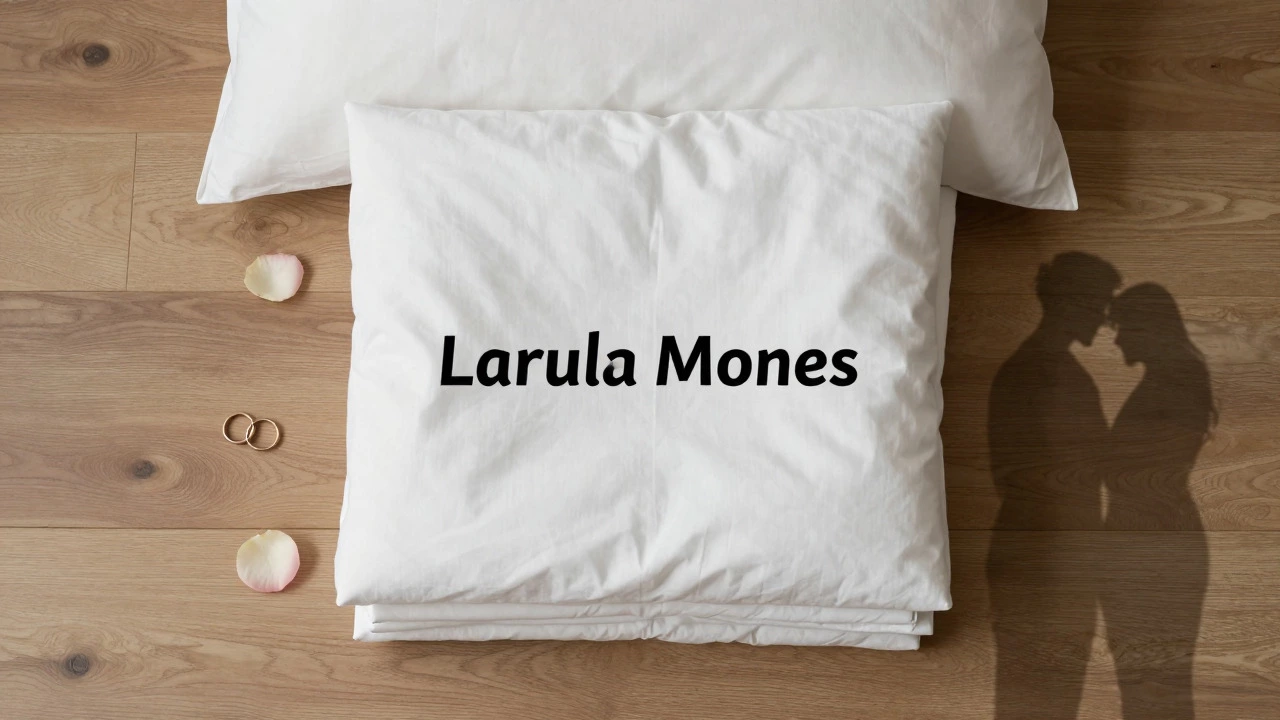
Navigating these contexts requires reading between the lines. If the image shows sheets, it’s literal. If the image shows two people or suggestive emojis, it’s likely slang for intimacy.
Historical Roots of the Term
To really get why "bedding" works as slang, we have to look back a bit. The word "bed" has been associated with sex since Old English times. Phrases like "sleeping with someone" or "sharing a bed" have always carried double meanings. In Victorian England, modesty required heavy euphemisms. People spoke of "conjugal visits" or "marital obligations." The term "bedding" emerged naturally from this need to discuss private matters publicly.
In Shakespearean plays, you find references to "bedding" that clearly point to marriage beds and sexual unions. For instance, in *Romeo and Juliet*, the urgency of their union is tied to the bedchamber. Over centuries, as society became more open about sexuality, the euphemisms shifted. We moved from "making love" to "hooking up" to "getting busy." "Bedding" remains in the lexicon because it connects the physical location (the bed) with the act, making it intuitive for native speakers.
Common Confusions and Pitfalls
One of the biggest risks with slang is misinterpretation. Non-native English speakers, or even younger generations unfamiliar with older idioms, might take "bedding" literally when it is meant figuratively. Imagine a tourist asking a hotel concierge, "Where can I buy bedding for tonight?" expecting to be given a list of singles available for romance. That would be an awkward moment!
Another pitfall is assuming intent. Just because someone mentions "bedding" doesn’t mean they are proposing sex. They might be complaining about laundry. Always look at the surrounding words. Keywords like "soft," "cotton," "wash," or "fold" indicate literal bedding. Keywords like "hot," "late night," "alone," or "passion" indicate the slang meaning.
| Context Clue | Likely Meaning | Example Phrase |
|---|---|---|
| Mentions of fabric, thread count, or washing | Literal (Sheets/Linens) | "I need to buy new bedding for the guest room." |
| Mentions of partners, dates, or intimacy | Slang (Sexual Intimacy) | "Their relationship started with some serious bedding." |
| Social media aesthetic posts | Literal (Home Decor) | "Check out my cozy bedding setup!" |
| Dating app bios | Slang (Casual Hookup) | "Here for good conversations and better bedding." |

Related Terms and Nuances
Understanding "bedding" also helps you grasp related slang terms. For example, "sheet music" is sometimes used jokingly to refer to sexual activity, playing on the dual meaning of "sheet" (paper vs. bed linen). Similarly, "pillow talk" refers to intimate conversations in bed. These phrases all rely on the same linguistic trick: taking objects found in the bedroom and using them to represent the experiences that happen there.
It’s also worth noting regional differences. In British English, "bedding down" means to settle in for the night or to rest. It doesn’t necessarily imply sex. An American might say, "Let’s bedding down early," meaning they want to sleep. If a British friend says the same thing, they might just be tired. Knowing these nuances prevents unnecessary embarrassment.
How to Use "Bedding" Correctly
If you want to use "bedding" in slang, keep it light and contextual. It works best in informal settings among friends who already share a level of comfort with each other. Avoid using it in professional environments unless you are sure the joke will land. For example, saying "We need to sort out the bedding" in an office meeting could confuse your colleagues unless you are literally discussing office nap pods.
When in doubt, clarify. If someone says, "The bedding was great," you can ask, "You mean the sheets, or the company?" Humor disarms potential awkwardness. It shows you understood the double meaning but chose to play along rather than assume.
Final Thoughts on Language Evolution
Language is never static. Words like "bedding" drift between literal and figurative meanings based on culture, generation, and context. By understanding both sides, you become a more effective communicator. You won’t just know what things are; you’ll know what people mean when they talk about them. Whether you are shopping for percale sheets or navigating a date, knowing the difference ensures you stay in control of the conversation.
Is "bedding" considered rude slang?
Not particularly. It is a mild euphemism. It is softer than many other sexual slang terms. However, it still refers to sex, so use it carefully in mixed company or around children.
What is the difference between bedding and linens?
Linens specifically refer to cloth products made from linen fiber or similar textiles like cotton. Bedding is a broader category that includes linens, plus pillows, blankets, and decorative throws. All linens can be bedding, but not all bedding is technically linen.
Can "bedding" mean marriage?
Historically, yes. In older texts, "wedding" and "bedding" were closely linked rituals. Today, it rarely means marriage directly, but it can imply the consummation of a marriage or a committed relationship.
Why do dating apps use the word bedding?
Dating apps use it as a polite code. It suggests physical intimacy without being explicitly graphic. This helps users avoid censorship algorithms while clearly signaling their interest in casual encounters.
Is bedding the same as sleepwear?
No. Sleepwear (or pajamas) is what you wear. Bedding is what goes on the bed. They are related categories in retail stores but distinct items. You sleep in sleepwear; you sleep on bedding.