What is a Farmhouse Bathroom? A Practical Guide to Style and Essentials
 Nov, 19 2026
Farmhouse Bathroom Style Estimator
Select your preferences below to generate a custom design plan including color combinations, material recommendations, and lighting tips.
Storage Strategy
Lighting Setup
Material Focus
Pro Tip for Your Space
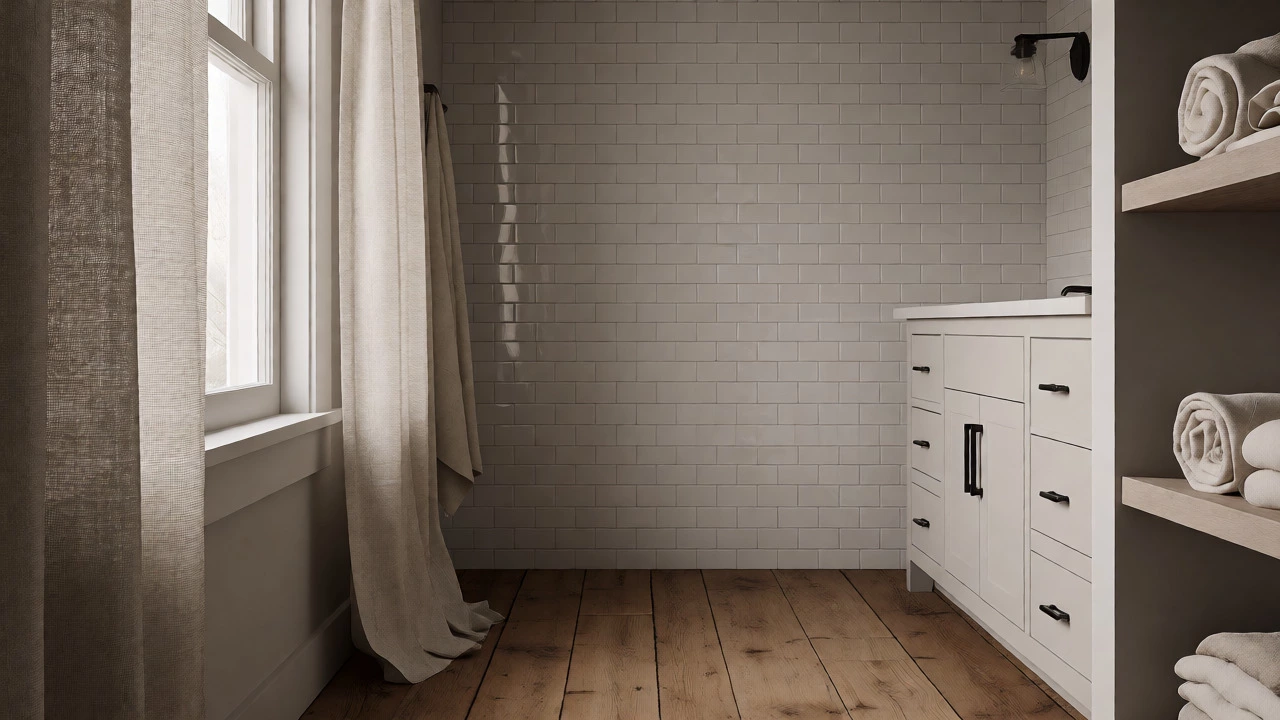
You walk into a room that smells faintly of cedar and clean cotton. The light is soft, filtering through linen curtains. Underfoot, wide-plank wood feels warm rather than cold. There’s no gleaming chrome screaming for attention; instead, matte black hardware sits quietly against white subway tiles. This isn’t just a place to wash your hands. It’s a retreat designed to slow you down. If you’ve ever wondered what is a farmhouse bathroom, you’re likely looking at this exact blend of practicality and nostalgia. But it’s not just about slapping some reclaimed wood on the wall. True farmhouse style balances rugged durability with intentional comfort, creating a space that feels lived-in but never cluttered.
The Core Philosophy: Form Follows Function (With a Smile)
At its heart, the Farmhouse Bathroom is a design aesthetic rooted in rural American traditions, emphasizing simplicity, durability, and natural materials. Unlike modern minimalism, which often strips away character, farmhouse style celebrates wear and tear. Think of it as the interior design equivalent of a well-loved leather jacket. It’s supposed to look used because it was made to be used.
This approach rejects the sterile perfection of high-end spas. You won’t find hidden storage everywhere or touchless faucets here. Instead, you’ll see open shelving holding rolled towels within arm’s reach. You’ll notice hooks for robes that have actually been worn recently. The goal is accessibility. In a working farm, you don’t have time to hunt for supplies while wet and cold. You need things where they are easy to grab. Translating that utility into a suburban home creates a sense of ease that many people crave today. It’s about removing friction from your daily routine.
Key Elements That Define the Look
To build this vibe, you need specific ingredients. It’s not enough to just buy one rustic mirror. The cohesion comes from repeating certain textures and shapes throughout the space. Let’s break down the non-negotiables.
Materials Matter Most
Natural fibers dominate here. Cotton, linen, jute, and wool take center stage. Synthetic fabrics tend to look too shiny or slippery against the rougher textures of wood and stone. When choosing rugs, look for flat-weave options made from cotton or sisal. They withstand moisture better than plush shag carpets and fit under most vanity doors without bunching up.
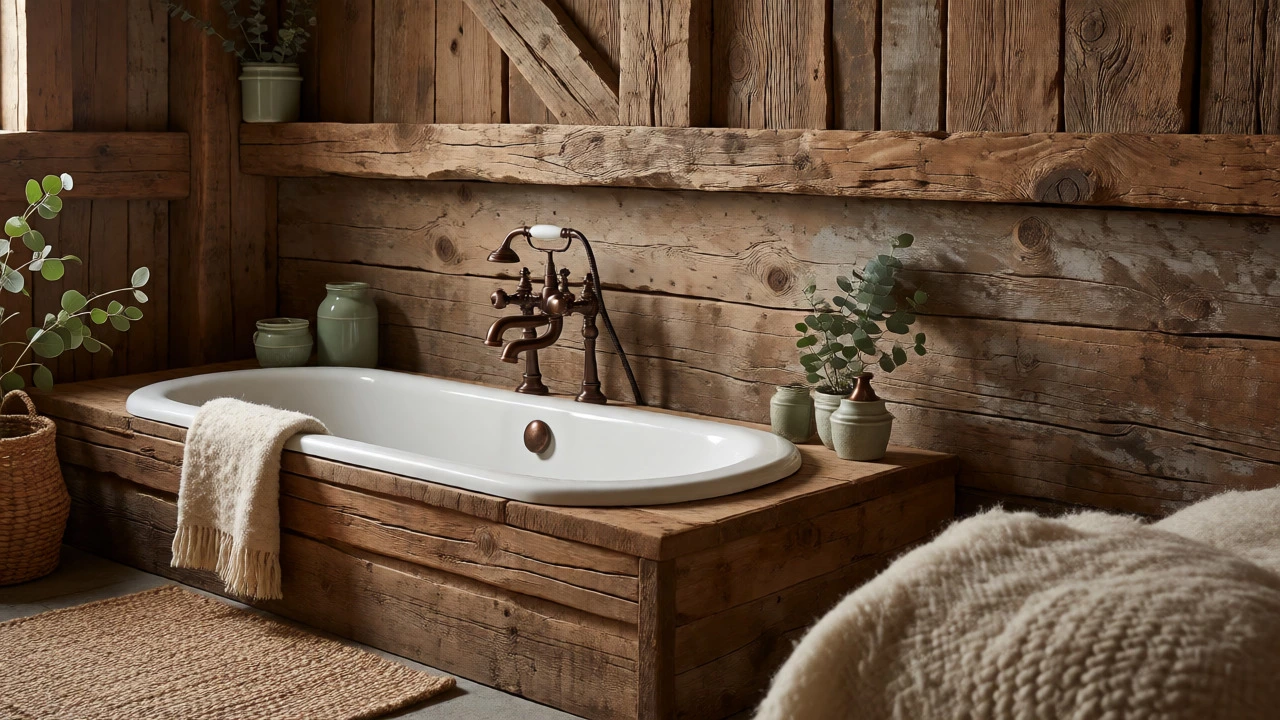
Wood is the backbone of the style. But not all wood works. You want pieces with visible grain, knots, and maybe even a few nail holes. Reclaimed barn wood is popular, but new lumber stained with a weathered gray finish can achieve the same effect if done carefully. Avoid dark mahogany or cherry woods, which feel too formal and urban. Stick to oak, pine, or ash in lighter tones or distressed finishes.
Fixtures and Hardware
Metal choices define the era you’re evoking. Oil-rubbed bronze and matte black are current favorites because they contrast sharply against white porcelain. Brushed nickel works if you want a softer, more traditional feel. Chrome usually looks too industrial or dated unless it’s part of a very specific mid-century hybrid design.
Freestanding tubs are iconic here, particularly slipper tubs or clawfoot models. However, not everyone has the square footage. A standard alcove tub with a simple apron front-often called a "drop-in" or "undermount" with a wooden surround-can mimic the look without breaking the budget or requiring a structural renovation.
Color Palettes: Beyond Just White
Many people assume farmhouse means stark white. While white is foundational, relying solely on it makes the room feel like a hospital waiting area. The trick is layering neutrals. Start with a base of creamy whites or off-whites rather than bright optical white. Then, introduce depth with warm grays, sage greens, or muted blues.
Consider the psychological impact of these colors. Sage green, for instance, brings the outdoors in, reinforcing the connection to nature that defines the style. Muted blues evoke sky and water, adding calmness. Dark accents, like navy or charcoal, provide grounding points so the eye doesn’t drift endlessly across pale surfaces.
| Base Color | Accent Color | Vibe Created |
|---|---|---|
| Creamy White | Sage Green | Fresh, airy, connected to nature |
| Warm Gray | Matte Black | Modern, crisp, defined edges |
| Pale Blue | Natural Wood | Coastal-farm blend, relaxed |
| Beige/Taupe | Rust/Terracotta | Earthy, warm, inviting |
Lighting: Setting the Mood Without Electricity Overload
Harsh overhead lighting kills the farmhouse mood instantly. You need layers. Ambient light should come from sconces flanking the mirror or a central fixture that diffuses light softly. Look for shades made of glass, fabric, or woven metal. Exposed bulbs work if they are filament-style LEDs that emit a warm glow (around 2700K color temperature).
Task lighting is equally important. If you shave or apply makeup, you need clear visibility. Wall-mounted lights at eye level prevent shadows from forming under your chin. Avoid placing lights directly above the mirror, which casts downward shadows that make you look tired.
Don’t forget candlelight. Real candles add scent and flicker, enhancing the cozy factor. Flameless LED candles are safer near water sources and still provide the visual warmth needed for evening relaxation.
Storage Solutions: Open vs. Closed Balance
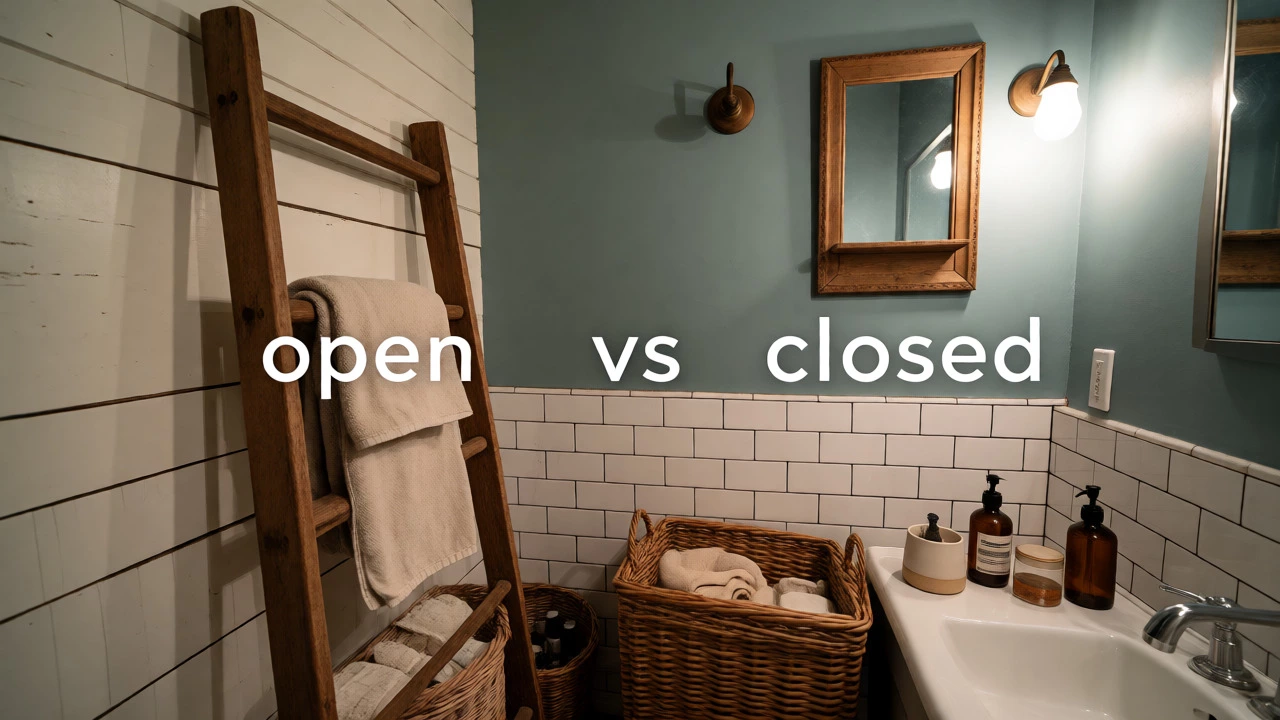
Farmhouse style loves open display, but too much exposure leads to visual noise. You have to curate what stays out. Toothbrushes and toothpaste tubes rarely look pretty. Hide them in drawers or cabinets. Display items that add texture or color: folded towels, ceramic jars for cotton balls, soap dispensers in amber glass, or small potted plants like ferns or eucalyptus.
Ladders are a classic hack. Leaning a wooden ladder against the wall provides instant towel storage and vertical interest. Baskets made of wicker or wire hold extra toiletries or laundry hampers. These containers soften the hard lines of tile and plumbing, adding organic shapes that break up the grid pattern of subway tiles.
Common Mistakes to Avoid
It’s easy to go overboard. One major pitfall is treating every surface like a craft project. If every shelf holds a mason jar with a lace ribbon, the room starts feeling like a wedding venue rather than a functional bathroom. Restraint is key. Pick three focal points per room and leave the rest simple.
Another error is ignoring humidity. Real wood swells and warps in steamy bathrooms. If you live in a climate with high moisture, like Auckland’s damp winters, ensure any exposed wood is properly sealed with marine-grade varnish. Otherwise, you’ll end up with mold behind the vanity by year two.
Finally, don’t mix too many eras. A sleek, frameless glass shower enclosure clashes with rough-hewn beams. Opt for framed enclosures with black metal grids or curtain rods with heavy linen drapes. Consistency in material language keeps the design cohesive.
Do I need a large bathroom to achieve the farmhouse look?
No, you don't. Small bathrooms can effectively use farmhouse elements by focusing on vertical space. Use tall ladders for towels, install floating shelves instead of bulky vanities, and choose smaller-scale accessories. The key is keeping the palette light and airy to avoid making the room feel cramped.
Is shiplap necessary for a farmhouse bathroom?
Shiplap is popular but not mandatory. Many modern interpretations skip it entirely in favor of textured paint finishes, beadboard paneling, or simply clean drywall with strong trim details. Focus on the overall feeling of simplicity and natural materials rather than sticking to one specific wall treatment.
How do I keep real wood from getting damaged in a humid bathroom?
Proper sealing is critical. Use polyurethane or spar varnish designed for high-moisture environments. Additionally, ensure good ventilation by running an exhaust fan during and after showers. Leaving the door slightly ajar when not in use also helps air circulation, reducing the risk of warping or mold growth.
Can I mix farmhouse style with modern fixtures?
Yes, this combination is often called "Modern Farmhouse." Pairing sleek, minimalist faucets with rustic vanities or using geometric mirrors alongside reclaimed wood shelves creates an interesting contrast. The balance lies in keeping the color palette neutral and ensuring the materials complement each other rather than compete.
What type of flooring works best for a farmhouse bathroom?
Wide-plank wood-look vinyl or porcelain tiles are excellent choices because they offer the aesthetic of hardwood with the durability needed for wet areas. Natural stone tiles in slate or limestone also fit well, providing earthy tones and varied textures that enhance the rustic feel.