What Is a Shame for Bedding? Common Mistakes That Ruin Your Sleep Quality
 Nov, 5 2025
You’ve bought the softest sheets, the fluffiest pillow, and the most expensive mattress. Yet, you still wake up tired. Your back aches. Your skin feels itchy. You’re not alone. The problem isn’t your bed-it’s what you’re doing to it. There are habits people repeat every night that are quietly ruining their sleep. These aren’t just inconveniences. They’re bedding sins. And they’re more common than you think.
Using the Wrong Pillow for Your Sleep Position
People think all pillows are the same. They grab whatever’s on sale or use the one that came with the hotel. Big mistake. Your pillow should match how you sleep. Side sleepers need thick, firm pillows to fill the gap between ear and shoulder. Back sleepers need medium support to keep the neck aligned. Stomach sleepers? They need thin, soft pillows-or better yet, no pillow at all. Using a pillow that’s too high or too flat forces your neck into an unnatural angle. That’s how you wake up with a stiff neck or headaches that last all day. A 2023 study from the Journal of Clinical Sleep Medicine found that 68% of people with chronic neck pain were using pillows that didn’t match their sleep position. It’s not your mattress. It’s your pillow.
Skipping Sheet Changes for Weeks
You know how you change your car’s oil every 5,000 miles? Your sheets need the same care. Sweat, dead skin cells, oil, and dust mites build up fast. A single night’s sleep leaves behind about 15 milligrams of dead skin. Multiply that by seven nights, and you’ve got a tiny ecosystem of allergens. Experts recommend washing sheets weekly. But most people go two to three weeks. In humid climates like Auckland, that’s a breeding ground for mold and bacteria. You don’t need to use fancy detergents. Just hot water (60°C or higher) and a good rinse. If your sheets smell off, feel stiff, or look grayish, it’s time. No excuses.
Putting a Mattress Protector Under the Sheet
This one surprises people. You put a waterproof mattress protector on the bed, then cover it with a fitted sheet. Sounds fine, right? Wrong. When you put the protector under the sheet, it creates a plastic-like barrier between your skin and the fabric. It traps heat. It makes you sweat more. It feels like sleeping on a trash bag. The protector should go on top of the fitted sheet, not under it. That way, the sheet acts as your skin’s barrier-not the plastic. If you’re using a protector under the sheet, you’re defeating its purpose. It’s meant to protect the mattress, not make your sleep uncomfortable.
Buying Cheap, Low-Thread-Count Sheets
Thread count isn’t everything-but it’s not nothing either. You see ads for 1,200-thread-count sheets and think you’ve won the lottery. But here’s the truth: anything above 600 is usually fake. Manufacturers twist multiple thin threads together to inflate the number. Real quality starts at 200-400 thread count with long-staple cotton like Egyptian or Pima. Below 200, and you’re getting flimsy, scratchy fabric that pills after three washes. I’ve seen people buy $20 sheet sets from big-box stores. They look fine in the store. After two months, they’re thin, stretched out, and full of holes. You pay twice as much in the long run. Good sheets last five years. Cheap ones last six months.

Not Flipping or Rotating Your Mattress
Most modern mattresses are one-sided now, but that doesn’t mean they don’t wear unevenly. Your body presses into the same spots every night. Over time, that creates dips. You sink in where you sleep, and the rest of the mattress stays firm. That leads to pressure points and poor spinal alignment. Even if your mattress says “no flip,” rotate it 180 degrees every three months. If you have a two-sided mattress, flip it every six months. This isn’t optional. It’s maintenance. A mattress that’s rotated regularly lasts 2-3 years longer. And it costs nothing but five minutes of your time.
Using Heavy Blankets in Summer
Some people think warm blankets = better sleep. That’s a myth. Your body needs to cool down to fall asleep and stay asleep. Core temperature drops about 1°C during sleep. If you’re wrapped in a thick wool blanket or a down duvet in November, your body fights to cool itself. That keeps you in light sleep. You wake up more. You feel groggy. In New Zealand, even winter nights can get warm. Switch to lightweight cotton or bamboo blankets in warmer months. They breathe. They wick moisture. They let your body regulate naturally. If you’re still using the same heavy duvet year-round, you’re sabotaging your sleep cycle.
Washing Sheets with Fabric Softener
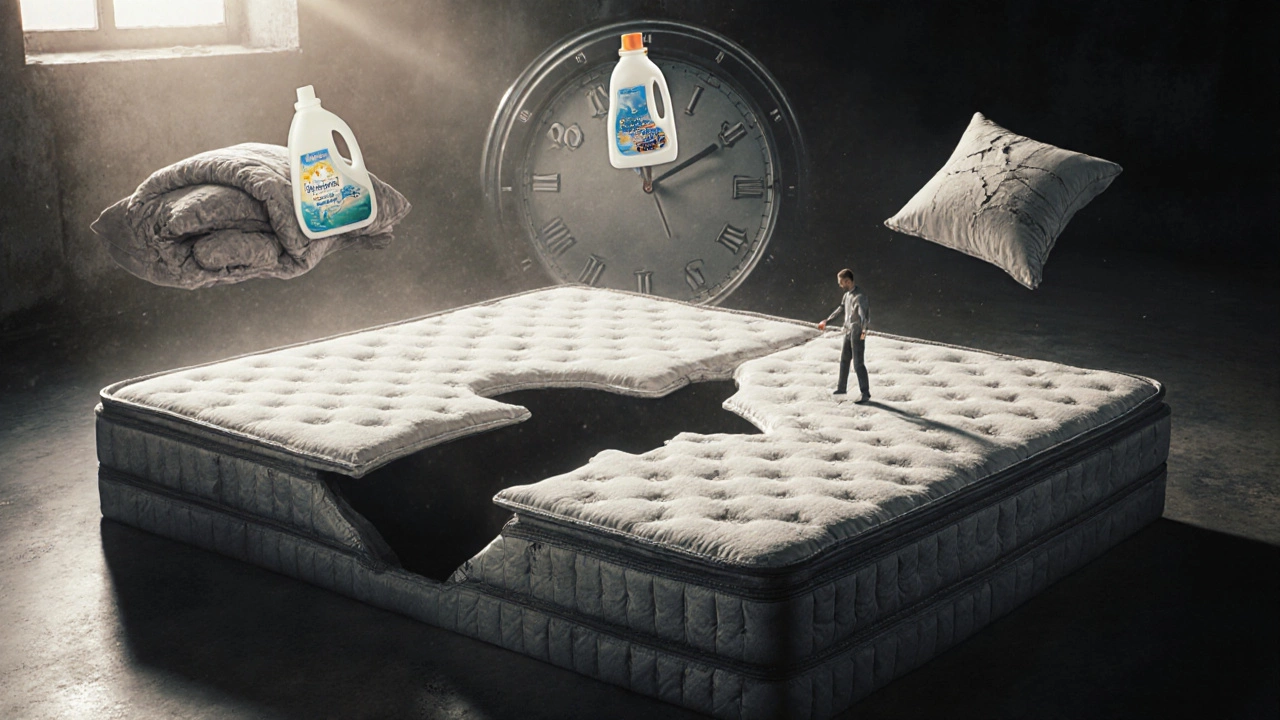
Fabric softener sounds nice. It makes things smell sweet and feel silky. But it’s terrible for bedding. It coats the fibers with a waxy residue. That blocks airflow. It reduces absorbency. Your sheets can’t pull sweat away anymore. They trap heat. Over time, they get stiff and noisy-like plastic. Even worse, the residue builds up on your mattress and pillow, attracting more dust mites. Skip the softener. Use vinegar in the rinse cycle instead. Half a cup neutralizes odors, softens fabric naturally, and doesn’t leave residue. Your skin will thank you.
Not Replacing Pillows Often Enough
Pillows don’t last forever. They lose shape. They collect allergens. They harbor bacteria. The average pillow should be replaced every 1-2 years. But most people keep theirs for five, sometimes ten. How do you know yours is done? Do the fold test. Fold your pillow in half. If it doesn’t spring back, it’s dead. Another sign: you wake up with allergies, congestion, or a stuffy nose. That’s not seasonal-it’s your pillow. Hypoallergenic pillows are worth the extra cost. Memory foam, latex, or down alternatives with washable covers are the best bets. Don’t wait until you’re sneezing all night.
Putting Electronics in Bed
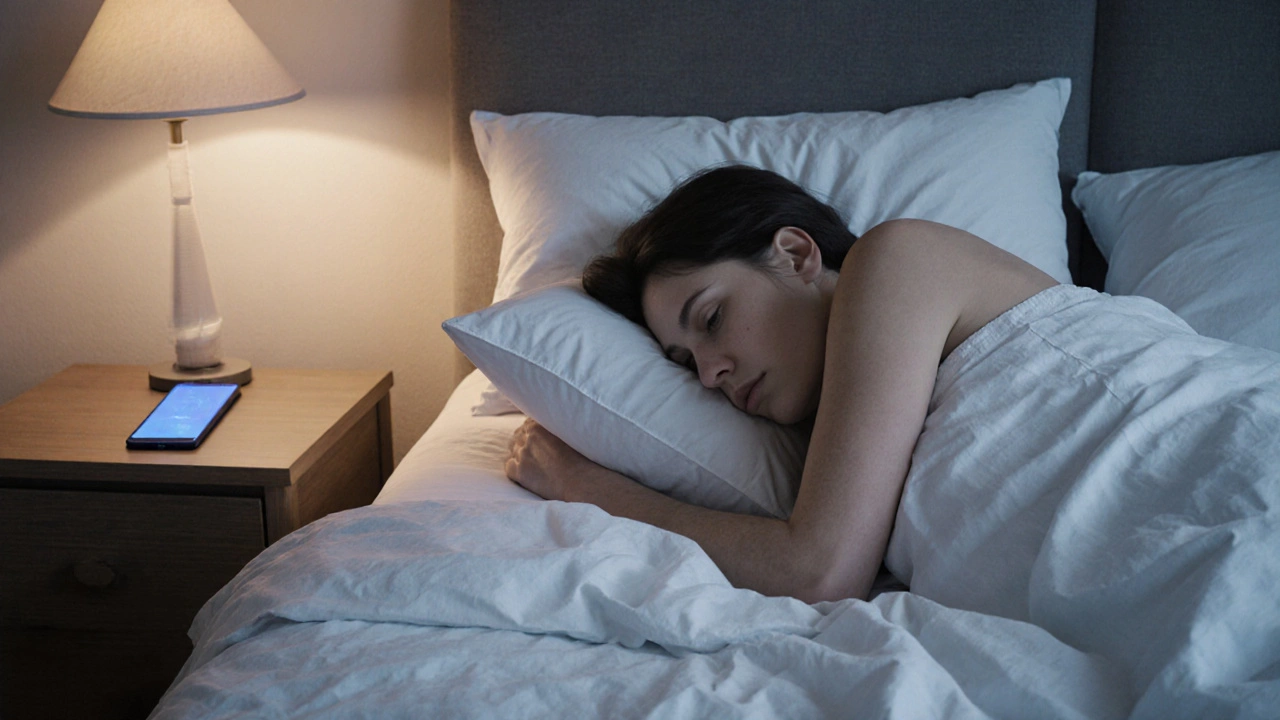
You scroll through your phone in bed. You charge it on the nightstand. You watch Netflix under the covers. All of it messes with your sleep. Blue light suppresses melatonin. The mental stimulation keeps your brain awake. And if you’re lying on your side with your phone under your pillow? That’s a fire hazard. Phones overheat. Batteries swell. There have been real cases of pillows catching fire from overheating phones. Even if you’re not at risk, the habit trains your brain to associate your bed with activity-not rest. Your bed should be for sleep and sex only. No screens. No work. No snacks. If you can’t break the habit, charge your phone outside the bedroom. It’s the single easiest way to improve sleep quality.
Ignoring the Smell
If your bedding smells musty, sour, or just “off,” don’t ignore it. That’s not just a bad odor. That’s a sign of mold, mildew, or bacterial growth. It happens when moisture gets trapped-especially if you sleep hot, sweat a lot, or live in a humid home. Wash everything. Dry it completely. Use a dehumidifier if needed. If the smell comes back after washing, your mattress might be the problem. Mattresses absorb moisture over time. If yours is over seven years old and smells bad, it’s time to replace it. No amount of washing will fix a ruined mattress.
What is the most common bedding mistake people make?
The most common mistake is using the wrong pillow for their sleep position. Side sleepers with flat pillows, back sleepers with too-high pillows, and stomach sleepers with thick pillows all create neck strain. This leads to chronic pain and poor sleep quality. Matching your pillow to how you sleep is more important than brand or price.
How often should I wash my bedding?
Wash sheets and pillowcases every week. If you sweat a lot, have allergies, or sleep with pets, wash them every 3-4 days. Mattress protectors should be washed monthly. Pillows can go every 3-6 months if they’re washable. Always use hot water (60°C or higher) to kill dust mites and bacteria.
Is thread count really important for sheets?
Yes, but only up to a point. Aim for 200-400 thread count made from long-staple cotton like Egyptian, Pima, or Supima. Anything above 600 is usually misleading-manufacturers twist multiple thin threads to inflate the number. Lower thread counts under 200 are flimsy and don’t last. Quality of the fiber matters more than the number.
Should I use fabric softener on my sheets?
No. Fabric softener coats fibers with a waxy residue that reduces breathability and absorbency. It traps heat and moisture, making sheets feel sticky and less comfortable over time. Use white vinegar in the rinse cycle instead-it softens naturally and removes odors without residue.
How do I know when it’s time to replace my mattress?
Signs include sagging, deep body impressions, waking up with pain, or a musty smell that won’t wash out. Most mattresses last 7-10 years. If yours is older than that and you’re not sleeping well, it’s time. Even if it looks fine, the support breaks down internally. Don’t wait until you’re in constant pain.
What to Do Next
Start with one thing. Pick the mistake that sounds most like yours. Change your pillow. Wash your sheets this week. Rotate your mattress. Don’t try to fix everything at once. Small changes add up. In three weeks, you’ll notice you’re falling asleep faster. You’ll wake up less. Your skin will feel better. Your back won’t ache. That’s not magic. That’s just good bedding.