What Is Considered Kitchenware? A Clear Guide to Everyday Kitchen Items
 Feb, 1 2026
When you walk into a kitchen, what do you see? Pots, spatulas, knives, mugs? Maybe a blender, a colander, or a wooden spoon. But here’s the question: which of these are actually considered kitchenware? It sounds simple, but the line between what counts and what doesn’t gets blurry fast. Some people think kitchenware is just pots and pans. Others throw in everything from napkin rings to electric kettles. So what’s the real definition?
What Exactly Is Kitchenware?
Kitchenware refers to any tool, container, or device used directly in food preparation, cooking, serving, or cleaning up after meals. It’s not just about the big appliances. It’s the everyday items you reach for without thinking - the ones that make cooking possible, faster, or cleaner.
Think of it this way: if you can’t do your job in the kitchen without it, it’s likely kitchenware. A whisk? Yes. A decorative vase on the counter? No. A cutting board? Yes. A framed photo of your family? No. The difference is function, not form.
Core Categories of Kitchenware
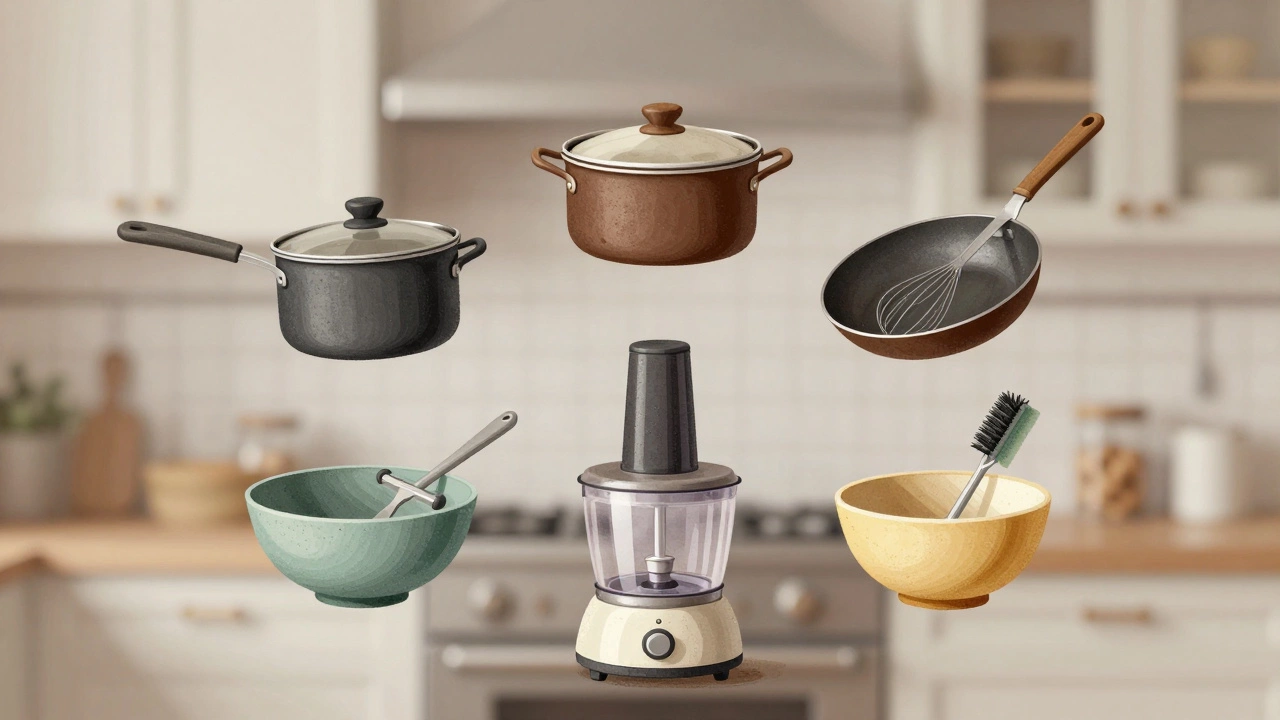
Kitchenware breaks down into five main groups. These aren’t just marketing labels - they’re practical divisions used by manufacturers, retailers, and professional chefs alike.
- Cooking vessels: Pots, pans, baking sheets, casseroles, Dutch ovens, steamers. These hold food while it’s being cooked over heat.
- Utensils: Spatulas, tongs, ladles, whisks, peelers, can openers, measuring spoons. These help you handle, mix, or portion food.
- Preparation tools: Cutting boards, knives, graters, mandolines, food processors, mixers. These change the form of ingredients before cooking.
- Storage and serving: Bowls, plates, mugs, serving trays, food containers, canisters, jars. These hold food before, during, or after meals.
- Cleaning and maintenance: Sponges, dish brushes, dish racks, scrubbers, dish soap dispensers. These keep the kitchen functional after use.
Notice anything missing? No TVs. No salt shakers (unless you’re using them for cooking). No decorative napkin holders. Those belong elsewhere. Kitchenware is about action, not decoration.
What’s Not Kitchenware?
There’s a long list of things people confuse with kitchenware. Let’s clear up the most common misunderstandings.
- Tableware: Plates, forks, knives, and spoons used at the table are tableware, not kitchenware. They’re for eating, not preparing. Even if they’re stored in the kitchen, their job happens after cooking.
- Appliances: Refrigerators, dishwashers, microwaves, and ovens are appliances. They’re big, plugged-in, and often permanent. Kitchenware is smaller, portable, and used manually.
- Decor: A ceramic bowl shaped like a fish? Pretty, but if it’s not holding food or being used to cook, it’s decor. Same goes for wall art, plants, or themed towels.
- Consumables: Salt, sugar, oil, spices - these are ingredients, not tools. You use them, but you don’t handle them with kitchenware.
- Drinkware: Wine glasses, coffee mugs, water bottles. These are part of drinkware, even if they live in the kitchen cabinet.
It’s easy to mix these up because they all live in the same room. But function defines category. A mug is kitchenware if you’re using it to boil water on the stove. But if you’re sipping coffee from it? That’s drinkware.
Why the Distinction Matters
Why bother splitting hairs between kitchenware and other items? Because it affects how you shop, organize, and even budget.
If you’re buying a new kitchen, you’ll want to know what counts as kitchenware so you don’t overspend on decor or forget essentials. A $150 set of stainless steel pots? That’s kitchenware. A $60 set of ceramic napkin rings? That’s not. Same budget, totally different outcomes.
Online stores like Amazon or IKEA sort items this way. If you search for "kitchenware," you’ll get spatulas and colanders - not picture frames or vases. Retailers rely on these categories to help you find what you need fast.
Even insurance claims get easier. If your kitchen floods and you file a claim, the adjuster will ask what was damaged. Kitchenware is often covered under household contents. Decor items? Maybe. But only if they’re listed separately.
What’s in a Typical Kiwi Kitchen?
Living in Auckland, I’ve seen how kitchens here vary. A small apartment kitchen might have just a saucepan, a knife, a chopping board, and a coffee maker. A family home? You’ll find a full set of pots, a stand mixer, a food processor, a set of measuring cups, and a drawer full of utensils.
But here’s what most New Zealand kitchens have in common: practicality. We don’t need 12 different types of spoons. One good wooden spoon, one metal spatula, and a pair of tongs do the job. We value items that last, not ones that look fancy.
That’s why a good set of stainless steel pots, a sharp chef’s knife, and a durable cutting board are the holy trinity of Kiwi kitchenware. They’re used daily, built to last, and often passed down.
What Should You Own?
You don’t need every kitchen gadget on the market. Start with the basics, then add as you cook more. Here’s what most people actually use:
- A large pot (for pasta, soups, boiling water)
- A medium frying pan (for eggs, pancakes, stir-fries)
- A chef’s knife (8-10 inches, sharp)
- A cutting board (wood or plastic, easy to clean)
- A wooden spoon and a spatula (heat-resistant, non-scratch)
- A colander (for draining pasta or washing veggies)
- A measuring cup and spoons
- A whisk (for eggs, sauces, baking)
- A can opener
- A dish rack or drying mat
That’s it. Ten items. That’s all you need to make most meals. Everything else is nice to have - not essential.
Once you’re comfortable with those, you can add things like a slow cooker, a blender, or a mandoline. But don’t buy them because they’re trendy. Buy them because you use them.
How to Spot Quality Kitchenware
Not all kitchenware is made the same. A cheap spatula might melt. A flimsy pot might warp. Here’s what to look for:
- Material: Stainless steel, cast iron, and silicone are durable. Avoid plastic that bends easily or thin aluminum that scratches.
- Weight: Good pots and pans feel solid, not light and hollow. Heavier often means better heat distribution.
- Handles: Should stay cool, be securely attached, and fit your hand. No wobbly rivets.
- Non-stick coatings: If you buy non-stick, check if it’s PFOA-free and rated for high heat. Many cheap ones peel after six months.
- Brand reputation: Brands like All-Clad, Tefal, or local NZ brands like KitchenAid (available here) have proven track records.
Don’t fall for flashy colors or fancy names. Look at the construction. A $30 knife that holds an edge for years beats a $100 one that dulls in a month.
Where Does Kitchenware Fit in Your Home?
Kitchenware should be easy to reach, not buried in a drawer. Keep your most-used items within arm’s reach: your knife, cutting board, and main pots near the stove. Store utensils in a crock or magnetic strip. Hang pots if you have space.
Use clear containers for dry goods. Label them. Keep cleaning tools near the sink. Organizing your kitchenware this way cuts prep time and makes cooking less stressful.
And here’s a tip: don’t store kitchenware in the pantry unless it’s for storage (like jars or containers). Pots and pans belong in cabinets near the stove - not next to cereal boxes.
Final Thought: Kitchenware Is About Use, Not Possession
At the end of the day, kitchenware isn’t about how many things you own. It’s about what helps you make food, safely and easily. A single good knife and one pot can feed a family for years. A closet full of gadgets that sit unused? That’s just clutter.
Focus on function. Choose items that feel right in your hand. Use them often. Clean them well. And don’t buy anything just because it looks good on Instagram. Real kitchenware doesn’t need to be photogenic - it just needs to work.
Is a microwave considered kitchenware?
No, a microwave is an appliance, not kitchenware. Kitchenware refers to handheld or manual tools used for food prep, cooking, or cleaning. Appliances are larger, electric, and usually built-in or permanently plugged in. Microwaves, ovens, and fridges fall under appliances.
Are plates and bowls kitchenware?
No, plates and bowls are tableware. They’re used for serving and eating food, not preparing it. Even if you store them in the kitchen, their function happens after cooking. Kitchenware includes the pots you cook in and the utensils you stir with - not the dishes you eat from.
What’s the difference between kitchenware and cookware?
Cookware is a subset of kitchenware. Cookware refers specifically to pots, pans, baking dishes, and other items used for heating food. Kitchenware is broader - it includes cookware, plus utensils, prep tools, storage containers, and cleaning supplies. So all cookware is kitchenware, but not all kitchenware is cookware.
Do I need a food processor to be considered a good cook?
No. Many great cooks never use a food processor. You can chop, grate, and mix by hand. A food processor saves time, but it’s not essential. Focus on mastering basic tools first - a sharp knife and a good cutting board will get you further than any gadget.
Can kitchenware be decorative?
Yes, but only if it still works. A beautifully glazed ceramic bowl that you also use to serve salad? That’s kitchenware. A decorative bowl that sits on the counter and never touches food? That’s decor. Function comes first. Beauty is a bonus.
Are wooden spoons better than metal ones?
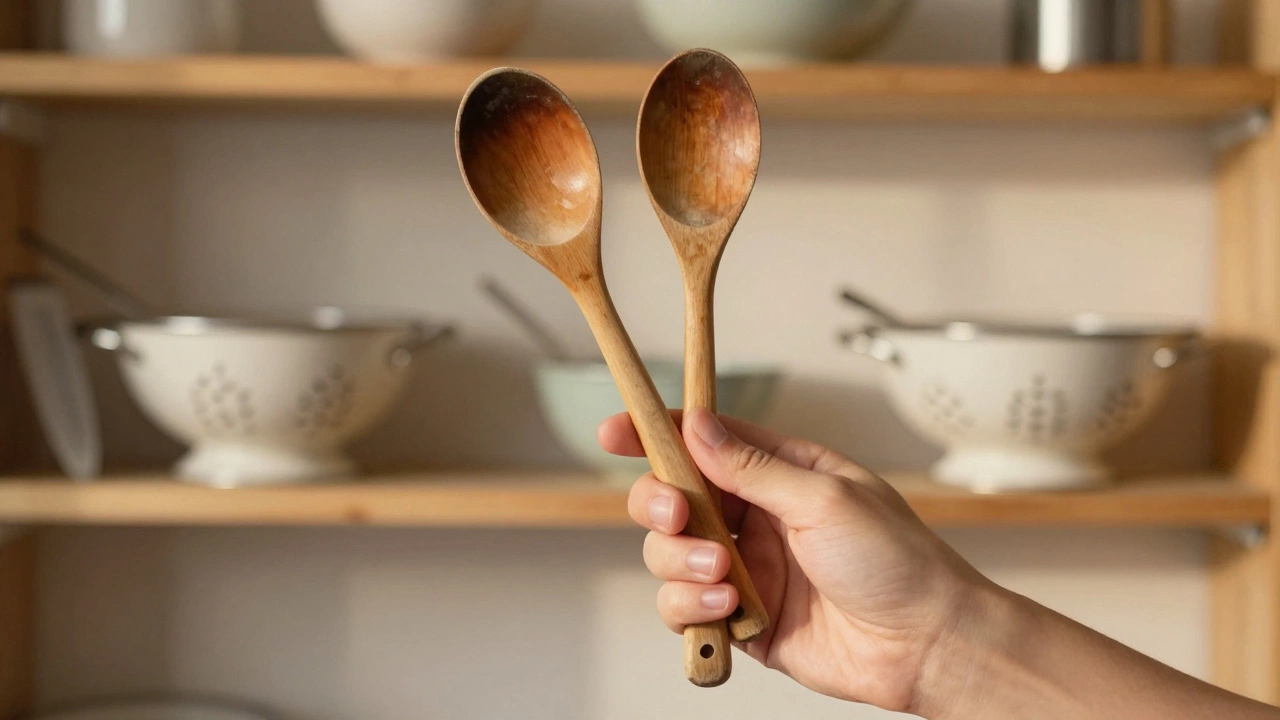
It depends. Wooden spoons are gentle on non-stick pans and don’t conduct heat, so they’re great for stirring sauces. Metal spoons are more durable and better for scraping pans or flipping food. Many cooks keep both. The best choice is the one that works for your pots and your style.
How often should I replace my kitchenware?
Replace kitchenware when it stops working, not when it looks old. A knife should be sharpened, not thrown out. A pot with a warped base? Replace it. A non-stick pan with peeling coating? Replace it. Wooden spoons can last 10+ years if cared for. Don’t replace things on a schedule - replace them when they fail you.