What Is Slang Bedding? Decoding the Trend
 Oct, 22 2026
Slang Bedding Quality Checker
Not all "slang" bedding is created equal. Use this tool to spot high-quality synthetics before you buy.
You are scrolling through a marketplace or a social media feed, looking for new bed sheets that feel like hotel luxury but don't cost a fortune. You spot a listing titled "Slang Bedding." It sounds trendy, maybe even exclusive. But when you click it, you're met with generic polyester sets at suspiciously low prices. What gives?
Here is the truth: "Slang" isn't a brand, a fabric type, or a weaving technique. It is a marketing label used primarily in e-commerce to describe budget-friendly, mass-produced bedding made from synthetic materials, usually microfiber or brushed polyester. If you have ever wondered why your $15 sheet set feels slippery and doesn't breathe like cotton, you likely bought slang bedding. This guide breaks down what these sheets actually are, how they differ from traditional fabrics, and whether they deserve a spot in your linen closet.
The Origin of the Term
Why call it "slang"? The term emerged from dropshipping and fast-fashion retail sectors, particularly on platforms like AliExpress, Temu, and Amazon. Sellers needed a way to categorize vast inventories of unbranded, low-cost linens without claiming false prestige. By labeling them "slang," retailers signaled two things to consumers: first, the product was cheap; second, it was modern enough for younger demographics who prioritize aesthetics over material heritage.
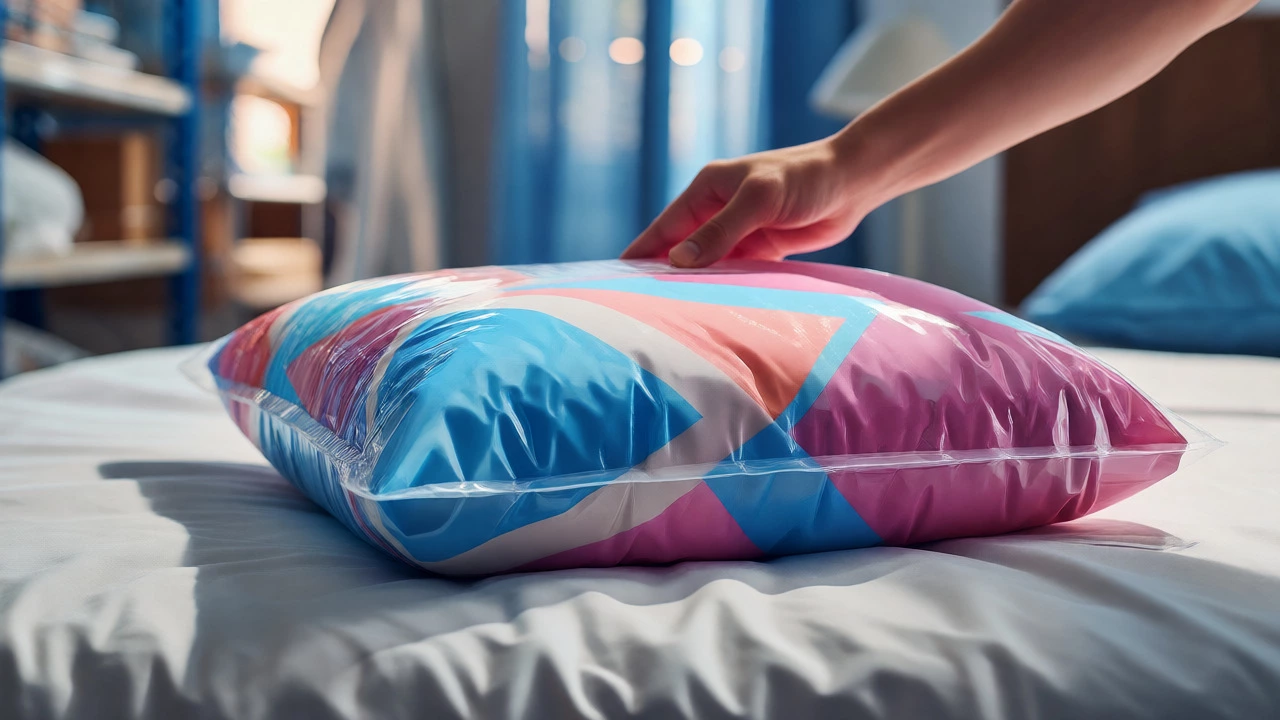
In this context, slang functions as a euphemism for "generic." It strips away the expectation of high-thread-count Egyptian cotton or organic bamboo. Instead, it promises visual appeal-think pastel colors, marble prints, or geometric patterns-at a price point that encourages impulse buys. When you search for slang bedding, you aren't looking for artisanal craftsmanship; you are looking for volume and variety.
Material Breakdown: What Are These Sheets Made Of?
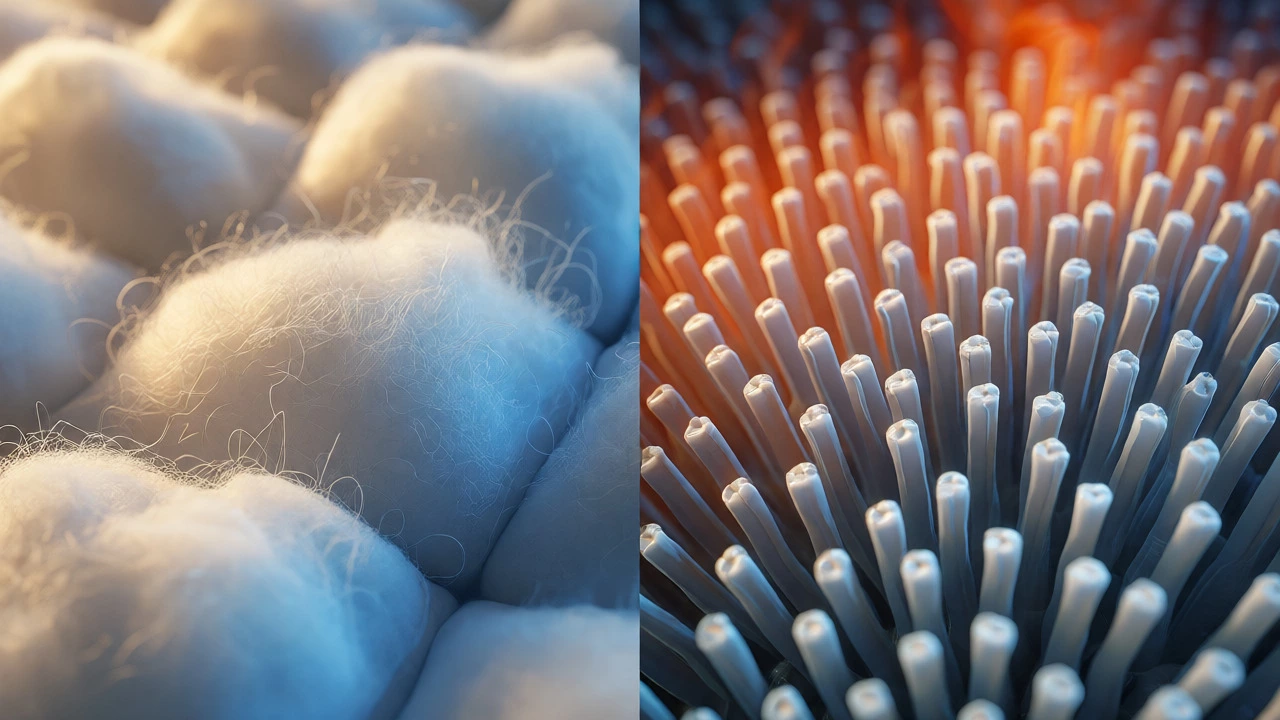
To understand slang bedding, you must look at the fiber content. Unlike traditional bedding, which relies on natural fibers like cotton, linen, or silk, slang products almost exclusively use synthetics. The most common material is microfiber, a synthetic fabric made from ultra-fine threads of polyester or nylon. Microfiber is incredibly thin-often thinner than human hair-which allows manufacturers to weave dense fabrics that feel soft to the touch initially.
Another frequent material is brushed polyester. During manufacturing, the fabric passes through fine wire brushes that raise tiny fibers from the surface. This creates a fuzzy, flannel-like texture known as "brushed finish." While this feels cozy in cold weather, it lacks the moisture-wicking properties of natural fibers. You might wake up sweaty because polyester traps heat rather than releasing it.
Some listings mention "bamboo viscose" or "rayon." Be careful here. While bamboo is a natural plant, turning it into fabric requires heavy chemical processing. In slang bedding, bamboo blends are often mixed with polyester to cut costs. Always check the tag. If it says "60% Polyester, 40% Rayon," you are mostly buying plastic.
Pros and Cons of Synthetic Linens
Should you buy them? It depends on your priorities. Slang bedding offers distinct advantages for certain users, but significant drawbacks for others. Let's weigh the trade-offs.
| Feature | Slang Bedding (Microfiber/Polyester) | Traditional Cotton |
|---|---|---|
| Price | $10-$30 per set | $50-$200+ per set |
| Durability | High resistance to wrinkles and shrinking | Wears out faster; prone to pilling if low quality |
| Breathability | Low; traps heat and moisture | High; allows air circulation |
| Care | Machine washable; dries quickly; no ironing needed | Requires careful washing; may need ironing |
| Feel | Silky-smooth initially; can feel static-y | Crisp or soft depending on weave; improves with age |
| Eco-Impact | Microplastics shed during washing; non-biodegradable | Biodegradable; lower carbon footprint if organic |
The biggest win for slang bedding is convenience. You throw them in the washer, dry them on high heat, and pull them out wrinkle-free. For college students, renters, or parents of young kids who deal with frequent accidents, this ease of care is invaluable. They also come in wild patterns and colors that would be expensive to print on high-end cotton.
However, the comfort factor is subjective. Many people find microfiber too slippery. If you toss and turn, your fitted sheet might slide off the mattress corners. Additionally, static electricity builds up easily in dry climates, causing your hair to stand on end when you climb into bed. And let's talk about hygiene: synthetic fibers harbor bacteria and odors more readily than cotton, meaning you may need to wash them more frequently.
How to Spot Quality in Budget Linens
Not all slang bedding is created equal. Some microfiber sets last five years; others fall apart after three washes. How do you tell the difference before buying? Ignore the "thread count" claims. Thread count is a metric designed for cotton. A microfiber sheet might claim 1800 thread count, but that number is meaningless because the fibers are so thin. Instead, focus on GSM (grams per square meter).
GSM measures density. Look for sets labeled between 90 and 120 GSM. Anything below 90 will feel paper-thin and tear easily. Above 120, the fabric becomes heavy and less breathable, defeating the purpose of lightweight synthetics. Also, check the stitching. Double-stitched hems prevent unraveling. If the edges look single-threaded, expect fraying within months.
Colorfastness is another critical factor. Cheap dyes bleed. Before putting new slang sheets on your bed, wash them separately in cold water with a cup of white vinegar. This helps set the dye and removes any chemical smells from manufacturing. If the water turns dark blue or red immediately, return the product.
Who Should Buy Slang Bedding?
This category fits specific lifestyles perfectly. If you live in a hot climate and sleep in an air-conditioned room, the lack of breathability matters less. If you are furnishing a guest room that gets used twice a year, spending $150 on linen is unnecessary. Slang bedding provides a clean, modern look for minimal investment.
Conversely, avoid these sheets if you suffer from night sweats, menopause-related hot flashes, or allergies. Dust mites thrive in synthetic fibers, and the lack of airflow creates a humid microclimate perfect for allergens. If you have sensitive skin, the chemicals used in polyester production can cause contact dermatitis. Stick to natural fibers in those cases.
Caring for Your Synthetic Sheets
Extending the life of slang bedding requires specific habits. Never use fabric softener. It coats the fibers with wax, reducing their ability to wick moisture and making them feel greasy over time. Use half the recommended amount of detergent instead. Hot water can melt or warp synthetic fibers, so stick to warm or cold cycles.
Tumble drying is where many people ruin their sheets. High heat causes microfibers to break down, leading to pilling (those little balls of fuzz). Dry on low heat and remove the sheets while slightly damp. Hang them up to finish drying. This prevents deep wrinkles and saves energy. If you must iron, use the lowest setting and place a cloth between the iron and the sheet.
Environmental Considerations
We cannot ignore the ecological footprint. Washing synthetic bedding releases microplastics into waterways. A single load can release thousands of microscopic plastic particles. To mitigate this, consider using a laundry bag designed to catch microfibers, such as Guppyfriend bags. Alternatively, install a microfiber filter on your washing machine drain hose.
When the sheets finally wear out, they rarely decompose. Check local recycling programs for textile recovery. Some organizations accept polyester blends for industrial rags or insulation material. Do not just toss them in the trash if you want to minimize waste.
Is slang bedding the same as microfiber?
Yes, in most retail contexts, "slang bedding" refers to microfiber or brushed polyester sheets. The term "slang" is a marketing descriptor for unbranded, low-cost synthetic linens, while "microfiber" describes the actual technical composition of the fabric.
Do slang sheets shrink in the wash?
Generally, no. Synthetic fibers like polyester are dimensionally stable and resist shrinking much better than cotton or linen. However, extreme heat in the dryer can cause warping or melting, so always follow care labels.
Are slang bedsheets good for summer?
It depends on your tolerance for heat. Microfiber does not breathe well, which can make you feel hotter in humid summer conditions. If you sleep in a heavily air-conditioned room, they are acceptable. For natural ventilation, cotton or linen is superior.
How long do slang bedding sets last?
With proper care, a decent quality microfiber set lasts 2 to 3 years. Lower-quality versions may pill or tear within 6 months. Durability correlates directly with GSM density and stitching quality.
Can I mix slang sheets with other brands?
Yes, provided the dimensions match standard sizes (Twin, Queen, King). Note that slang sets sometimes run slightly smaller due to manufacturing tolerances. Measure your mattress depth before purchasing fitted sheets to ensure a snug fit.