What is Tableware and Kitchenware? A Clear Guide to the Difference
 Sep, 27 2026
Kitchenware vs. Tableware Guide & Quiz
Focus: Durability, Heat Resistance, Functionality
Focus: Aesthetics, Weight Balance, Mouth Safety
Question 1: Which category prioritizes heat resistance and durability over aesthetics?
Question 2: Why is Bone China considered more fragile than Stoneware?
Question 3: What is the primary risk of using non-stick pans at very high temperatures (>260°C)?
You’re standing in a department store, staring at two aisles that look suspiciously similar. On one side, there are shiny pots, pans, and blenders. On the other, you see plates, forks, and wine glasses. You need both for your new apartment, but do you actually know what separates tableware from kitchenware? It’s not just about where they sit on your shelf. One set helps you cook the meal; the other helps you eat it.
Confusing these categories leads to bad purchases. You might buy a beautiful ceramic bowl thinking it’s safe for the oven, only to crack it during Sunday roast prep. Or you might grab a heavy cast-iron skillet for serving, ruining the presentation of your risotto. Understanding the distinct roles, materials, and care requirements of each category saves you money and frustration. Let’s break down exactly what belongs in each bucket so you can build a functional, stylish home setup without second-guessing every purchase.
Defining the Core Concepts
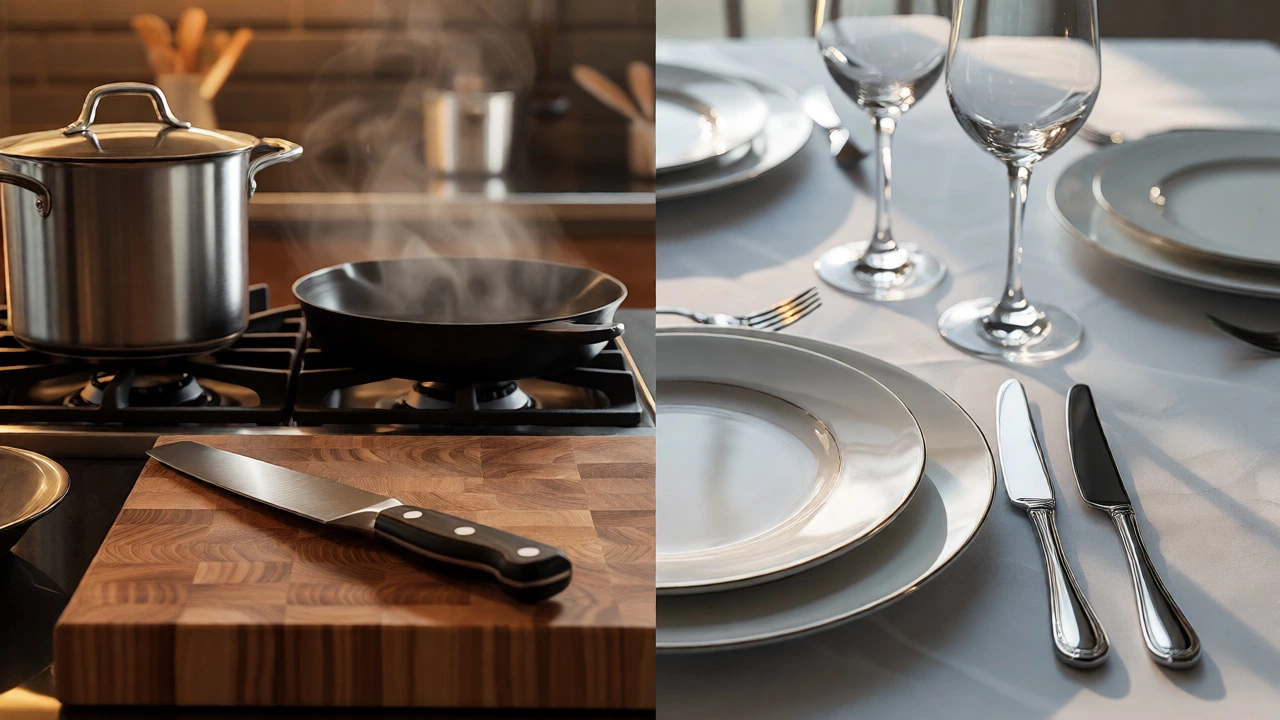
At its simplest level, the distinction comes down to function. Kitchenware is any tool or equipment used for the preparation, cooking, and storage of food. Think of it as the "backstage crew" of your culinary operations. It includes everything from the spatula you use to flip pancakes to the fridge that keeps your milk fresh.
Tableware, by contrast, is the collection of dishes, cutlery, and glassware used for setting the table and serving food to guests. This is the "front-of-house" experience. If kitchenware gets dirty during the process, tableware stays relatively clean (until you eat). The line blurs slightly with items like serving platters, which are technically tableware but often stored in kitchen cabinets, but the primary intent remains clear: one cooks, the other serves.
This functional divide dictates how manufacturers design these products. Kitchenware prioritizes durability, heat resistance, and ergonomics for handling hot, messy ingredients. Tableware prioritizes aesthetics, weight balance, and material safety for direct mouth contact. Knowing this helps you shop smarter. You don’t need a diamond-coated non-stick surface on a dinner plate, and you don’t need delicate porcelain handles on a mixing spoon.
The Kitchenware Ecosystem: Tools That Do the Work
Kitchenware is vast. It encompasses everything involved in transforming raw ingredients into finished meals. We can split this into three main sub-categories: cooking vessels, preparation tools, and storage solutions.
Cooking vessels include pots, pans, bakeware, and appliances like air fryers or slow cookers. These items face extreme conditions. A good frying pan needs to withstand temperatures upwards of 260°C (500°F) without warping or releasing toxic fumes. Materials here matter most. Stainless steel offers longevity and even heating. Cast iron retains heat beautifully for searing steaks. Non-stick coatings provide convenience but have a shorter lifespan, typically lasting 3-5 years depending on usage frequency.
Preparation tools cover knives, cutting boards, peelers, graters, and measuring cups. This is where precision meets daily wear. A chef’s knife isn’t just a sharp object; it’s an extension of your hand. High-carbon stainless steel blades hold an edge longer than softer alloys, reducing the effort needed to chop onions without crying. Cutting boards made from end-grain wood self-heal after knife cuts, preventing deep grooves where bacteria hide.
Storage solutions bridge the gap between kitchen and pantry. Glass containers with silicone lids keep leftovers visible and leak-proof. Vacuum-sealed bags extend the life of meats and cheeses. Unlike tableware, storage items must prioritize seal integrity and stackability over visual appeal. You rarely show off your Tupperware to guests, so functionality wins every time.
The Tableware Realm: Presentation and Experience
If kitchenware is about efficiency, tableware is about experience. It sets the tone for your meal. A casual Tuesday night dinner looks different from a holiday feast, and your choice of tableware reflects that.
Dinnerware forms the base layer. Plates, bowls, and mugs come in various materials, each with distinct properties. Porcelain is dense, white, and chip-resistant, making it ideal for everyday use. Stoneware is thicker, earthier, and often glazed, offering a rustic charm while retaining heat well for soups. Bone china contains animal ash, giving it a translucent, lightweight feel perfect for formal occasions, though it requires more careful handling.
Flatware, or cutlery, includes forks, knives, and spoons. Material choice here affects both health and maintenance. Stainless steel grades vary significantly. Grade 18/10 (18% chromium, 10% nickel) resists rust and corrosion best, keeping your fork shiny after hundreds of dishwasher cycles. Lower grades like 18/0 may develop spots over time. Weight also plays a role; heavier flatware feels substantial and luxurious, while lighter options suit children or quick snacks.
Glassware completes the setting. Wine glasses, water tumblers, and cocktail flutes are designed to enhance aroma and taste. Crystal glassware, containing lead or alternative minerals, refracts light beautifully and has a delicate rim that improves the drinking experience. However, crystal is fragile and often hand-wash only. Tempered glass, like Pyrex or Duralex, offers durability for everyday hydration but lacks the elegance of fine crystal.
Where the Lines Blur: Serving Ware and Hybrid Items
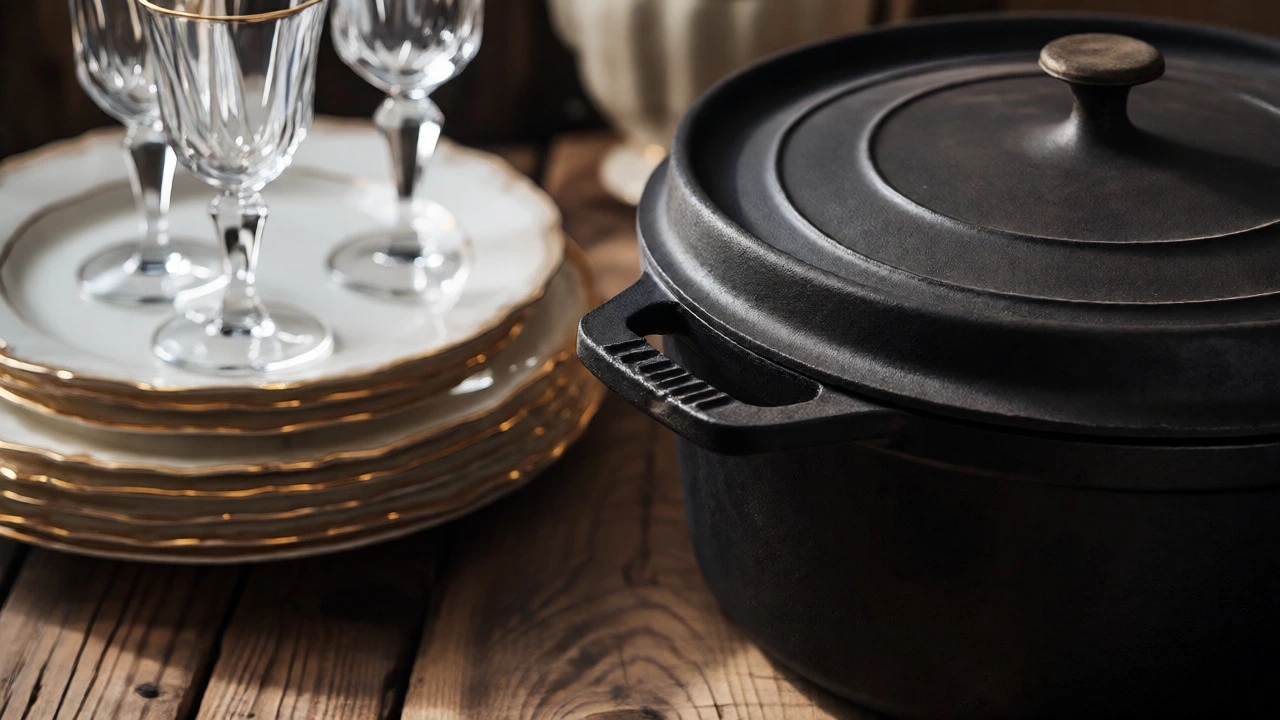
Not every item fits neatly into one box. Serving ware occupies a gray area. Large platters, soup tureens, and salad bowls are technically tableware because they present food to diners. Yet, they often go directly from the stove or oven to the table, requiring them to share traits with kitchenware, such as thermal shock resistance.
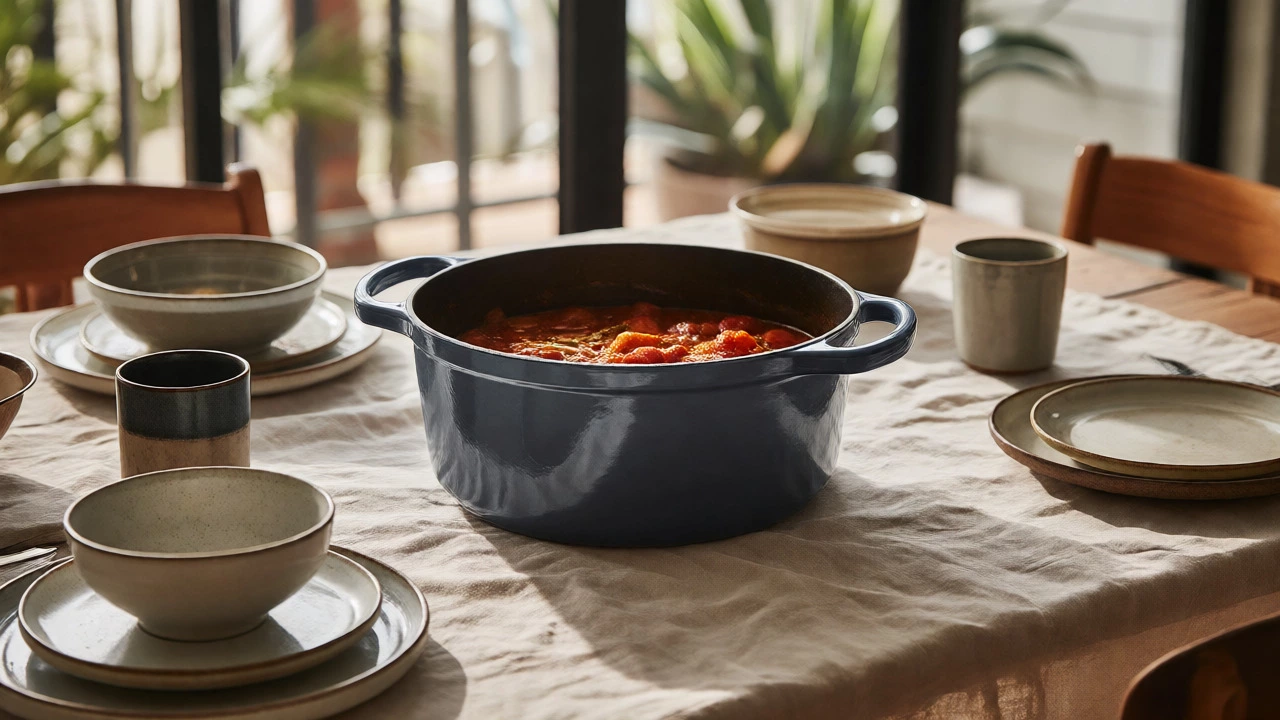
Consider a cast-iron Dutch oven. You use it to braise chicken (kitchenware function), then bring it straight to the table for serving (tableware function). Brands like Le Creuset capitalize on this hybrid nature, designing cookware that doubles as centerpiece-worthy serveware. When buying these hybrids, check two things: Is the exterior finish scratch-resistant enough for table surfaces? Can the handle stay cool enough to touch without an oven mitt?
Another common confusion involves utensils. Salad servers and cake stands are tableware. Ladles and spatulas are kitchenware. But some items, like butter knives or serving spoons, cross over. The rule of thumb: if it touches the food before it reaches the diner’s plate, it’s likely kitchenware. If it sits on the table and interacts with the guest, it’s tableware.
Material Science: What You’re Actually Buying
Understanding materials prevents costly mistakes. Here’s a breakdown of common substances used in both categories and their specific behaviors.
| Material | Best For | Durability Rating | Maintenance Needs | Cost Range |
|---|---|---|---|---|
| Stainless Steel | Pots, Pans, Flatware | High | Dishwasher Safe | $ - $$$ |
| Cast Iron | Skillets, Griddles | Very High | Seasoning Required | $$ - $$$ |
| Porcelain | Dinner Plates, Mugs | Medium-High | Dishwasher Safe | $ - $$ |
| Bone China | Fine Dining Sets | Low-Medium | Hand Wash Preferred | $$$ - $$$$ |
| Non-Stick Coating | Frying Pans, Bakeware | Low | No Metal Utensils | $ - $$ |
| Crystal | Wine Glasses, Decanters | Low | Hand Wash Only | $$$ |
Notice the pattern? Kitchenware materials tend toward high durability and heat tolerance. Tableware materials lean toward aesthetic quality and tactile comfort. Mixing them up causes issues. Using a bone china plate under a broiler will shatter it. Using a rough, unpolished cast iron pot as a serving dish might scratch your wooden table.
Building Your Collection: Practical Advice
You don’t need to buy everything at once. Start with the essentials that serve multiple purposes. For kitchenware, invest in a high-quality chef’s knife, a versatile stainless steel skillet, and a reliable baking sheet. These three items handle 80% of home cooking tasks. Skip the gadget graveyard-the avocado slicer or egg separator-unless you use them weekly.
For tableware, start with a neutral, mix-and-matchable base. White porcelain plates go with any decor. Buy four place settings initially, expanding to eight as you host more. Add personality through accessories rather than core pieces. A colorful runner or unique napkin rings change the vibe without requiring a full set replacement.
Consider your lifestyle. Do you cook elaborate meals five nights a week? Prioritize premium cookware. Do you mostly reheat takeout? Focus on durable, microwave-safe tableware and simple prep tools. In Auckland, where outdoor living is popular, consider weather-resistant melamine or bamboo tableware for alfresco dining. They won’t shatter if dropped on concrete, unlike traditional ceramics.
Care and Longevity: Keeping Your Gear Alive
Proper care extends the life of both categories significantly. Kitchenware suffers from thermal shock and abrasive cleaning. Never plunge a hot cast-iron pan into cold water; let it cool first to prevent cracking. Avoid steel wool on non-stick surfaces; it strips the coating within months. Hand-washing high-end knives preserves the blade edge better than the harsh detergents and high heat of a dishwasher.
Tableware faces different threats: staining and chipping. Turmeric and tomato-based sauces stain porous stoneware. Soak stained dishes in a baking soda paste overnight to lift discoloration. Stack plates carefully with felt separators to prevent micro-scratches on glazes. For crystal, avoid lemon juice or acidic cleaners near the stem, as they can etch the glass over time.
Storage matters too. Don’t nest pots and pans tightly without protective liners; metal-on-metal contact causes scratches. Hang knives on a magnetic strip instead of tossing them in a drawer, where they knock against other tools and dull quickly. Keep tableware upright in cupboards to minimize stress points on rims.
Common Myths Debunked
Let’s clear up some persistent misconceptions. First, "non-stick is always safer." Not necessarily. Older non-stick coatings contained PFOA, linked to health concerns. Modern PTFE coatings are generally safe below 260°C, but overheating releases fumes harmful to birds and humans alike. Always use medium heat with non-stick pans.
Second, "expensive tableware breaks easier." While bone china is fragile, high-quality stoneware is incredibly tough. Price often reflects brand prestige or artistic value, not necessarily fragility. Conversely, cheap thin plastic tableware cracks easily and absorbs odors. Look for density and weight as indicators of quality in ceramics.
Third, "all stainless steel is equal." False. The grade matters. As mentioned, 18/10 resists rust far better than 18/0. Check the bottom of your pots for markings. If it says "18/0," expect occasional spotting. If it says "18/10," you’re getting superior corrosion resistance.
Frequently Asked Questions
Can I use kitchenware as tableware?
Yes, but with caution. Many modern kitchen items, like enameled cast iron pots or copper-bottom pans, are designed to go from stove to table. However, ensure the exterior is clean and won't scratch your dining surface. Also, check that handles remain cool enough to touch or provide trivets. Raw aluminum or scratched non-stick pans usually look too industrial for the table.
What is the most durable material for everyday tableware?
Vitrified porcelain and reinforced stoneware offer the best balance of durability and aesthetics for daily use. They resist chipping better than bone china and are generally dishwasher and microwave safe. Melamine is virtually unbreakable and great for outdoors or kids, but it cannot be microwaved and may scratch over time.
How many pieces of flatware do I need per person?
Standard place settings include a dinner fork, salad fork, dinner knife, teaspoon, and tablespoon. For a basic household, aim for at least four complete settings. If you host frequently, consider having two sets-one for everyday use (stainless steel) and one for special occasions (silver-plated or higher-grade steel).
Is stainless steel kitchenware better than non-stick?
It depends on the task. Stainless steel is more durable, can handle high heat, and creates fond (browned bits) for sauces. Non-stick is easier to clean and requires less fat for eggs or fish. Ideally, own both: a stainless steel pan for searing meats and a non-stick pan for delicate items. Neither is universally "better."
Why does my silverware tarnish?
Tarnishing occurs when silver reacts with sulfur compounds in the air or certain foods (like eggs or mustard). Stainless steel resists tarnish due to its chromium content, forming a passive oxide layer. To prevent tarnish on silver-plated items, store them in anti-tarnish cloth pouches and wash promptly after use.