What Is the Best Filling for Sofa Seat Cushions? Top Choices Compared
 Dec, 14 2025
Cushion Longevity Calculator
Find out how long your sofa cushions will last with the right filling. Based on professional furniture engineering standards.
Estimated Lifespan
Based on professional furniture engineering standards
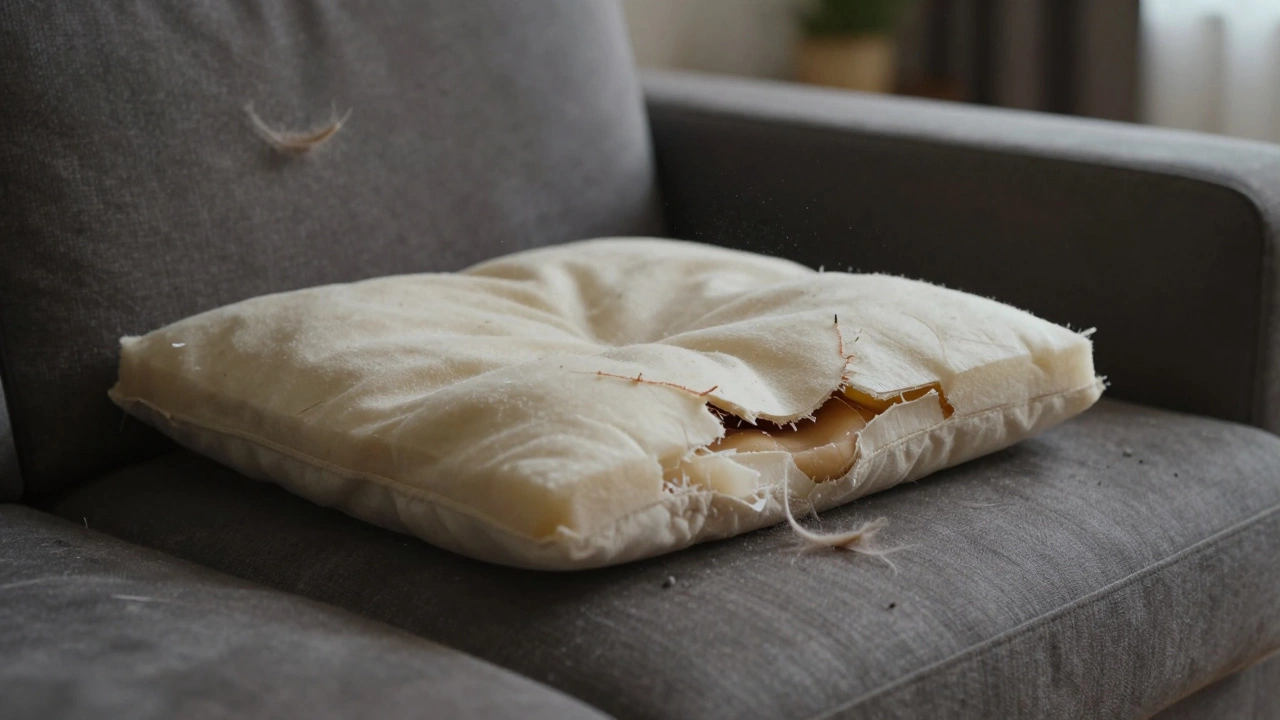
Ever sat down on your sofa only to feel like you’re sinking into a deflated balloon? Or maybe your cushions have gone flat after just a year, and you’re tired of fluffing them every morning. The problem isn’t your sofa frame-it’s the filling inside the seat cushions. What’s inside matters more than you think. The right filling can turn a mediocre sofa into a daily comfort zone. The wrong one? It’ll sag, flatten, and lose its shape long before your budget allows for a replacement.
Why Cushion Filling Matters More Than You Think
Most people focus on fabric, color, or style when buying a sofa. But the filling is what you actually sit on-every single day. A good cushion should support your hips and lower back, bounce back after you stand up, and last for years without turning into a pancake. Cheap fillings like low-density foam or polyester fiber won’t do that. They collapse under weight, trap heat, and don’t breathe. Over time, they lose their structure and leave you sitting on hard frame edges.
According to furniture engineers in New Zealand and the UK, the average sofa cushion loses 40% of its resilience within 18 months if filled with anything below 25 kg/m³ density foam. That’s why some sofas feel great in the store but turn into lumps at home. The answer isn’t just buying expensive sofas. It’s knowing what’s inside them.
Top 5 Filling Types for Sofa Seat Cushions
Not all fillings are created equal. Here are the five most common types used today-and how they really perform in real homes.
- High-Density Foam (25-40 kg/m³): This is the gold standard for durability. It holds its shape, supports weight evenly, and lasts 7-10 years. Most high-end sofas use this as a base. It’s firm but not hard, and it doesn’t compress into a flat surface. The downside? It can feel too rigid if used alone.
- Memory Foam: Popular in mattresses, memory foam molds to your body and relieves pressure points. Great for people with back pain. But on a sofa? It heats up fast, doesn’t bounce back quickly, and can feel sticky in warm rooms. Best mixed with other materials.
- Down and Feather Blend: Soft, luxurious, and cloud-like. Perfect if you love sinking into your couch. But it needs constant fluffing, compresses quickly under weight, and doesn’t offer much support. Not ideal for daily use or heavier users. Also, it can trigger allergies.
- Polyester Fiber (Polyfill): Cheap, lightweight, and widely used in budget sofas. Feels soft at first, but flattens within months. You’ll need to replace cushions every 2-3 years. Avoid unless you’re on a tight budget and plan to replace often.
- Hybrid Foam + Down: The smart middle ground. A core of high-density foam provides structure, wrapped in a layer of down or feather for softness. This combo gives you support without the stiffness, and softness without the collapse. Most designers and furniture makers in Auckland recommend this for families and everyday use.
What Professionals Use in High-Quality Sofas
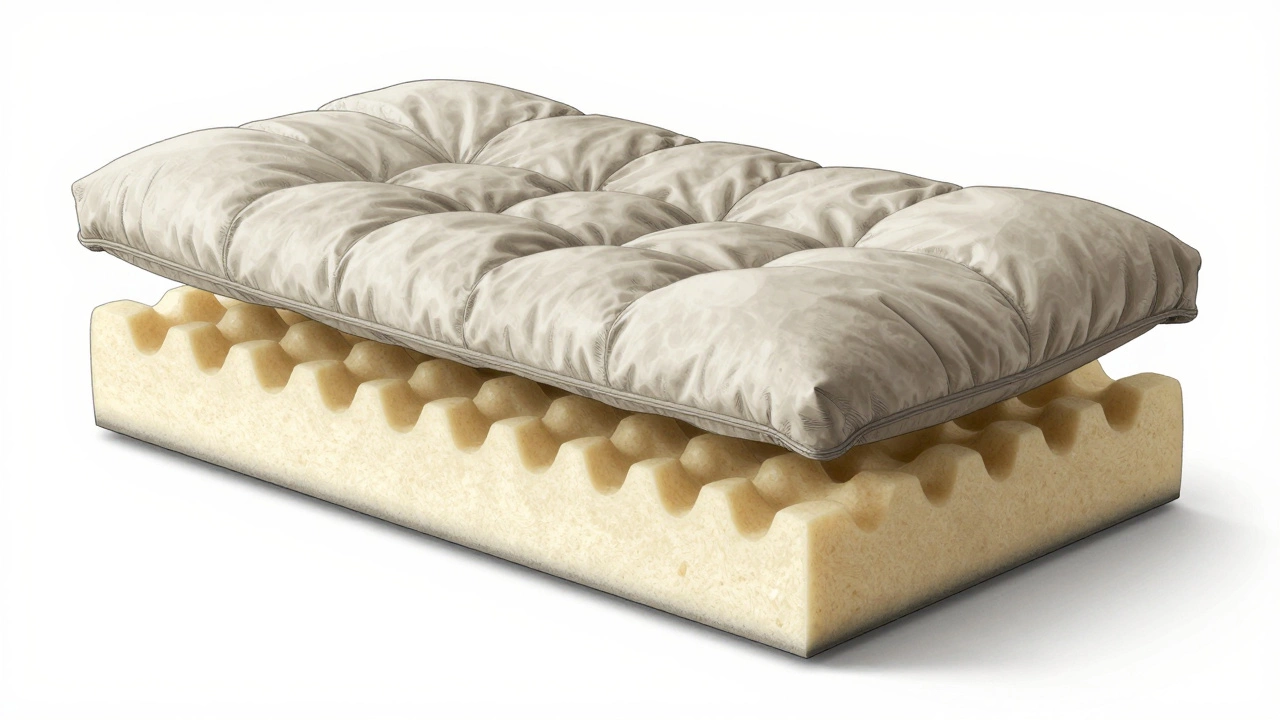
When you walk into a showroom in Ponsonby or Parnell, the sofas that feel amazing? They’re not just expensive fabric. They’re built with layered fillings. A typical premium cushion has:
- A base of 30 kg/m³ high-density foam (about 4 inches thick)
- A middle layer of convoluted foam (egg-crate style) for airflow and extra cushioning
- An outer wrap of down or synthetic fiber for that plush feel
This setup gives you three things: support, comfort, and longevity. Brands like Kartell, BoConcept, and even local NZ makers like The Couch Company use this formula. You can replicate it by replacing your old cushions with a custom-made hybrid set. Most upholstery shops in Auckland can build them for under $200 per seat.
What to Avoid
Some fillings sound nice but are terrible for sofas. Here’s what to skip:
- 100% down or feather: Too soft. No support. You’ll feel the frame after 10 minutes.
- Low-density foam (under 20 kg/m³): Sinks like sand. Doesn’t recover. Often used in online bargains.
- Styrofoam beads: Noisy, lumpy, and shift around. Feels like sitting on pebbles.
- Recycled foam scraps: Uneven, inconsistent, and breaks down fast. Often used in cheap imported sofas.
Also avoid cushions labeled “luxury fill” or “premium comfort” without specs. Those are marketing buzzwords. Always ask for density numbers or material breakdowns.
How to Choose Based on Your Lifestyle
Your ideal cushion depends on how you use your sofa.
- Families with kids or pets: Go for high-density foam with a removable, washable cover. You need durability, not softness.
- Small apartments or light use: A hybrid foam-down mix gives you comfort without bulk. Easy to move and looks elegant.
- People with back pain or older adults: High-density foam with memory foam on top. It cradles your spine and reduces pressure.
- Minimalist or modern style lovers: Firm foam only. Clean lines, no puffiness. Think Scandinavian design.
Test cushions before buying. Sit on them for at least 5 minutes. Stand up and see if they spring back. If they stay dented, walk away.

Replacing Your Cushions: A Practical Guide
Don’t throw out your whole sofa just because the cushions are flat. Replacing them is cheaper and greener.
- Measure your cushions: Length, width, and thickness. Write it down.
- Remove the old filling. Some cushions have zippers-easy. Others need stitching undone.
- Decide on your fill: Hybrid foam-down is best for most. Order custom inserts from a local upholstery shop.
- Ask for density specs: Say “I need 30 kg/m³ foam with 20% down wrap.”
- Get covers made too if the fabric is worn. New covers + new filling = like-new sofa.
Most shops in Auckland can do this in 3-5 days. You’ll spend $150-$300 total-far less than a new sofa.
Real-Life Example: A New Zealand Home
A couple in Mount Eden bought a secondhand sofa for $400. After six months, the cushions were useless. They called a local upholsterer, measured the seats, and ordered new cushions with 30 kg/m³ foam and a 25% down blend. Cost: $220. Result? The sofa felt brand new. They kept it for another 5 years. No one guessed it wasn’t new.
This happens all the time. You don’t need to buy expensive furniture. You just need to know what’s inside-and how to fix it.
Is memory foam good for sofa cushions?
Memory foam feels great at first, especially for back support, but it’s not ideal for sofas. It heats up quickly, doesn’t bounce back fast, and can feel sticky in warm rooms. It works best as a thin top layer over high-density foam-not as the main filling.
How long should sofa cushions last?
With high-density foam (25-40 kg/m³), cushions should last 7-10 years. With down or low-density foam, expect 2-4 years before they flatten. Hybrid fills hit the sweet spot: 5-8 years of good performance with minimal maintenance.
Can I mix different fillings in one cushion?
Yes, and it’s often the best choice. Combining high-density foam with a down or synthetic fiber wrap gives you support and softness. This is what most professional upholsterers recommend. Avoid mixing foam with beads or scraps-they create uneven pressure points.
Are down-filled cushions worth it?
Only if you want luxury and don’t mind constant fluffing. Down feels amazing but offers little support. It’s great for occasional use, like in a reading nook. For daily family use, it’s a bad choice. Hybrid fills with a small amount of down are better.
What density foam should I look for?
Aim for 30 kg/m³ for the best balance of comfort and durability. Anything below 25 kg/m³ will sag too fast. Above 40 kg/m³ feels too firm for most people. 30 kg/m³ is the industry standard for quality sofas.
Final Tip: Don’t Guess-Ask for Specs
When buying new cushions or a new sofa, always ask: “What’s the foam density?” and “Is it a hybrid fill?” If the salesperson can’t answer, they don’t know what they’re selling. A good cushion isn’t about brand names-it’s about materials you can measure, feel, and trust.
Your sofa is one of the most used pieces of furniture in your home. It deserves better than a cheap fill that turns to mush. Choose wisely-and you’ll be sitting comfortably for years to come.