What Is the Difference Between Kitchen and Kitchenware?
 Dec, 1 2025
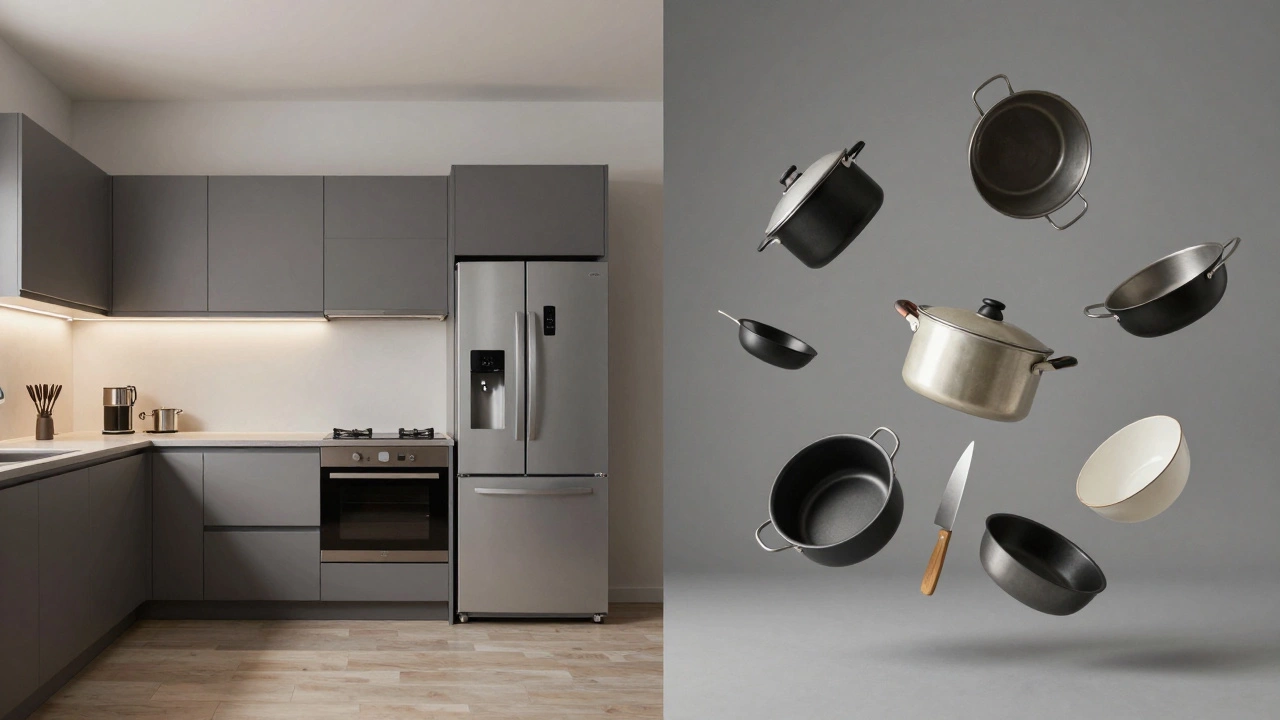
People often say "kitchen" and "kitchenware" like they mean the same thing. But they don’t. Confusing the two is like calling your car "gasoline." One is the whole space. The other is what you use inside it.
Kitchen: The Room, Not the Stuff
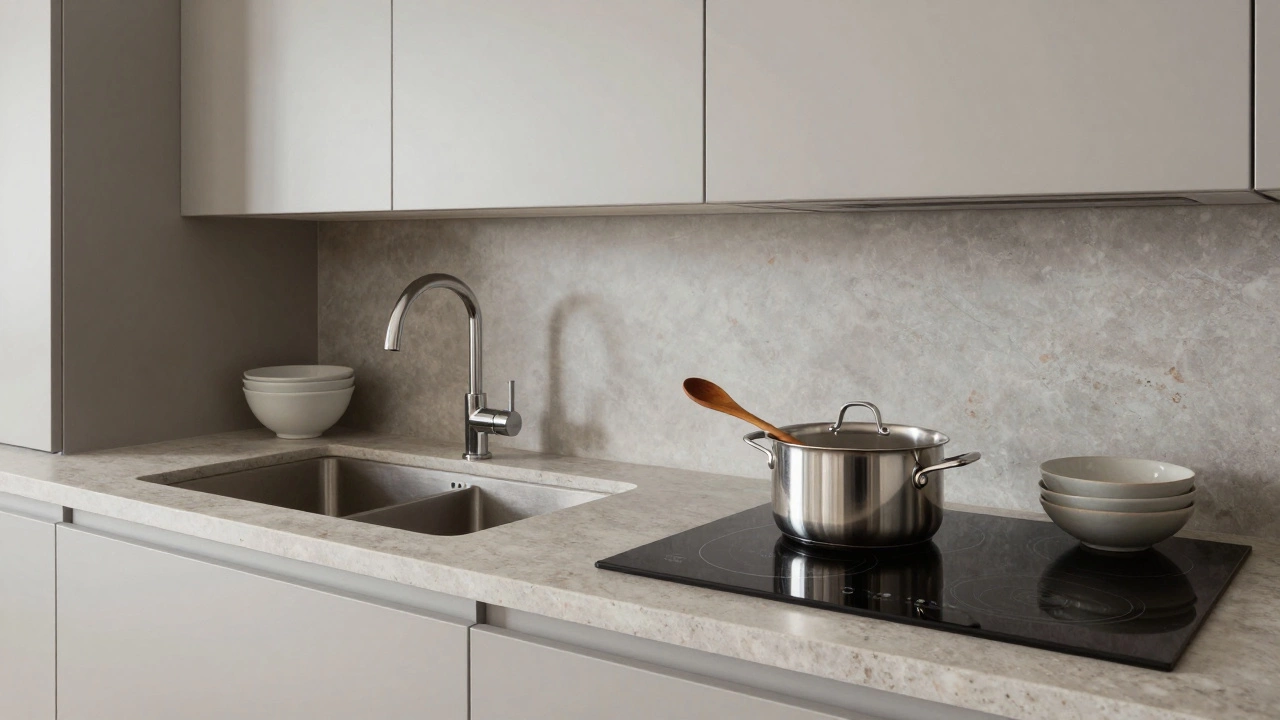
A kitchen is a room. It’s the area in your house where you prepare food. It has walls, a floor, a ceiling, cabinets, countertops, a sink, maybe a window, and appliances built into the space. Think of it as the stage. The kitchen holds everything else. Without a kitchen, you’d be cooking on a picnic table in the backyard. It’s the fixed structure - the foundation.
In a typical New Zealand home, a kitchen might include built-in ovens, a gas or induction cooktop, a refrigerator, a dishwasher, and overhead cupboards. These aren’t kitchenware. They’re part of the kitchen itself. They’re installed, often permanent. You don’t move them around. You don’t take them to a friend’s house for a BBQ.
Kitchenware: The Tools You Pick Up and Use
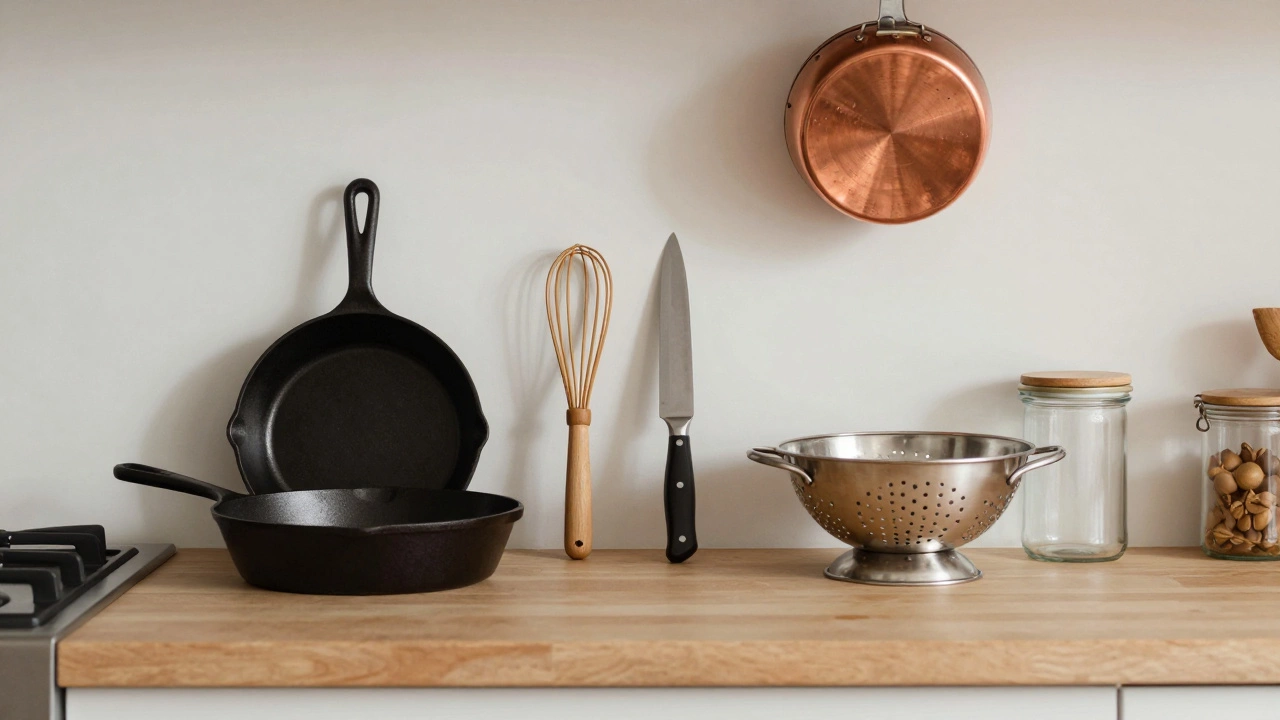
Kitchenware is everything you handle, carry, or store in the kitchen. It’s the stuff you buy separately, bring home in boxes, and put on shelves or in drawers. Pots, pans, spatulas, measuring cups, colanders, knives, cutting boards, mixing bowls, tongs, can openers, whisks - these are kitchenware.
Some kitchenware is for cooking: a cast iron skillet, a saucepan, a baking tray. Some is for serving: plates, bowls, serving spoons, napkin rings. Some is for storage: glass jars, airtight containers, food wrap. And some is for cleaning: dish brushes, sponges, dish towels.
You can replace kitchenware anytime. You can upgrade from plastic spoons to wooden ones. You can buy a new set of knives every few years. You can even take your kitchenware with you when you move apartments. That’s not something you can do with your sink or your built-in oven.
Where the Lines Blur - and Why It Matters
Some things sit in the middle. A microwave? It’s plugged into the wall, sits on the counter, and feels like part of the kitchen. But technically, it’s kitchenware - it’s a removable appliance. Same with a stand mixer. It’s heavy. It’s expensive. But you can unplug it, lift it off the counter, and store it in a cupboard. That makes it kitchenware, not part of the kitchen structure.
On the flip side, a built-in pantry? That’s part of the kitchen. It’s framed into the walls. A drawer under the counter? Also part of the kitchen. But the Tupperware inside it? That’s kitchenware.
Knowing the difference helps when you’re shopping. If you’re renovating, you’re buying kitchen features: cabinetry, countertops, lighting. If you’re stocking up, you’re buying kitchenware: utensils, cookware, storage. Mixing them up leads to overspending or buying the wrong thing.
What You Need to Know Before You Buy
Let’s say you’re setting up your first kitchen. You’ve got the cabinets, the sink, the stove. Now you need to fill it. Start with the basics:
- Cookware: A large pot, a medium saucepan, a frying pan. Stainless steel or non-stick - your call.
- Utensils: A wooden spoon, a spatula, tongs, a whisk, a ladle.
- Cutting tools: A chef’s knife, a paring knife, a cutting board.
- Measuring tools: Measuring cups and spoons. Don’t guess amounts - it ruins recipes.
- Storage: A few airtight containers for flour, sugar, pasta. Glass or BPA-free plastic.
You don’t need 15 spatulas. You don’t need 10 mixing bowls. Start with five solid pieces and build from there. Most people buy too much too soon. Then they end up with cluttered drawers and unused gadgets gathering dust.
Common Mistakes People Make
One big mistake? Thinking kitchenware is just pots and pans. It’s not. A dish towel counts. A can opener counts. A silicone baking mat? That’s kitchenware too. Don’t overlook the small stuff - they make daily tasks easier.
Another mistake? Assuming all kitchenware is the same. A $5 plastic spatula melts in a hot pan. A $20 silicone one doesn’t. A cheap knife dulls fast. A good one lasts decades. Quality matters more than quantity.
And don’t forget maintenance. Kitchenware needs care. Cast iron needs seasoning. Knives need sharpening. Wooden spoons need oiling. If you treat kitchenware like disposable items, you’ll spend more replacing them than if you’d bought better ones upfront.
Why This Matters in Real Life
Imagine you’re hosting a dinner party. You’ve got your kitchen - clean, organized, with good lighting. But you’re missing a colander. You can’t drain the pasta. You’re stuck. You didn’t break the kitchen. You just didn’t have the right kitchenware.
Or you’re moving out. You leave the fridge, the cabinets, the sink. But you take your favorite knife set, your grandma’s mixing bowl, your coffee grinder. Those aren’t part of the house. They’re your kitchenware. They’re personal. They carry memories.
In New Zealand, where space is often limited, knowing what’s part of the kitchen and what’s not helps you make smarter choices. A small apartment doesn’t need a walk-in pantry. But it does need smart storage solutions - stackable containers, wall-mounted racks, compact utensils. That’s kitchenware doing the heavy lifting.
What to Do Next
Look around your kitchen right now. Point to one thing. Ask: Can I pick this up and walk out the door with it? If yes, it’s kitchenware. If it’s bolted, built-in, or wired into the wall, it’s part of the kitchen.
Make a list of what you’re missing. Don’t buy everything at once. Start with what you use every day. A good knife. A pot that doesn’t stick. A colander. A set of measuring spoons. That’s it. You don’t need 27 gadgets.
And if you’re buying new kitchenware, think long-term. Buy for durability, not looks. A stainless steel pot will outlast five non-stick ones. A wooden spoon lasts longer than a plastic one. Good kitchenware doesn’t just make cooking easier - it makes it better.
Is a refrigerator considered kitchenware?
No. A refrigerator is an appliance, but it’s usually built into the kitchen’s layout and connected to plumbing or electrical systems. It’s part of the kitchen structure, not kitchenware. Only portable appliances like blenders or toasters count as kitchenware.
Can kitchenware be part of home decor?
Absolutely. Many people choose kitchenware based on style - colorful ceramic bowls, copper pots on display, hand-thrown mugs. While their main job is function, they also add personality to the space. That’s why you’ll see open shelving in modern kitchens - to show off beautiful kitchenware as decor.
Do I need expensive kitchenware to cook well?
No. You don’t need a $500 knife set to make great food. But you do need tools that work reliably. A dull knife is dangerous. A warped pan cooks unevenly. Focus on quality basics - a sharp knife, a heavy-bottomed pot, a good cutting board - and you’ll do better than someone with flashy, low-quality gear.
What’s the most overlooked piece of kitchenware?
A good dish towel. It’s cheap, but it’s used constantly - drying hands, wiping counters, holding hot handles, covering dough. A thin, flimsy towel tears or stays damp. A thick, absorbent cotton towel lasts years and makes daily tasks easier. It’s simple, but it’s essential.
How do I know when to replace kitchenware?
Replace it when it stops doing its job safely or effectively. Non-stick pans with scratches? Replace them - the coating can flake off. Knives that won’t cut through a tomato? Sharpen or replace them. Wooden spoons with deep cracks? They trap bacteria. Don’t wait until it breaks. Look for signs of wear before it becomes a hazard.