What Is the Difference Between Tableware and Dinnerware?
 Dec, 28 2025
Tableware vs. Dinnerware Checker
Enter any table item to see if it's dinnerware (what you eat from) or tableware (everything else on the table).
Dinnerware examples:
dinner plate, salad plate, dessert plate, soup bowl, cereal bowl, rice bowl, coffee mug, tea mug
Tableware examples:
fork, knife, spoon, wine glass, water glass, tumbler, platter, gravy boat, butter dish, salt shaker, napkin
Ever bought a new set of plates and ended up with extra cups and forks you didn’t need? Or walked into a store looking for dinnerware and left confused by all the labels? You’re not alone. Many people use "tableware" and "dinnerware" interchangeably-but they’re not the same. Understanding the difference saves money, avoids mix-ups, and helps you build a functional, beautiful dining setup.
What Is Dinnerware?
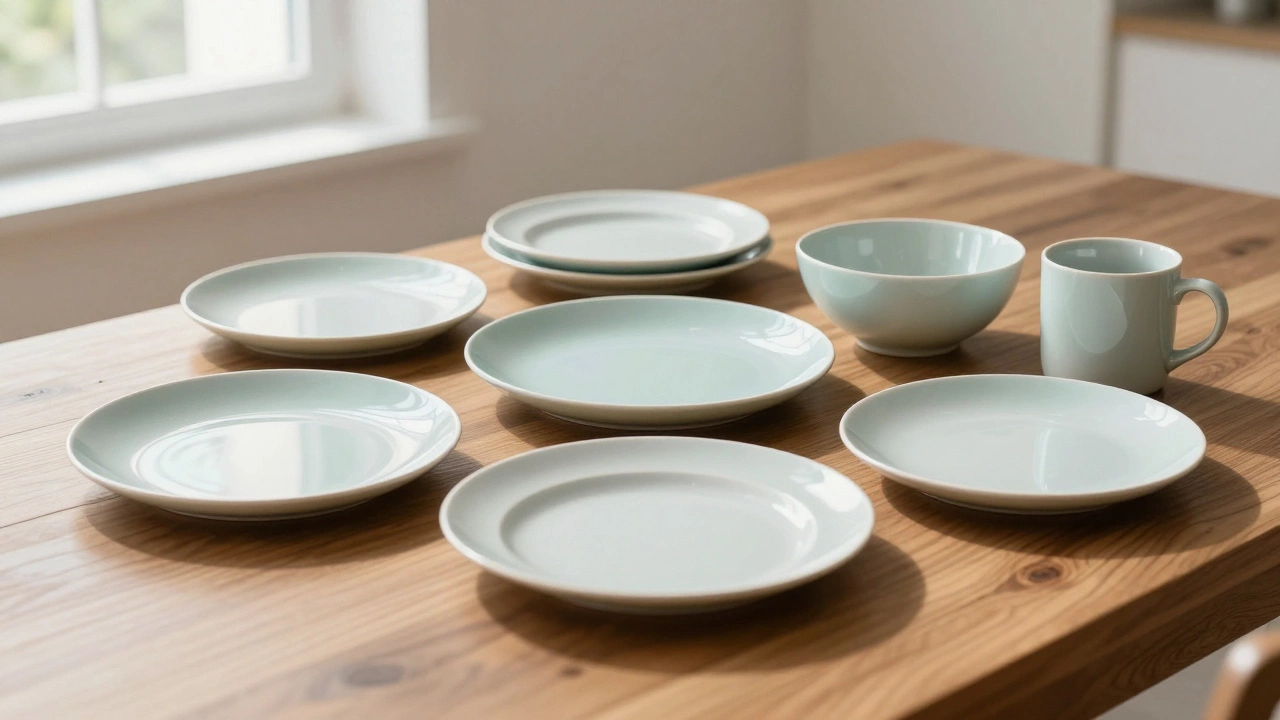
Dinnerware is the core set of plates and bowls you eat from. Think of it as the foundation of your meal. It includes:
- Plates: dinner plates, salad plates, dessert plates
- Bowls: soup bowls, cereal bowls, rice bowls
- Cups and mugs: for coffee, tea, or water
These are the items that touch your food directly. Dinnerware is usually made from ceramic, porcelain, stoneware, or glass. It’s designed for daily use and often comes in matching sets-four, six, or eight pieces. If you’re setting the table for a regular weeknight dinner, you’re mostly using dinnerware.
Brands like Corelle, Fiestaware, and Wedgwood focus mostly on dinnerware. They sell collections centered around plates and bowls, with matching mugs. That’s because dinnerware is the most frequently used part of your table setting. It’s also what you wash every day.
What Is Tableware?
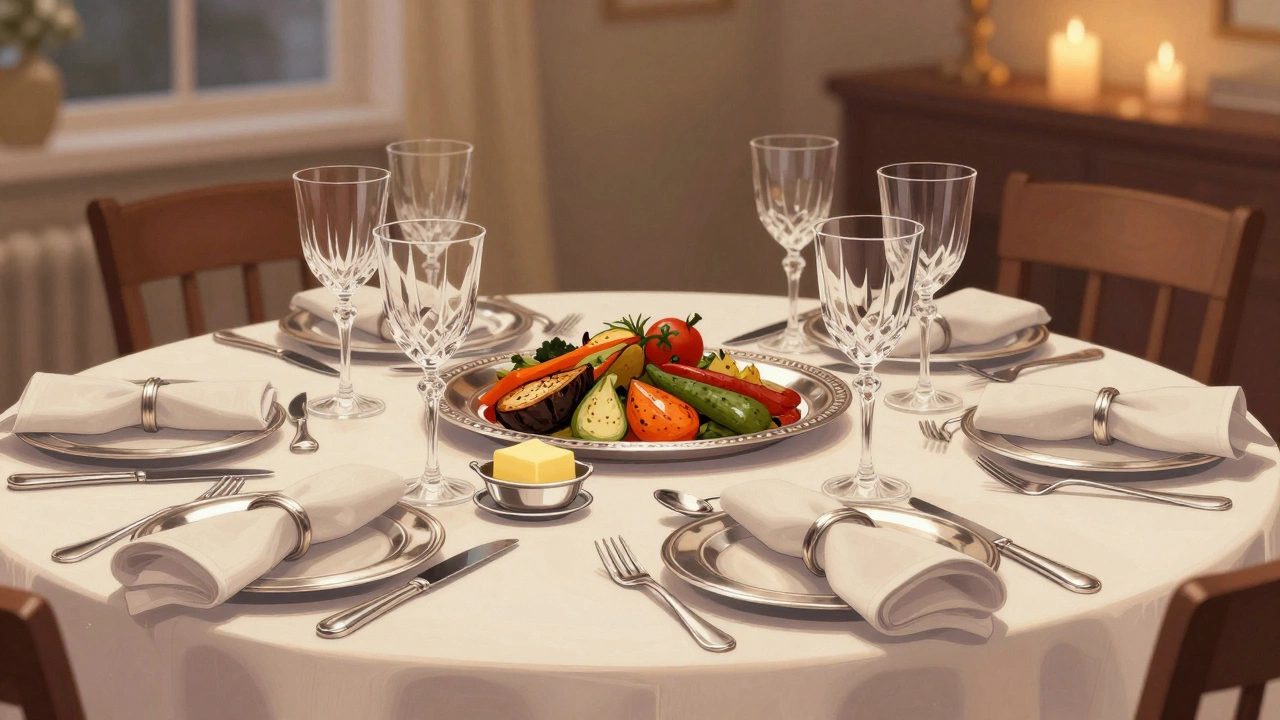
Tableware is everything you put on the table during a meal-not just what you eat from. It includes dinnerware, but also:
- Flatware: forks, knives, spoons
- Drinkware: glasses for water, wine, juice
- Serving pieces: platters, gravy boats, salad bowls, butter dishes
- Accessories: napkins, napkin rings, salt and pepper shakers, centerpieces
Tableware covers the entire dining experience. It’s the full ensemble you arrange when hosting guests for a holiday meal or a fancy dinner party. You might use your everyday dinnerware but pair it with fancy silverware, crystal glasses, and a large serving platter-that’s tableware.
Think of it like this: dinnerware is the cast. Tableware is the whole production. One is the main actors. The other is the stage, lights, costumes, and props.
Why the Confusion?
Many retailers blur the lines. You’ll see online stores label a 16-piece set as "dinnerware"-but it includes plates, bowls, cups, and forks. That’s actually tableware. Retailers do this because "dinnerware" sounds simpler and more appealing to shoppers.
Real estate listings sometimes say "dinnerware included" when they mean all the dishes, glasses, and utensils left behind. That’s technically tableware. Even some cookbooks use the terms loosely.
The confusion comes from everyday language. People say "I need new dinnerware" when they mean "I need new plates, cups, and forks." But if you’re shopping for replacements or building a set from scratch, knowing the difference matters.
When It Matters: Buying, Storing, and Replacing
Here’s where the distinction becomes practical.
If you’re buying dinnerware, you’re focused on plates and bowls. You pick based on:
- Size: dinner plate vs. salad plate
- Material: porcelain for elegance, stoneware for durability
- Color and pattern: neutral for daily use, bold for special occasions
If you’re buying tableware, you’re thinking bigger. You need to match:
- Flatware finish: stainless steel, silver-plated, matte black
- Drinkware style: tumblers, wine glasses, highballs
- Serving pieces: do you need a gravy boat? A bread basket?
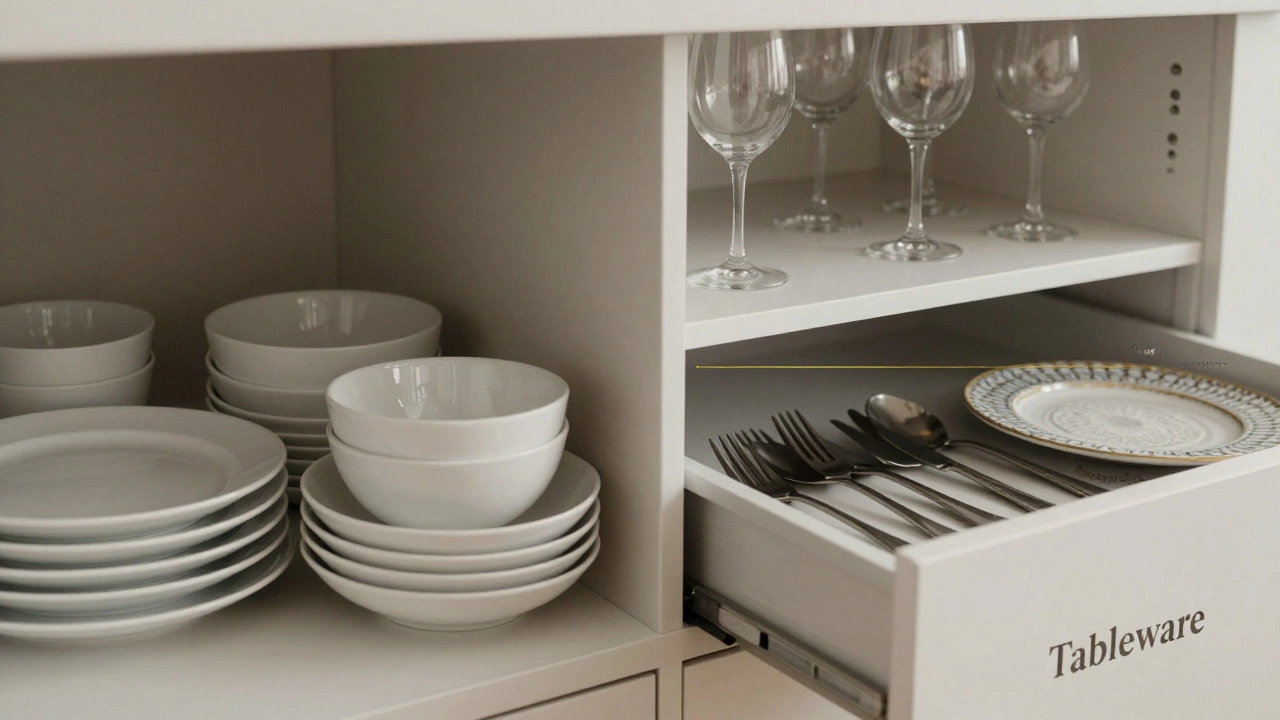
Storage matters too. Dinnerware stacks neatly in cabinets. Tableware needs more space-flatware goes in drawers, glasses on shelves, serving platters take up vertical room. If you’re moving or downsizing, knowing what’s dinnerware vs. tableware helps you pack smarter.
Replacing broken pieces? If you lose a dinner plate, you buy a replacement from the same dinnerware set. If you lose a dessert spoon, you buy a new piece of flatware. Mixing them up leads to mismatched sets and frustration.
Real-Life Examples
Let’s say you’re setting a table for Sunday brunch.
You lay out:
- A dinner plate (dinnerware)
- A salad plate (dinnerware)
- A coffee mug (dinnerware)
- A fork and knife (flatware-part of tableware)
- A water glass (drinkware-part of tableware)
- A butter dish and a fruit platter (serving pieces-part of tableware)
- A linen napkin (accessory-part of tableware)
That’s three pieces of dinnerware and five pieces of tableware. The dinnerware feeds you. The tableware makes the meal feel complete.
Another example: a restaurant menu says "complimentary dinnerware included." That’s misleading. They mean they provide plates, bowls, and utensils-so they’re actually offering tableware. If you’re running a small café, knowing this helps you budget correctly. Buying dinnerware sets is cheaper than buying full tableware kits.
Common Mistakes and How to Avoid Them
Here are the top three mistakes people make:
- Buying a "dinnerware set" that includes flatware - You end up paying more for things you already own. Always check the item count and description. A true dinnerware set should have plates and bowls only.
- Assuming all glassware is dinnerware - Water glasses, wine flutes, and tumblers are drinkware. They’re part of tableware, not dinnerware. Don’t confuse them when replacing broken items.
- Thinking tableware is only for fancy events - You can use tableware every day. A simple set of stainless steel forks and a few glass tumblers still counts as tableware. It’s about function, not formality.
Pro tip: When shopping, look for product descriptions that list exact components. "16-Piece Dinnerware Set" should mean 4 dinner plates, 4 salad plates, 4 bowls, and 4 mugs. If it includes forks or knives, it’s a tableware set.
Final Takeaway
Dinnerware is what you eat from. Tableware is everything else on the table. One is a subset of the other. You can have dinnerware without tableware-you can eat off a plate with your fingers. But you can’t have tableware without dinnerware. The table needs something to hold the food.
When you understand this, shopping becomes easier. You buy exactly what you need. You store things logically. You replace broken pieces without wasting money. And when you set the table, you do it with confidence-not confusion.
Next time you’re organizing your kitchen or planning a dinner party, ask yourself: "Am I replacing what I eat from-or what I serve with?" That’s the difference.