What Is the Downside of Blackout Curtains? Hidden Drawbacks You Should Know
 Feb, 23 2026
Blackout Curtain Energy Cost Calculator
Enter Your Room Details
How It Works
According to University of Auckland research, blackout curtains trap heat and can raise room temperature by 3-5°C in summer. This forces your AC to work harder.
Important Note: In cold climates, blackout curtains actually reduce heat loss by 10-15%, but this calculator focuses on summer cooling costs.
Estimated Summer Energy Impact
Enter your details to see the energy cost comparison.
Blackout curtains promise perfect darkness, better sleep, and energy savings - and for many people, they deliver. But if you’ve bought them expecting nothing but benefits, you might be in for a surprise. These thick, lined curtains aren’t magic. They come with real trade-offs that affect comfort, health, and even your electricity bill. Let’s cut through the marketing and look at what blackout curtains actually do - and don’t do - in everyday homes.
They Trap Heat Like a Greenhouse
Blackout curtains are designed to block light, but they also block airflow. That’s fine in winter, but in summer? They turn your bedroom into a sauna. In Auckland, where summer nights can stay above 20°C, thick blackout fabric stops warm air from escaping and traps heat from the sun even after sunset. A 2023 study by the University of Auckland’s Building Science Lab found that rooms with blackout curtains stayed 3-5°C warmer at night than those with lightweight sheers. That extra heat doesn’t just make you toss and turn - it forces your air conditioner to work harder, raising your energy bill.
You Miss Out on Natural Morning Light
Your body doesn’t need an alarm clock. It needs sunlight. Natural light in the morning tells your brain to stop producing melatonin and start producing cortisol - the hormone that wakes you up. Blackout curtains block all of it. If you’re sleeping in total darkness until 8 a.m., your circadian rhythm gets confused. You might feel groggy, sluggish, or even moody. People who rely on blackout curtains for shift work or light sensitivity often report needing more caffeine just to feel awake. And if you’re not a night worker? You’re robbing yourself of a free, natural wake-up call.
They Can Make Your Room Feel Smaller
Heavy, floor-to-ceiling blackout panels look dramatic - until you realize they swallow up your window. Windows aren’t just openings; they’re visual connections to the outside world. When you cover them with thick, dark fabric, your room loses its sense of space. In smaller apartments - common in cities like Auckland - this makes rooms feel cramped. People who switched from light-filtering curtains to blackout ones often say their living rooms felt like basements. Even if you like the dark, the psychological effect of losing natural light and views is real.
They Don’t Always Block Light Perfectly
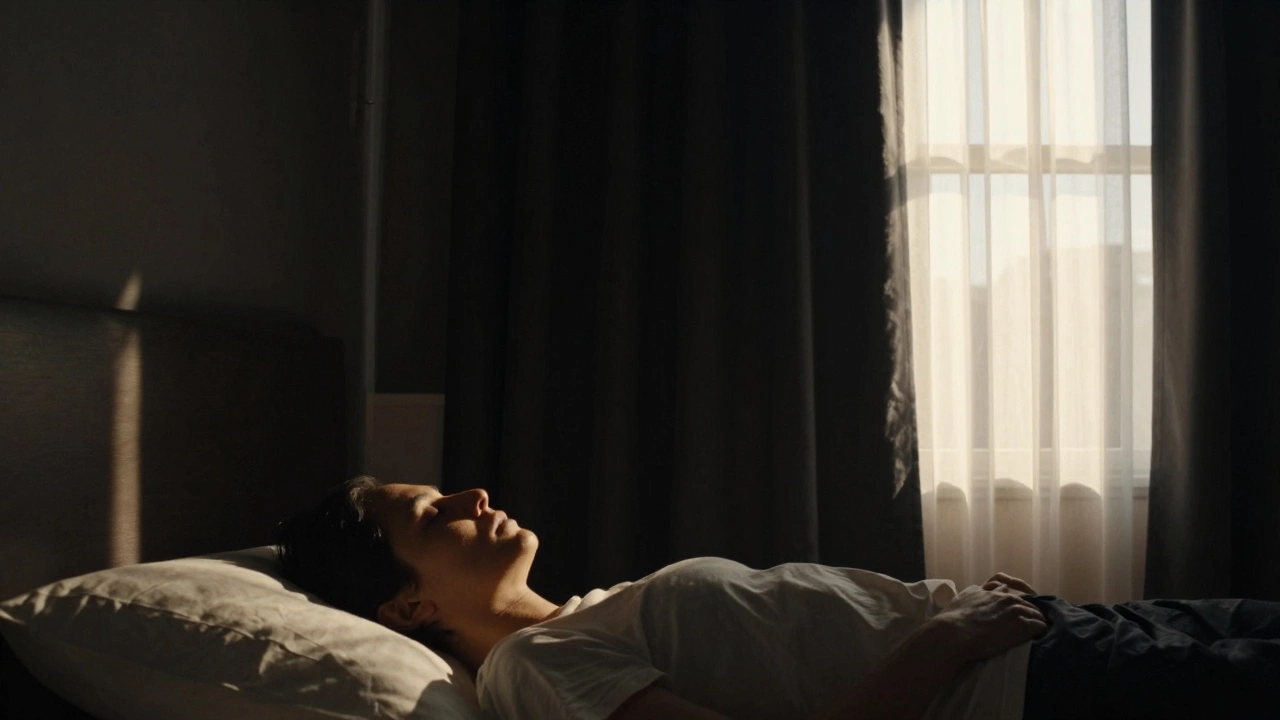
Here’s the thing: not all blackout curtains are created equal. Many cheap ones claim to be “100% blackout” but still leak light around the edges. Gaps at the top, sides, or where the curtain rod doesn’t fully cover the frame are common. A 2025 Consumer NZ test found that 6 out of 10 top-selling blackout curtains on the New Zealand market allowed noticeable light through side seams. If you’re using them for sleep, even a sliver of light from streetlamps or a neighbor’s porch can disrupt deep sleep cycles. You might think you bought darkness - but you got partial darkness with a premium price tag.
They Can Hurt Your Window’s Health
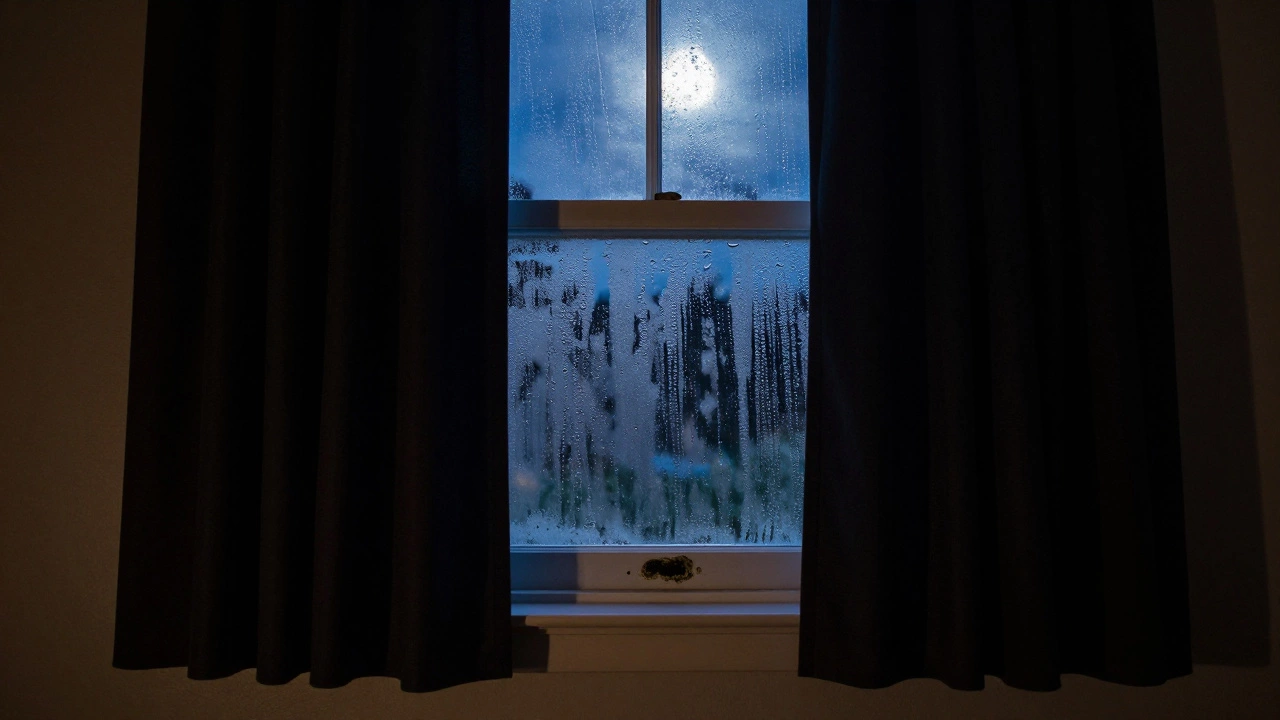
Heavy curtains put pressure on window frames and tracks. Over time, especially in older homes, that weight can warp the frame or pull the curtain rod out of alignment. In Auckland’s coastal climate, where humidity swings are common, the moisture trapped between the curtain and the glass can lead to mold on window sills or even behind the wall. One homeowner in Ponsonby had to replace her entire window frame after two years of using heavy blackout panels - the moisture had rotted the wood beneath. If your windows aren’t properly sealed or insulated, blackout curtains can make condensation worse, not better.
They’re Hard to Clean - and Often Not Worth the Effort
Most blackout curtains are dry-clean only. That’s not just inconvenient - it’s expensive. A single pair can cost $50-$100 to clean professionally. And if you try to machine wash them? You risk shrinking, fading, or ruining the blackout lining. Dust builds up quickly on the thick fabric, and vacuuming doesn’t always reach deep enough. In homes with pets or allergies, that trapped dust and pet hair becomes a problem. One allergist in Wellington told me she sees more patients with chronic nasal congestion after installing blackout curtains - not because of the material itself, but because they’re rarely cleaned properly.
They’re Not Always the Best for Privacy
People assume blackout = total privacy. But if your curtains are thin at the top, or if you have a two-story house with a window above a neighbor’s roof, you’re still visible from above. In apartment buildings, people often notice that blackout curtains don’t stop silhouettes - especially when you’re lit from behind by a lamp. If you’re using them for privacy, pair them with a secondary layer, like a sheer blind, or install window film. Relying on blackout curtains alone leaves you vulnerable.
What Should You Do Instead?
You don’t have to give up darkness. A better approach? Layer your window treatments. Use a lightweight, light-filtering curtain during the day to let in natural light. At night, add a thin, breathable blackout liner or a roll-down shade that fits snugly inside the window frame. That way, you get control without the downsides. You’ll still block light when you need it, but your room stays cooler, cleaner, and more spacious.
Or, if you’re only using blackout curtains for sleep, consider a sleep mask. They’re cheap, easy to clean, and give you total darkness without affecting your room’s airflow or light exposure. Many people who switched from blackout curtains to a good sleep mask report better sleep quality - not because the mask is better, but because their body got back in sync with natural rhythms.
Do blackout curtains help with noise?
Not really. While thick curtains can slightly muffle outside sound, they’re not designed for soundproofing. The material blocks light, not vibrations. If you need noise reduction, look into acoustic panels, weatherstripping, or double-glazed windows. Blackout curtains alone won’t make a noticeable difference in traffic or neighbor noise.
Can blackout curtains cause mold?
Yes, if they’re used in humid climates without proper ventilation. The fabric traps moisture between the window and the curtain, especially in coastal areas like Auckland. This dampness can lead to mold on window frames, sills, or even behind the wall. To prevent this, ensure your windows are sealed, use a dehumidifier, or open windows briefly each day to let air circulate.
Are blackout curtains worth it for shift workers?
For people who sleep during the day, yes - they’re one of the most effective tools for blocking sunlight. But even then, they should be paired with a sleep mask and a cool room. Relying on them alone can lead to overheating and disrupted circadian rhythms. Use them as a tool, not a solution.
Do blackout curtains save energy?
In winter, yes - they can reduce heat loss by acting as an extra insulating layer. But in summer, they trap heat inside, forcing AC to work harder. The net energy savings are minimal unless you live in a cold climate year-round. For most places, including New Zealand, the seasonal trade-off makes them a net loss.
What’s the best alternative to blackout curtains?
A combination of light-filtering curtains and a roll-down blackout shade or window film. This lets you control light precisely without trapping heat or blocking views. Sleep masks are also a great option for people who just need darkness to sleep. They’re affordable, easy to clean, and don’t affect your room’s airflow.
If you’ve been relying on blackout curtains to fix your sleep, you’re not alone. But the fix might not be thicker fabric - it might be smarter layering. Your body, your energy bill, and your windows will thank you.