What Is the Hardest Couch Material to Clean? A Practical Guide
 Aug, 31 2026
Sofa Material Cleaning Difficulty Checker
Select a material below to see its specific cleaning challenges, difficulty rating, and expert maintenance tips.
Velvet
Cleaning Difficulty: HighMain Challenge
Absorbs liquids quickly due to dense pile; rubbing causes permanent flat spots (pile damage).
Best For
Low-traffic formal rooms where aesthetic luxury outweighs high-maintenance needs.
Expert Maintenance Tips
- Blot, Don't Rub: Always blot spills immediately to avoid crushing the fibers.
- Use Solvents Carefully: Water-based cleaners can leave ring marks; test on hidden areas first.
- Regular Vacuuming: Use an upholstery attachment with low suction to remove dust from deep within the pile.
Tip: Check your sofa's cleaning code tag (W, S, WS) under cushions before applying any cleaner.
You just dropped a glass of red wine on your new sofa. Or maybe it was mud from the kids' shoes, or a smear of chocolate ice cream. You grab a cloth, scrub gently, and watch in horror as the stain doesn't lift-it actually spreads. This is the nightmare scenario for anyone who owns furniture that looks great but acts like a magnet for messes.
Not all fabrics are created equal when it comes to maintenance. While some materials shrug off spills with a quick wipe, others hold onto dirt like a grudge. If you're shopping for a new couch or trying to save an old one, knowing what is the hardest couch material to clean can save you hours of scrubbing and hundreds of dollars in professional cleaning bills. Let's break down which materials cause the most headaches and why they behave the way they do.
Velvet: The Stain Magnet That Looks Expensive
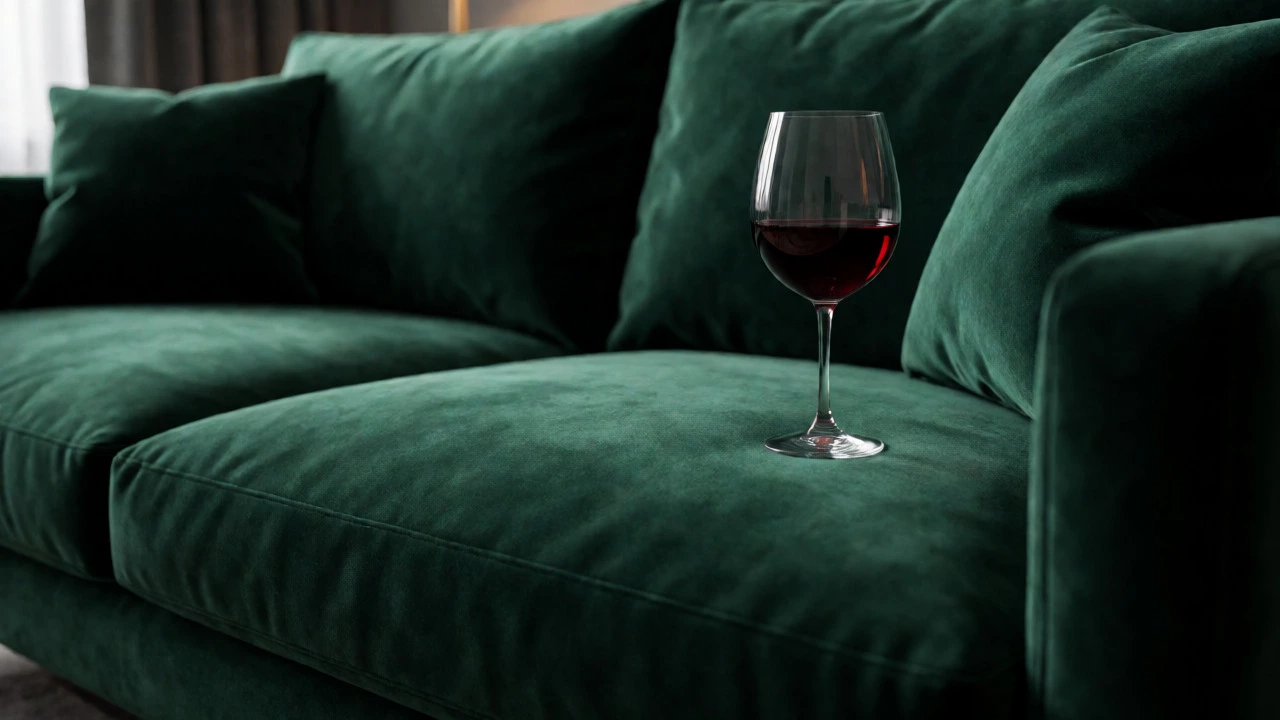
Let's start with the big offender. Velvet is undeniably luxurious. It feels soft, looks rich under lighting, and adds instant warmth to a room. But here’s the catch: velvet is notoriously difficult to clean. Why? Because of its pile. The short, dense fibers create tiny pockets where liquids seep in and get trapped deep within the weave.
When you spill coffee on velvet, it doesn't just sit on top. It sinks into those fiber loops. If you try to rub it with a standard sponge, you crush the pile, leaving a permanent flat spot that looks worse than the original stain. Even worse, water-based cleaners can leave ring marks if not applied perfectly evenly. Many homeowners avoid velvet entirely because they know that one bad accident could ruin the entire cushion cover.
Velvet is a woven fabric with a distinctively smooth, dense pile surface created by warp threads. Its high pile density makes it prone to absorbing liquids quickly and retaining moisture, which complicates drying and increases the risk of mold or mildew in humid climates like Auckland's.
Linen: Wrinkles, Water Spots, and High Maintenance
Linen is often marketed as "easy" because it’s durable and breathable. Don't let that fool you. Linen is one of the trickiest natural fibers to maintain if you want it to look pristine. The problem isn't necessarily stains-linen handles solid debris well-but rather how it reacts to liquid.
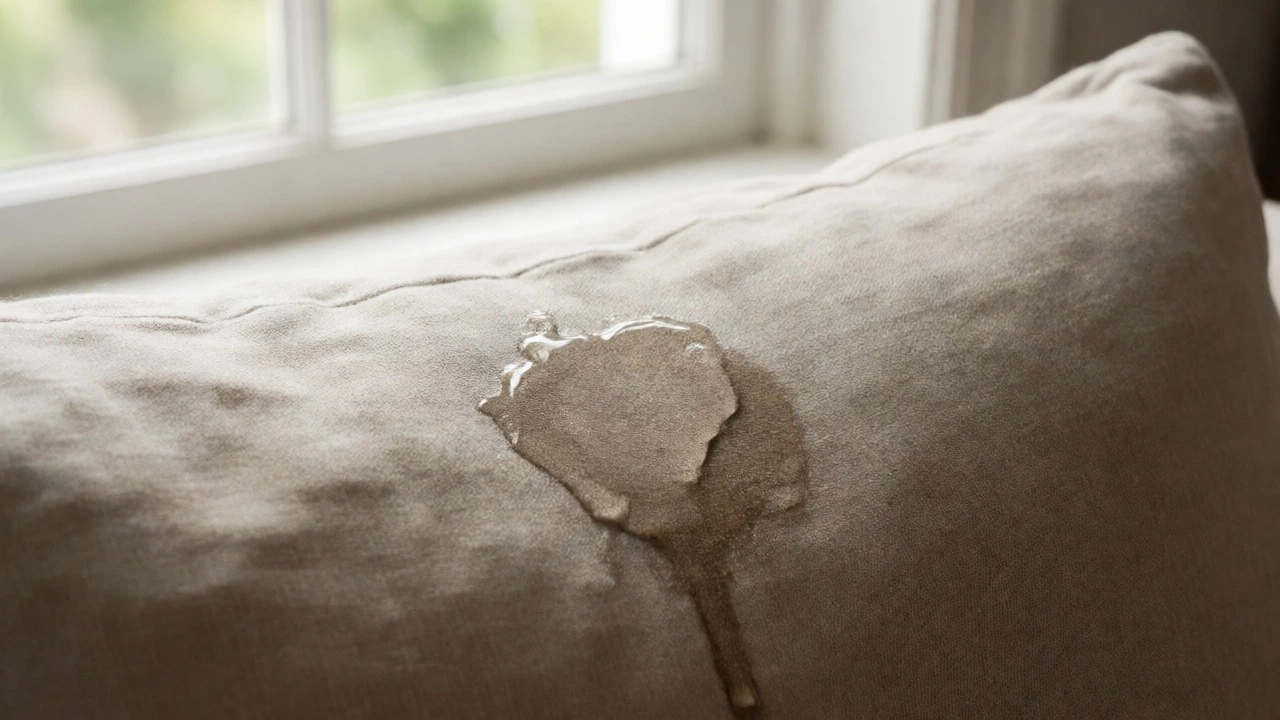
Linen absorbs water rapidly. When you use a wet cloth to clean a spot, the surrounding area often dries darker than the rest of the fabric, creating unsightly water rings. These rings are nearly impossible to remove without re-upholstering or using specialized steaming techniques that require professional equipment. Plus, linen wrinkles easily. After cleaning, you might have a clean patch, but it will look crumpled compared to the rest of the sofa unless you steam it immediately.
If you have pets or small children, linen requires frequent vacuuming because dust and pet hair cling tightly to the textured surface. Unlike synthetic blends, you can't just swipe a lint roller over it effectively; you need a vacuum with an upholstery attachment and patience.
Silk and Rayon: Delicate Natural Fibers
Some sofas use silk or rayon (viscose) for a glossy, elegant finish. These materials are beautiful but fragile. Silk, in particular, is sensitive to alkaline substances found in many household cleaners. Using a generic soap solution can strip the natural oils from the silk, causing it to become brittle and lose its sheen over time.
Rayon behaves similarly to cotton but lacks the structural integrity. Wet rayon becomes weak and can stretch out of shape if handled roughly during cleaning. If you spill something on a rayon blend sofa, blotting is critical. Rubbing can distort the weave permanently. Most manufacturers explicitly state that these fabrics should only be cleaned by professionals, meaning every minor spill translates to a service call.
Microfiber: The Paradox of Easy Cleaning
Here’s where things get confusing. Microfiber is often sold as "stain-resistant" and "easy to clean." And technically, it is easier to clean than velvet or silk. However, it has a specific weakness that makes it frustrating for many owners: oil-based stains.
Water-based spills on microfiber bead up and can be blotted away easily. But grease, makeup, or oily food splatters penetrate the fine synthetic fibers and bind tightly. Standard water-and-soap methods often fail to lift these oils, leaving a shiny, greasy spot that attracts more dirt. To truly clean microfiber, you often need rubbing alcohol or specialized solvent-based cleaners, which can be risky if you don't test them on a hidden area first.
Additionally, microfiber tends to flatten. Over time, the fibers compress, making the sofa look worn even if it’s clean. Restoring the fluffiness requires brushing the fabric with a stiff brush after cleaning, adding another step to your routine.
Leather: Not as Easy as You Think
Many people assume leather is the easiest material to clean. Wipe it down, done. For finished leather (the kind coated with polyurethane), this is mostly true. But for aniline or full-grain leather, cleaning is a delicate balancing act.
Natural leather is porous. It absorbs oils from skin, lotions, and hair products. Over time, this leads to darkening and uneven coloring. Cleaning agents that are too harsh can strip the protective coating, leading to cracks. On the other hand, if you don't clean it regularly, dirt accumulates in the grain, turning light leather gray and dingy.
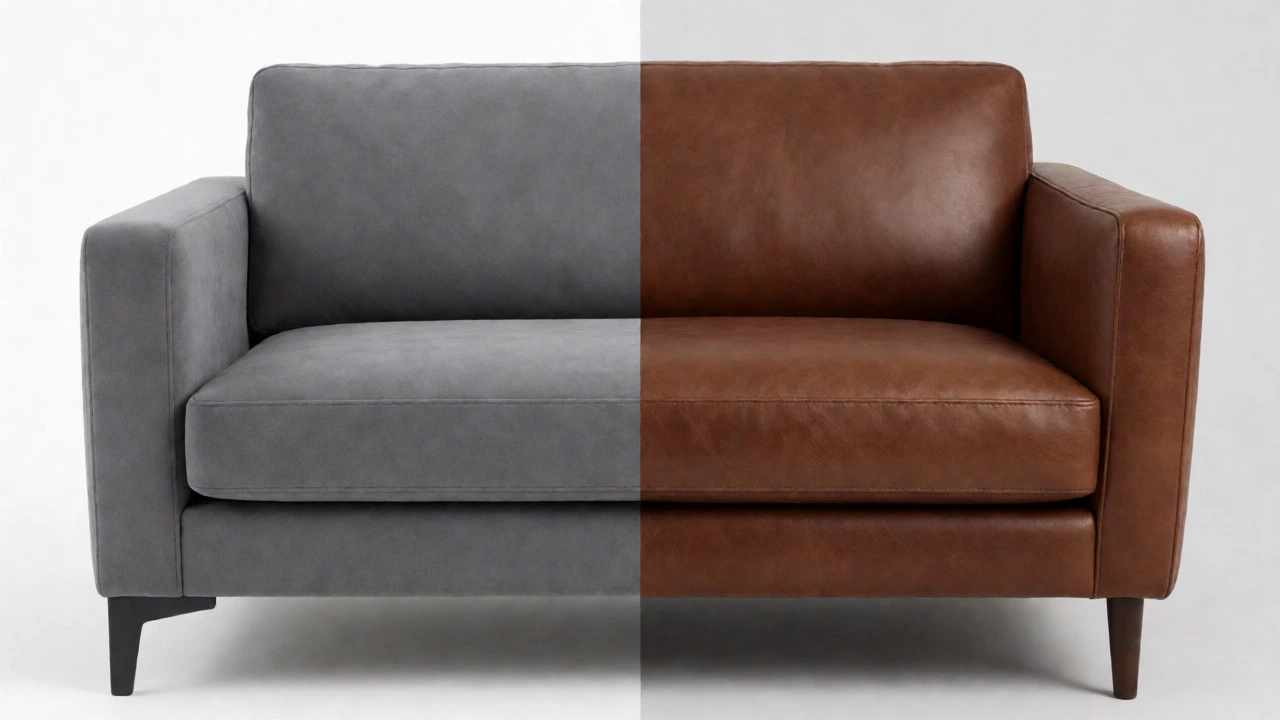
The biggest issue with leather is color transfer. Dark denim or new clothing can dye light-colored leather sofas. Once the dye sets, removing it without damaging the leather itself is extremely difficult. Specialized leather conditioners and cleaners are mandatory, not optional, adding ongoing cost and effort.
Comparing Cleaning Difficulty and Cost
To help you decide, here’s a breakdown of common sofa materials based on cleaning difficulty, stain resistance, and maintenance needs.
| Material | Cleaning Difficulty | Main Challenge | Best For |
|---|---|---|---|
| Velvet | High | Absorbs liquids; pile damage from rubbing | Low-traffic formal rooms |
| Linen | Medium-High | Water rings; wrinkling; holds dust | Minimalist, low-pet households |
| Silk/Rayon | Very High | Fragile when wet; sensitive to chemicals | Decorative accents |
| Microfiber | Medium | Oil-based stains stick; flattens over time | Families with kids/pets |
| Finished Leather | Low-Medium | Color transfer; cracking if neglected | Modern, high-use living areas |
How to Protect Your Sofa Regardless of Material
Even if you choose a challenging material, you can mitigate the pain. First, check the cleaning code tag usually found under the cushions. Codes like 'W' (water-based cleaners only), 'S' (solvent-based only), or 'WS' (both) tell you exactly what you can use. Ignoring these codes is the fastest way to ruin a sofa.
Consider applying a fabric protector spray like Scotchgard. This creates a barrier that repels liquids, giving you time to blot before the stain sets. For velvet and linen, this is almost essential. Just remember that protectors wear off and need reapplication every 6-12 months.
Finally, act fast. The longer a spill sits, the deeper it penetrates. Keep a kit nearby with white cloths, mild dish soap, and distilled water. Never use hot water on protein-based stains like blood or milk, as heat cooks the proteins into the fibers.
Frequently Asked Questions
Is velvet really harder to clean than polyester?
Yes, generally speaking. Polyester is a synthetic fiber that resists staining and dries quickly. Velvet, especially cotton or silk velvet, has a dense pile that traps liquids and debris. Cleaning velvet requires gentle blotting to avoid crushing the fibers, whereas polyester can often withstand more vigorous scrubbing.
Can I wash my linen sofa covers in the machine?
It depends on whether the covers are removable and labeled as machine washable. Many linen sofas have non-removable covers, requiring spot cleaning. If they are removable, washing them can cause shrinkage or fading. Always check the care label and consider dry cleaning for premium linen to preserve texture and color.
Why does my microfiber sofa feel greasy after cleaning?
This usually happens if you used a water-based cleaner on an oil-based stain. Microfiber attracts oils, and water alone won't dissolve them. The residue remains in the fibers. To fix this, use a solvent-based cleaner or rubbing alcohol specifically designed for microfiber, then brush the fabric to restore texture.
Which sofa material lasts longest despite cleaning challenges?
High-quality leather and heavy-duty canvas or duck cloth tend to last the longest. While leather requires conditioning, it doesn't degrade from cleaning as easily as delicate velvets or silks. Canvas is tough and hides wear well, though it may fade over time. Both are more resilient to frequent use than decorative fabrics.
Does sunlight affect cleaning difficulty?
Indirectly, yes. Sunlight fades fabrics, making stains more visible on lighter colors. It also weakens fibers over time, making them more susceptible to damage during cleaning. Rotating your sofa or using UV-blocking curtains can help preserve both the color and the structural integrity of the material.