What Shape Rug Is Best? A Practical Guide to Choosing the Right Fit
 Nov, 2 2026
Rug Shape Selector
Answer a few questions about your space to find the perfect rug shape that complements your architecture and furniture.
You walk into a furniture store or scroll through an online catalog, and you are hit with a wall of options. Rectangles dominate the shelves, but then there is that tempting circular one in the corner, or maybe a runner for the hallway. You ask yourself the same question everyone does: what shape rug is actually best for my space?
The truth is, there is no single "best" shape. There is only the right shape for your specific layout, furniture arrangement, and traffic flow. Picking the wrong one can make a room feel disjointed or cramped, while picking the right one anchors the entire design scheme. I have helped plenty of friends in Auckland sort this out, and the mistake they almost always make is buying based on aesthetics first and function second. Let’s fix that.
Why the Rectangle Remains the Default Choice
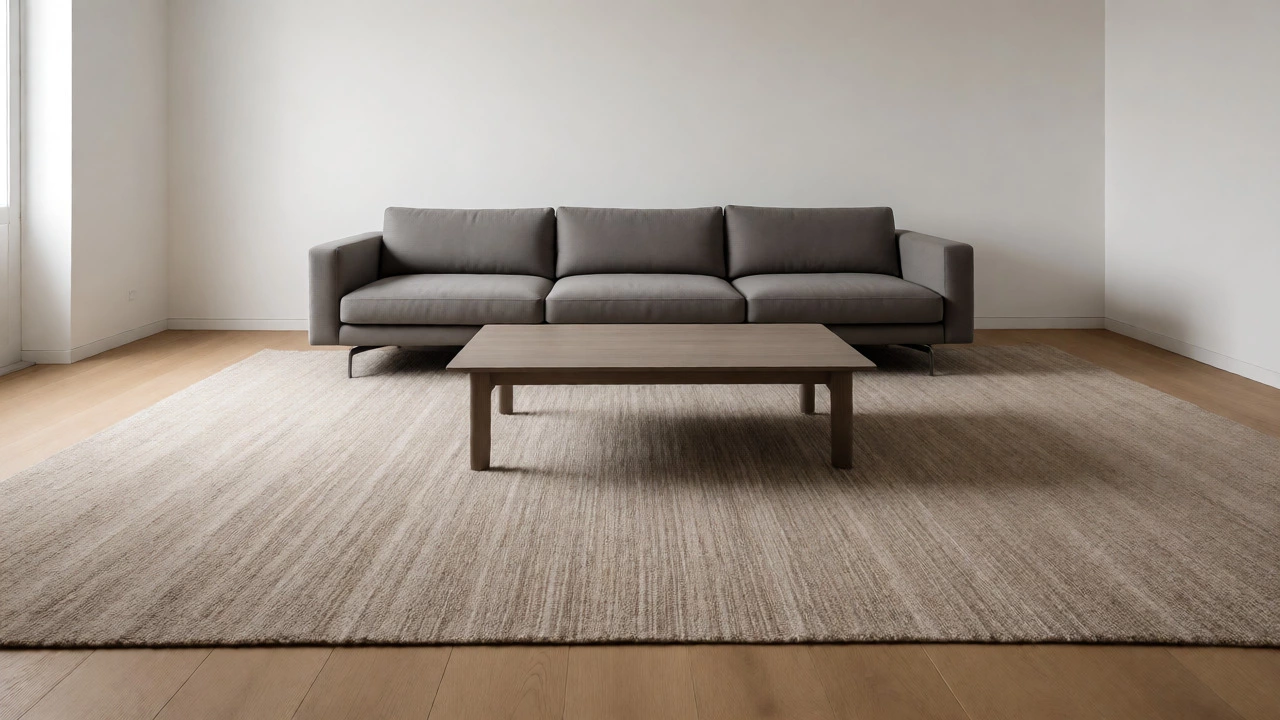
If you are unsure, go with a rectangle. It works because most homes are built with rectangular footprints. Walls meet at 90-degree angles, sofas are long and straight, and dining tables are usually elongated. A rectangular rug is the most common rug shape, designed to align with standard architectural layouts and rectangular furniture pieces creates visual harmony simply by mirroring the geometry of the room.
Think about your living room. If you have a three-seater sofa against a long wall, a rectangular rug under it feels stable. It grounds the seating area without fighting the architecture. It is also easier to find in larger sizes if you need to cover a big open-plan living space. The downside? It can feel predictable. If every piece of furniture in your home is boxy, adding another box might make the room feel rigid. That is where other shapes come in.
When Round Rugs Break Up the Boxiness
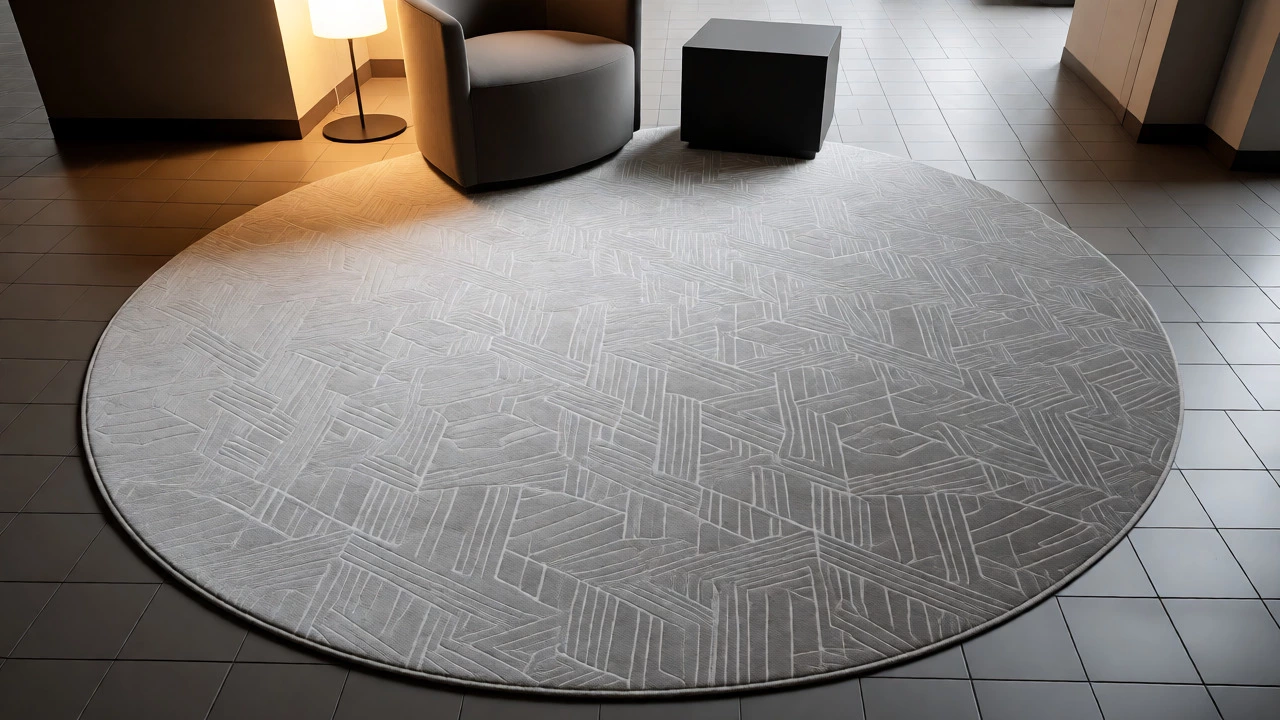
A round rug is a circular floor covering used to soften angular spaces and define zones in open-plan areas is the secret weapon for modern interiors. Why? Because it contrasts with everything else in the room. Your walls are straight. Your TV stand is straight. Your coffee table might be square. Placing a circle in the middle of all those lines creates immediate visual interest and softness.
I often recommend round rugs for two specific scenarios. First, under a round dining table. This seems obvious, but people buy rectangular runners for round tables all the time, and it looks awkward. The edges of the rug stick out weirdly, or worse, don’t reach far enough when chairs are pulled out. Second, use them in open-plan living areas to define a zone. If you have a lounge chair and a side table in the corner of a large loft-style apartment, a round rug visually says, "This is the reading corner," without needing a physical wall.
| Rug Shape | Best For | Visual Effect | Traffic Flow Impact |
|---|---|---|---|
| Rectangle | Living rooms, bedrooms, formal dining | Stability, alignment, traditional feel | Directs movement along length |
| Round | Open plans, round tables, entryways | Softness, focal point, modern contrast | Encourages circular movement patterns |
| Square | Square rooms, small nooks, twin beds | Balance, symmetry, compact efficiency | Neutral; fits tight corners well |
| Runner | Hallways, kitchens, staircases | Guidance, elongation, protection | Channels foot traffic linearly |
The Square Rug: Underrated for Small Spaces
People ignore square rugs a four-sided rug with equal dimensions, ideal for balancing symmetrical furniture arrangements or small square rooms. They think squares are boring or hard to place. But have you ever tried to put a rectangular rug in a perfectly square bedroom? It leaves weird empty strips on the sides. A square rug fills that void perfectly.
Squares work brilliantly in smaller, defined spaces. Think of a cozy reading nook with two armchairs facing each other. A square rug sits neatly between them, framing the conversation area. They are also great for children’s playrooms where toys get scattered in all directions-a square boundary helps contain the chaos better than a circle. If your room has a symmetrical layout, like a fireplace centered on a wall with matching bookshelves on either side, a square rug reinforces that balance. It doesn’t draw attention to itself; it just makes the room feel "right."
Runners Are Not Just for Hallways
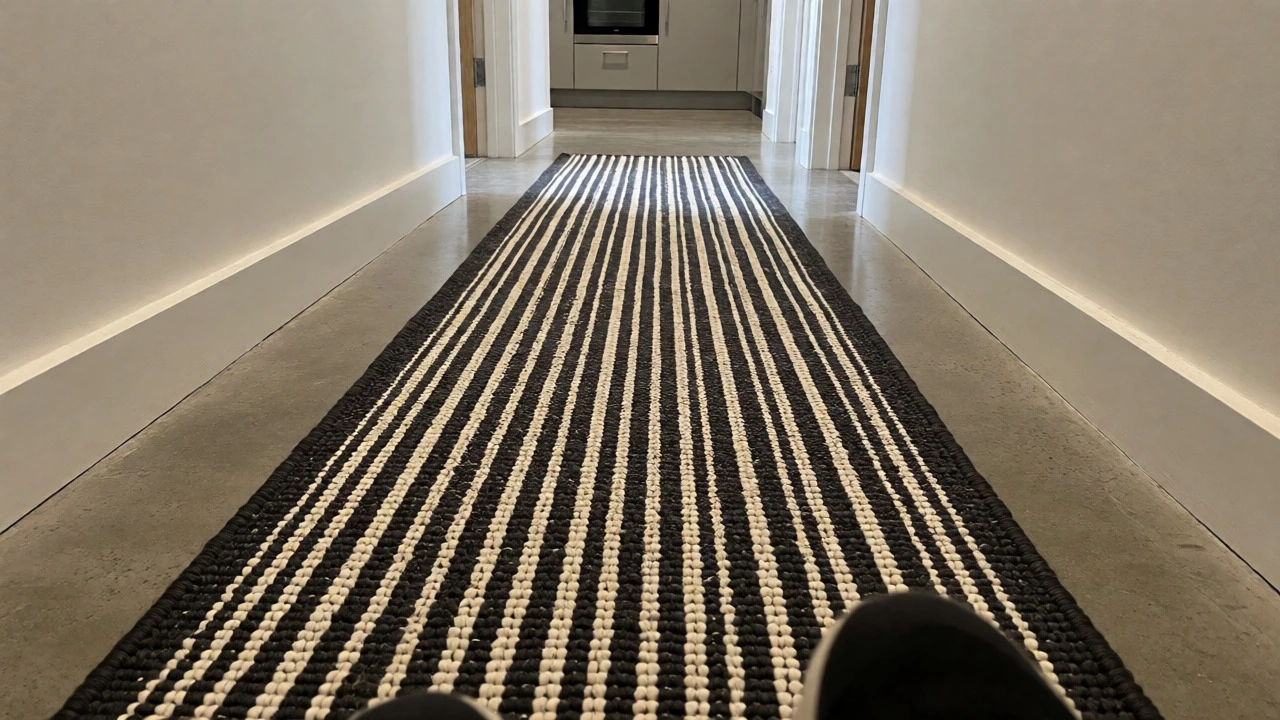
Most people associate rug runners long, narrow rugs typically placed in hallways, kitchens, or entryways to protect floors and guide traffic with old-fashioned corridors. But they are incredibly functional in modern homes too. In New Zealand, we often have long galley kitchens. Standing on cold tile while chopping vegetables is miserable. A runner provides comfort and protects high-traffic floor areas from spills and scuffs.
But here is the trick: don’t just throw a runner down randomly. Measure your path. If you walk from the front door to the kitchen every morning, put a runner along that exact path. It subtly guides your feet. In entryways, a runner can make a narrow corridor feel longer and more elegant. Just ensure it doesn’t slide around. Use a good non-slip pad. Nothing kills the vibe of a nice rug faster than watching it bunch up every time someone walks by.
Ovals and Organic Shapes: The Wildcards
Then there are ovals, irregular shapes, and organic designs. These are risky business. An oval rug is essentially a stretched circle. It works well under oval dining tables, obviously, but it can also soften a rectangular living room if you want something less stark than a standard rectangle. However, if your furniture is all sharp-edged, an oval might look out of place unless you have other curved elements (like a curved sofa or arched doorway) to tie it together.
Irregular shapes-think cowhide styles or abstract blobs-are pure statement pieces. Do not try to make these your main anchor rug unless you are very confident in your design eye. They work best as accents. Place a small irregular sheepskin next to a leather armchair. Or use a jute-shaped rug in a beach house vibe. They add texture and personality, but they rarely solve the fundamental problem of zoning a room efficiently.
How to Decide Based on Your Furniture
Stop looking at the rug. Look at your furniture. The shape of your rug should complement the dominant shape of the furniture it supports.
- Rectangular Sofa + Rectangular Coffee Table: Go rectangular. It’s safe, classic, and easy to size.
- L-Shaped Sectional: This is tricky. A large rectangle often works best to cover the whole footprint. Alternatively, use two overlapping rectangles or a large square if the sectional is nearly symmetrical.
- Round Dining Table: Must be round. Non-negotiable. Ensure the rug is wide enough so chairs stay on the rug even when pulled out.
- Mix of Curved and Straight Furniture: Try a round rug. It bridges the gap between the hard lines and soft curves.
Another rule of thumb: if your room feels chaotic or busy, choose a simple shape like a rectangle or square. If the room feels sterile or cold, introduce a curve with a round or oval rug to warm it up.
Common Mistakes to Avoid
I see these errors constantly in homes across Auckland.
- Buying a rug that is too small. This is the number one killer of interior design. A tiny rug floating in the middle of a large living room looks like a doormat. All front legs of your sofa should sit on the rug. If the rug is too small, its shape becomes irrelevant because it just looks lost.
- Ignoring traffic flow. Don’t put a round rug in a narrow hallway where people walk in a straight line. It forces awkward stepping. Match the shape to how you move.
- Clashing shapes. If you have a round coffee table, a rectangular rug underneath it can look disjointed. Either switch the table shape or match the rug shape. Consistency reduces visual noise.
- Forgetting the door swing. Check that doors can open fully without hitting the edge of the rug. This is especially important for thick, plush rugs.
Final Thoughts: Trust Your Gut, Verify with Tape
So, what shape rug is best? For most living rooms and bedrooms, a rectangle is the safest, most functional bet. For open-plan spaces or to soften a rigid room, go round. For square rooms or symmetric layouts, pick a square. For pathways, use a runner.
Before you click "buy," take a piece of masking tape and mark out the dimensions on your floor. Walk around it. Sit on your sofa. Does it feel balanced? Does it annoy you? If yes, change the shape. Your eyes will tell you what your brain hasn’t figured out yet.
Can I use a round rug in a rectangular room?
Yes, absolutely. In fact, it is often recommended to break up the monotony of rectangular walls and furniture. A round rug adds softness and creates a focal point, preventing the room from feeling too boxy or rigid.
Should the rug shape match the coffee table shape?
It is generally best to match them for visual harmony. A round coffee table looks best on a round rug, and a rectangular table on a rectangular rug. Mismatched shapes can create visual tension, which is only desirable if you are intentionally going for an eclectic, avant-garde look.
What shape rug is best for a small living room?
A rectangular rug that extends under all furniture legs (or at least the front legs) is usually best. It maximizes the perceived floor space. A round rug can also work if the room is very small and square, as it draws the eye inward rather than emphasizing the short walls.
Are oval rugs outdated?
No, but they are niche. Oval rugs are making a comeback in mid-century modern and contemporary designs. They offer a softer alternative to rectangles without the full commitment of a perfect circle. They work best in rooms with other curved elements.
How much rug should show around a dining table?
You need at least 60cm (24 inches) of rug extending beyond the table edges. This ensures that when guests pull their chairs back, the legs remain on the rug. If the shape is wrong (e.g., rectangular under a round table), this margin will look uneven and unprofessional.