What to Put in the Corner of a Small Bathroom: Smart Storage & Decor Ideas
 Nov, 9 2026
Small Bathroom Corner Optimizer
Stop wasting dead space. Answer three quick questions to find the perfect solution for your awkward bathroom corner.
Select options and click "Find My Solution" to see recommendations.
Pre-Purchase Safety Checklist
You walk into your bathroom and immediately feel that tight squeeze. The walls are bare, but the floor is cluttered with shampoo bottles, towels, and random toiletries. You look at the empty corner near the toilet or shower, wondering if it’s just dead space or a missed opportunity. Here is the truth: that awkward triangular gap is often the most valuable square footage you have.
Most people ignore corners because they don’t know what fits there. They buy standard rectangular shelves that stick out too far, or they leave the space empty, letting dust bunnies accumulate. But when you optimize small bathroom corners, you aren’t just hiding clutter; you’re expanding the perceived size of the room. Whether you rent or own, there are solutions that require zero drilling, low cost, and high impact. Let’s break down exactly what works, what fails, and how to make those corners pull their weight.
Why Corners Are Your Secret Weapon for Space
Think about the geometry of your bathroom. Most fixtures-toilets, sinks, tubs-are placed along the perimeter walls. This leaves the center open for movement and the corners tucked away. In a standard 5x8 foot bathroom, that corner space can hold up to 15% more storage than wall-mounted units without encroaching on your walking path. It’s free real estate.
The problem isn’t lack of space; it’s poor utilization. A flat shelf against a wall uses one plane. A corner unit uses two planes intersecting at 90 degrees, creating a stable, deep pocket for items. When you stop treating corners as voids and start treating them as functional zones, you change the entire dynamic of the room. You gain vertical height without losing horizontal width.
Top Functional Solutions for Dead Zones
Not all corners are created equal. The corner next to your toilet has different needs than the one inside your shower stall. Here are the three most effective strategies, ranked by practicality and ease of installation.
Freestanding Corner Shelves
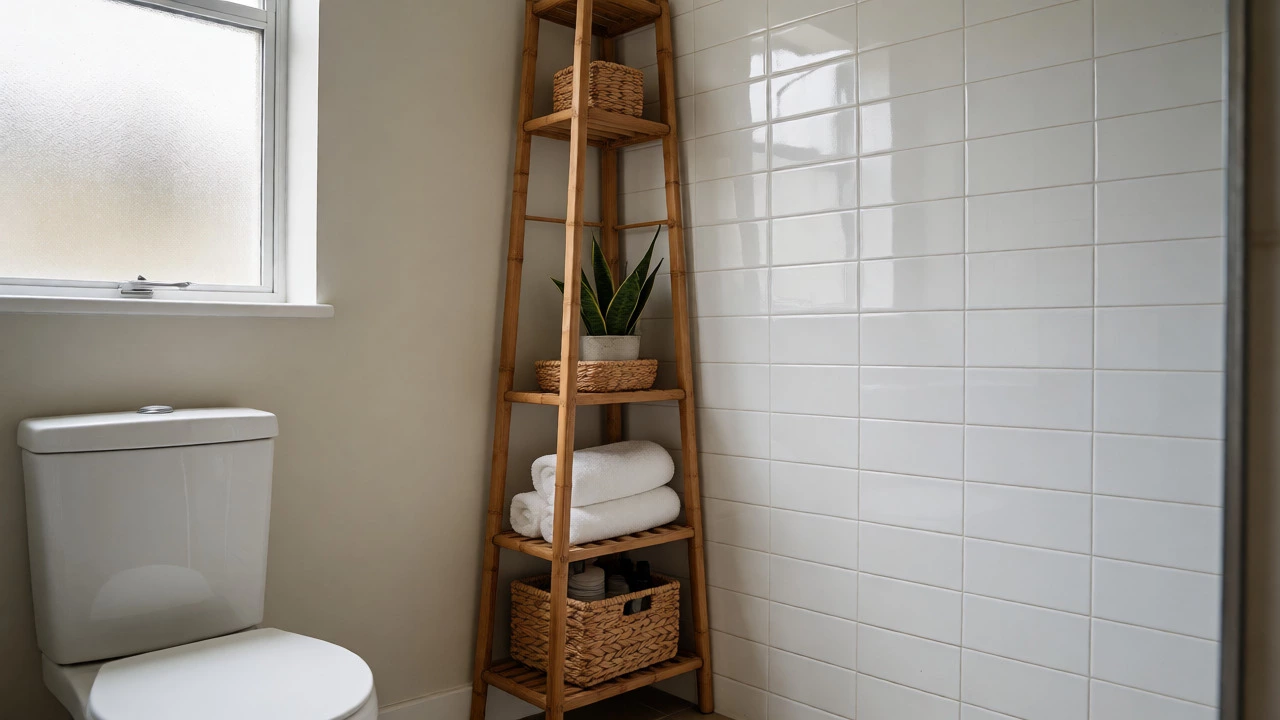
If you rent or hate drilling holes, freestanding units are your best friend. These are tall, narrow towers made of bamboo, metal, or plastic that wedge into the corner. Look for models with adjustable feet to compensate for uneven floors-a common issue in older homes.
- Bamboo Towers: Naturally water-resistant and warm-looking. Great for storing rolled towels or baskets of toiletries.
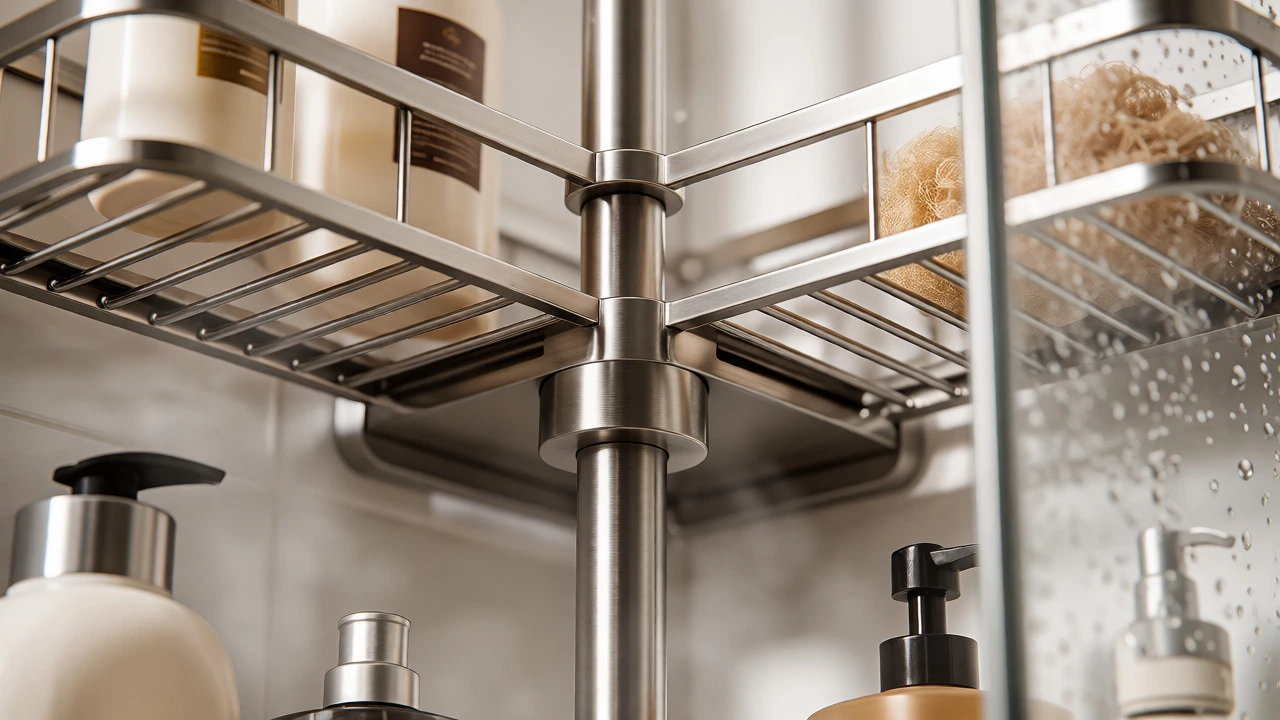
- Metal Wire Racks: Industrial look, excellent drainage. Perfect for holding wet sponges or loofahs that need air circulation.
- Plastic Stackables: Cheap and cheerful. Ideal for kids’ bathrooms where durability matters more than aesthetics.
A pro tip: Measure the diagonal distance from the wall intersection to the edge of your toilet tank. If it’s less than 12 inches, a freestanding unit might block access to the toilet paper holder. Always test the swing before buying.
Corner Shower Caddies
The shower corner is notorious for mold and clutter. Traditional suction cup caddies fail constantly. Instead, opt for tension-pole systems or adhesive-mounted corner shelves designed specifically for tiled surfaces. Modern adhesive strips (like 3M Command) hold up to 10 pounds on smooth tile, which is plenty for shampoo bottles.
Look for caddies with built-in hooks on the sides. This lets you hang washcloths or scrub brushes off the bottom shelf, keeping them dry. If you have glass shower doors, ensure the caddy doesn’t swing into the door’s path when opening.
Recessed Niche Shelving
If you’re doing a renovation, this is the gold standard. Building a recessed niche into the corner wall eliminates protrusion entirely. Items sit flush with the wall surface, so nothing sticks out into the shower spray zone. This requires cutting into drywall or backer board, so it’s not a weekend DIY for beginners, but the payoff is permanent cleanliness and sleek looks.
Decorative Touches That Don’t Clutter
Storage isn’t the only job for a corner. Sometimes, you want visual interest without adding bulk. A stark white corner can feel sterile. Adding life here softens the hard lines of tiles and porcelain.
Consider a small potted plant. Not all plants survive bathroom humidity, though. Choose species that thrive in moisture and low light:
| Plant Type | Light Needs | Humidity Tolerance | Care Level |
|---|---|---|---|
| Snake Plant | Low to Bright Indirect | High | Very Easy |
| ZZ Plant | Low Light | Medium-High | Easy |
| Boston Fern | Indirect Light | Very High | Moderate |
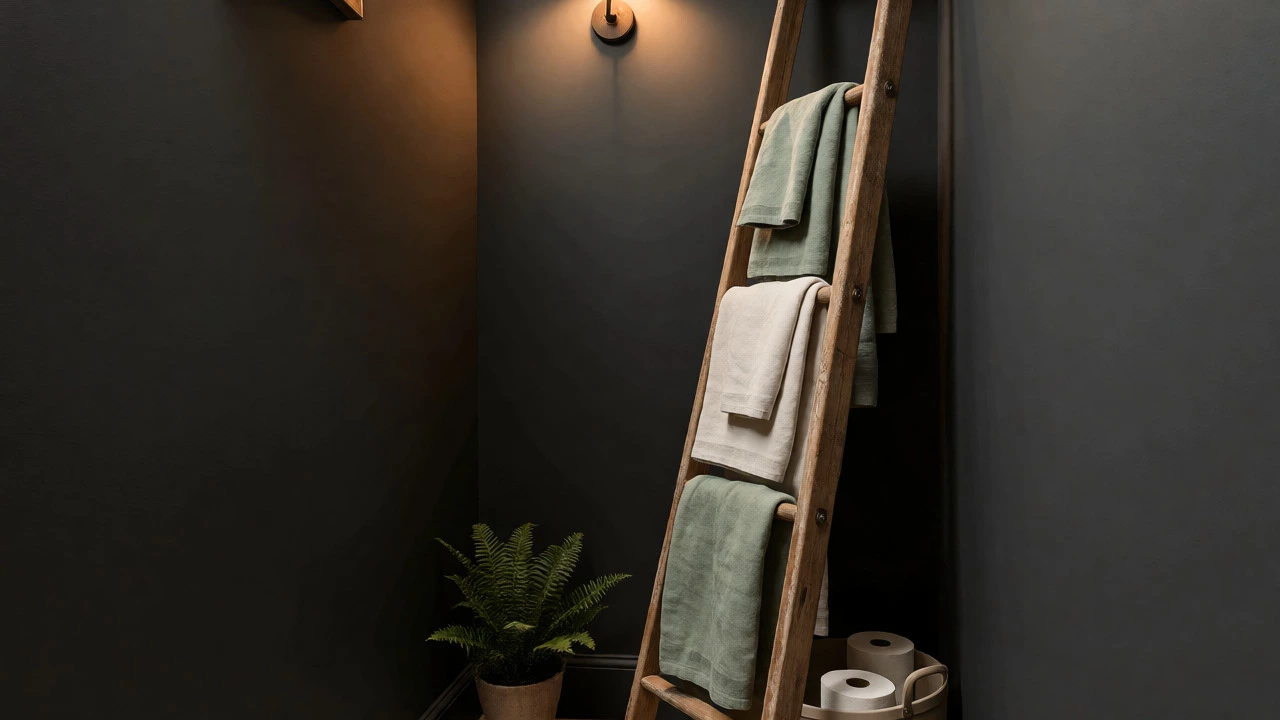
Place these in a waterproof basket to protect the floor from water damage. Alternatively, use a decorative ladder leaning into the corner. Hang extra hand towels on the rungs. It adds texture and color while serving a function. Just ensure the ladder is treated for moisture resistance, like teak or aluminum.
Common Mistakes to Avoid
We’ve seen homeowners sabotage their own efforts with good intentions. Here are the pitfalls that turn a helpful corner into a nuisance.
Oversizing Furniture: Buying a shelf that looks fine in a big-box store display but overwhelms your tiny bathroom. Rule of thumb: If the unit covers more than 50% of the corner’s floor footprint, it’s too big. You need clearance for cleaning tools like mops or vacuums.
Ignoring Ventilation: Enclosed cabinets in corners trap moisture. If you choose a closed storage unit, ensure it has ventilation slats or mesh backing. Otherwise, you’ll deal with mildew behind the doors within months.
Blocking Access: Placing a heavy item in the corner behind the door swing. Test the door’s arc before finalizing placement. A 180-degree hinge means the door will hit anything in that quadrant.
How to Style for Different Bathroom Types
Your approach should match the primary user of the bathroom. A guest powder room has different needs than a family master bath.
For Guest Bathrooms: Focus on aesthetics. Use a stylish corner table with a tray for hand soap and a single succulent. Hide essentials in a woven basket underneath. The goal is to impress, not maximize utility.
For Family Bathrooms: Prioritize accessibility. Install a hook rail on the side wall of the corner for robes and bags. Add a multi-tier shelf for kids’ bath toys. Keep everything within arm’s reach of the tub or sink.
For Master Suites: Go for luxury. Consider a corner bench with hidden storage for folded linens. Pair it with a large mirror angled to reflect light from the window, making the corner feel larger and brighter.
Can I install corner shelves without drilling?
Yes. Freestanding corner towers require no installation. For wall-mounted options, high-strength adhesive strips work on smooth tile or glass. However, avoid adhesives on textured stone or painted drywall, as they may peel off under weight.
What is the best material for humid bathrooms?
Teak, bamboo, stainless steel, and acrylic are top choices. Teak contains natural oils that resist rot. Stainless steel won’t rust if it’s marine-grade. Bamboo must be sealed properly to prevent swelling. Avoid particleboard or MDF unless fully laminated on all sides.
How do I keep corner items from getting moldy?
Ensure airflow. Use open-shelf designs rather than closed cabinets. Wipe down items weekly with a vinegar solution. Place silica gel packets inside enclosed storage bins to absorb excess moisture. Run an exhaust fan during and after showers.
Are corner ladders worth it for small spaces?
Yes, if you have vertical height. A ladder leans into the corner, using minimal floor space while providing multiple hanging points for towels. Ensure the feet have non-slip pads to prevent scratching tile or sliding on wet floors.
What should I put in a corner with a sloped ceiling?
Use low-profile storage like rolling carts or shallow baskets. Tall units will hit the ceiling. Utilize the lower half of the wall with hooks or short shelves. This area is perfect for storing rarely used items like extra toilet paper rolls or seasonal decor.
Final Checklist Before You Buy
Before you click "Add to Cart," run through this quick audit. Grab a tape measure and a piece of painter’s tape. Mark the dimensions on your floor and walls. Sit on the toilet and simulate reaching for items. Does the new addition block your legs? Can you clean under it easily?
If you’re renting, check your lease regarding drilling. Some landlords allow adhesive hooks but forbid nails. If you own, consider future-proofing. Will this setup work if you add a bidet or change your vanity later? Start with flexible, movable pieces like freestanding racks. Once you confirm the layout works, invest in permanent fixtures.
Remember, the goal isn’t to fill every inch. It’s to create order. A well-used corner reduces visual noise, making your small bathroom feel calm and spacious. Pick one strategy-storage, decor, or hybrid-and implement it today. You’ll be surprised how much breathing room you gain.