Why Am I Scared of Mirrors Spiritually? Causes, Meanings & How to Find Peace
 Aug, 2 2026
Mirror Anxiety & Spiritual Connection Checker
Assessment Questions
Select all statements that resonate with your experience.
Ready to Explore?
Answer the questions to determine if your mirror anxiety has a spiritual component and receive tailored advice.
Your Result
Result description goes here.
Recommended Rituals
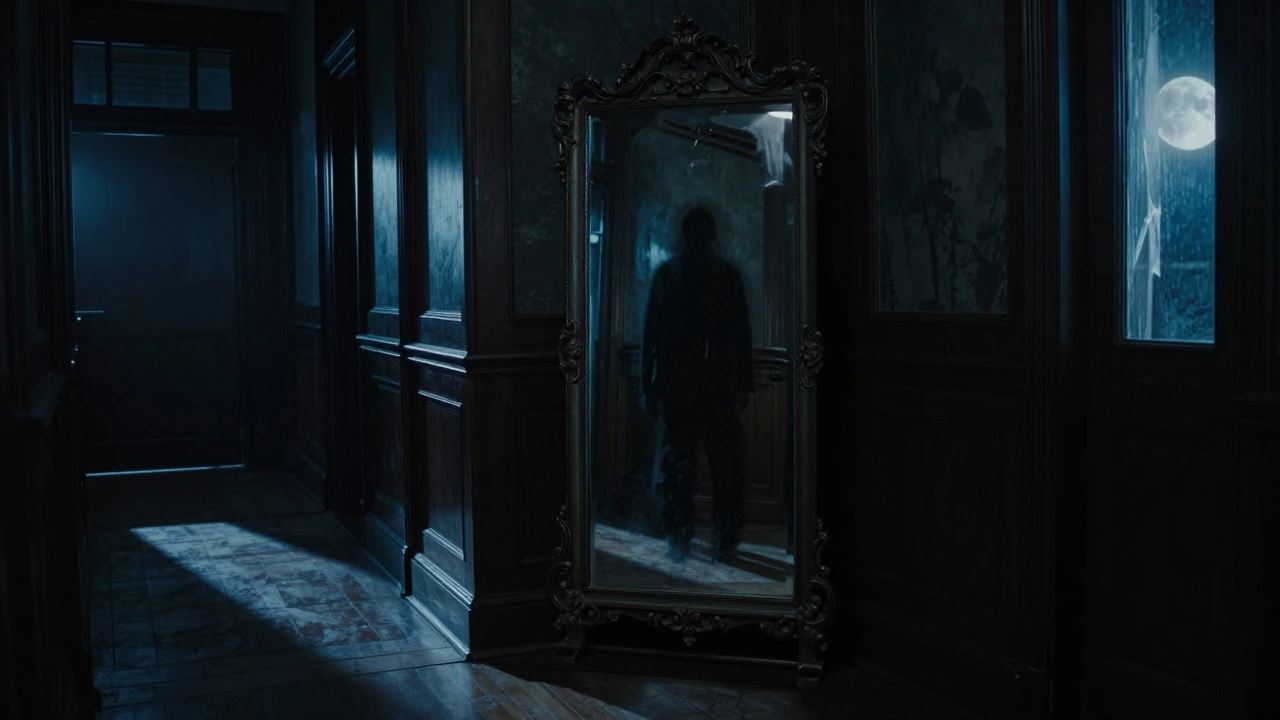
Have you ever caught your reflection in a dark room and felt a sudden chill run down your spine? Maybe it wasn’t just the dim lighting. Perhaps it was that strange, primal instinct telling you something was wrong. You aren’t alone. A spiritual fear of mirrors is more common than you might think, even if most people don’t talk about it openly. It’s not just about looking ugly or tired; it’s a deeper, often unsettling sensation that the glass holds more than just light.
This feeling can range from mild discomfort to full-blown anxiety. Some people cover their mirrors at night. Others avoid them altogether. If this sounds like you, you’re likely wondering: why does this happen? Is there a spiritual reason behind my unease with reflections? The answer isn’t simple, but understanding the roots of this fear can help you regain control. Let’s look at what’s really going on when you feel scared of mirrors spiritually.
The Ancient Roots of Mirror Anxiety
To understand why we fear mirrors today, we have to look back thousands of years. In ancient times, mirrors weren’t made of silvered glass. They were polished stone, bronze, or obsidian. These materials were heavy, rare, and often associated with magic or divination. Ancient mirror beliefs are early cultural interpretations of reflective surfaces as portals or tools for seeing beyond the physical world.
In many cultures, including ancient Rome and Greece, mirrors were believed to capture the soul. There was a genuine fear that breaking a mirror would trap part of your essence inside the shards. This idea didn’t disappear overnight. It evolved into modern superstitions. Even today, some people believe that standing in front of a mirror after midnight invites negative energy or spirits. Why? Because historically, darkness represented the unknown, and mirrors represented a window into that unknown.
Think about it. When you look in a mirror, you see yourself, but slightly delayed. That tiny fraction of a second lag can trigger a psychological glitch known as the "Troxler effect." If you stare too long, your peripheral vision fades, and your reflection starts to distort. For someone already prone to spiritual anxiety, this distortion feels like proof that something supernatural is happening. It’s not ghosts; it’s neuroscience meeting old folklore.
Spiritual Beliefs About Mirrors Across Cultures
Different parts of the world have developed unique rules around mirrors. These traditions shape how we perceive them, even if we don’t consciously follow them. Understanding these beliefs can explain why certain actions-like leaving a mirror uncovered at night-feel so wrong to you.
| Culture/Tradition | Belief or Practice | Spiritual Reasoning |
|---|---|---|
| Jewish Tradition (Shiva) | Covering mirrors during mourning | Mirrors distract from grief and vanity; they reflect the physical self rather than the spiritual soul. |
| Feng Shui | Avoid placing mirrors facing beds | Mirrors bounce energy (Chi) around the room, causing restlessness and disrupting sleep harmony. |
| Voodoo/Hoodoo | Using mirrors in spells | Mirrors can redirect negative energy or trap spirits depending on the intention. |
| Western Superstition | Seven years bad luck if broken | The soul regenerates every seven years; a broken mirror damages the soul’s reflection. |
| Hinduism | Mirrors in meditation spaces | Used to focus the mind, but sometimes avoided to prevent distraction by the ego/self-image. |
Notice a pattern? Most spiritual views on mirrors revolve around two things: the soul and energy flow. If you grew up in a household where mirrors were covered at night or kept out of bedrooms, your brain wired itself to associate those objects with caution. This conditioning runs deep. It’s not irrational; it’s learned behavior rooted in cultural safety mechanisms.
Psychological vs. Spiritual Fear: What’s the Difference?
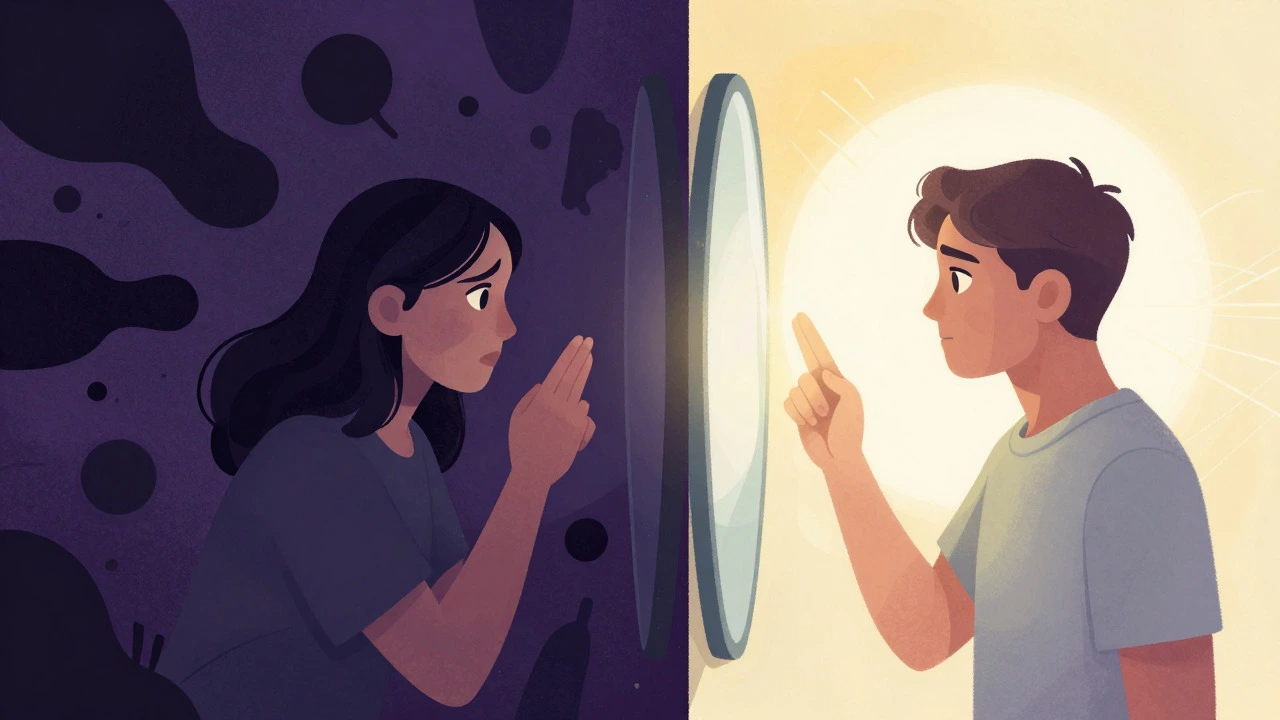
Here’s the tricky part. Sometimes, what feels like a spiritual warning is actually a psychological response. Mirror phobia (Speculophobia) is an intense, irrational fear of mirrors or one's own reflection. While true speculophobia is rare, situational anxiety is common. Stress, fatigue, and high sensitivity can make you hyper-aware of your surroundings. When you’re exhausted, your brain fills in gaps with worst-case scenarios.
Consider this scenario: You come home late, tired, and walk past a hallway mirror. Your reflection looks pale, shadowy, almost unrecognizable. Your heart races. You think, “That’s not me.” But it is. Your brain just processed the image differently due to low light and mental fatigue. However, if you have a spiritual framework, you might interpret this as a sign of negative attachment or a spirit trying to mimic you. Both explanations lead to the same result: fear.
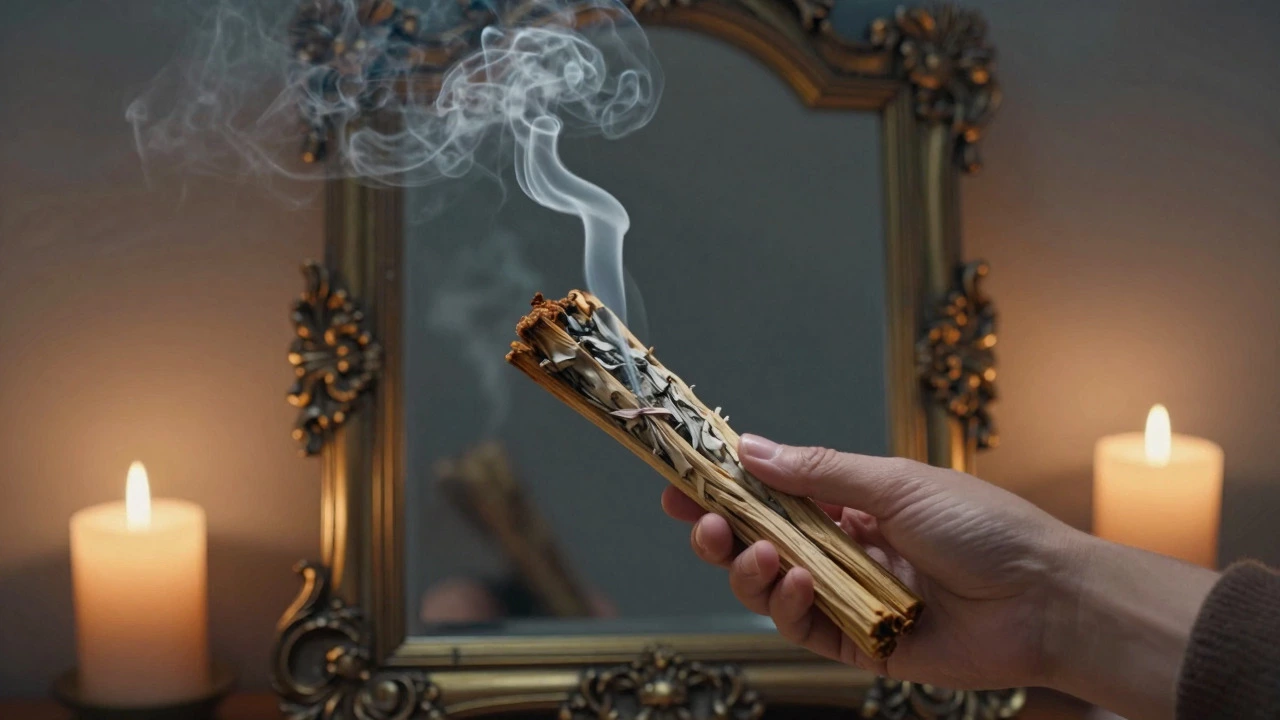
The key difference lies in resolution. Psychological fear often responds to therapy, better lighting, or routine changes. Spiritual fear requires rituals, cleansing, or shifts in belief. If logic doesn’t calm you down, but burning sage or covering the mirror does, then your experience is likely spiritual-or at least, it needs a spiritual approach to heal.
Signs Your Mirror Fear Has a Spiritual Component
How do you know if your fear is truly spiritual? Look for these specific signs. If several apply to you, your intuition is picking up on energetic imbalances rather than just visual tricks.
- Dread at Night: You feel fine during the day, but mirrors feel threatening after sunset.
- Distorted Reflections: You frequently see shadows, figures, or movements in the glass that aren’t there.
- Physical Reactions: Chills, nausea, or headaches occur specifically when near certain mirrors.
- Family History: Other relatives also avoid mirrors or have strict rules about them.
- Intuitive Warnings: You feel a strong urge to cover or remove mirrors without knowing why.
If you check three or more of these boxes, your body is signaling that the environment feels unsafe. In spiritual terms, mirrors act as amplifiers. They reflect not just your face, but the energy in the room. If the room has stagnant or negative energy, the mirror reflects that intensity back at you. This creates a feedback loop of discomfort.
How to Cleanse and Protect Your Mirrors
You don’t need to throw away your mirrors to find peace. Instead, try resetting their energy. Many people find relief through simple cleansing rituals. These practices aren’t about magic; they’re about reclaiming your sense of control and creating a positive association with your reflection.
- Smudging: Use white sage, cedar, or palo santo. Light the herb, let it burn for a few seconds, then blow it out. Wave the smoke around the mirror while stating your intention: “This space is clear and safe.”
- Sound Cleansing: Ring a bell or use a singing bowl near the mirror. Sound vibrations break up stagnant energy. Do this for 60 seconds while focusing on clarity.
- Water Ritual: Sprinkle purified water mixed with sea salt around the mirror frame. Salt is traditionally used to absorb negativity. Wipe the surface clean afterward.
- Covering at Night: If you still feel uneasy, cover the mirror with a cloth before bed. This simple act tells your subconscious that the “portal” is closed, allowing you to rest.
- Reframe the Narrative: Every morning, look in the mirror and say one positive thing about yourself. This retrains your brain to associate the mirror with self-love, not fear.
Consistency matters. Do this for seven days. Notice if the heaviness lifts. Often, the fear persists because we haven’t given our nervous system a new story to tell. By actively cleansing and blessing the mirror, you change its role from a threat to a tool for self-reflection.
When to Seek Professional Help
Spiritual practices are powerful, but they aren’t always enough. If your fear of mirrors interferes with daily life-avoiding bathrooms, skipping appointments, or experiencing panic attacks-it’s time to consider professional support. Anxiety disorders are mental health conditions characterized by excessive worry and physical symptoms. A therapist can help you distinguish between spiritual sensitivity and clinical anxiety.
Don’t feel guilty about seeking help. Combining spiritual cleansing with cognitive behavioral therapy (CBT) often yields the best results. CBT helps you challenge irrational thoughts, while spiritual rituals address the emotional root. You can honor both paths. In fact, many holistic therapists integrate energy work with traditional psychology. The goal is the same: freedom from fear.
Remember, your reaction to mirrors is valid. Whether it stems from ancient superstition, personal trauma, or genuine spiritual sensitivity, it deserves respect. You don’t have to live in dread. With the right tools, you can transform your relationship with mirrors from one of fear to one of empowerment.
Is it normal to be afraid of mirrors at night?
Yes, it is relatively common. Low lighting reduces visual clarity, making reflections appear distorted or eerie. Combined with cultural superstitions about nighttime spirits, this can trigger a natural fear response. Covering mirrors at night is a practical way to reduce this anxiety.
Do mirrors attract negative energy?
In many spiritual traditions, mirrors are seen as amplifiers of existing energy rather than attractors. If a room has negative vibes, the mirror reflects and intensifies them. Cleansing the room and the mirror regularly can neutralize this effect.
What should I do if I see something strange in my mirror?
First, check for logical explanations like pareidolia (seeing patterns in random stimuli) or poor lighting. If the feeling persists, perform a cleansing ritual such as smudging or sound healing. If visions continue or cause distress, consult a mental health professional to rule out sleep paralysis or stress-related hallucinations.
Can breaking a mirror really bring bad luck?
The belief that breaking a mirror brings seven years of bad luck comes from ancient Roman and Greek ideas about the soul regenerating every seven years. While scientifically unfounded, the superstition remains powerful. If it causes you anxiety, treat broken glass carefully and consider it a reminder to practice mindfulness rather than a curse.
How can I stop being afraid of my own reflection?
Start by improving lighting in areas with mirrors. Practice positive affirmations while looking at yourself. Gradually expose yourself to mirrors for short periods, increasing duration as comfort grows. If fear is severe, work with a therapist who understands somatic or spiritual approaches to anxiety.